What the PVG800 Conveyor Belt Is
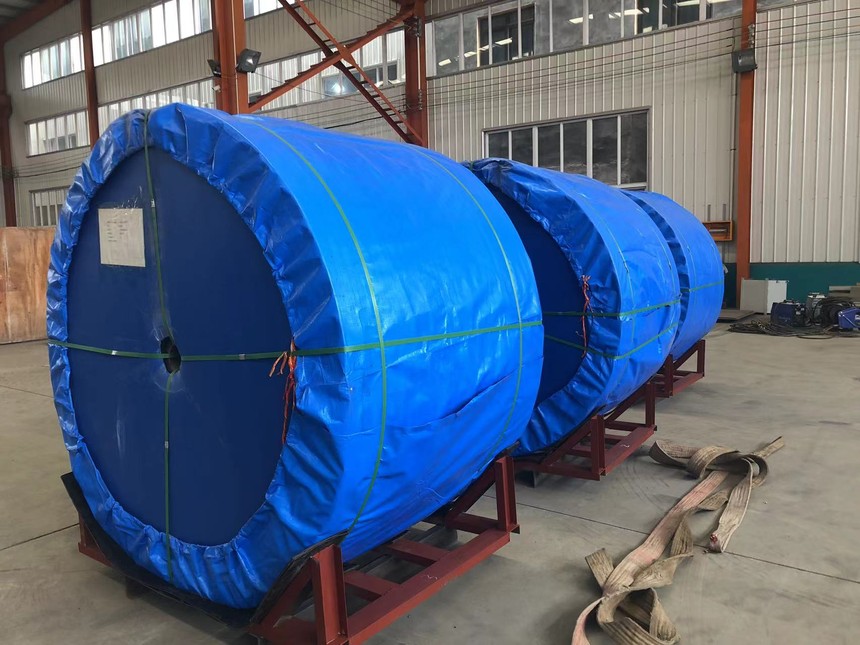
A PVG800 conveyor belt is a solid-woven rubber belt built for general industrial conveying where flame resistance and antistatic behaviour are required. In this name, PVG stands for the solid-woven carcass construction with rubber covers, while 800 indicates the nominal tensile strength grade. It belongs to the same family as other PVG belts, and the 800 grade sits near the upper end of the commonly produced range. The belt is used in underground mining, coal handling, power plants, ports and bulk material systems where a durable, fire-resistant belt is preferred over a simple fabric belt.
Construction and Vulcanised Build
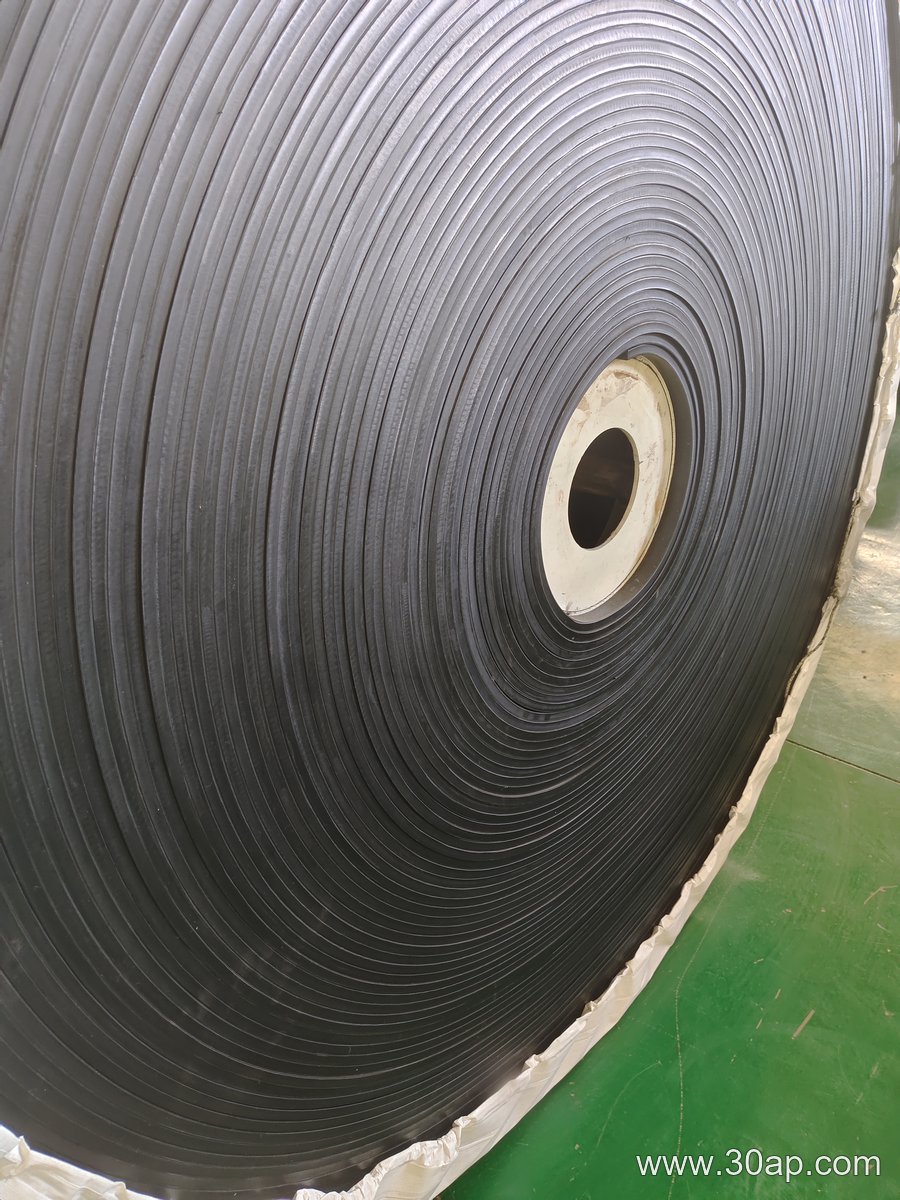
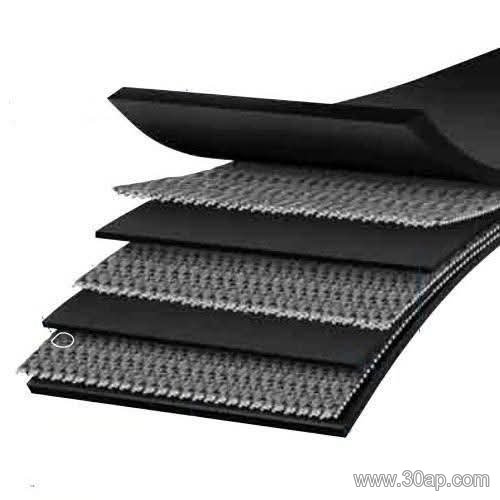
The carcass of a PVG belt is not made from separate fabric plies in the usual sense. Instead, multiple layers of strong synthetic fabric are woven or combined, then impregnated and bonded with rubber during vulcanisation. This produces a single, compact body. Rubber covers are applied to both faces, and the belt is finished by hot pressing, which gives a smooth surface and a firm edge.
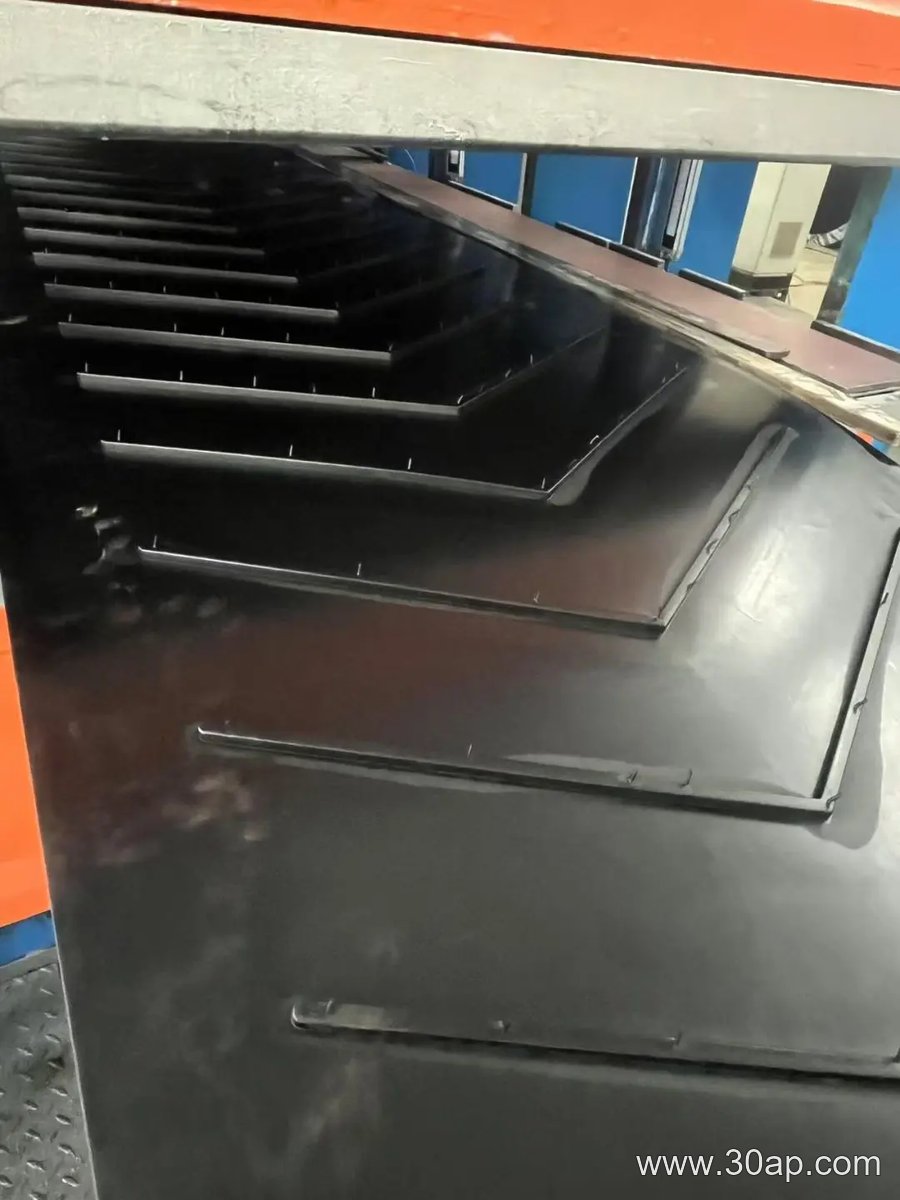
Typical cover thickness combinations for this belt family include 3+1.5 mm, 4+2 mm, 5+2 mm, 6+2 mm and 8+3 mm, where the first number is the top cover and the second is the bottom cover. The carcass usually contains 2 to 6 fabric layers depending on the required strength and impact resistance. Buyers should treat these values as common reference figures, not as fixed guarantees, because each manufacturer builds to its own specification.
Properties That Matter on Site
The PVG800 grade is usually supplied with flame-retardant and antistatic properties. That combination is important in enclosed spaces such as coal mines and tunnels, where a spark or a smouldering belt can be dangerous. The rubber covers can also be formulated for additional resistance to abrasion, oil, heat, cold or chemicals, but those options should be confirmed with the supplier rather than assumed.
Because the carcass is solid-woven, the belt resists impact and tearing better than a light fabric belt of similar thickness. It also holds together well when it is cut or damaged, which reduces the risk of a sudden failure during operation.
Where It Fits in a Conveyor System
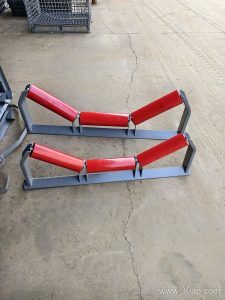
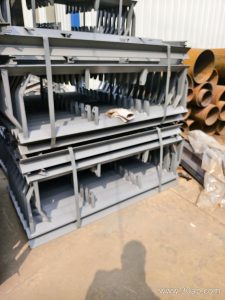
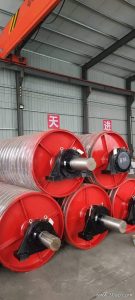
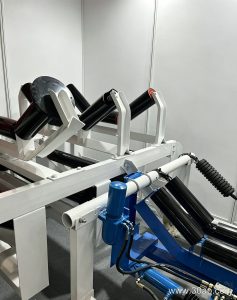
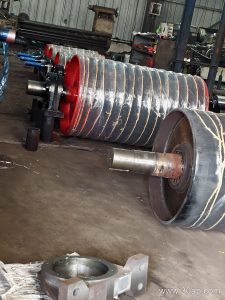
A PVG800 belt runs over the conveyor pulley at the head and tail, passes over idler roller sets along the carrying and return sides, and is supported by the frame and conveyor bracket assemblies. It can also be used on a curved route with bend pulleys when the layout requires it. Drive, tail and bend pulleys are different components with different duties, and they should not be treated as interchangeable parts. The belt itself is selected first, then the pulley diameters, roller spacing and bracket positions are matched to the belt rating and the load.
Common Widths and Strength Grades
Widths for this belt type are usually ordered in the standard range from B500 to B2000. The 800 grade is one option among several; other PVG grades and EP or NN fabric belts, steel cord belts and PVC belts serve different duties. The table below shows typical reference values for the PVG family. It is not a supply commitment.
| Item | Common reference values |
|---|---|
| Belt type | PVG solid-woven, flame retardant, antistatic |
| Strength grade | PVG800 (other grades available) |
| Belt width | B500, B650, B800, B1000, B1200, B1400, B1600, B1800, B2000 |
| Cover thickness | 3+1.5, 4+2, 5+2, 6+2, 8+3 mm |
| Carcass layers | 2 to 6 layers, by design |
What a Buyer Should Check
- Confirm the actual strength grade and cover thickness required for the load and impact conditions.
- Check that the flame resistance and antistatic properties meet the site rules.
- Match belt width to the conveyor frame and to the existing pulley face, without assuming that one width only fits one pulley diameter.
- Review the pulley diameters, roller spacing and bracket layout so the belt is not over-stressed.
- Ask for the manufacturer’s own data sheet, since cover grades and carcass details differ between suppliers.
Splicing, storage and tensioning also deserve attention. A PVG800 belt is usually joined by vulcanised splice or by mechanical fasteners, and the method should suit the belt construction. Store it away from direct sunlight, oil and sharp objects. When tension is set correctly and the pulleys and rollers are aligned, the belt gives long service in tough conveying work.