What NN200 Conveyor Belt Means
An NN200 conveyor belt is a nylon fabric-reinforced rubber belt. The “NN” stands for nylon warp and nylon weft, and the number 200 refers to the nominal tensile strength of the carcass, usually expressed in newtons per millimeter of belt width. In everyday language, this product is also called a nylon conveyor belt or NN nylon belt. It is not the same as an EP conveyor belt, which uses polyester warp and nylon weft, nor is it a steel cord belt. Those are different constructions and should not be substituted when a project calls for nylon fabric.
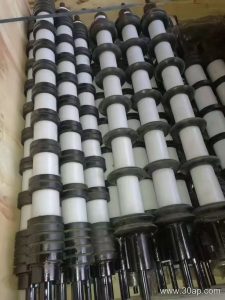
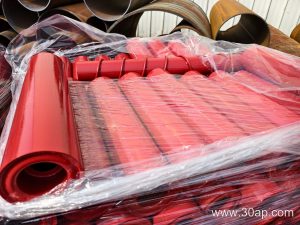
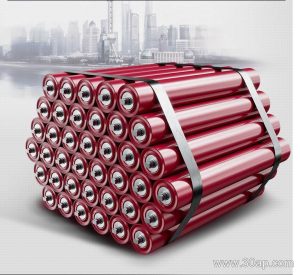
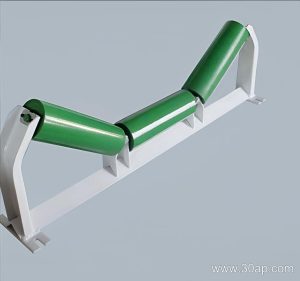
The belt is built for general material handling where flexibility, impact resistance, and troughability matter. It is common in mines, coal preparation plants, cement works, power stations, and sand and gravel yards. It works alongside conveyor pulleys, idler rollers, and conveyor brackets, but the belt itself is the load-bearing and moving element.
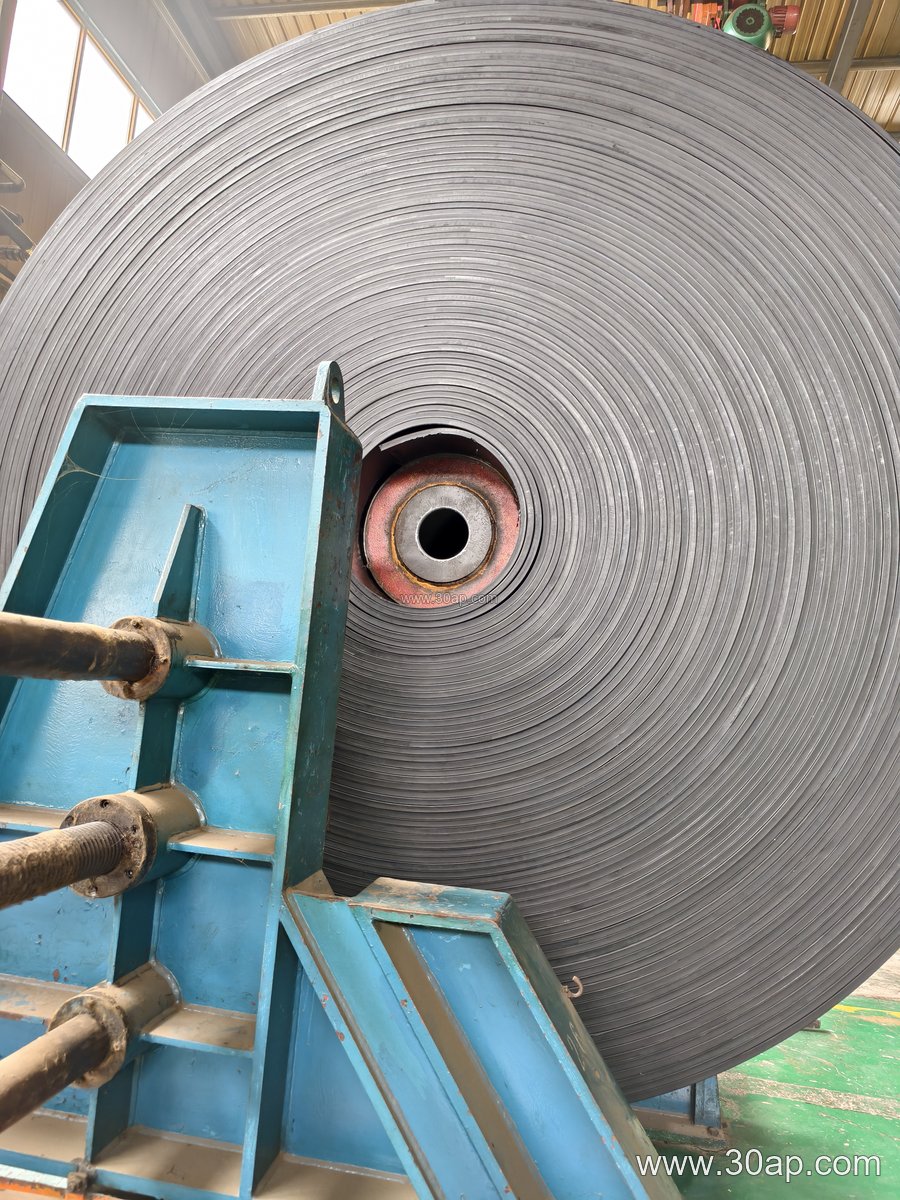
How the Belt Is Built
The carcass is made from multiple layers of nylon fabric, usually two to six plies, bonded with rubber skim compound. A top cover and a bottom cover protect the fabric. Common cover thickness combinations include 3+1.5 mm, 4+2 mm, 5+2 mm, 6+2 mm, and 8+3 mm. The cover compound can be selected for abrasion resistance, heat, oil, flame retardancy, antistatic behavior, cold, or acid and alkali exposure.
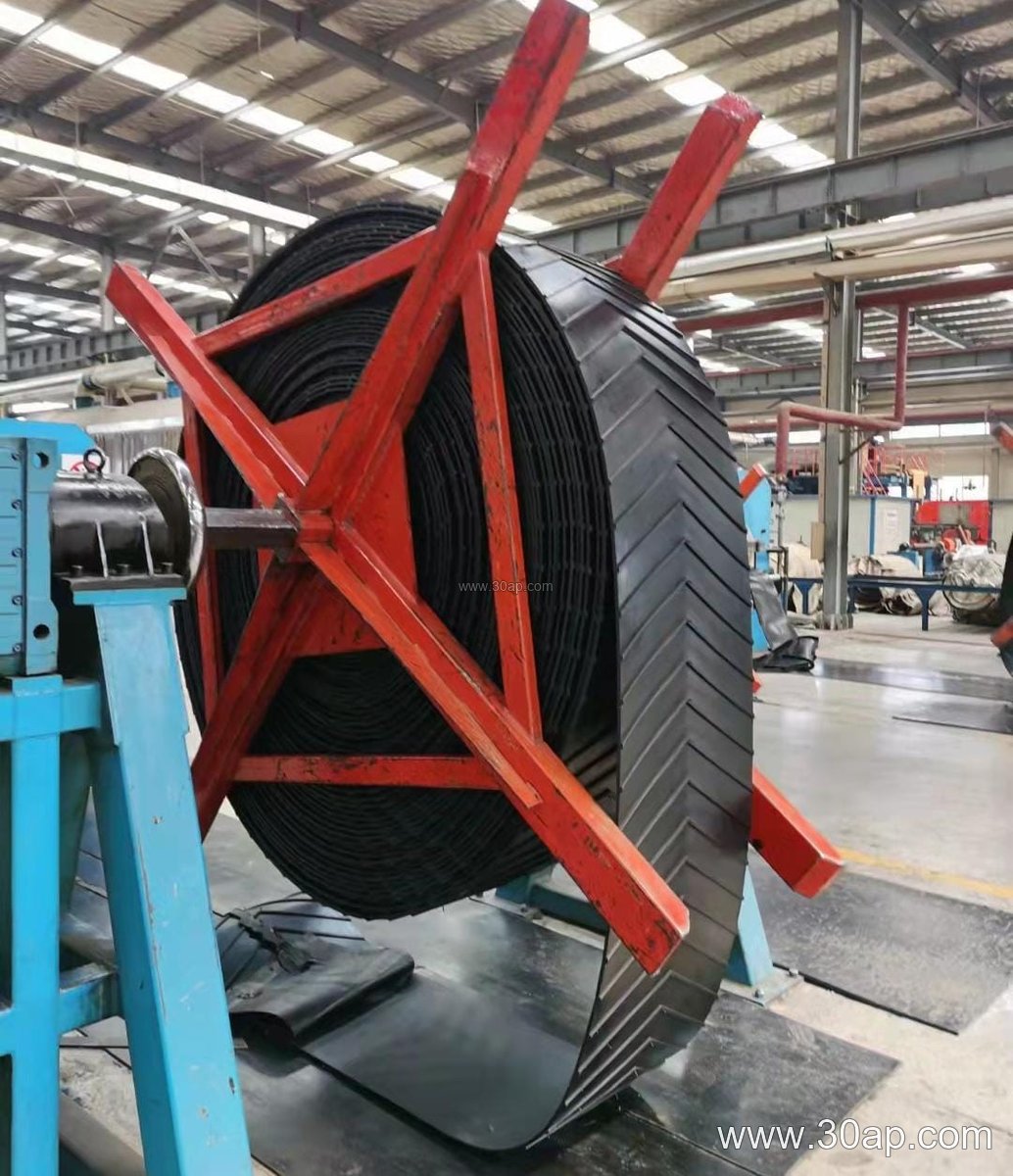
Nylon fabric stretches under load and absorbs impact well, which helps at transfer points where lumps fall onto the belt. It also trains well around drums. The trade-off is that nylon has higher elongation than polyester, so a take-up system may need more travel to keep tension stable.
Typical Specifications and Reference Data
The table below lists common reference values. Actual supply depends on the manufacturer and the design of the conveyor.
| Property | Common reference |
|---|---|
| Belt type | NN200 nylon conveyor belt |
| Nominal strength | 200 N/mm |
| Fabric plies | 2 to 6 |
| Belt width | B500, B650, B800, B1000, B1200, B1400, B1600 |
| Cover thickness | 3+1.5, 4+2, 5+2, 6+2, 8+3 mm |
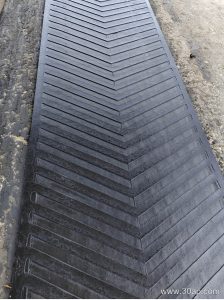
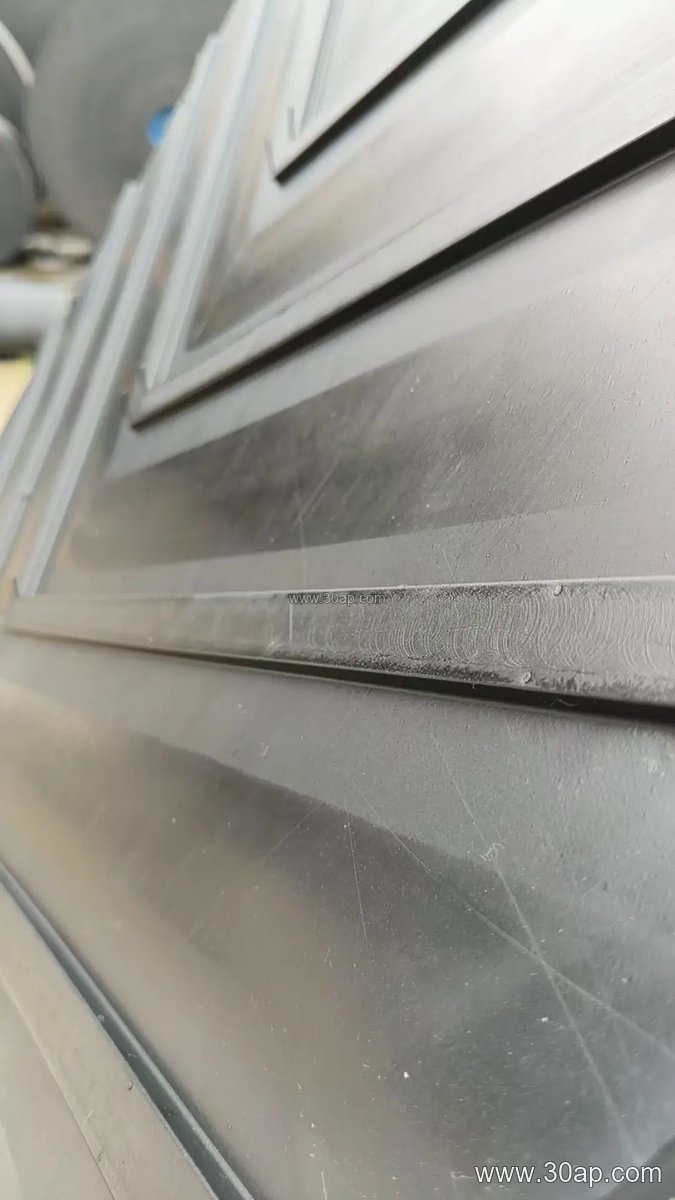
| Surface form | smooth, patterned, chevron, or corrugated sidewall |
Other nylon grades such as NN100, NN150, NN250, and NN300 also exist. NN200 sits in the middle of that range. It is often chosen when a single belt must handle moderate tension and still tolerate impact from coarse ore or clinker. A higher-strength belt may be needed for very long centers or steep lifts.
Where It Is Used
- Mines and quarries handling crushed rock, ore, and overburden
- Coal preparation plants moving sized coal and refuse
- Cement plants carrying clinker, limestone, and additives
- Power stations feeding coal and limestone
- Sand and gravel yards sorting and stockpiling aggregate
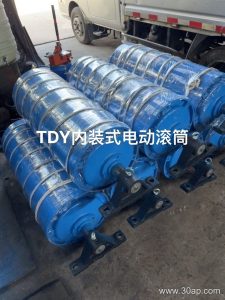
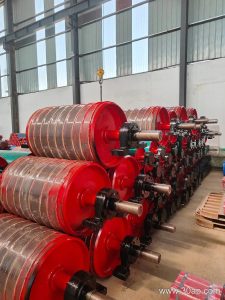
In these settings, the belt runs over drive pulleys, tail pulleys, and bend pulleys. Each pulley has a different job. A drive pulley transmits power, a tail pulley returns the belt, and a bend pulley changes direction. They are not interchangeable names, and the belt specification should be checked against the actual pulley diameters and loads.
What a Buyer Should Know
Before ordering an NN200 conveyor belt, confirm the belt width, number of plies, cover thickness, and cover grade. Check the maximum lump size, material temperature, and whether oil or chemicals are present. Ask whether the belt needs a patterned surface for inclined transport or a corrugated sidewall for steep angles. Also review the pulley diameters and the take-up travel, because nylon stretch affects start-up and tracking.
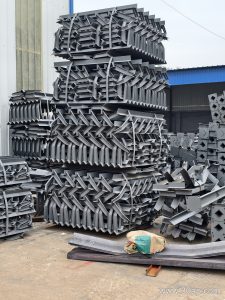
For a conveyor system, the belt does not work alone. Idler rollers support the belt, conveyor pulleys drive and redirect it, and conveyor brackets hold the rollers and pulleys in place. A mismatch between belt strength and pulley diameter can shorten belt life, but no single belt width is tied to one pulley size. That relationship is set by the conveyor design, not by a fixed rule.
Proper storage also matters. Keep the belt away from direct sunlight, ozone sources, and sharp objects. When splicing, follow the belt maker’s ply direction and step length. A well-matched NN200 belt, correctly installed and maintained, can give dependable service in dusty, abrasive, and high-tonnage operations.