What a 1800mm Conveyor Belt Is
A 1800mm conveyor belt is a wide-format rubber belt with a nominal belt width of 1800 millimeters, often written as B1800. It is the same product as an 1800 mm wide conveyor belt, and both names describe the belt itself, not the pulleys, idlers, or supporting frame. This width belongs to the upper end of common bulk handling belt sizes, which typically run from around B500 up to B2000. Because of its large surface area, an 1800mm conveyor belt is usually chosen when a single stream must carry a high volume of material or when the load is bulky and needs a wide, stable carrying surface.
Construction and Typical Specifications
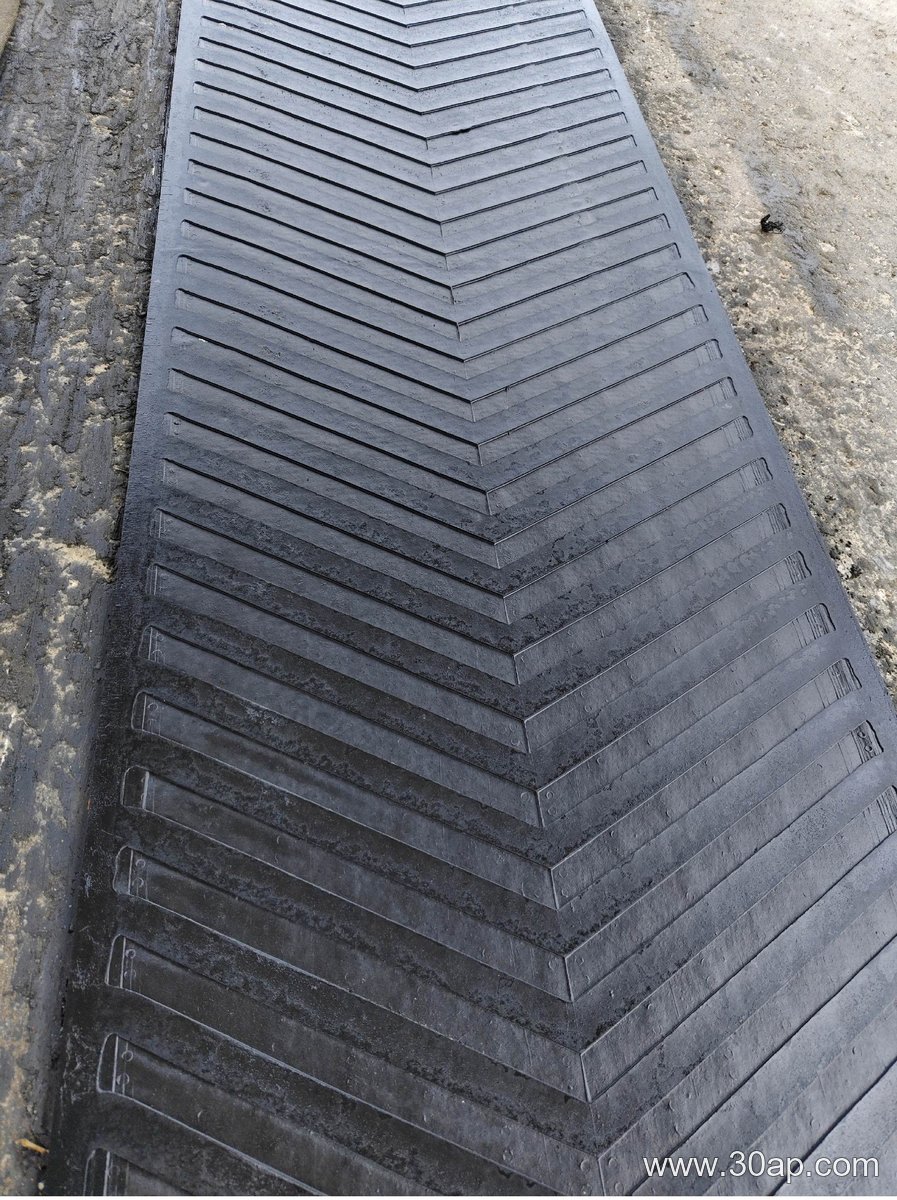
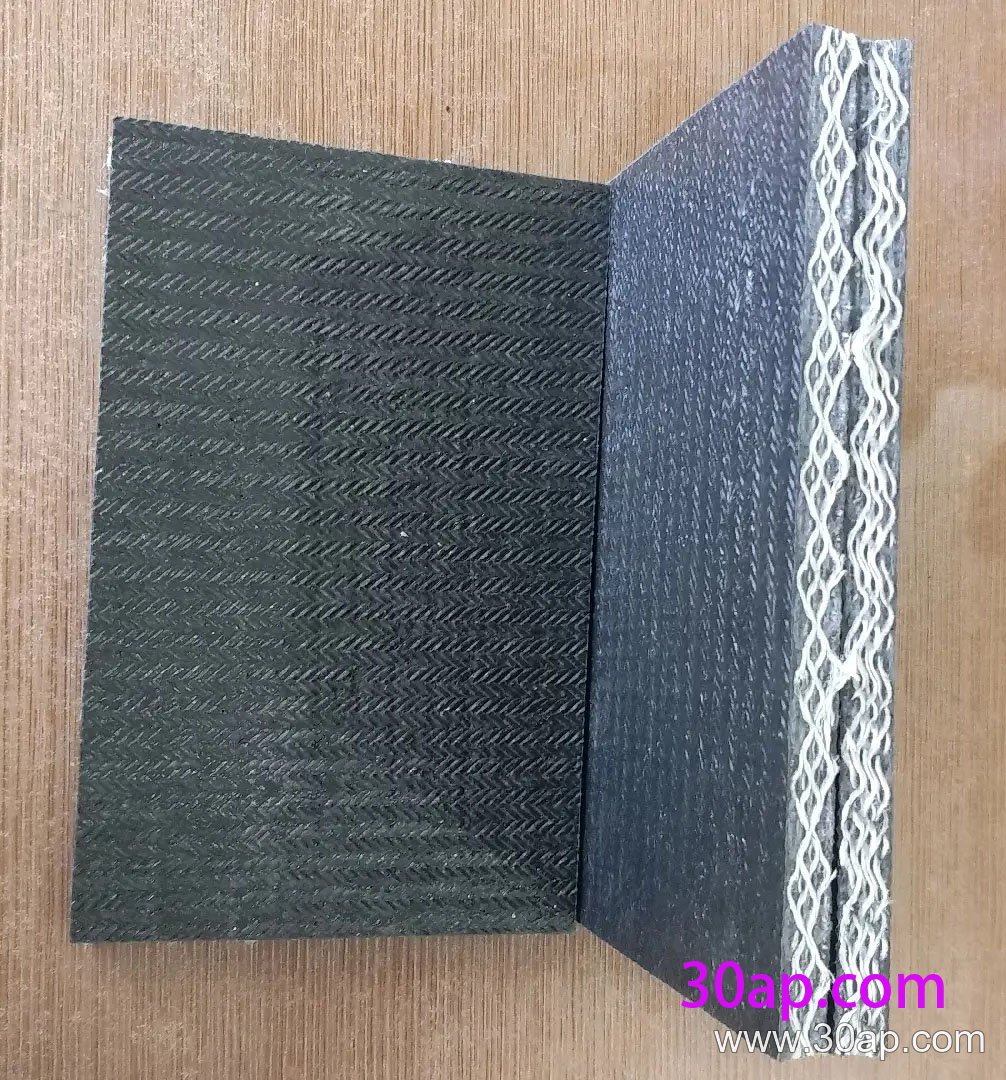
The belt is built from a carcass and rubber covers. The carcass may use EP fabric, NN nylon fabric, or steel cord, depending on the tension and impact level. Cover grades can be selected for abrasion resistance, heat, oil, flame resistance, antistatic behavior, cold, or chemical exposure. Surface forms such as plain, patterned, chevron, or corrugated sidewall are available when the conveying angle or material behavior requires them.
Reference values below are common examples, not fixed combinations. Final construction is confirmed by the belt designer and supplier.
| Item | Common reference range |
|---|---|
| Belt width | B1800 (1800 mm) |
| Fabric carcass layers | 2 to 6 plies |
| EP strength grades | EP200, EP315, EP400, EP500, EP630, EP800, EP1000, EP1250, EP1600, EP2000 |
| Cover thickness examples | 3+1.5, 4+2, 5+2, 6+2, 8+3 mm |
| Type examples | EP, NN nylon, steel cord, PVC, PVG, wear resistant, heat resistant, oil resistant, flame retardant, antistatic, cold resistant, acid and alkali resistant, patterned, chevron, corrugated sidewall |
Where It Fits in a Conveyor System
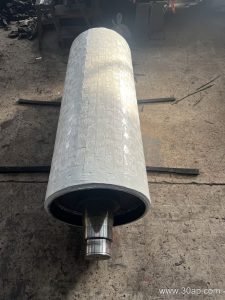
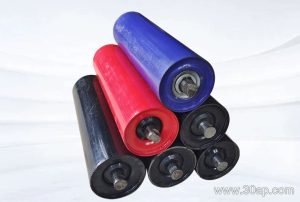
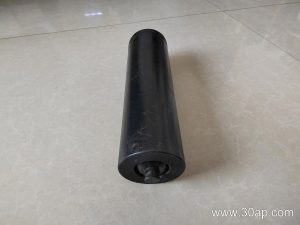
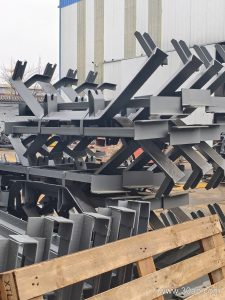
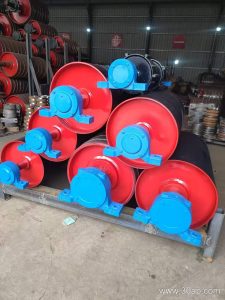
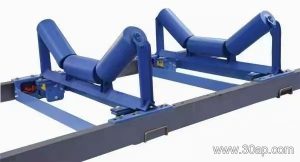
The belt wraps around the drive pulley and tail pulley, and it is supported along the carrying run by idler rollers. A conveyor pulley at the head end transmits the driving force, while bend pulleys and take-up arrangements keep tension and routing under control. Conveyor brackets and the frame hold these components in alignment. A wide belt such as the 1800mm size needs proper crown and alignment on every pulley, because even a small tracking error becomes more noticeable across a broad surface.
Typical industries include mining, coal preparation, cement plants, power stations, sand and gravel yards, ports, and heavy bulk terminals. In these settings, the belt may carry crushed ore, coal, clinker, limestone, aggregate, or similar abrasive material.
Selection Points for Buyers
Width alone does not decide the pulley diameter, shaft size, or idler spacing. Those values come from the full conveyor design, including belt tension, material weight, speed, trough angle, and loading conditions. A common mistake is to assume that one belt width always matches one pulley size. In practice, a B1800 belt may run on different pulley diameters depending on the duty and the carcass selected.
- Confirm the actual belt width and tolerance needed for the existing structure.
- Match the carcass type and strength to the maximum working tension, not just the belt width.
- Choose the cover grade based on material abrasiveness, temperature, oil exposure, and fire risk.
- Check whether a plain, patterned, chevron, or corrugated sidewall surface is needed for the incline.
- Review pulley diameter, idler roller type, and take-up travel together with the belt supplier.
- Plan splicing, storage, and installation access, since a wide belt is heavier and less flexible to handle.
Maintenance and Handling Notes
Inspect the 1800mm conveyor belt for edge damage, cover wear, and splice condition at regular intervals. Keep idler rollers turning freely and remove material buildup that can push the belt off track. Check that the drive pulley and tail pulley remain parallel and that the belt does not rub against the frame or conveyor brackets. When replacing a belt, record the original construction and cover thickness so the next order matches the duty, rather than relying on width alone.