What a Conveyor Equipment Pulley Does
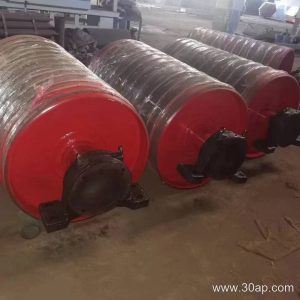
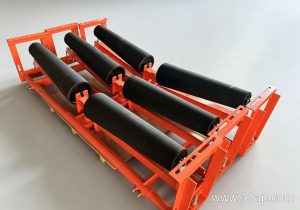
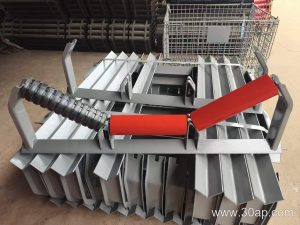
A conveyor equipment pulley is the rotating drum that drives, redirects, or tensions the conveyor belt. In a quarry, coal preparation plant, or cement clinker line, it often works alongside idler rollers and a sturdy conveyor bracket to keep material moving. The pulley is not a passive part. It transfers torque, maintains belt alignment, and helps determine the overall reliability of the conveyor system.
Drive pulleys, also called head pulleys, transmit power from the gearbox to the belt. Tail pulleys sit at the opposite end and often act as tension or return points. Bend pulleys change the belt path without driving the belt. These roles are not interchangeable. A drive pulley must handle high torque; a bend pulley mainly guides the belt. Mixing them up leads to premature wear or belt slip.
How It Is Built and Common Surface Options
A typical pulley includes a cylindrical shell, two end discs, a shaft, and a locking assembly. The shell is usually seamless steel tube or rolled plate. The shaft diameter is selected by torque and load, not by belt width alone. Common shaft sizes include Ø50, Ø60, Ø70, Ø80, Ø90, Ø100, Ø120, Ø140, Ø160, Ø180, and Ø200 mm. For example, a B800 conveyor might use a Ø500 pulley with a Ø80 shaft, while a B1400 conveyor may need a Ø800 pulley with a Ø120 shaft. These are design references, not fixed rules.
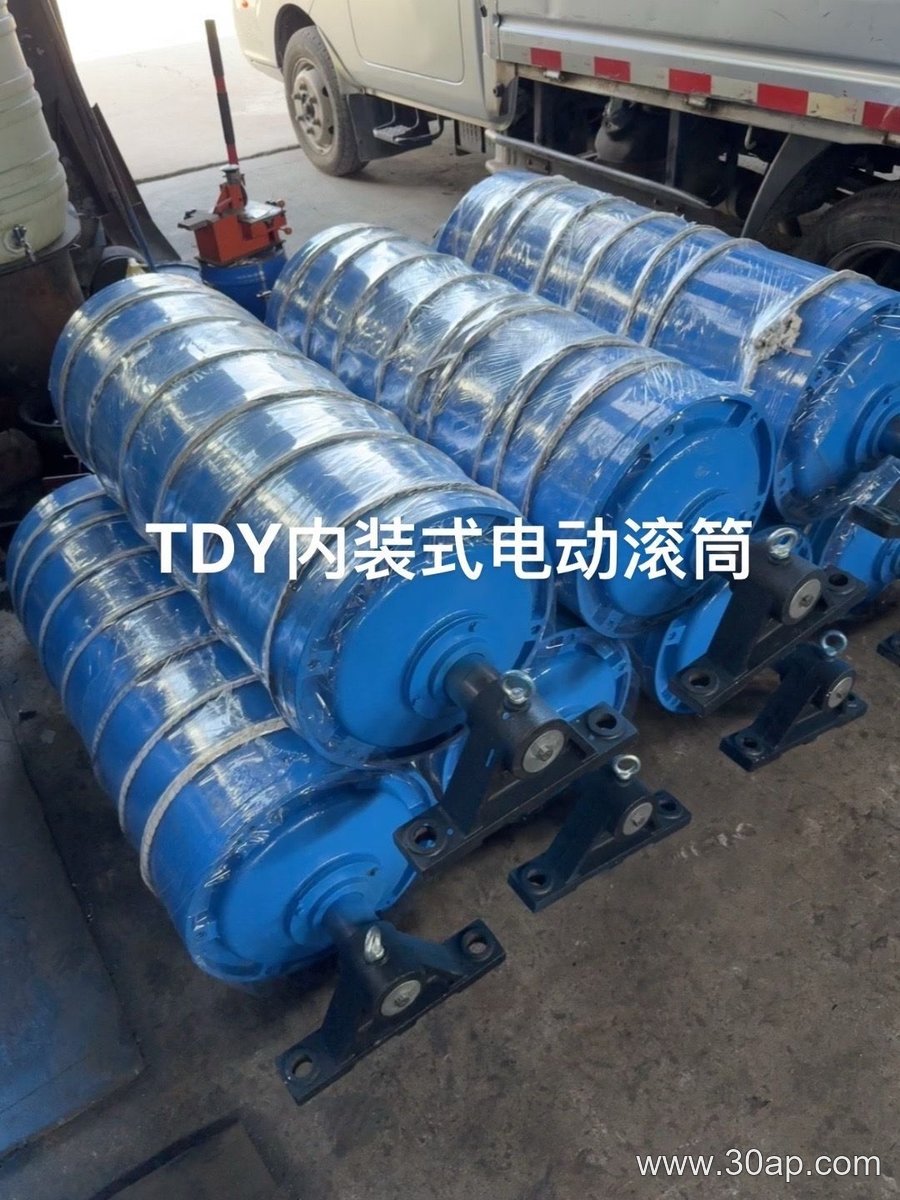
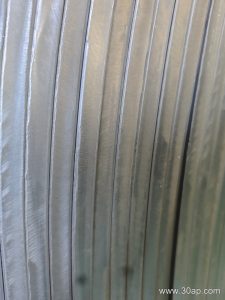
Surface treatment affects grip and belt life. Plain finish works for light duty. Rubber lagging—cold bonded, hot vulcanized, or cast—improves traction in wet or dusty conditions. Diamond and herringbone patterns help shed material. Ceramic lagging is chosen for high-wear transfer points. Lagging thickness commonly ranges from 8 mm to 20 mm. In a sand and gravel plant, a diamond lagged drive pulley often reduces slip on a wet belt.
Matching Pulley Width to Belt Width
The pulley face width is usually wider than the belt to allow tracking. For reference, a B400 belt often pairs with a 500 mm face; B500 with 600 mm; B650 with 750 mm; B800 with 950 mm; B1000 with 1150 mm; B1200 with 1400 mm; B1400 with 1600 mm; B1600 with 1800 mm; B1800 with 2000 mm; B2000 with 2200 mm. These values are typical, not mandatory. A single belt width can use different pulley diameters depending on tension, speed, and available space.
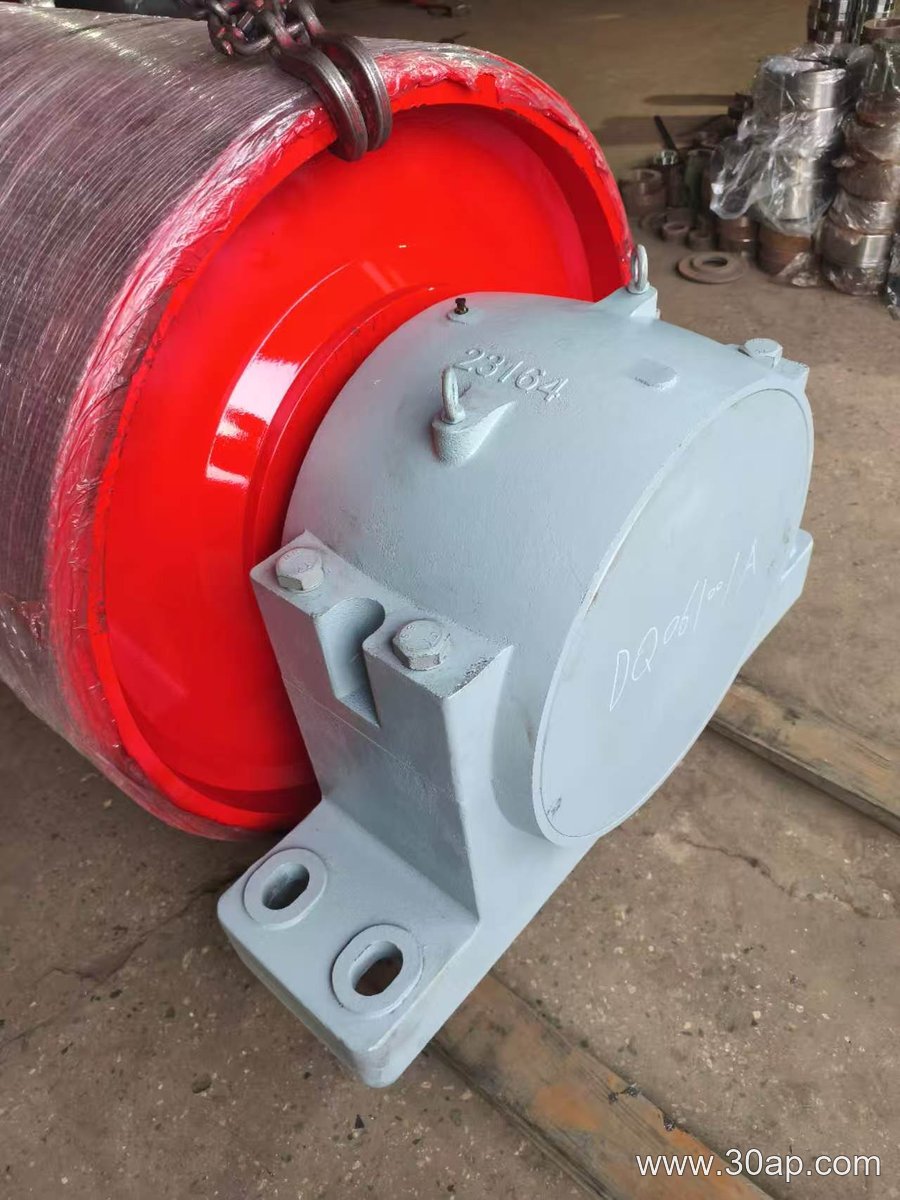
Diameter choices include Ø200, Ø250, Ø315, Ø320, Ø400, Ø500, Ø630, Ø800, Ø1000, Ø1250, Ø1400, Ø1600, and Ø1800 mm. Larger diameters reduce belt bending stress but take more space. Smaller diameters suit compact transfer points. A common combination is B1200 × Ø1000 for a main drive, or B800 × Ø500 for a tail pulley in a smaller aggregate line.
Where These Pulleys Are Used
You will find them in limestone mines, iron ore concentrators, copper mines, coal washing plants, power plant coal handling, port bulk terminals, steel sintering lines, and tunnel muck removal. In a concrete batching plant, a small bend pulley may guide the belt under a hopper. In a fertilizer or grain silo, a light-duty tail pulley keeps the belt centered. The working environment dictates the lagging, bearing type, and sealing.
What a Buyer Should Know
- Confirm the pulley role: drive, tail, bend, tension, or snub. Each has different torque and load demands.
- Provide belt width, belt speed, and operating tension. Do not assume one belt width fixes one diameter.
- Specify lagging type and thickness if the belt runs wet, dusty, or oily.
- Check shaft diameter against the actual torque, not just the belt width.
- Ask about balancing grade and bearing life for high-speed conveyors.
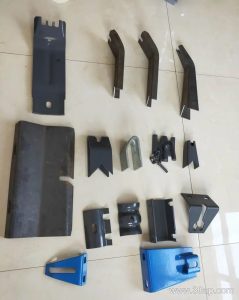
- Verify face width and mounting dimensions with the conveyor bracket.
When ordering, share the application—such as a coal mine overland conveyor or a cement plant clinker line—so the supplier can recommend a suitable pulley. Keep spare idler rollers and pulleys consistent with the original design to avoid tracking problems.