Why the Conveyor Bracket Deserves Your Specification Review
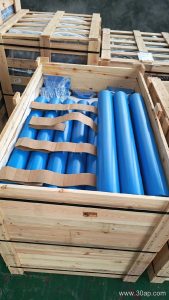
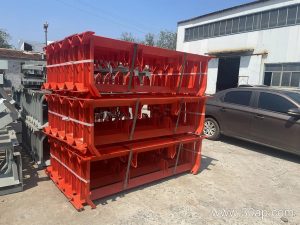
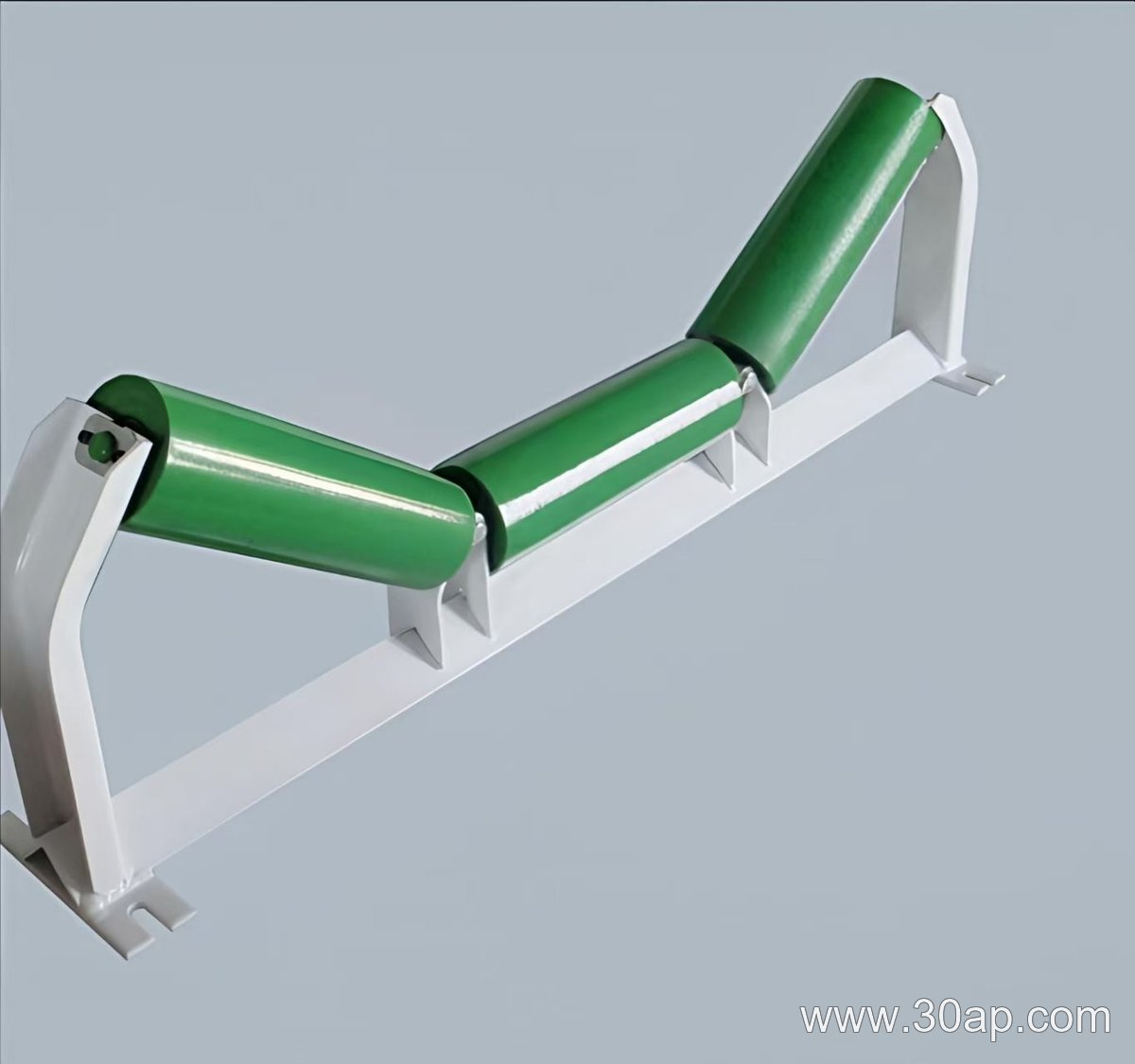
The conveyor bracket is the uncelebrated structural link that aligns rollers, absorbs vibration, and prevents frame sag under continuous load. A poorly chosen bracket causes belt misalignment, premature bearing wear, and costly downtime.
Key Selection Criteria for Conveyor Brackets
First, match the bracket’s material to your environment: mild steel for dry indoor use, galvanized or stainless for washdown and corrosive zones, and polymer for lightweight or food-grade lines. Second, verify slot geometry and bolt-hole pitch against your existing frame—universal slotted brackets ease installation, while fixed-angle brackets improve rigidity on high-speed conveyors.
Load, Angle, and Adjustability
Check static and dynamic load ratings per bracket, not per set. For troughing or return idlers, confirm the trough angle (20°, 35°, or 45°) matches your belt contour. Adjustable brackets allow belt tracking fine-tuning, saving maintenance hours. Always order spare brackets with the same powder coating or plating to avoid galvanic corrosion.
Purchasing Advice
- Request a deflection test report for the bracket’s max rated load.
- Choose brackets with welded or stamped reinforcement ribs for heavy-duty applications.
- Confirm thread type (metric or imperial) before mass ordering.
- Ask for a sample bracket to test fitment on your actual conveyor frame.
- Compare total cost including fasteners and washers—not just unit price.
Investing in the correct conveyor bracket reduces vibration, extends idler life, and keeps your line moving—an inexpensive component with outsized operational impact.
Choosing a Conveyor Belt That Matches Your Material Flow
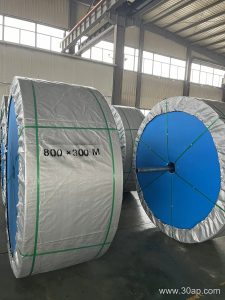
A conveyor belt is not a generic accessory—it is the load-bearing artery of your production line. Selecting the wrong belt leads to premature wear, product damage, and costly stoppages. Start by mapping your material’s weight, temperature, and abrasiveness.
Core Selection Factors
- Belt carcass: Choose polyester/nylon for general use; steel cord for high-tension or long hauls.
- Cover compound: Rubber for impact and cut resistance; PVC or PU for food contact and easy cleaning.
- Surface profile: Smooth for inclined gentle handling; chevron or cleated for steep angles up to 30 degrees.
Purchasing & Maintenance Advice
Always request a splice kit and installer training—field splicing quality affects belt life more than the belt itself. Buy from a supplier that offers vulcanized endless options for low-noise, high-speed lines. Verify that the belt’s rated working tension exceeds your motor’s peak torque by a 1.5 safety factor.
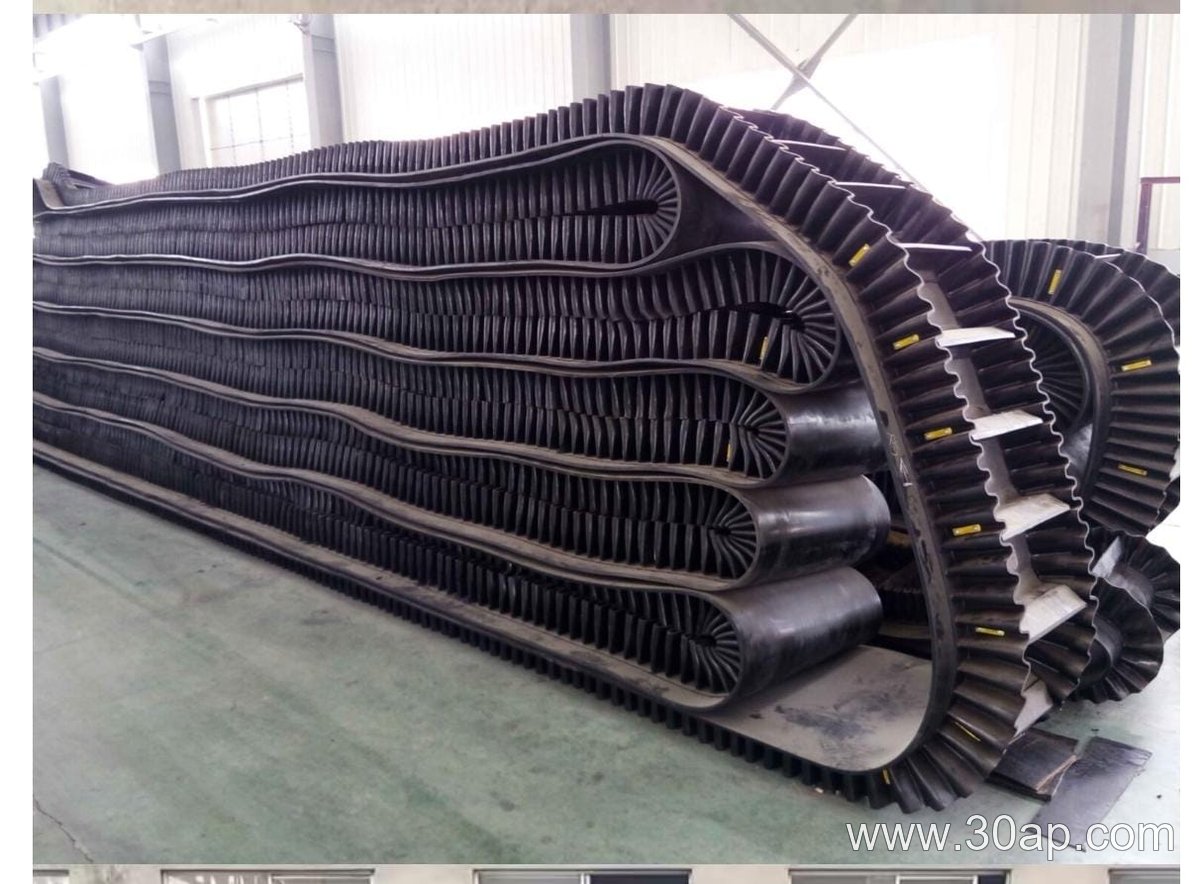
Finally, schedule weekly tracking checks and use a belt scale to monitor elongation. A proactive purchase includes spare rolls and a fast-on-site repair service. For dusty or explosive environments, specify anti-static or flame-retardant belts to comply with ATEX or MSHA norms.
What Is an Idler Roller and Why It Matters
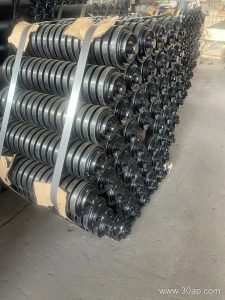
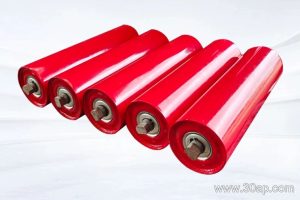
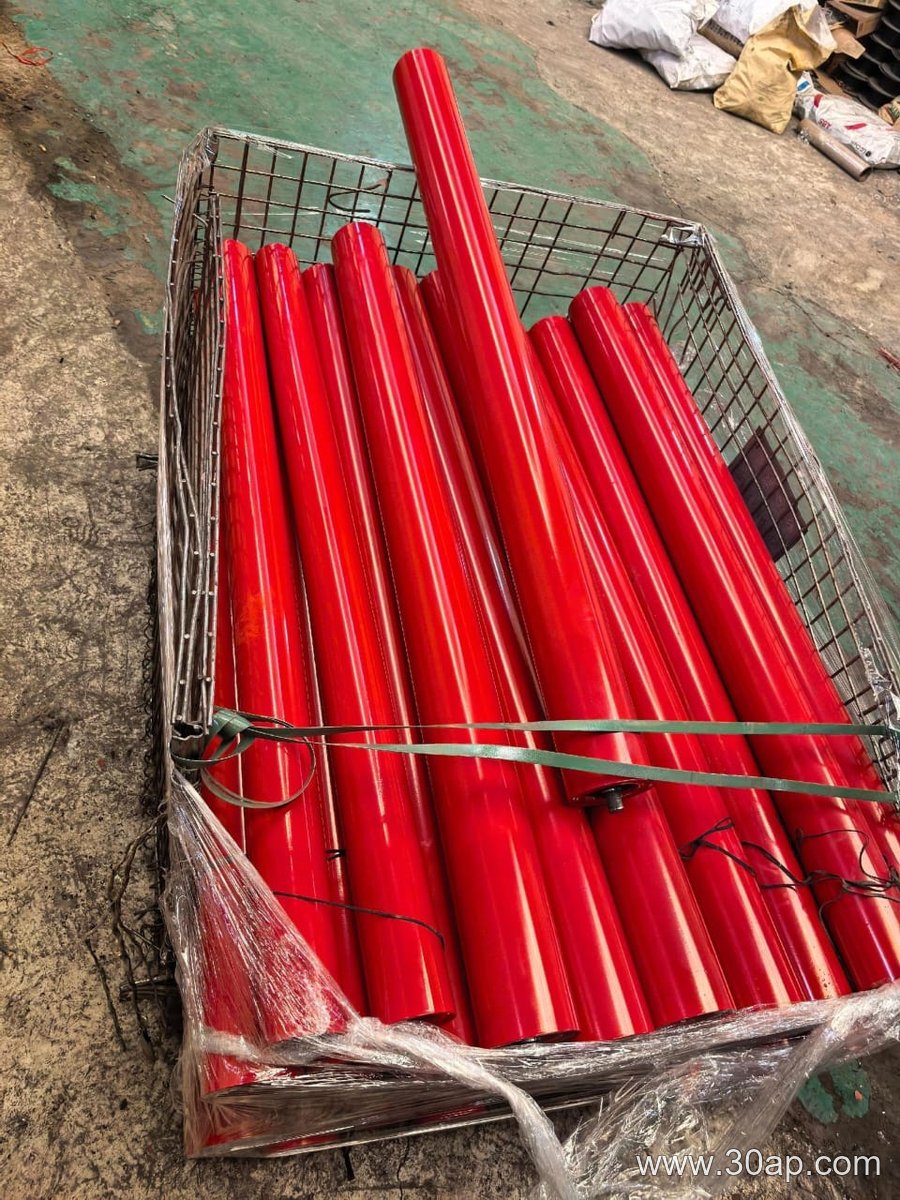
An idler roller is a non-powered cylindrical component that supports and guides conveyor belts, reducing friction and preventing sagging. Its performance directly impacts belt life, energy consumption, and material handling reliability.
Core Selection Criteria
- Load rating: Match the roller’s dynamic capacity to your maximum belt load plus safety margin.
- Diameter and length: Standard sizes suit most systems, but custom widths are essential for belt edge alignment.
- Material: Steel for heavy loads, HDPE for corrosive or food-grade environments, and rubber-coated for high-grip or noise reduction.
- Sealing: Choose labyrinth or contact seals based on dust, moisture, or washdown exposure.
Purchasing and Maintenance Advice
Always verify the roller’s runout tolerance (typically ≤0.5 mm) and bearing type (ball, roller, or tapered). For long-term value, request a sample and test under real operational speed. Inspect idler rollers quarterly for wear, misalignment, and lubricant leakage. Replace worn rollers promptly to avoid belt damage and unplanned downtime.
Why the Conveyor Pulley Dictates System Reliability
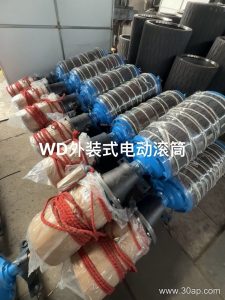
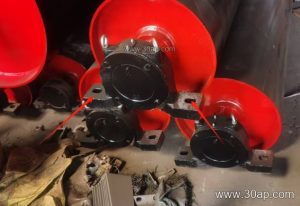
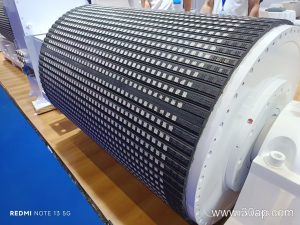
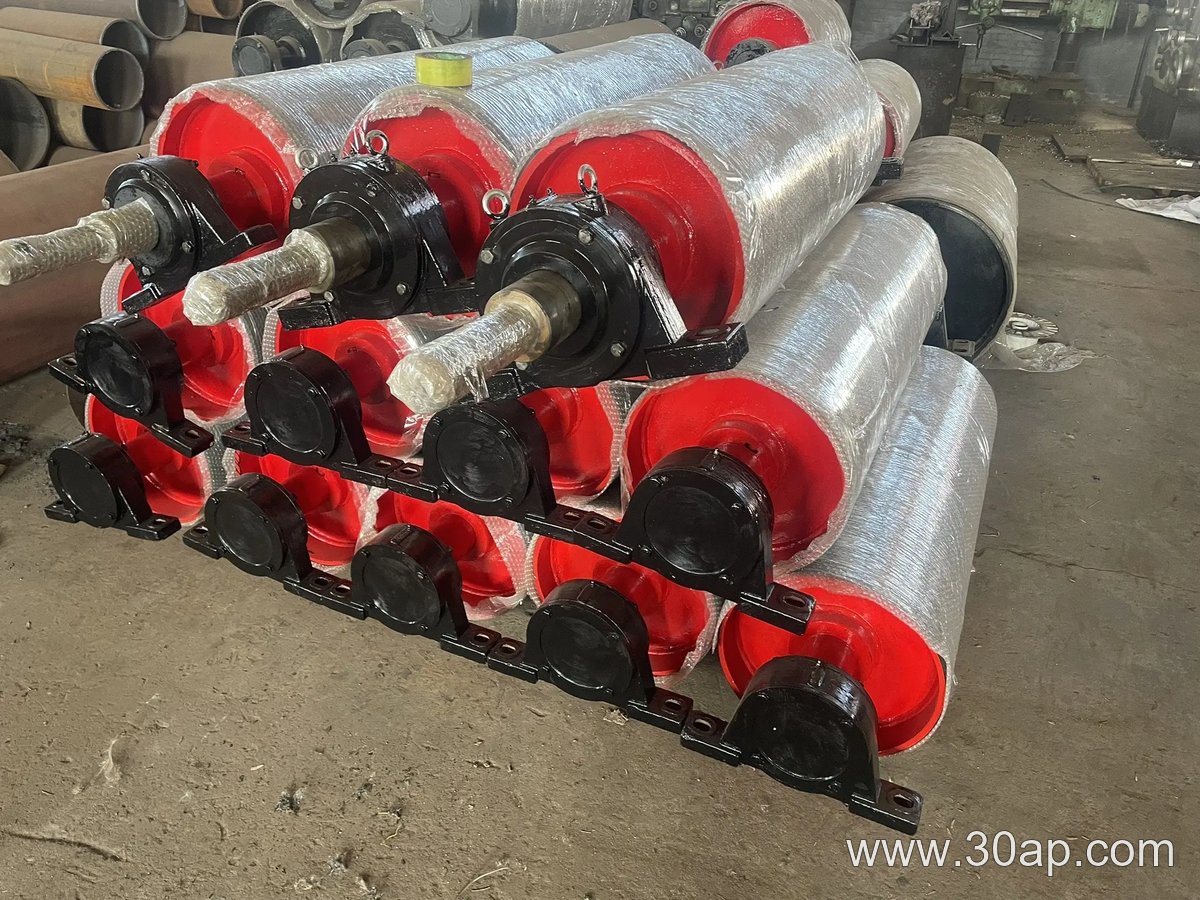
The conveyor pulley is the mechanical heart of any belt conveyor, transferring drive torque and maintaining belt tension. Choosing the wrong pulley leads to belt slippage, misalignment, and premature component failure.
Key Types and Their Applications
- Drum pulleys: Ideal for heavy-duty head and tail positions, offering maximum surface contact for drive traction.
- Wing pulleys: Self-cleaning design, best for wet or sticky materials to prevent material buildup.
- Lagging options: Rubber or ceramic lagging improves friction and reduces wear on drive pulleys.
Purchasing and Selection Advice
- Calculate required shaft diameter based on belt tension and bearing load.
- Verify crown profile for proper belt tracking—lagged pulleys may require special crown geometry.
- Specify material: steel for standard use, stainless for corrosive environments.
- Check hub and bushing systems for ease of maintenance and interchangeability.
Always request dimensional drawings and dynamic balancing reports from suppliers to ensure the conveyor pulley matches your frame and speed. A quality pulley reduces downtime and total cost of ownership.