What a Conveyor Bracket Assembly Does
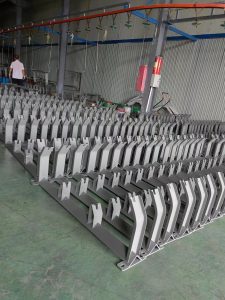
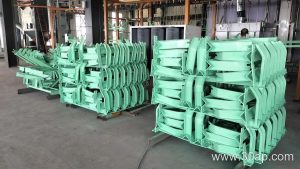
A conveyor bracket assembly is the structural interface that holds idler rollers in position along a conveyor system. It connects the rollers to the conveyor frame, maintains the correct trough angle, and keeps the conveyor belt running smoothly under load. In many conveyor setups, this assembly is also called a roller bracket or idler support bracket, depending on the region and manufacturer. The name changes, but the job stays the same: support the rollers, guide the belt, and absorb the forces that come from moving bulk material.
How the Assembly Is Built
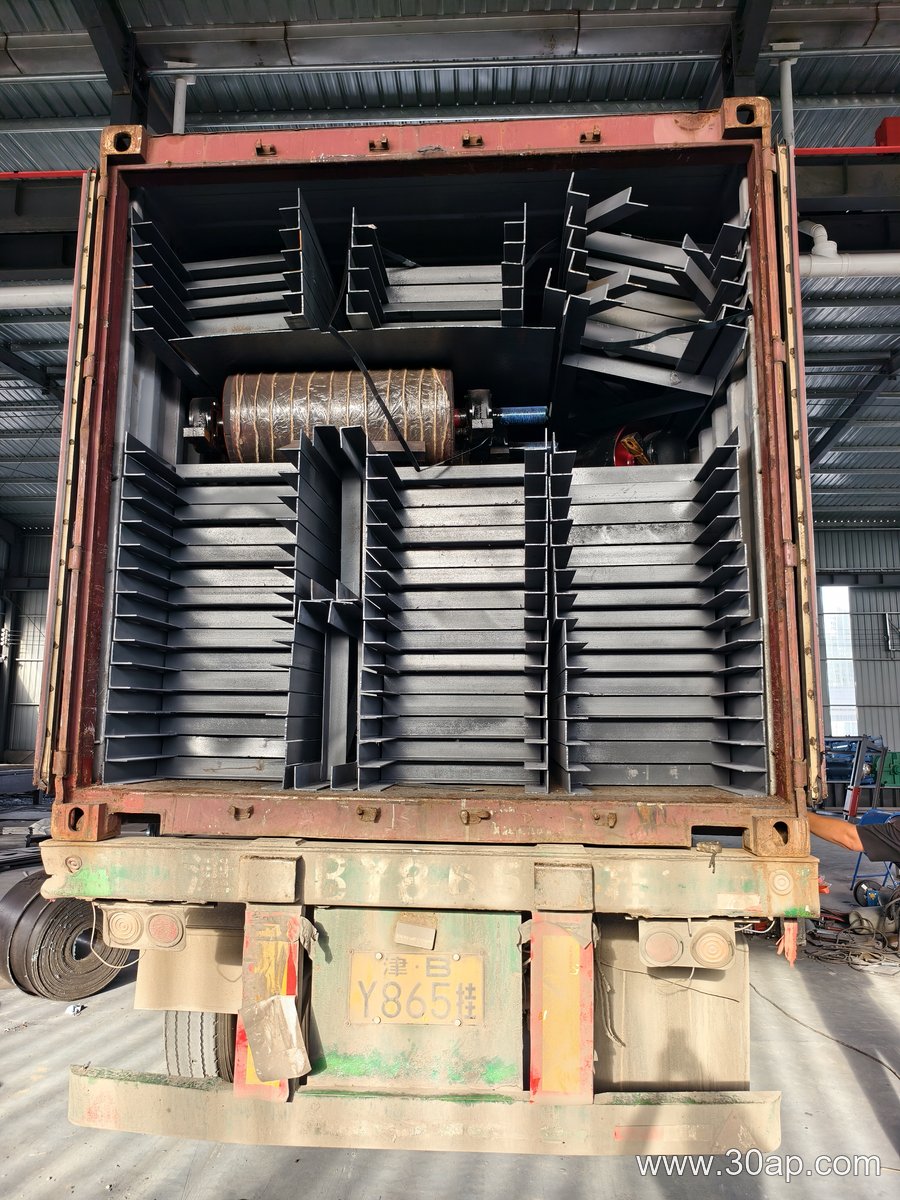
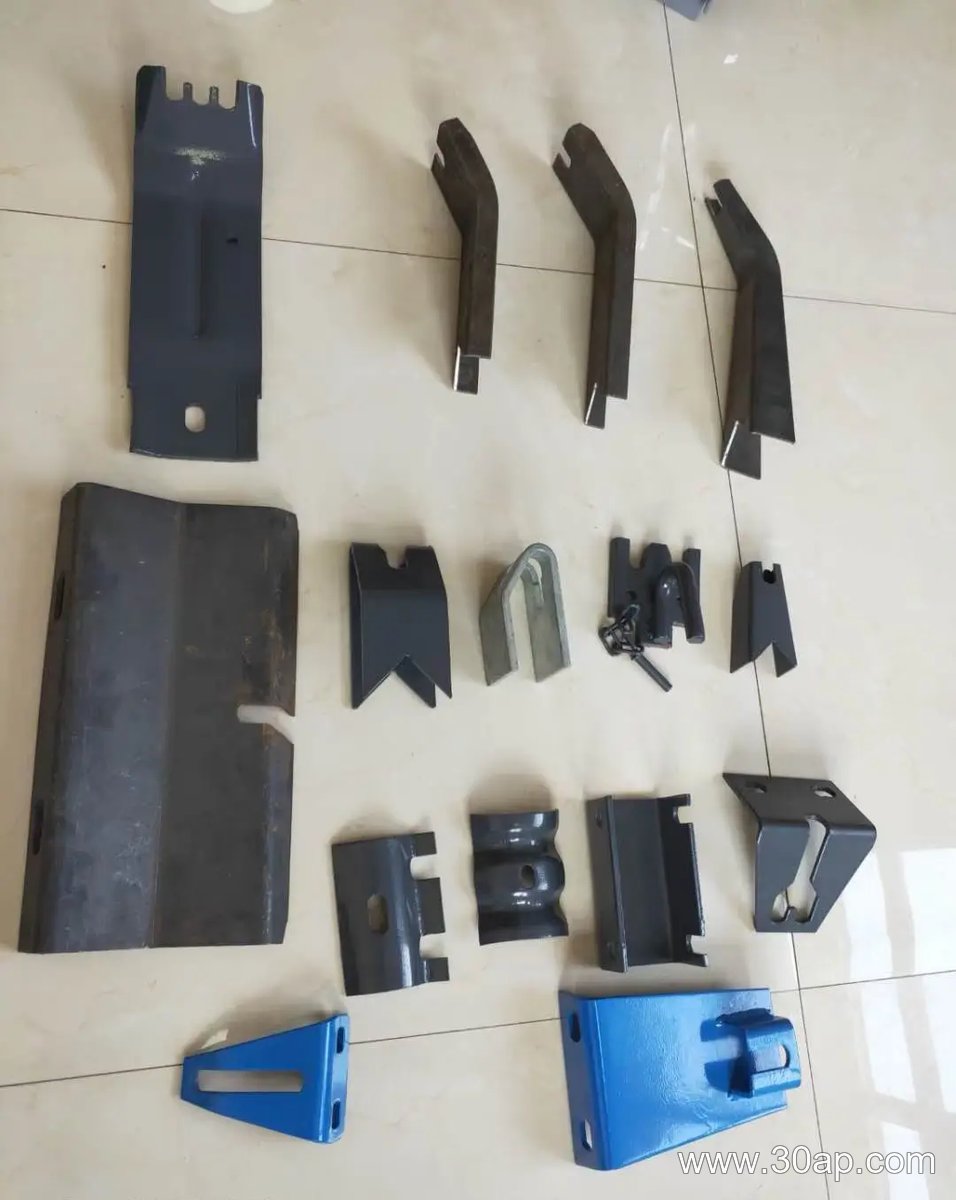
Most bracket assemblies are fabricated from angle steel, channel steel, or bent steel plate. The choice of material depends on the load, the environment, and the required service life. A typical troughing bracket assembly includes mounting slots or holes that allow the roller to sit at a specific trough angle. Common trough angles include 20, 30, 35, and 45 degrees. Adjustable brackets can be set to different angles within that range, which helps when a conveyor handles several material types or when the belt needs fine tuning after installation.
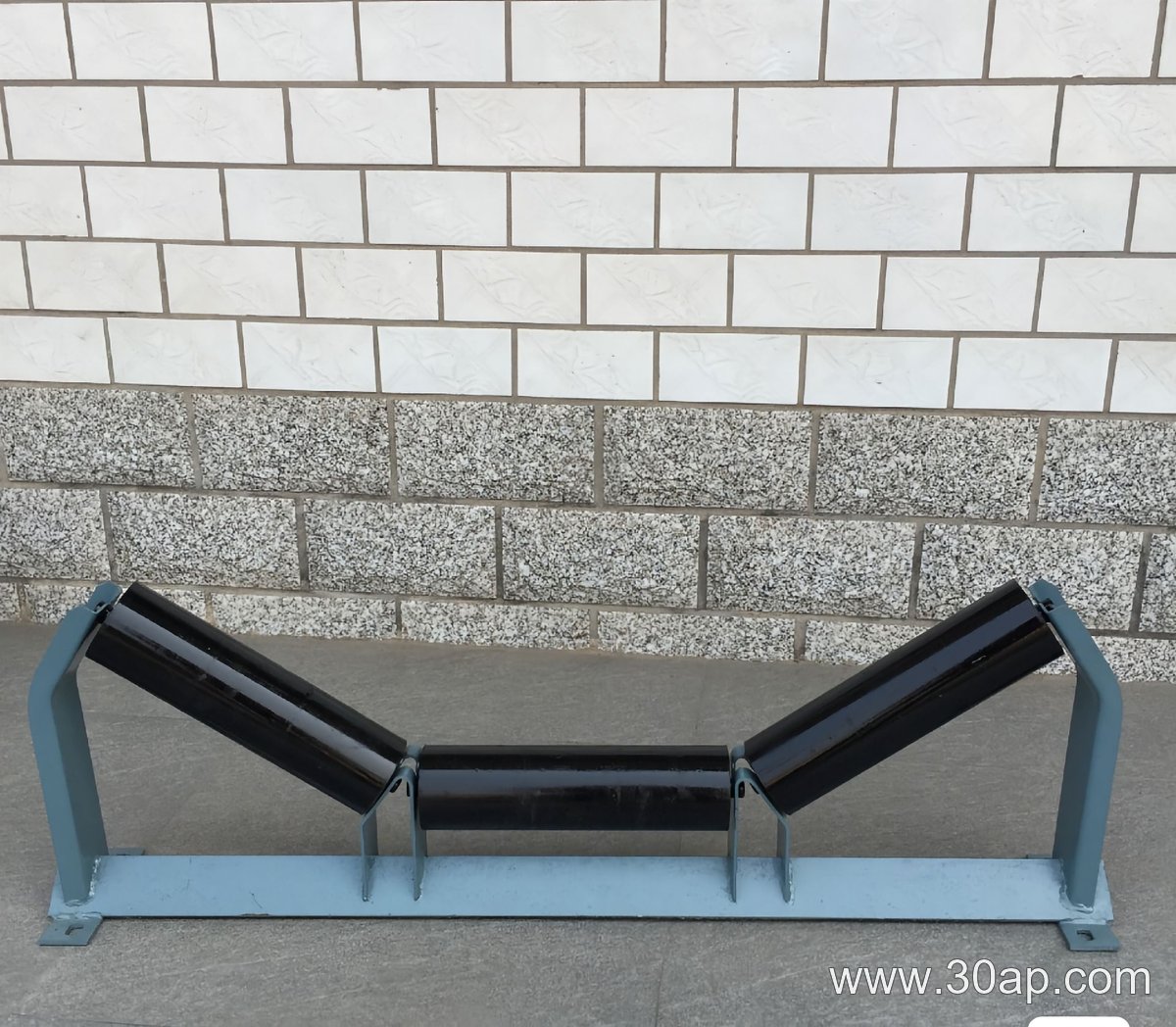
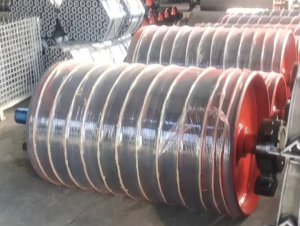
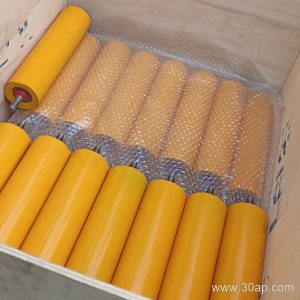
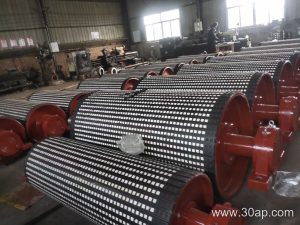
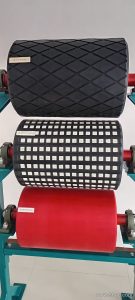
The assembly is not a standalone product. It works together with the conveyor pulley, the conveyor belt, and the idler roller. A drive pulley, a tail pulley, and a bend pulley each have their own mounting needs and are not interchangeable. The bracket assembly, by contrast, is focused on supporting the carrying and return sides of the belt. That is why buyers often order brackets in sets that match the roller diameter and belt width.
Where These Assemblies Are Used
You will find conveyor bracket assemblies in quarry operations, limestone mines, and sand and gravel lines. They also appear in cement plants and coal handling systems at power stations. The working conditions vary widely. In a crushing and screening circuit, for example, the brackets must handle impact and dust. In a grain silo or fertilizer plant, the same assembly may need a different surface finish to resist corrosion. The structure of the bracket does not change much, but the material and coating often do.
Matching Brackets to Belt and Roller
Belt width and roller diameter are two important reference points. A system using a B800 belt with a 35 degree trough angle may run with Ø108 rollers, while a wider B1200 belt at 45 degrees might use Ø133 rollers. These are common combinations, not fixed rules. The mounting hole spacing and crossbeam length change with belt width and trough angle, so a bracket that fits one conveyor may not fit another. Never assume that a given belt width can only match one pulley diameter. The design should always be confirmed against the actual conveyor layout.
Fixed vs Adjustable and Other Variants
Fixed brackets hold the roller at a set angle. Adjustable brackets allow the angle to be changed on site. For comparison, a return bracket supports the belt on the return side and usually has a different shape from a troughing bracket. A V-shaped return bracket is one example of a return-side variant. An impact bracket is used under a loading point to cushion falling material. A self-aligning bracket helps correct belt tracking. Each type serves a specific purpose, and the main subject here remains the conveyor bracket assembly that supports the carrying rollers.
What Buyers Should Check
- Confirm the belt width, such as B650, B1000, or B1400, and the required trough angle.
- Check the roller diameter, for example Ø89, Ø133, or Ø159, and make sure the bracket seat matches.
- Ask about the material and finish if the conveyor runs outdoors or in a wet environment.
- Verify the mounting hole pattern against the existing frame before ordering.
- Consider whether a fixed or adjustable assembly suits the maintenance plan.
A well-chosen bracket assembly reduces belt misalignment and extends roller life. It does not need to be complicated, but it does need to fit the conveyor it serves.