What a Conveyor Bracket Does on the Line
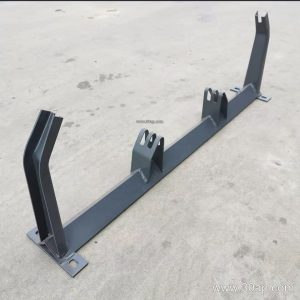
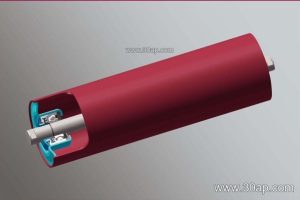
A conveyor bracket is the structural interface between the idler roller and the conveyor frame. It holds each roller at the correct height, angle, and spacing so the conveyor belt keeps its trough shape and tracks smoothly under load. In a quarry, a cement plant, or a power plant coal yard, these brackets are the parts that quietly carry every tonne of material the belt moves. A poorly matched bracket shows up quickly as belt misalignment, edge wear, or spillage, so the component deserves more attention than it often gets.
The bracket is not a single universal part. It is a family of support assemblies, and each variant matches a specific position on the conveyor: carrying side, return side, transition zone, or loading point. Choosing the right one starts with understanding where it sits and what it must do.
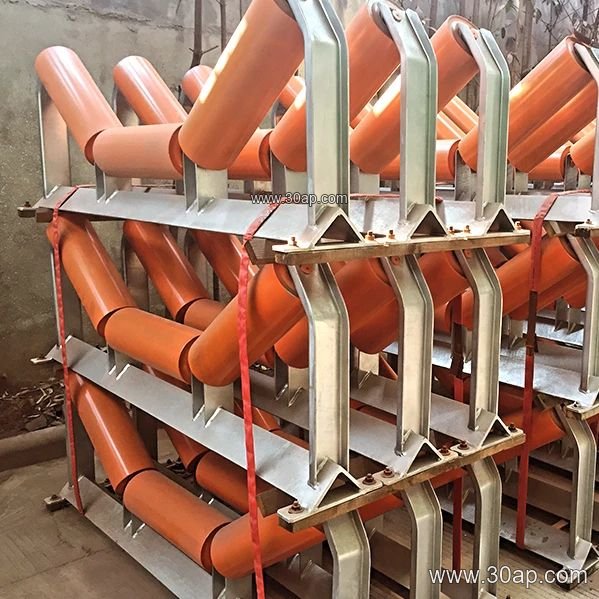
How the Bracket Is Built
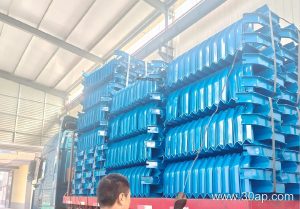
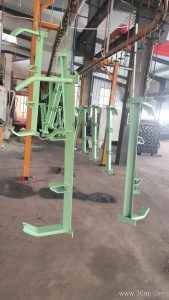
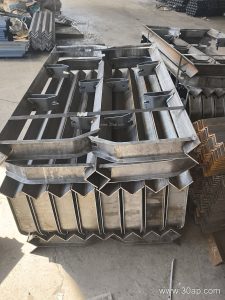
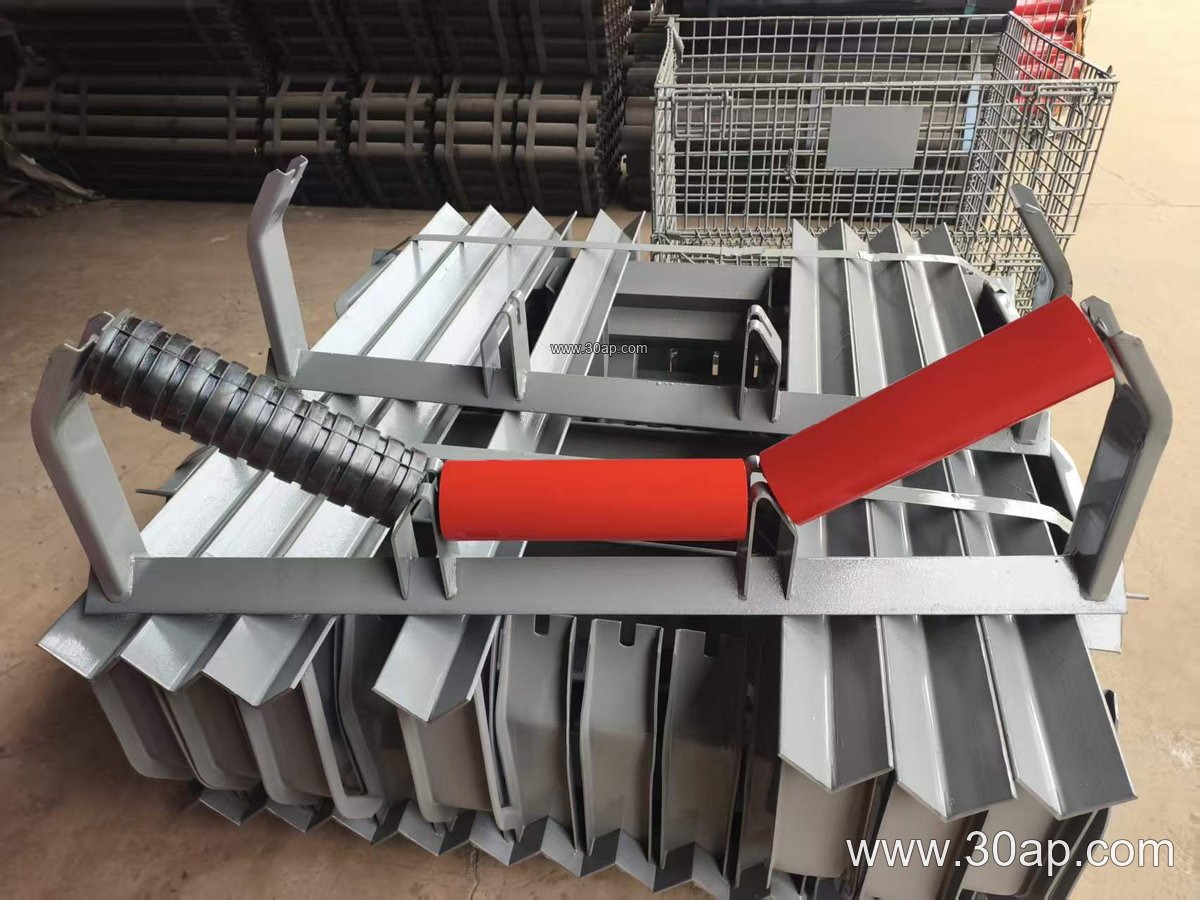
Most brackets are fabricated from angle steel, channel steel, or folded steel plate, then drilled or punched for mounting. A typical carrying-side bracket consists of a crossbeam and two or three inclined roller seats that set the trough angle. Return brackets are simpler, often a flat or V-shaped cradle that supports the belt on its clean side. The fabrication should be square, with consistent hole spacing, because a twisted bracket pushes the roller out of alignment and shortens belt life.
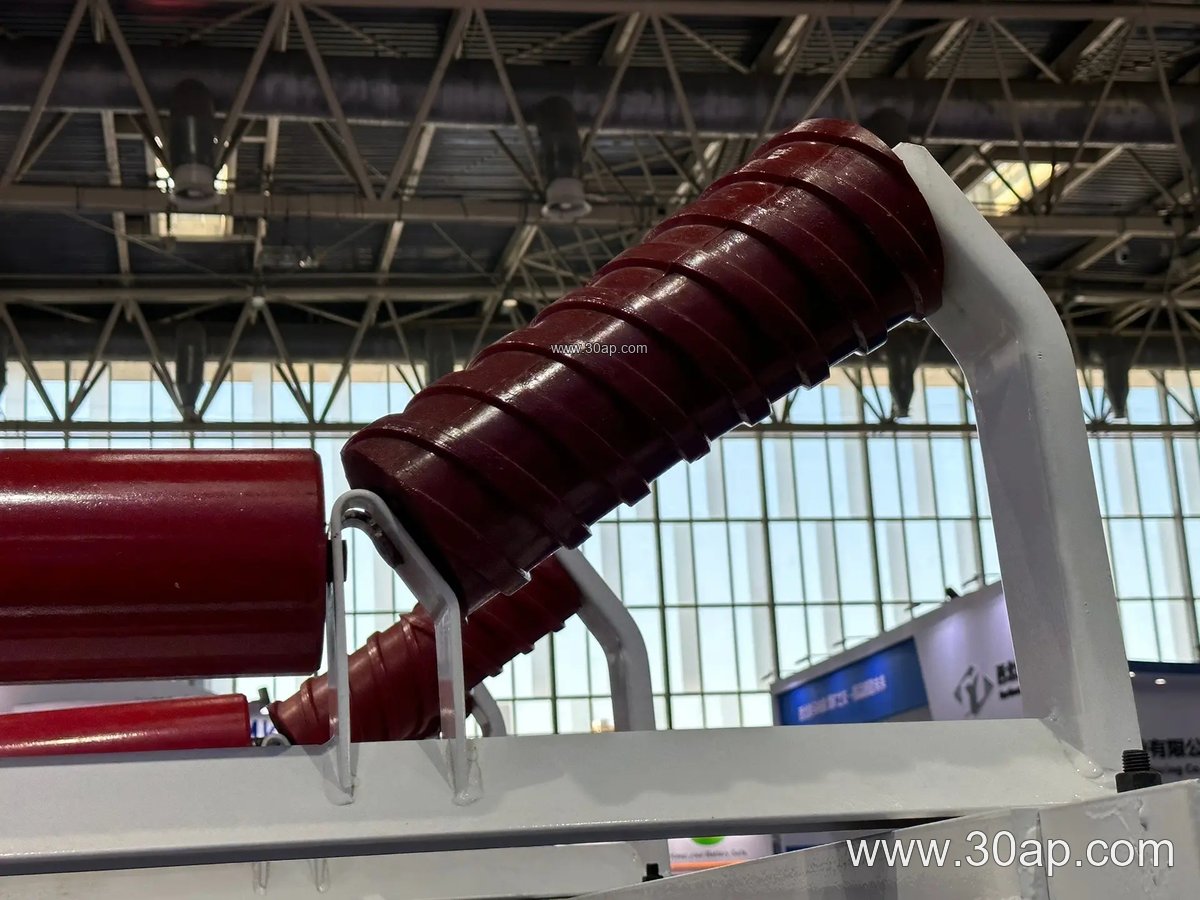
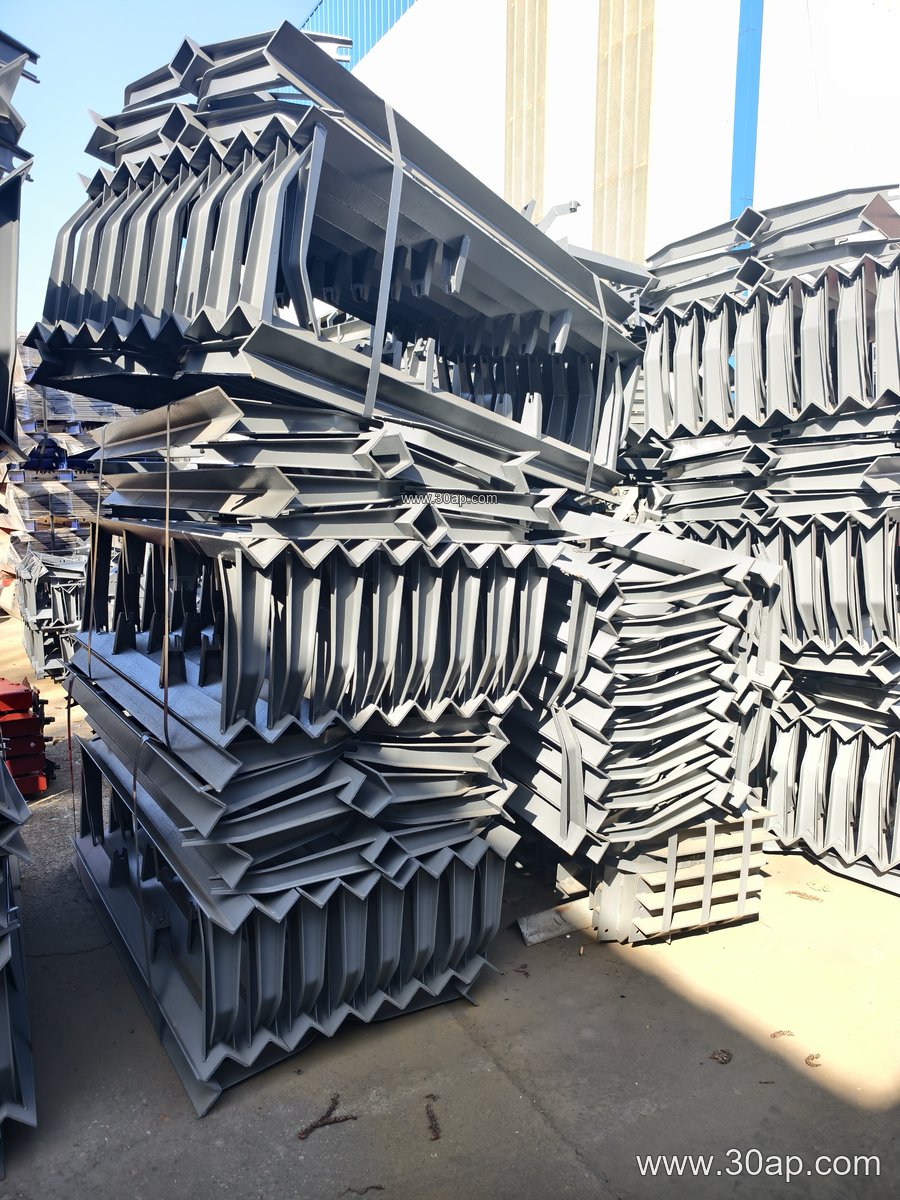
Surface treatment matters in dusty or wet conditions. Painted or galvanized finishes are common in aggregate plants and ports, while heavier coatings are used where washdown or corrosive dust is present. Buyers should confirm the steel thickness and welding quality rather than relying on a nominal description alone.
Common Bracket Types and Where They Fit
- Trough bracket (upper carrying) – supports two or three rollers at 20°, 30°, 35°, or 45° to form the belt trough.
- Transition bracket – placed near pulleys to ease the belt from flat to troughed profile gradually.
- Return bracket / V-return bracket – supports the empty belt run; the V form helps center the belt.
- Impact bracket – fitted under loading points and paired with impact rollers to absorb falling material energy.
- Self-aligning bracket – uses forward-tilted or pivoting rollers, often about 1.5° to 2°, to correct minor belt drift.
- Adjustable bracket – allows the trough angle to be changed on site within a range such as 20° to 45°.
- Suspended bracket – hangs from the frame structure, useful where space or access is limited.
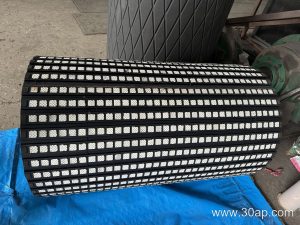
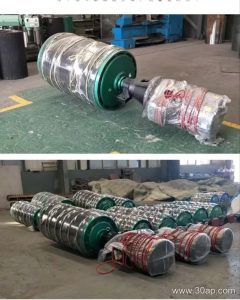
Note that drive, tail, and bend pulleys are separate components with their own support arrangements; they are not interchangeable with roller brackets and should be specified independently.
Matching Bracket, Belt Width, and Roller Diameter
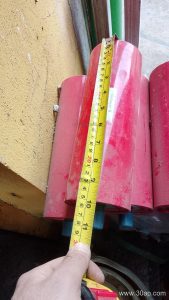
Bracket size follows belt width and roller diameter. Common belt widths run from B500 through B2000 and beyond, and common roller diameters include Ø89, Ø108, Ø133, Ø159, and Ø194. These are reference ranges, not fixed pairings: a B800 belt may be built with different trough angles and roller diameters depending on load, speed, and material. Installation hole spacing and crossbeam length are determined by the design, so always confirm them against the actual frame drawing.
The table below shows how specifications are usually described. Treat the values as examples of format, not as mandatory combinations.
| Parameter | Typical Options | Notes |
|---|---|---|
| Belt width | B500, B650, B800, B1000, B1200, B1400, B1600, B1800, B2000 | Match to frame and roller length |
| Trough angle | 20°, 30°, 35°, 45° | Adjustable types cover a range |
| Roller diameter | Ø89, Ø108, Ø133, Ø159, Ø194 | Selected by load and belt speed |
| Material | Angle steel, channel steel, folded plate | Thickness per design |
| Forward tilt | About 1.5° to 2° | Used on self-aligning brackets |
Where These Brackets Are Used
In a limestone quarry or a sand and gravel line, trough brackets carry abrasive stone on wide belts, often paired with an abrasion resistant conveyor belt. In a coal handling system at a power plant, flame retardant and anti-static properties of the belt matter, and the brackets must tolerate fine coal dust. In cement plants, heat resistant conveyor belt sections near clinker coolers need brackets that hold alignment despite thermal expansion of the frame. In a fertilizer or grain silo facility, corrosion resistance and cleanability become the deciding factors.
The bracket also works together with the conveyor pulley at the head and tail, and with the idler roller set across the carrying run. Getting all three aligned is what keeps a conveyor belt running true.
What Buyers Should Check Before Ordering
- Confirm belt width, trough angle, and roller diameter as a set, not in isolation.
- Ask for a dimension drawing showing hole spacing and crossbeam length.
- State the environment: dust, moisture, heat, or corrosive material.
- Decide between fixed and adjustable brackets based on whether the trough angle may change.
- Check that bracket spacing along the line suits the belt and load, especially at transfer points.
For heavy-duty mining conveyor belt duties, thicker steel and reinforced welds are usually worthwhile. For lighter duties in a recycling or food-grade line, a simpler folded-plate bracket may be sufficient. Either way, the bracket should be treated as an engineered part of the conveyor, matched to the conveyor pulley, roller set, and belt rather than picked from a shelf at random.