What a Conveyor Guide Idler Does on the Line
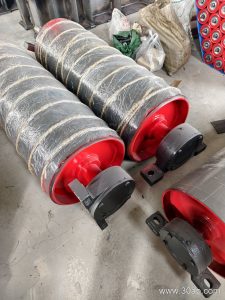
A conveyor guide idler is a specialized roller that keeps the belt tracking correctly, especially on long or curved runs. In a quarry or a power plant coal yard, belt misalignment can spill material, damage edges, and shorten belt life. The guide idler—often a vertical or angled roller mounted at the belt edge—applies gentle corrective force without interfering with the load. It is not a drive pulley, tail pulley, or bend pulley; those handle power transmission and direction changes. The guide idler is purely a tracking aid, working alongside standard carrying idlers and return idlers.
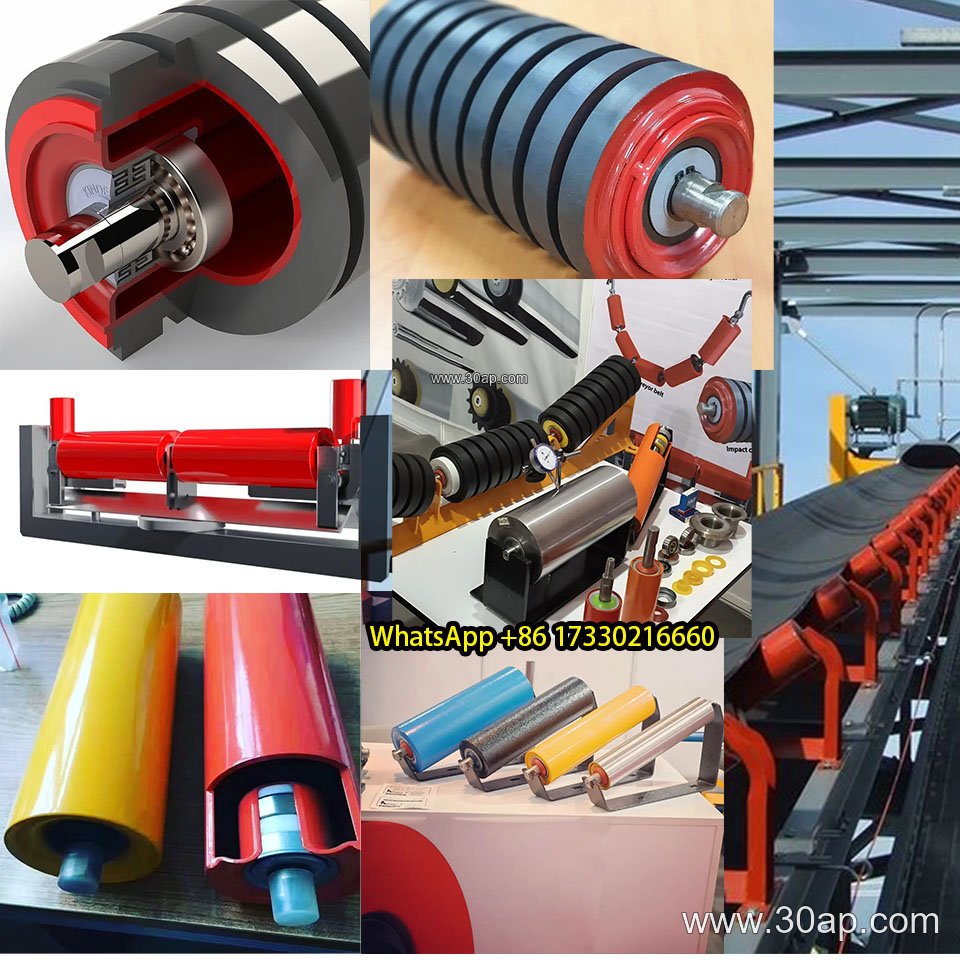
How It Is Built
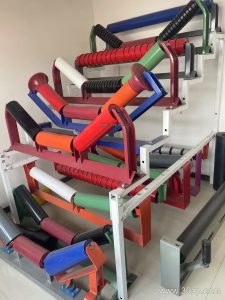
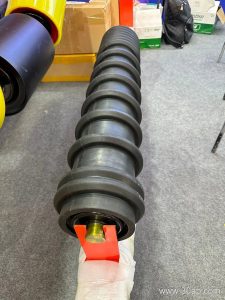
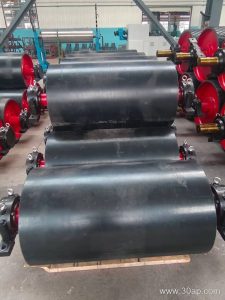
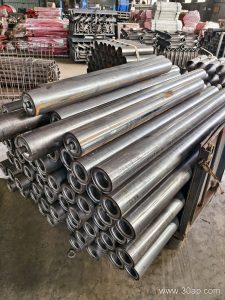
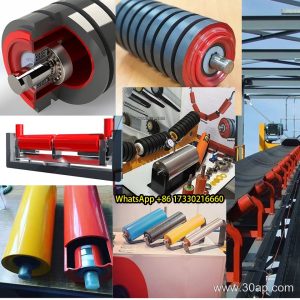
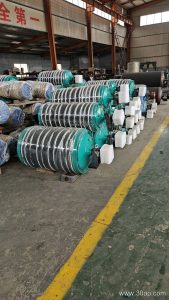
Most guide idlers use a steel tube body with sealed bearings, similar to a standard idler roller. The roller surface may be plain steel, nylon, or rubber-covered for grip. Common bearing sizes include 6204, 6205, 6305, 6306, 6308, and 6310, selected by load and speed rather than a fixed rule. Shaft ends mount into a conveyor bracket that bolts to the conveyor frame. Some designs use a vertical axis so the roller spins against the belt edge; others are angled to guide the belt back to center. The roller diameter is typically smaller than carrying idlers—often Ø63 to Ø133 mm—because it handles side force, not full material weight. Roller length is short, matched to the frame and belt edge clearance.
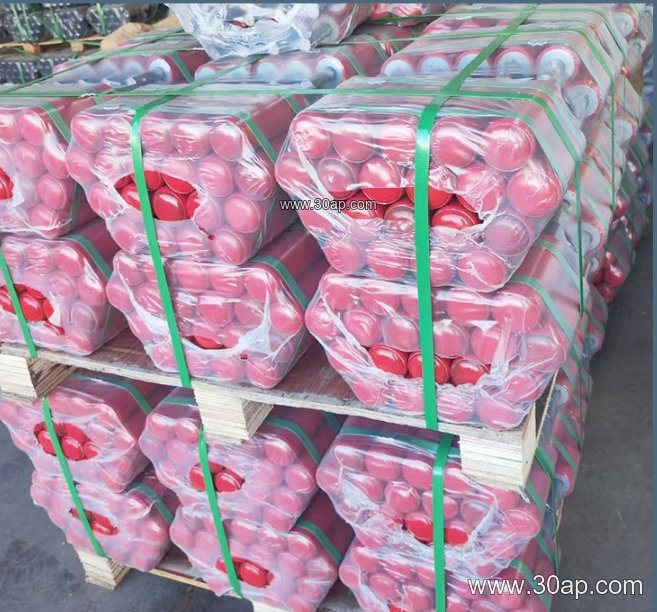
Where Guide Idlers Fit in Bulk Handling
In a limestone quarry, guide idlers are common on the main export conveyor where the belt passes over a bend pulley or a transition zone. In a coal-fired power plant, they appear on the coal conveyor feeding the crusher house, especially where the belt is exposed to wind and uneven loading. They also suit sand and aggregate lines with frequent start-stop cycles. On a pipe conveyor belt or a corrugated sidewall conveyor belt, guide idlers help maintain belt shape at curves. They are less common on short, straight runs where a standard three-roll troughing set already keeps alignment. For heavy-duty mining conveyor belts carrying iron ore or copper ore, a heavier guide idler frame may be needed, but the working principle stays the same.
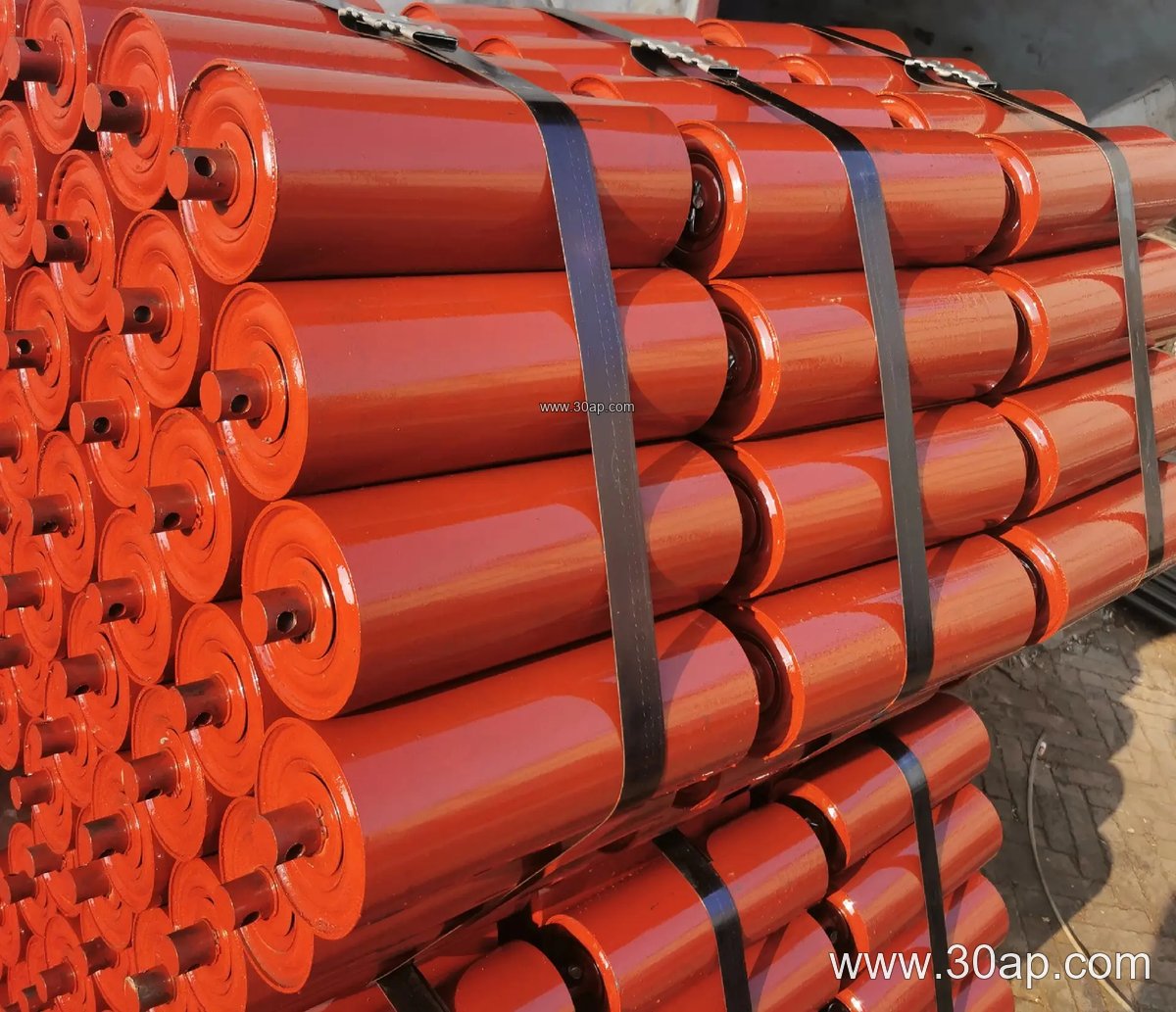
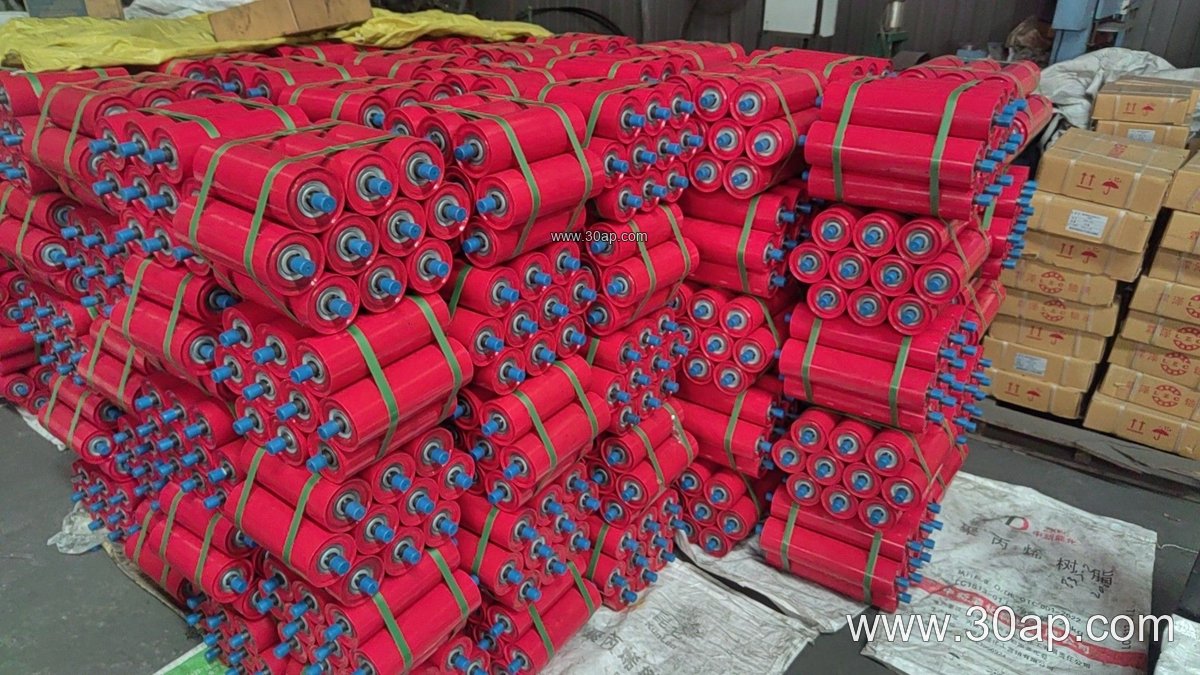
Matching the Guide Idler to the Belt and Frame
Selection starts with belt width and the conveyor bracket dimensions. A guide idler for a 650mm conveyor belt will not fit a 1800mm wide conveyor belt frame, and roller length varies with the bracket design. The table below shows common reference ranges—not fixed rules—for guide idler roller diameter and typical belt width ranges. Actual shaft diameter and bearing choice depend on the load calculation, not on belt width alone.
| Roller Diameter (mm) | Typical Belt Width Range | Common Bearing Options | Frame Note |
|---|---|---|---|
| Ø63–Ø76 | B500–B800 | 6204, 6205 | Light-duty bracket |
| Ø89–Ø108 | B650–B1200 | 6205, 6305, 6306 | Standard quarry frame |
| Ø127–Ø133 | B1000–B1600 | 6306, 6308 | Heavy bracket for power plant |
| Ø159–Ø178 | B1400–B2000 | 6308, 6310 | Mining conveyor frame |
For a rubber conveyor belt or an EP conveyor belt running at high speed, a smooth nylon or steel roller surface reduces edge wear. On a chevron conveyor belt or skirted conveyor belt, the guide idler must clear the raised profiles; check clearance before mounting. A flame retardant conveyor belt in an underground coal mining conveyor system may require a guide idler with non-sparking components, but that is a design choice, not a universal rule.
Buyer Checklist for Guide Idlers
- Confirm belt width and existing conveyor bracket hole spacing.
- State the belt type—steel cord conveyor belt, fabric core conveyor belt, or multi-ply fabric core conveyor belt—because edge stiffness affects guide force.
- Provide the operating environment: dust, moisture, or temperature. A heat resistant conveyor belt area may need a heat-tolerant bearing grease.
- Ask for the roller diameter and bearing number as separate items; do not assume one diameter fits every belt width.
- Check that the guide idler does not replace a bend pulley or tail pulley in the layout drawing.
For a reliable quote, send the conveyor frame drawing and the belt specification. A guide idler is a small part, but correct tracking saves belt edge repair and downtime on any quarry, power plant, or cement plant conveyor.