What a Conveyor Idler Bracket Does
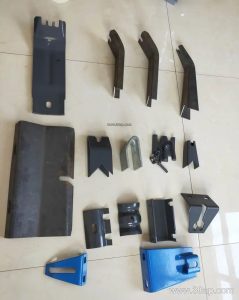
A conveyor idler bracket is the structural component that holds idler rollers in the correct position along a conveyor frame. It bridges the gap between the main frame and the rotating idler roller, maintaining proper belt alignment and trough profile. In quarry, limestone, and aggregate operations, these brackets are often exposed to heavy loads and abrasive dust, so their design directly affects conveyor uptime. Whether you run a 500mm wide belt in a small crushing circuit or a 2000mm wide system at a port, the bracket must match the belt width, trough angle, and roller diameter.
Construction and Materials
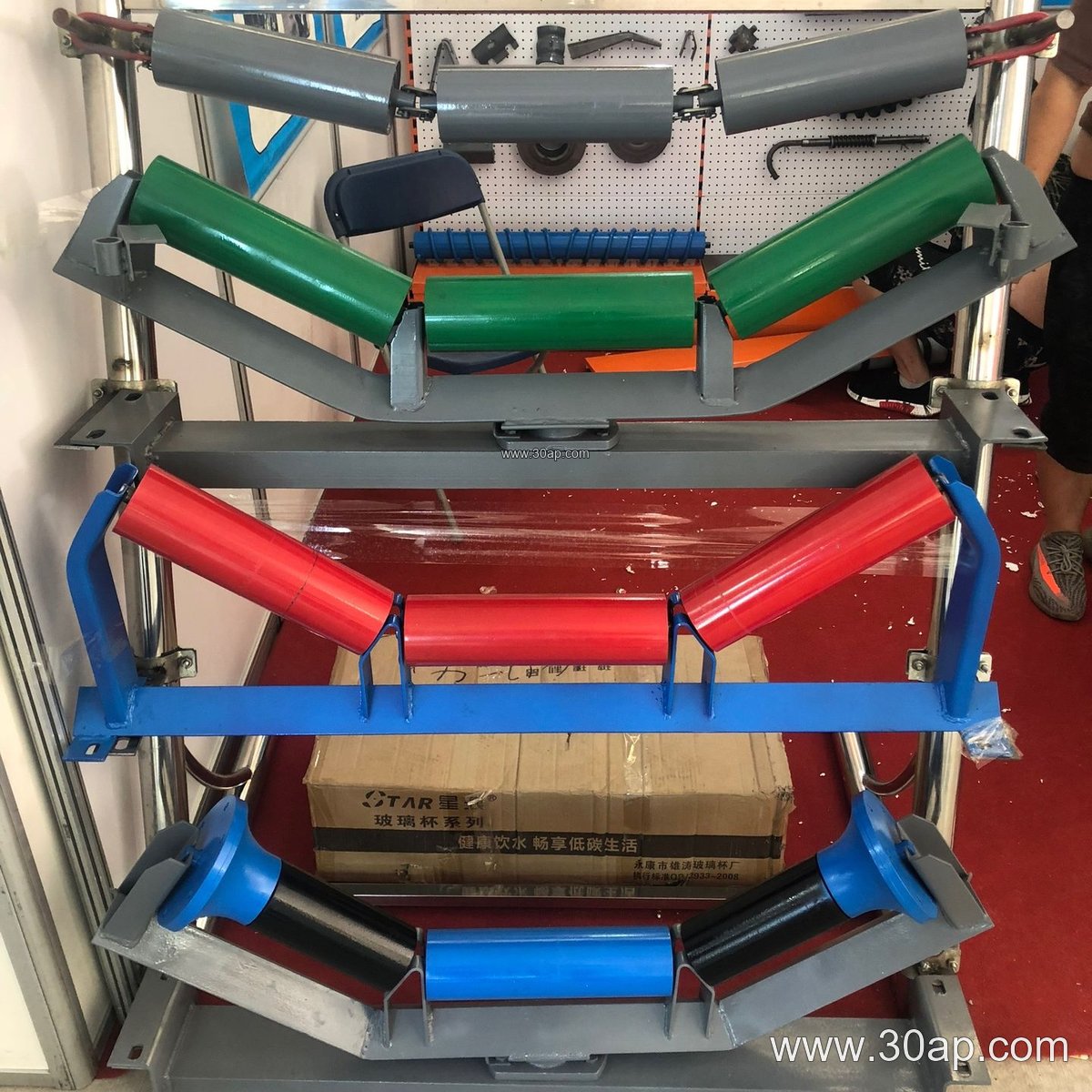
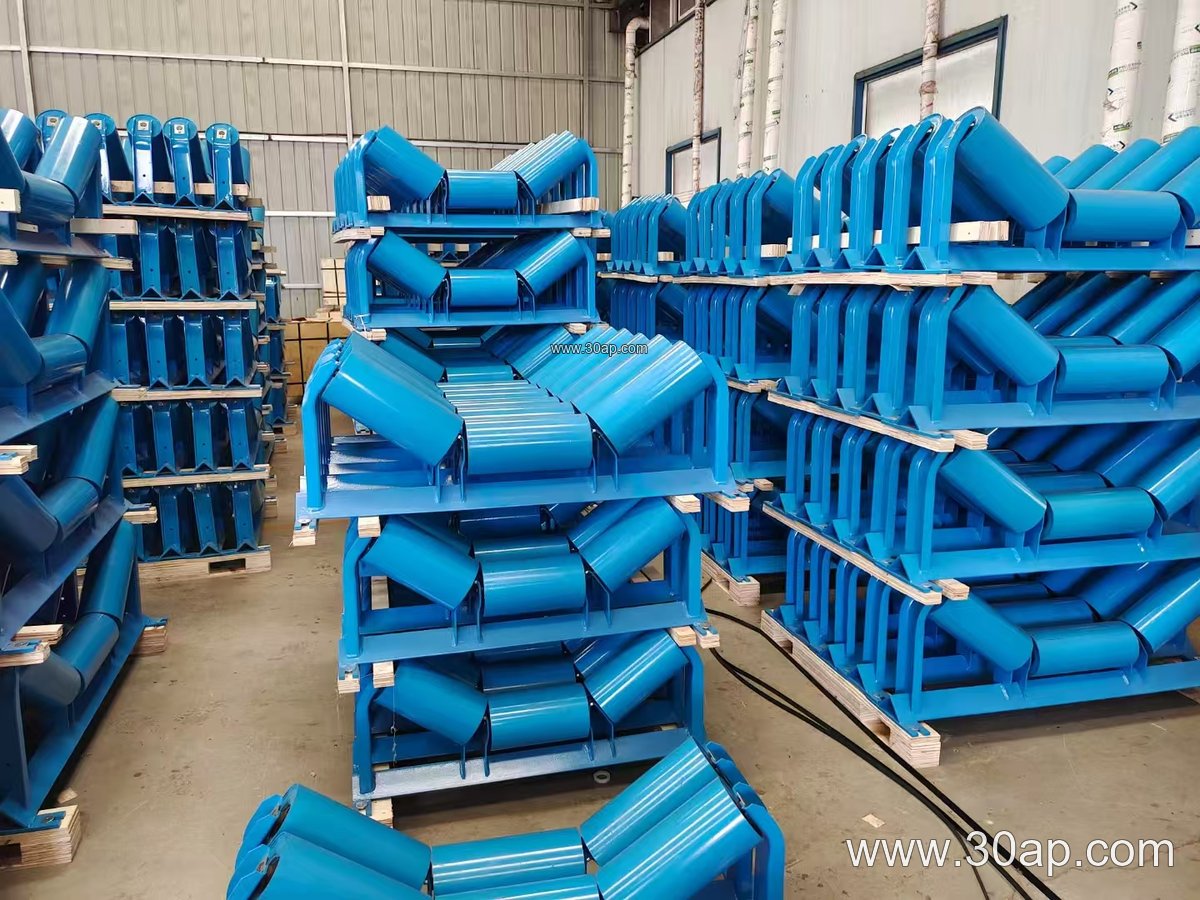
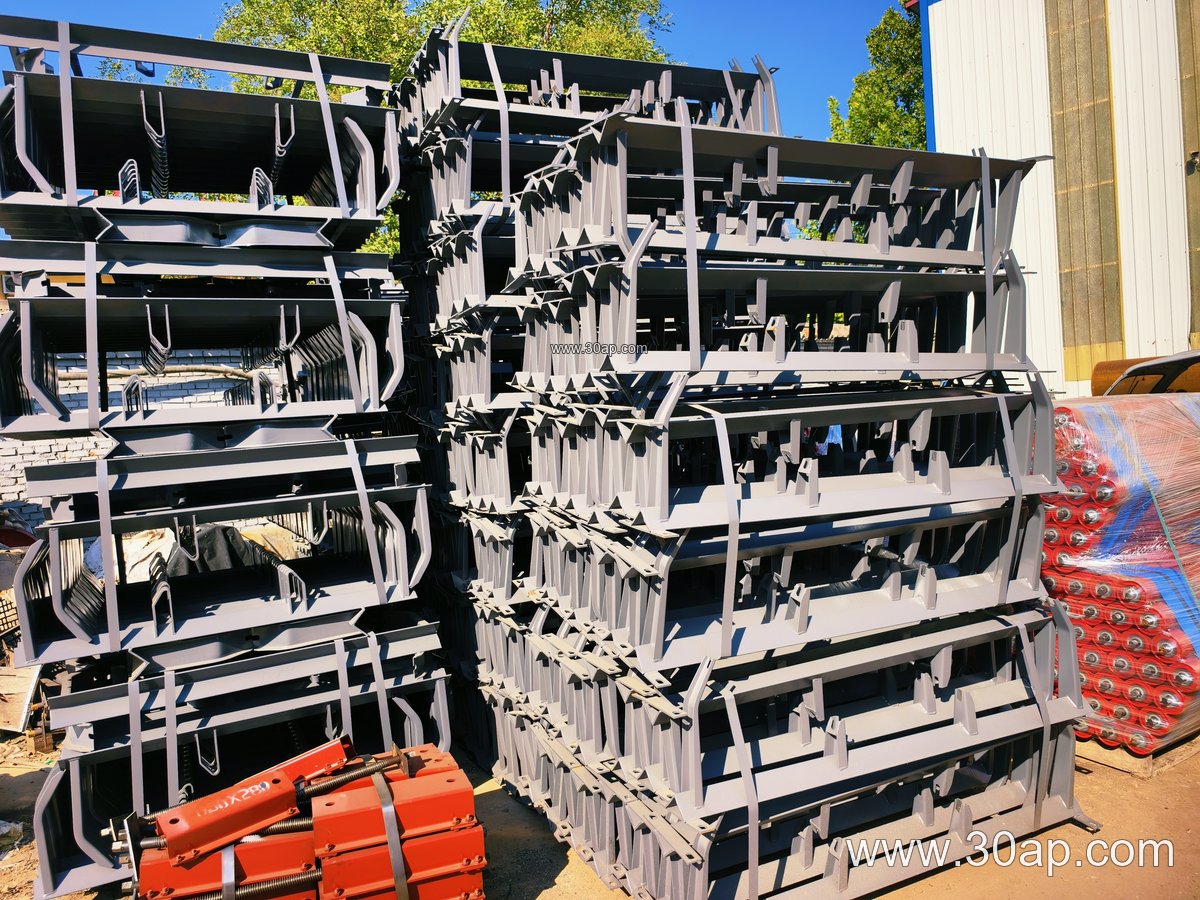
Most conveyor idler brackets are fabricated from angle steel, channel steel, or folded steel plate. The choice depends on load requirements and environmental conditions. For example, a heavy-duty mining conveyor belt carrying iron ore may require thicker channel steel brackets, while a light-duty food grade conveyor belt system might use folded plate for easier cleaning. The bracket typically includes mounting slots or holes that allow adjustment for belt tracking. Some designs feature a fixed trough angle, while adjustable brackets let maintenance teams fine-tune the trough angle between common values such as 20, 30, 35, or 45 degrees. Forward-leaning brackets, often set at about 1.5 to 2 degrees, help with belt centering.
Common Types and Applications
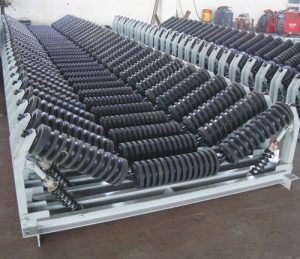
Different positions on a conveyor call for different bracket styles. Troughing brackets support the carrying side of the belt, while return brackets hold the belt on the return run. V-return brackets are common in dusty applications to encourage self-cleaning. Impact brackets, often paired with impact idler rollers, are used at transfer points where material drops onto the belt. Self-aligning brackets help correct belt misalignment on long conveyors. In coal mining conveyor belt systems, flame retardant conveyor belt grades are often used alongside sturdy brackets that resist vibration. In cement plants, heat resistant conveyor belt may be needed near kilns, and the brackets must withstand high temperatures without deformation.
Typical bracket configurations by belt width and roller diameter
| Belt Width | Common Trough Angle | Typical Roller Diameter | Bracket Style |
|---|---|---|---|
| B500 | 20° – 30° | Ø89 | Fixed troughing |
| B650 | 30° – 35° | Ø89 – Ø108 | Adjustable troughing |
| B800 | 30° – 35° | Ø108 – Ø133 | Troughing or impact |
| B1000 | 35° – 45° | Ø108 – Ø159 | Troughing or self-aligning |
| B1200 | 35° – 45° | Ø133 – Ø159 | Heavy-duty troughing |
| B1400 | 35° – 45° | Ø133 – Ø194 | Heavy-duty or V-return |
| B1600 | 35° – 45° | Ø159 – Ø194 | Heavy-duty troughing |
| B1800 | 35° – 45° | Ø159 – Ø194 | Heavy-duty troughing |
| B2000 | 35° – 45° | Ø194 | Heavy-duty troughing |
These values are typical references; actual selection depends on conveyor design, load, and site conditions. Mounting hole spacing and crossbeam length vary with belt width and trough angle, so they are not fixed numbers.
Selection and Maintenance Tips
When choosing a conveyor idler bracket, consider the belt width, roller diameter, and trough angle required for your application. For a 1200mm wide conveyor belt carrying abrasive rock, a 45-degree troughing bracket with Ø133 or Ø159 rollers is common. In a coal mining conveyor belt system, flame retardant conveyor belt and anti-static properties may be required, and brackets should be selected for the same environment. Adjustable brackets are useful where belt tracking needs periodic correction. Regular inspection of brackets for wear, corrosion, or deformation helps prevent belt damage and extends idler roller life. If you need to match brackets with conveyor belt specifications, consult your conveyor component supplier for guidance tailored to your site.
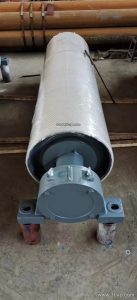
For more information on compatible conveyor components, visit our pages on conveyor idler bracket and conveyor pulley.