What a High-Capacity Conveyor Idler Does on a Demanding Line
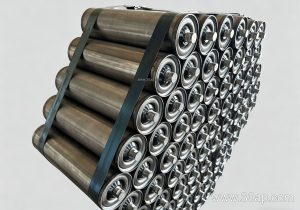
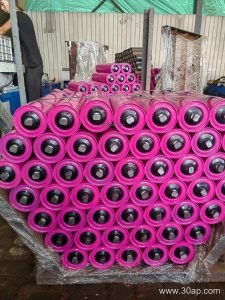
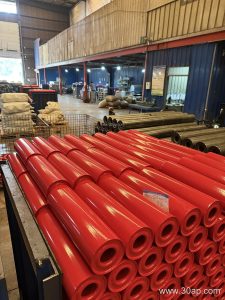
A high-capacity conveyor idler is the load-bearing roller that keeps a fully loaded belt moving smoothly between the tail and head of a conveyor. In a quarry, a cement plant, or a power plant coal yard, the belt may carry hundreds of tonnes per hour, so every roller under the trough has to handle weight, dust, and continuous rotation without bowing or seizing. The high-capacity idler roller is built for exactly this duty: thicker shells, stronger shafts, and bearings chosen for the load rather than for a light package-handling line.
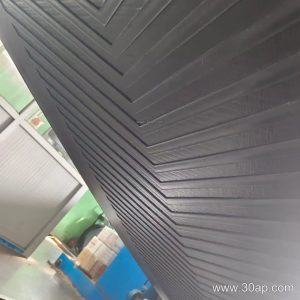
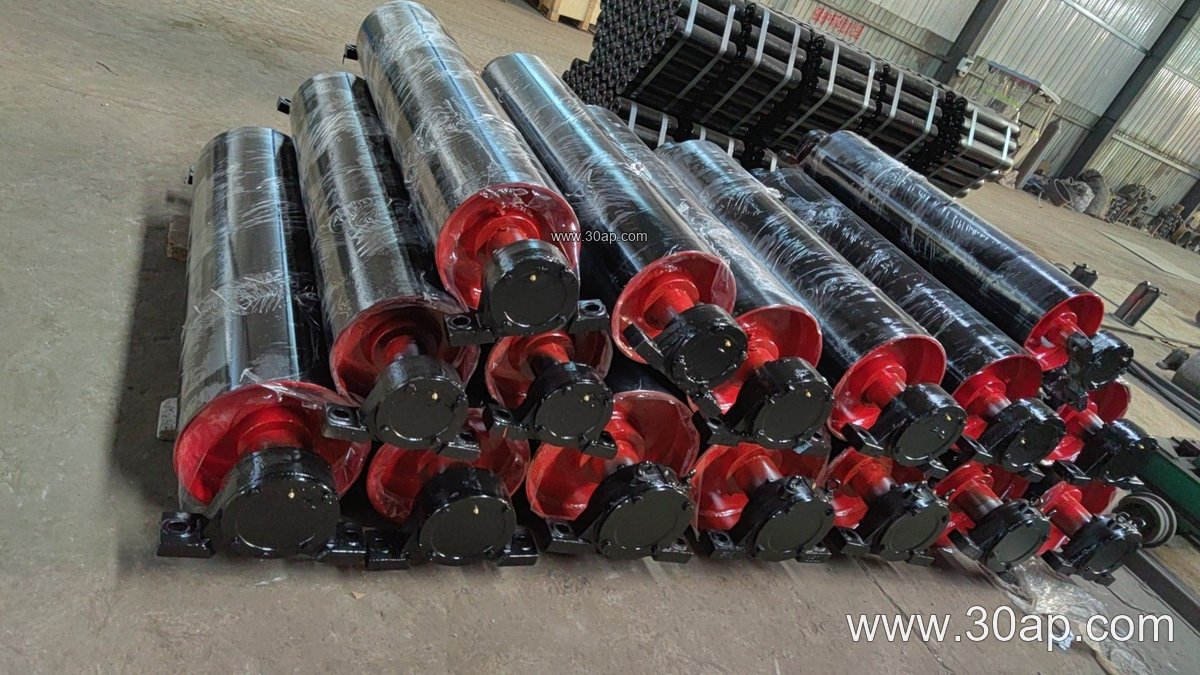
These rollers work together with the conveyor belt, the conveyor pulley at each end, and the conveyor bracket that fixes the frame to the structure. A single weak idler can wear a belt edge or start a tracking problem, so matching the roller to the belt width and the material is the first step in reliable operation.
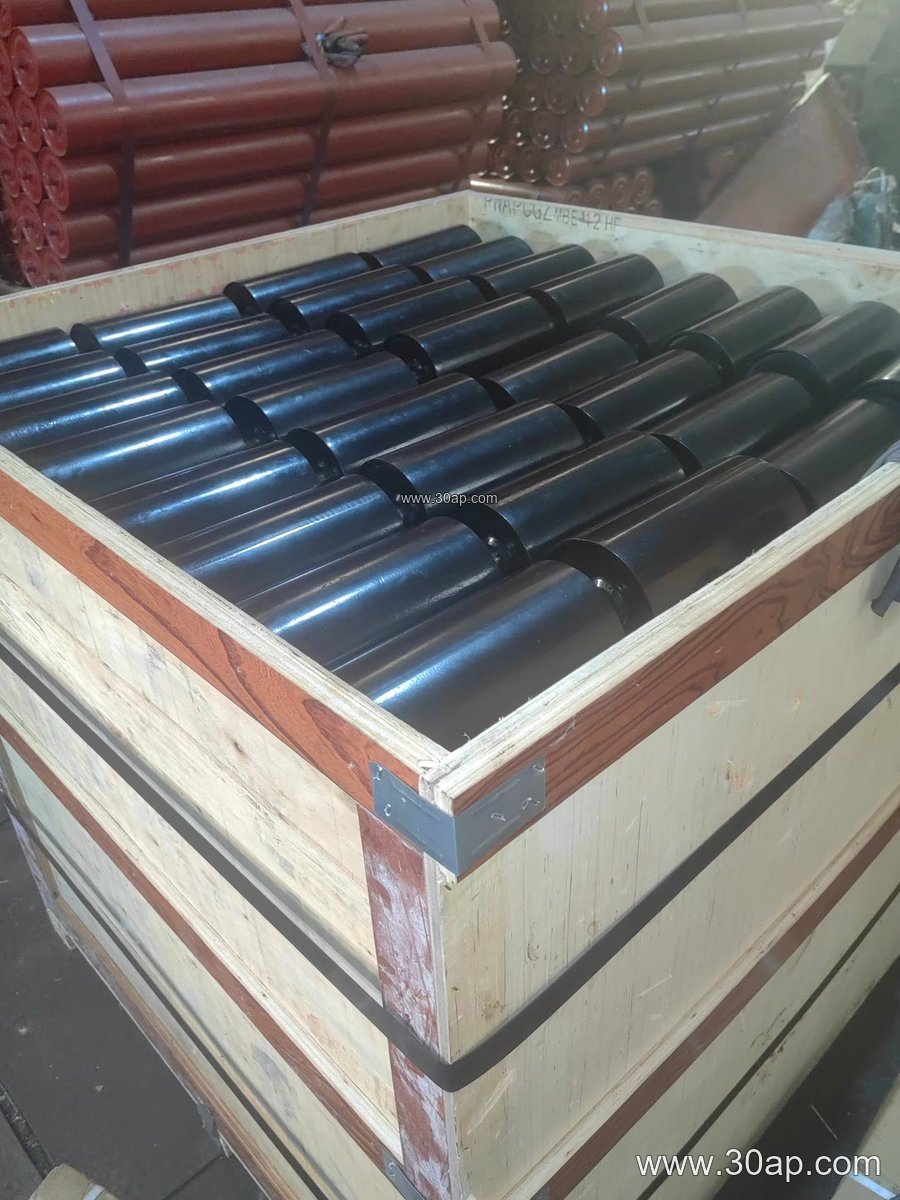
Construction Details That Separate Heavy-Duty Rollers from Standard Ones
The typical high-capacity conveyor idler uses a seamless steel tube shell, machined end caps, and a shaft that runs through sealed bearing housings. Bearing sizes such as 6205, 6306, or 6308 appear in many designs, but the correct bearing for a given roll diameter depends on the calculated load, not on a fixed rule. Larger shaft diameters and reinforced welds help the roller resist bending under a wide, heavily loaded belt.
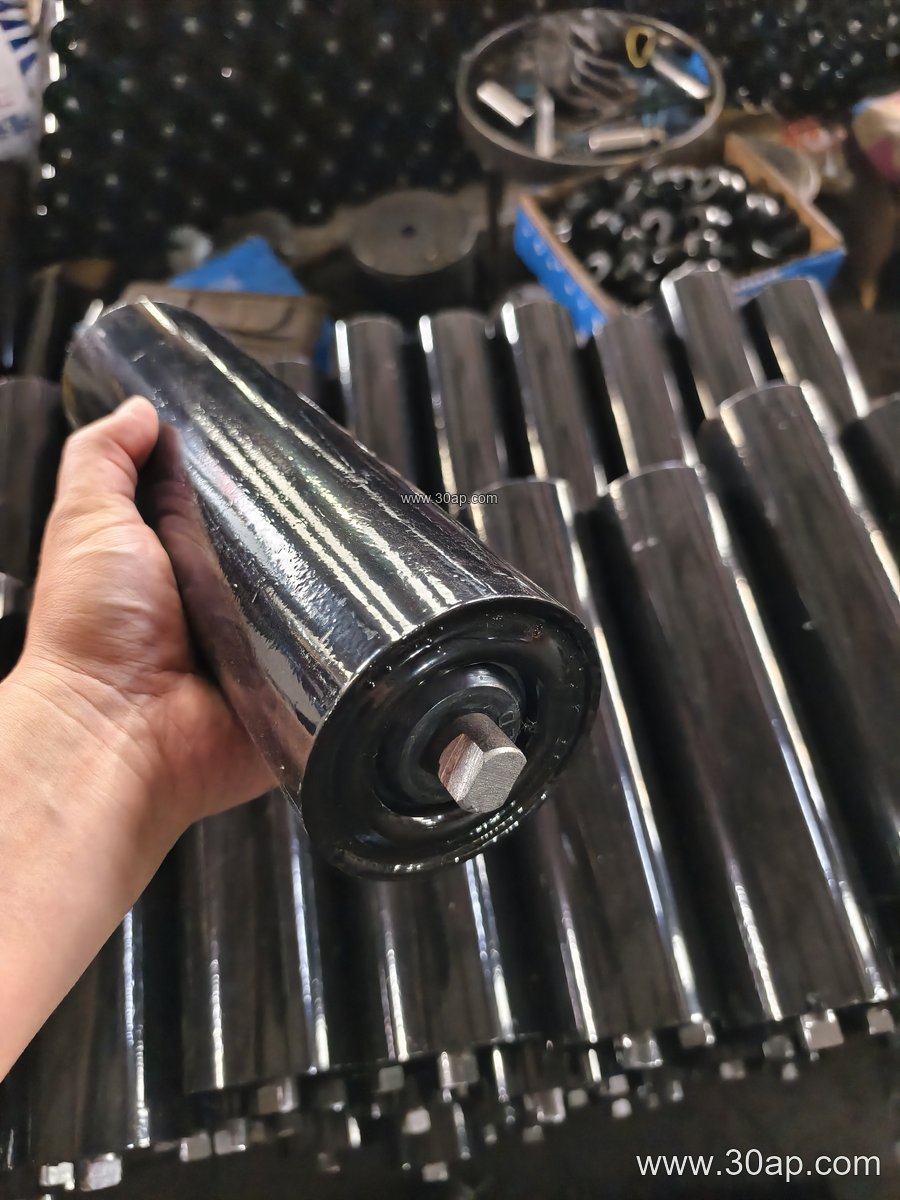
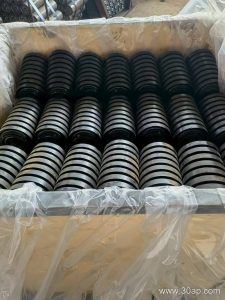
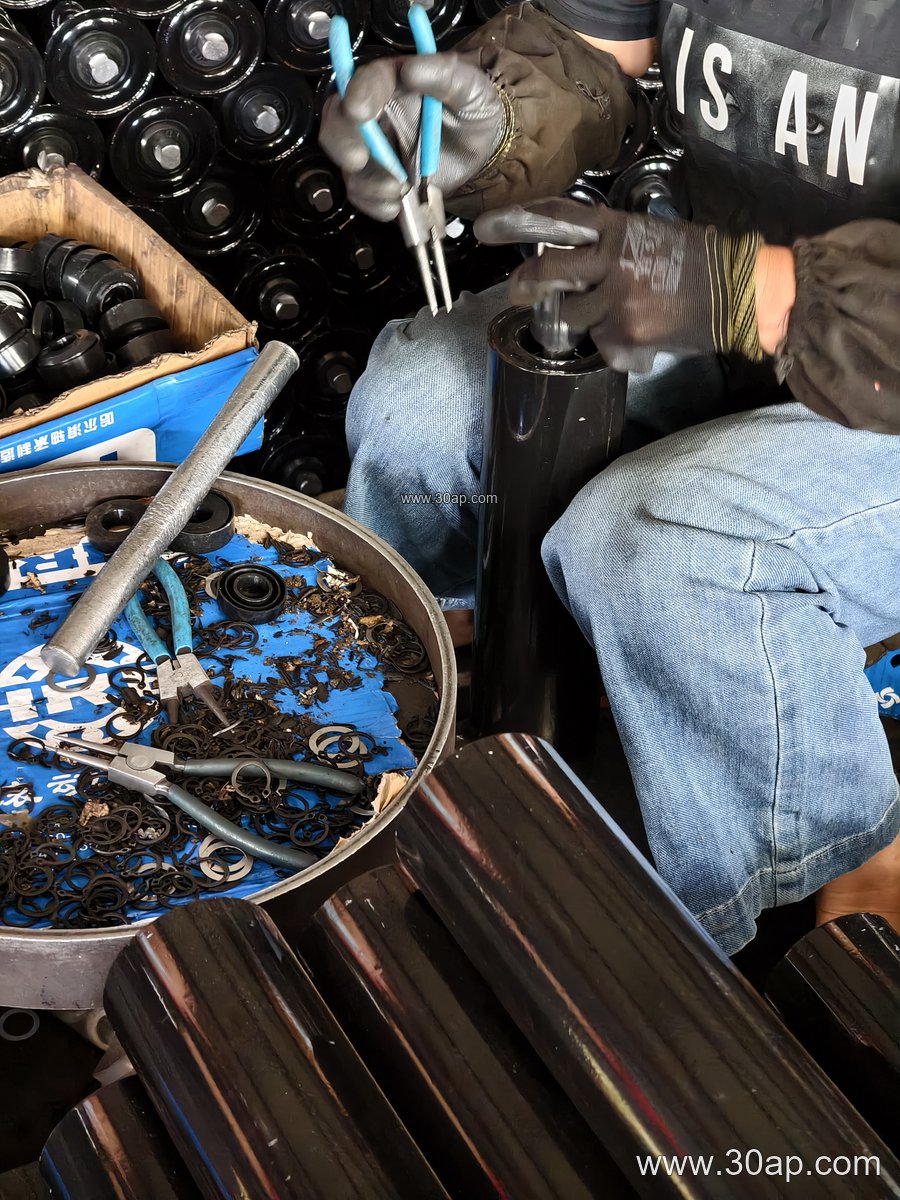
Sealing matters as much as steel thickness. In a stone crushing line or a cement plant, fine abrasive dust finds every gap. Labyrinth seals, grease retention, and a protective coating on the shell extend service life. Some plants specify a rubber disc impact idler at transfer points where lumps drop onto the belt, while standard troughing rollers carry the steady load further along the run.
Common Roller Diameters and Belt Widths
Roll diameter is usually selected together with belt width and trough angle. The values below are common reference examples, not fixed combinations; final sizing follows the conveyor design.
| Belt width | Typical roller diameter options | Common three-roll trough length (example) |
|---|---|---|
| B500 | Ø63, Ø76, Ø89 | about 200 mm |
| B650 | Ø76, Ø89, Ø108 | about 250 mm |
| B800 | Ø89, Ø108, Ø127 | about 315 mm |
| B1000 | Ø108, Ø127, Ø133 | about 380 mm |
| B1200 | Ø127, Ø133, Ø159 | about 465 mm |
| B1400 | Ø133, Ø159, Ø178 | about 530 mm |
| B1600 | Ø159, Ø178, Ø194 | about 600 mm |
| B1800 | Ø178, Ø194, Ø219 | about 670 mm |
Trough angles of 20, 30, 35, and 45 degrees are all used; a steeper angle centers bulk material better but raises the load on the side rollers. Forward tilt of about 1.5 to 2 degrees is sometimes applied on training idlers to help belt tracking.
Where High-Capacity Idlers Fit in the Plant
In an iron ore or copper ore handling circuit, long overland conveyors run at high tonnage, and the idler spacing along the carrying side is often tighter than on a light-duty line. In a coal washing plant or an underground coal mining conveyor, flame retardant and anti-static properties of the belt matter, while the idlers themselves must resist moisture and coal fines. Aggregate quarries and sand making plants favor abrasion resistant designs because grit works into every seal.
Port ship loading conveyors and steel plant sinter lines also rely on heavy-duty idlers under wide belts. Where material is hot, a heat resistant conveyor belt may be paired with idlers that keep bearings cool through good ventilation and correct spacing.
Buyer Checklist Before Ordering
- Confirm belt width, trough angle, and whether the frame takes two-roll or three-roll idler sets.
- State the material, lump size, and expected load so the roller diameter and bearing are calculated, not guessed.
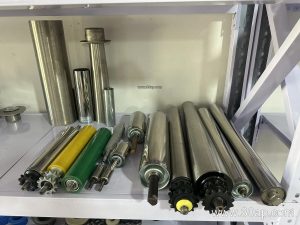
- Decide on shell surface: plain steel, nylon, ceramic, or rubber disc for impact zones.
- Check that the conveyor bracket and frame match the chosen roller shaft and fixing method.
- For coal or underground work, confirm the required fire resistant and anti-static behavior with the belt supplier.
- Plan a spare roller stock, since a seized idler can damage an expensive conveyor belt within hours.
For a complete conveyor package, buyers often source the high-capacity conveyor idler together with the conveyor pulley, belt, and frame from one technical contact so that dimensions and load ratings stay consistent. A well-matched roller set costs far less than the downtime caused by a failed bearing on a primary crushing line.