What a Steel Plant Conveyor Idler Has to Endure
A steel plant conveyor idler is the rotating support that carries the belt and its load along a sinter line, coke transport route, or finished-product handling conveyor. Unlike a general-purpose roller in a warehouse, this component works in an environment where dust, heat, scale, and occasional impact are part of daily operation. The idler roller must keep turning freely while the conveyor belt moves at a steady speed, because a seized roller can wear the belt cover quickly and increase drive power demand.
Buyers often confuse the idler with the conveyor pulley. They are different parts of the same conveyor: the pulley drives or redirects the belt at the ends, while the steel plant conveyor idler supports the belt between those points. Drive pulleys, tail pulleys, and bend pulleys are not interchangeable with idlers, and they should not be ordered as replacements for one another.
Construction Details That Matter
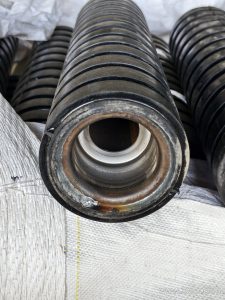
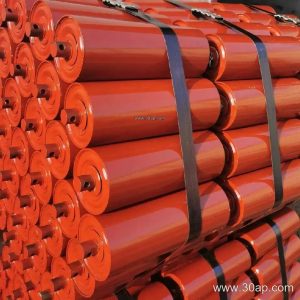
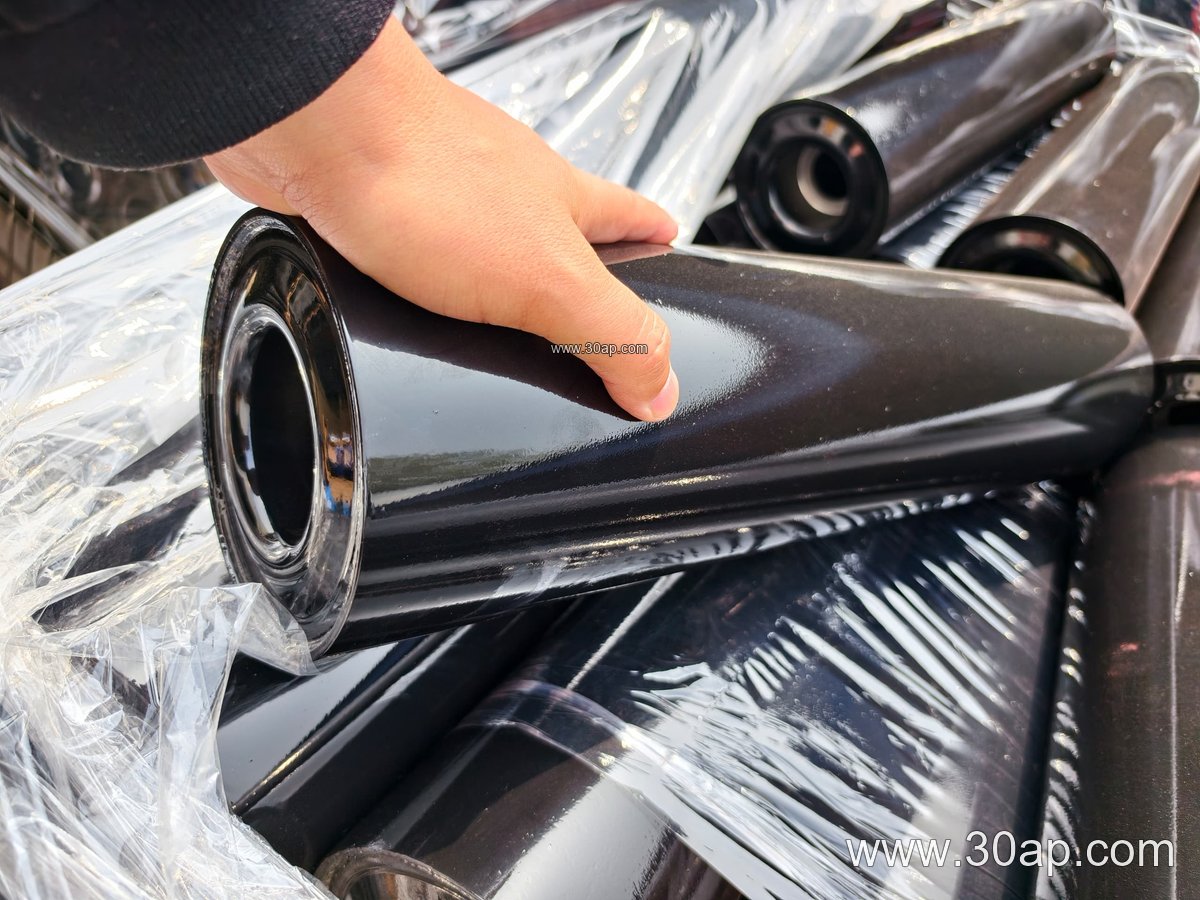
A typical unit combines a steel tube shell, a shaft, bearing housings, and a sealing arrangement. The shell may be plain steel, nylon-coated, ceramic-covered, or fitted with rubber rings. Bearing selection follows load and speed rather than a single rule, and common sizes include 6204, 6205, 6305, 6306, 6308, and 6310. The seal is often the deciding factor in a steel plant, because fine oxide dust and grit can enter a poor seal and shorten bearing life.
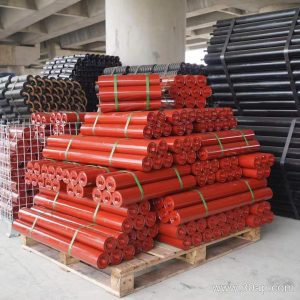
Roller diameters in common use range from Ø63 and Ø76 for light duties up to Ø159, Ø178, Ø194, and Ø219 for heavy sections. The right diameter depends on belt width, load, and the space available under the conveyor bracket. A wider belt does not automatically dictate one specific roller diameter, so the design should be confirmed against actual tension and load data.
Where Idlers Sit on a Steel Plant Conveyor
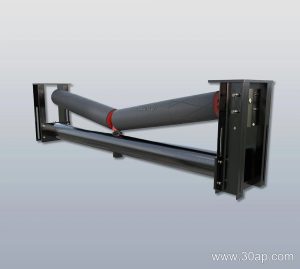
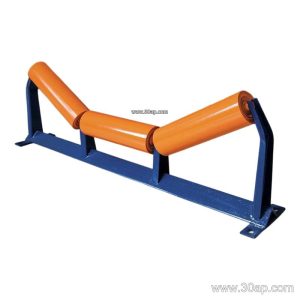
On the carrying side, three-roll troughing sets with 20, 30, 35, or 45 degree trough angles are common. The trough angle shapes the belt into a trough so that bulk material stays centered. Transition idlers near the head and tail help the belt change from flat to troughed without stressing the edges. On the return side, flat return idlers, V-return idlers, and spiral return idlers keep the belt supported and help shed sticking material.
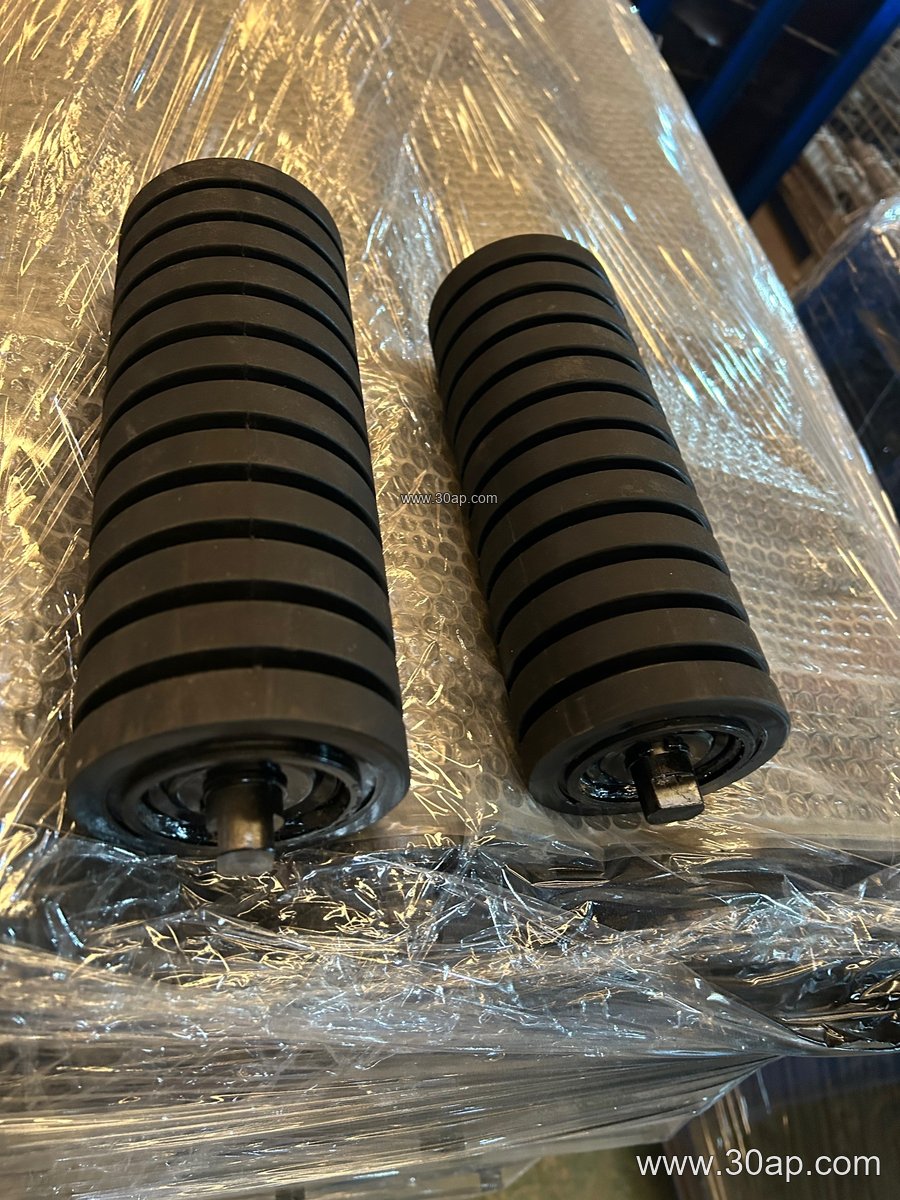
Impact zones below crushers or transfer chutes often use impact idlers with rubber rings, while self-aligning idlers with tapered or friction designs help correct belt misalignment. These are subtypes of the same product family, chosen for a specific position on the conveyor rather than as substitutes for each other.
| Parameter | Common Reference Values |
|---|---|
| Troughing set | Single roll, two roll, three roll |
| Roller diameter | Ø63, Ø76, Ø89, Ø102, Ø108, Ø127, Ø133, Ø159, Ø178, Ø194, Ø219 mm |
| Belt width | B400, B500, B650, B800, B1000, B1200, B1400, B1600, B1800, B2000, B2200, B2400 |
| Trough angle | 20°, 30°, 35°, 45° |
| Roller surface | Steel tube, nylon, ceramic, rubber ring |
| Bearing | 6204, 6205, 6305, 6306, 6308, 6310 |
Roller length varies with belt width, trough angle, and roll arrangement. As a rough example, a three-roll troughing set might use a roll length near 200 mm for B500, 315 mm for B800, 465 mm for B1200, or 600 mm for B1600. Side rolls and center rolls can differ, so these figures are reference points, not fixed matches.
Matching the Idler to the Belt and the Duty
The belt itself influences idler choice. A heavy-duty mining conveyor belt or a steel cord conveyor belt carrying iron ore fines may need larger diameter rollers and stronger bearings than a lightweight package handling line. In sinter and coke areas, heat resistant conveyor belt grades reduce cover hardening, while a flame retardant conveyor belt is often specified for coal handling. An abrasion resistant conveyor belt suits coke and scale, and an oil resistant conveyor belt helps where lubricants or oily scrap are present.
Belt width is a starting point, not the whole answer. A 1200mm wide conveyor belt on a long incline carries different loads from a 1200mm belt on a short transfer. The buyer should provide belt width, belt type, trough angle, load per meter, belt speed, and ambient conditions. Mentioning the belt construction, such as EP conveyor belt or NN conveyor belt, also helps the supplier judge impact and tension.
Buyer Checklist Before Ordering
- Confirm the position: carrying, return, impact, or transition.
- State belt width and trough angle, for example B1000 at 35 degrees.
- Give the roller diameter and shell material if already standardized.
- Describe the environment: dust, heat, moisture, or oil.
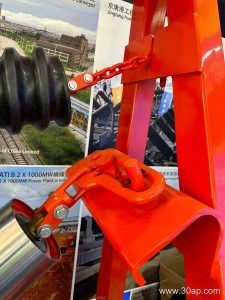
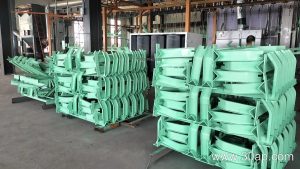
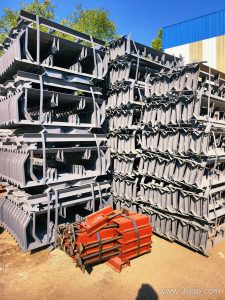
- Check that the conveyor bracket and shaft fit the existing frame.
- Ask about seal type and bearing size, since these drive service life.
Spare parts planning matters in a steel plant because a stopped conveyor can interrupt the whole material flow. Keeping a small stock of the most-used troughing and return idlers, plus seals and bearings, is often more practical than waiting for a failure. For related components, buyers can also review conveyor belt, idler roller, conveyor pulley, and conveyor bracket options at gsdconveyorbelt.com to keep the whole line consistent.
Regular inspection of roller rotation, shell wear, and seal condition prevents small problems from becoming belt damage. When a roller stops turning, replace it promptly and check nearby idlers for the same cause. A well-matched steel plant conveyor idler is not the most visible part of the line, but it keeps the belt running straight, reduces power loss, and protects the belt over years of demanding service.