What a Cement Plant Conveyor Belt Has to Handle
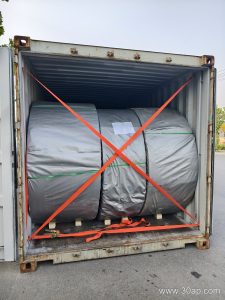
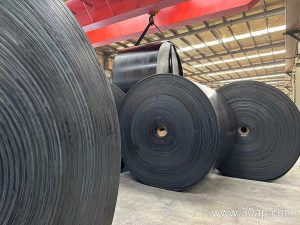
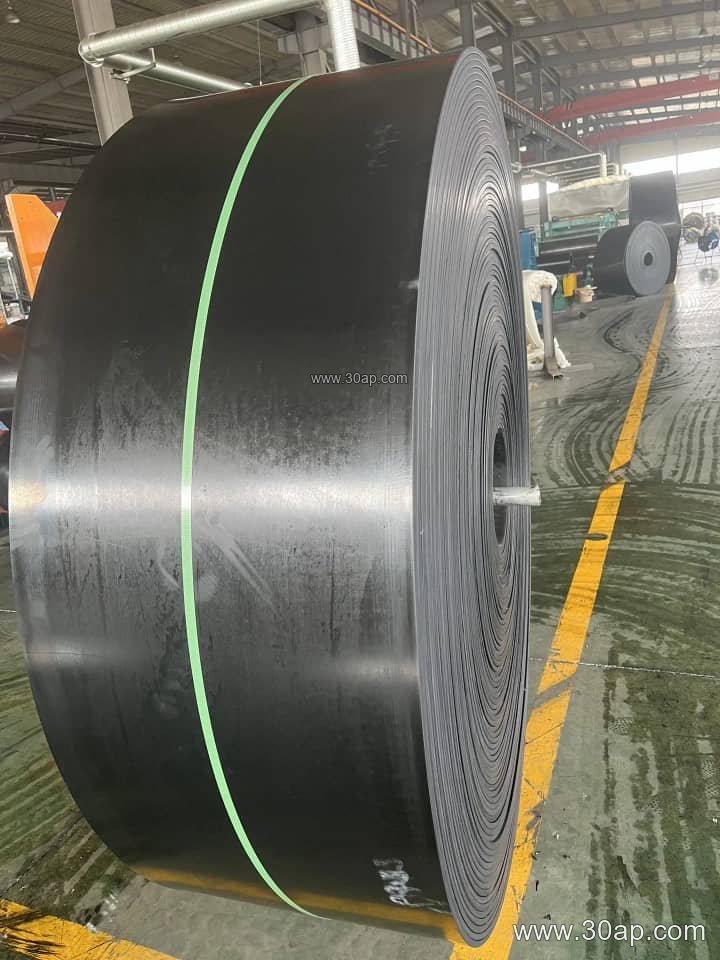
A cement plant conveyor belt is the load-carrying element of a bulk material handling line that moves limestone, clay, crushed rock, clinker, gypsum, and cement between crushers, silos, preheater towers, and packing stations. The working environment is abrasive, often dusty, and sometimes hot. A belt that suits a general warehouse will not last long here. The belt must resist cutting from sharp clinker, keep its tensile strength under continuous load, and hold its cover rubber against wear.
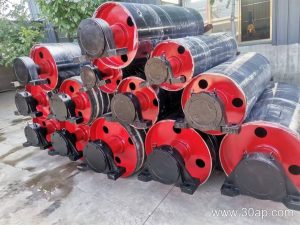
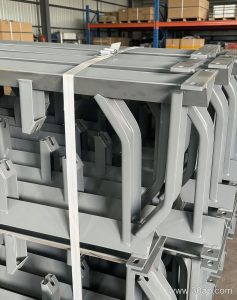
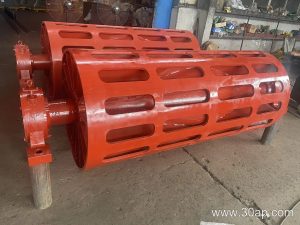
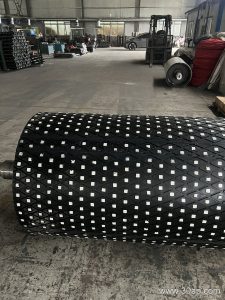
In practice, the belt is only one part of the machine. It runs on idler rollers, turns around a conveyor pulley at the head and tail, and is supported by a conveyor bracket and frame. The belt, rollers, and pulleys must be matched, because a poorly aligned belt wears the edges and the idlers quickly.
Construction of the Belt
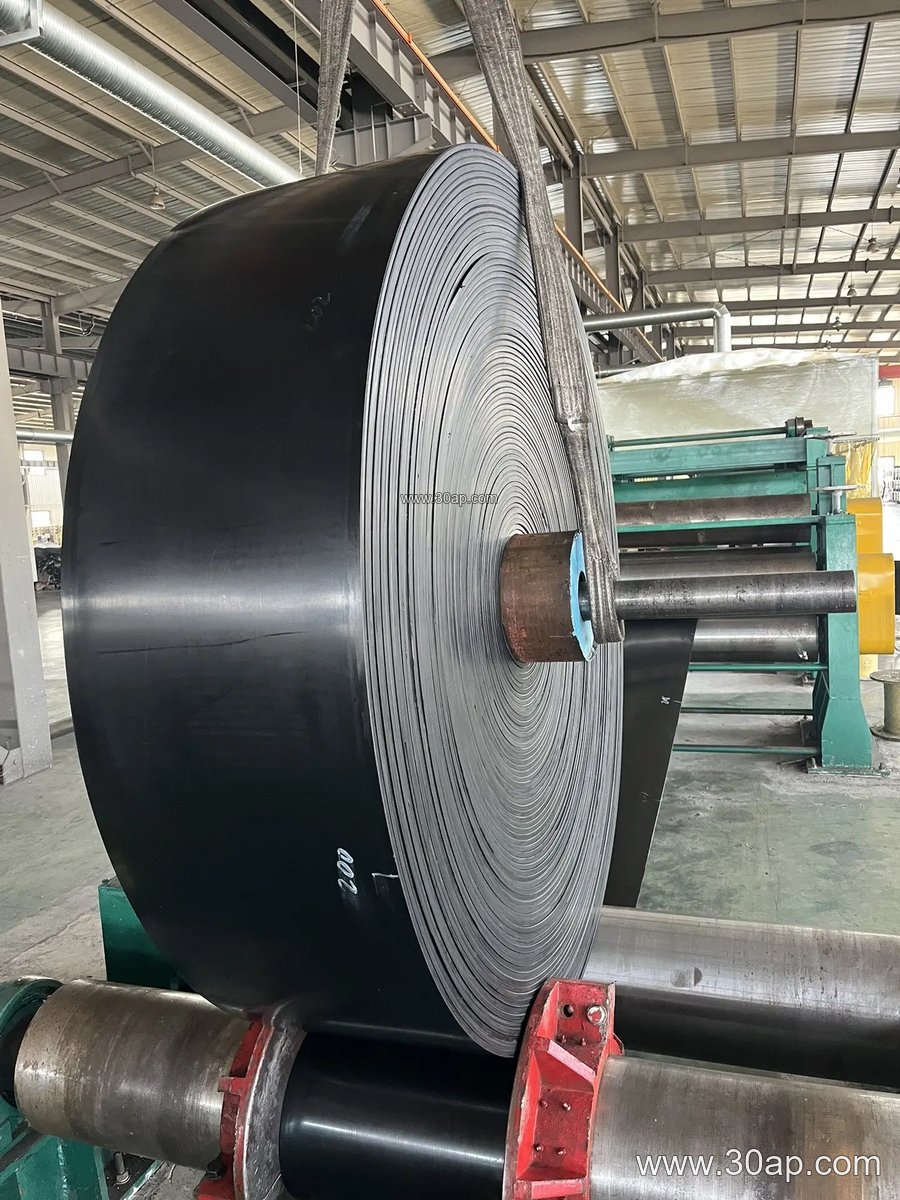
Most cement plant belts are fabric-reinforced or steel cord reinforced. The carcass gives tensile strength; the cover rubber protects the carcass from abrasion, heat, and moisture. Common carcass types include EP (polyester-cotton) and NN nylon fabric, with steel cord core belts used for long, high-tension lines.
Cover Grades and Thickness
Cover rubber is selected by duty. Abrasion-resistant covers suit limestone and clinker; heat-resistant covers suit cement cooler discharge and clinker transport; oil-resistant and flame-retardant grades appear where the plant requires them. Cover thickness is usually given as top plus bottom, for example 4+2 mm or 6+2 mm, and the carcass may have 2 to 6 plies depending on tension.
Reference Data for Early Planning
The values below are common reference figures, not fixed rules. Actual selection depends on the conveyor design, material density, incline, and duty cycle. Different manufacturers offer different ranges.
| Parameter | Typical Reference Range |
|---|---|
| Belt width | B500, B650, B800, B1000, B1200, B1400, B1600 |
| Fabric belt strength grades | EP200, EP315, EP400, EP500, EP630, EP800, EP1000, EP1250 |
| Cover thickness (top + bottom) | 3+1.5, 4+2, 5+2, 6+2, 8+3 mm |
| Carcass plies | 2 to 6 layers |
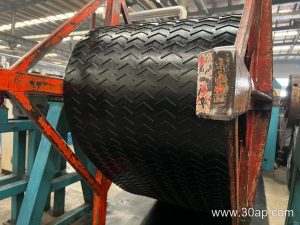
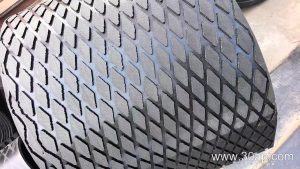
| Surface forms | Smooth, patterned, chevron, corrugated sidewall |
Note that belt width does not dictate one pulley diameter. Pulley size is set by belt tension, carcass type, and the required wrap angle, so the same B800 belt can appear on different pulley diameters in different plants.
Where It Runs in the Cement Line
Raw material intake from the quarry usually uses a heavy belt on a steep incline, often with chevron or patterned surface to prevent material rollback. Clinker transport is the harshest duty: hot, sharp, and abrasive. Additive and gypsum lines are lighter but still dusty. Cement packing and truck loading lines use narrower belts, often with a smooth cover and careful edge protection.
- Quarry to crusher: high impact, wide belt, thick top cover.
- Crusher to raw mill: long distance, higher tension, EP or steel cord.
- Clinker cooler to storage: heat-resistant grade, moderate width.
- Packing plant: narrow belt, clean running, low noise.
What a Buyer Should Check
Tension and Strength
Confirm the required belt strength from the conveyor design, not from habit. A belt that is too weak stretches and slips; one that is far too strong adds weight and cost without benefit. Ask for the calculated working tension and the safety factor used.
Cover and Carcass Match
Match the cover grade to the material temperature and abrasiveness, and confirm the ply count and cover thickness in writing. For hot clinker, heat-resistant cover alone is not enough; the carcass and the splice method must also suit the temperature.
Splice and Pulley Compatibility
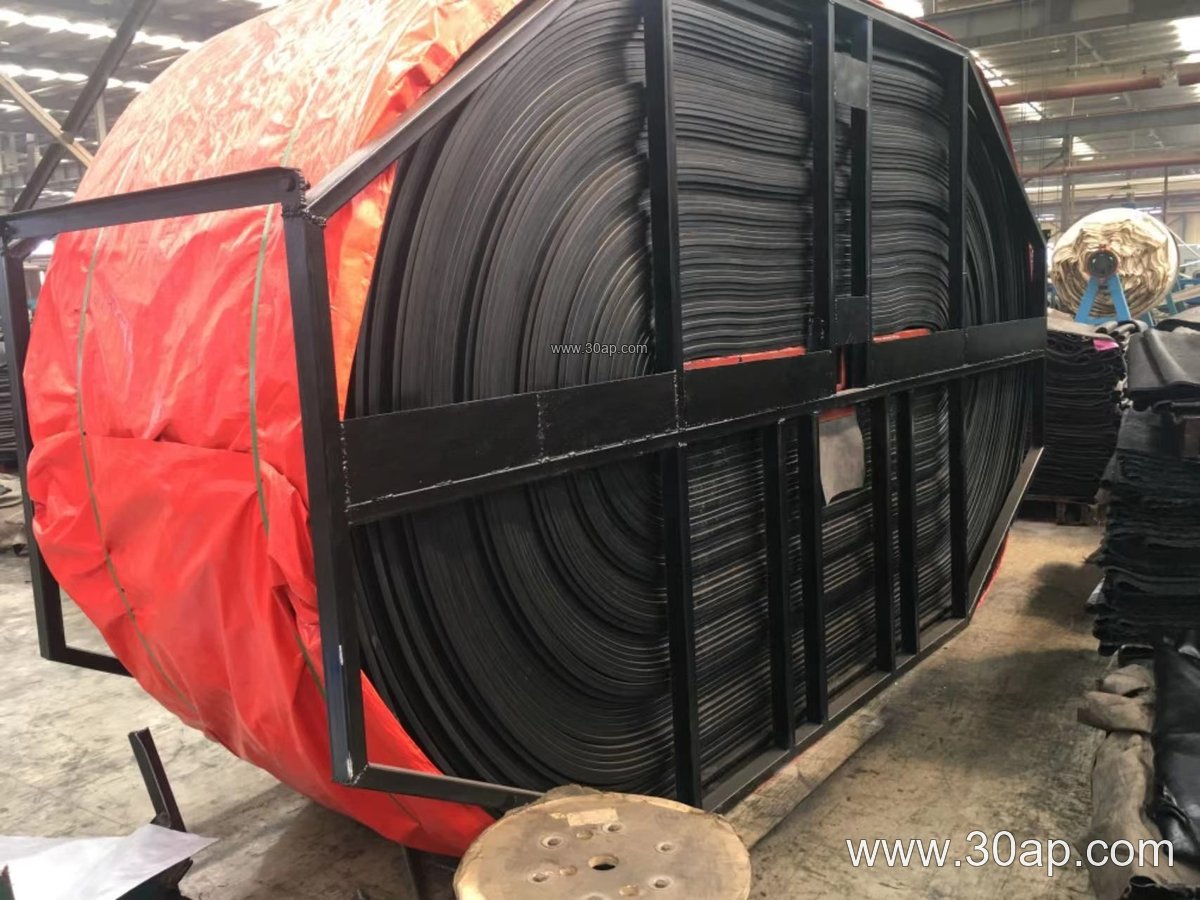
The splice is often the weakest point. Check whether the supplier recommends vulcanized or mechanical splicing, and confirm that the pulley diameter and the idler roller spacing allow the splice to pass without stress. A conveyor pulley that is too small for a thick belt shortens belt life.
Alignment and Maintenance
Good tracking depends on straight frames, square pulleys, and correctly set idler rollers. Trainers and skirt rubber should be checked during installation. Keep the belt clean and avoid over-tensioning, since excess tension loads the pulley bearings and the splices.
Practical Notes
Store spare belts flat and away from sunlight and ozone sources. When replacing a belt, record the width, strength grade, cover thickness, and splice type so the next order matches the line. In a cement plant, downtime is expensive, so a spare belt of the correct specification is often worth keeping on site.