Start With the Roller, Not the Price List
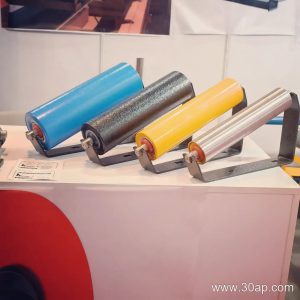
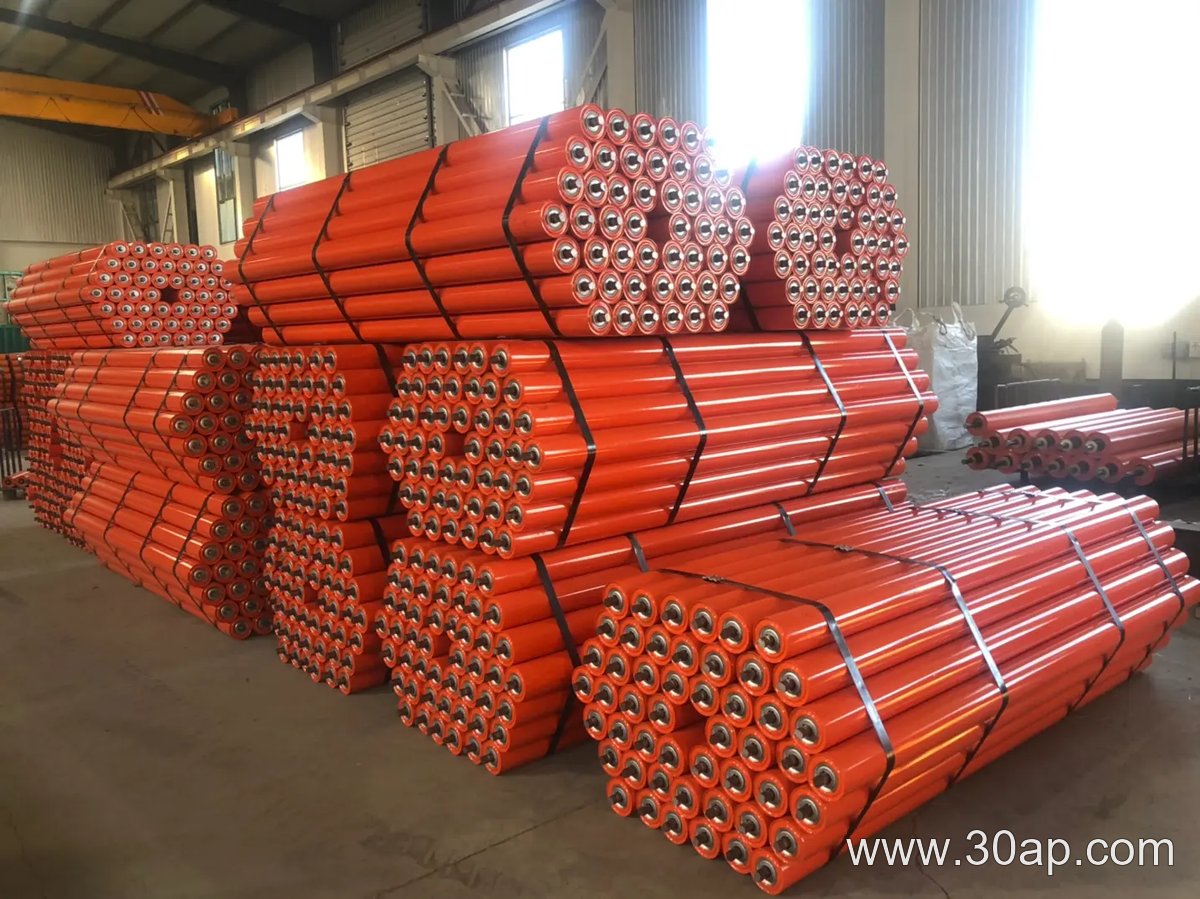
When sourcing an idler roller from China for a dusty quarry, the first question is not price per piece. It is whether the supplier can document how the roller keeps dust out of its bearing housing. In a quarry, fine grit works past poor seals and turns a free-turning roller into a seized one.
Specification Checks That Matter
Prepare a drawing that states face length, shaft diameter, bearing type, seal arrangement, and shell wall thickness. Ask for a sample inspection report showing these dimensions. A supplier who only quotes a model number without a drawing cannot be evaluated.
Supplier Evaluation Without Visiting
- Request a video of the production line and bearing assembly area.
- Ask for material certificates for the shell and shaft.
- Confirm the seal type and whether it is a contact or labyrinth design.
- Check that test reports cover rotation and runout, not only appearance.
These checks separate a trading office from a factory that controls its own roller assembly.
Which conveyor pulley construction fits which duty?
A cement plant moves limestone, clinker and cement over conveyors that rarely stop. The conveyor pulley at each bend or drive point must match the duty, or the shell, shaft or lagging will fail early. Construction groups them into three practical families.
Light-duty fabricated pulley
Made from a rolled steel shell with welded end discs and a through shaft. Used on short, low-tension conveyors such as additive feeding. Inexpensive and easy to replace, but not for shock loads.
Heavy-load conveyor pulley
Thicker shell, reinforced discs, larger shaft and stronger welds. Used on clinker transport and primary crushing discharge where tension and impact are high. Longer life, higher weight and cost.
Ceramic-lined pulley
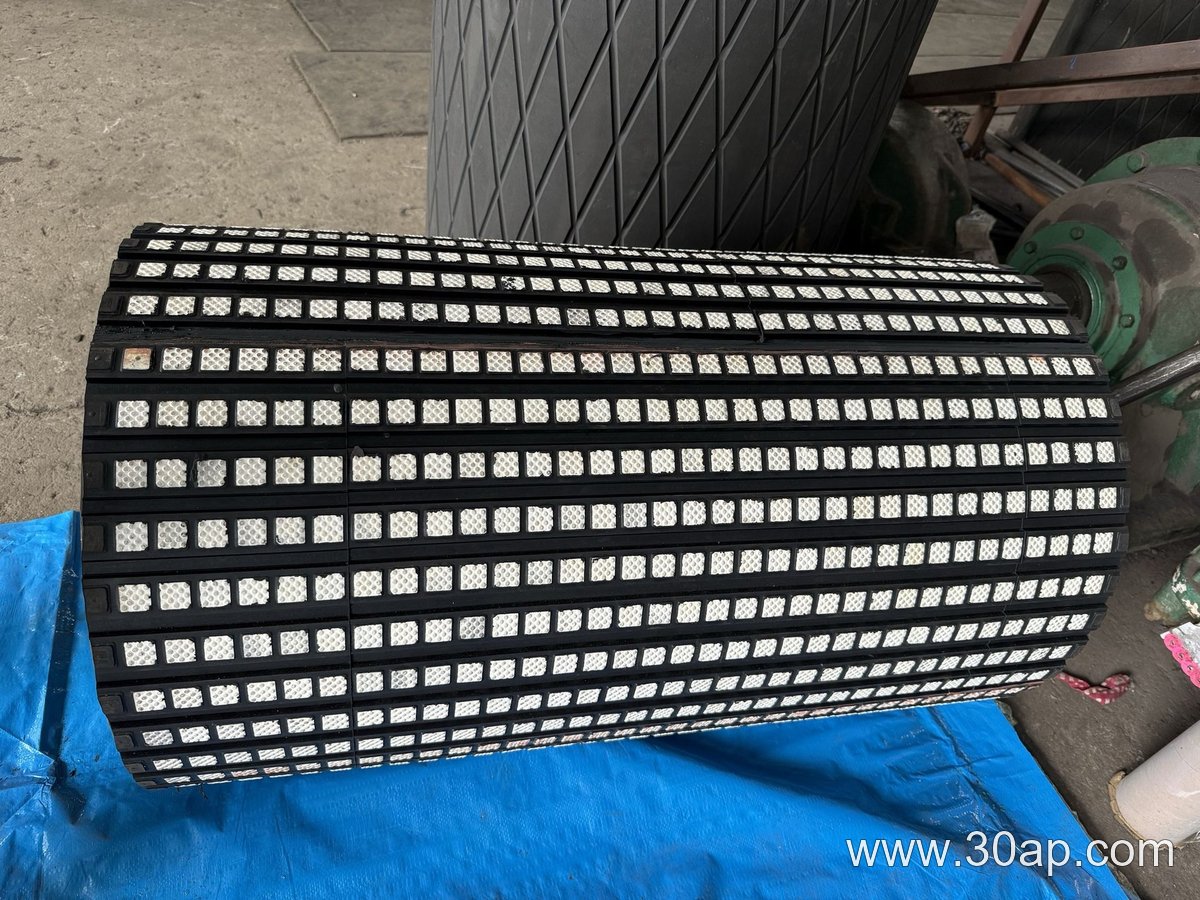
Ceramic tiles bonded to the lagging. Chosen for drive pulleys in wet or dusty zones where grip must survive abrasion. It protects the belt and reduces slip, but the lining needs careful handling.
Match the pulley to the duty, not to the spare parts shelf.
What Is a C-Channel Conveyor Bracket?
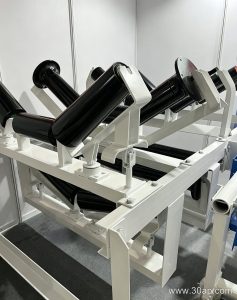
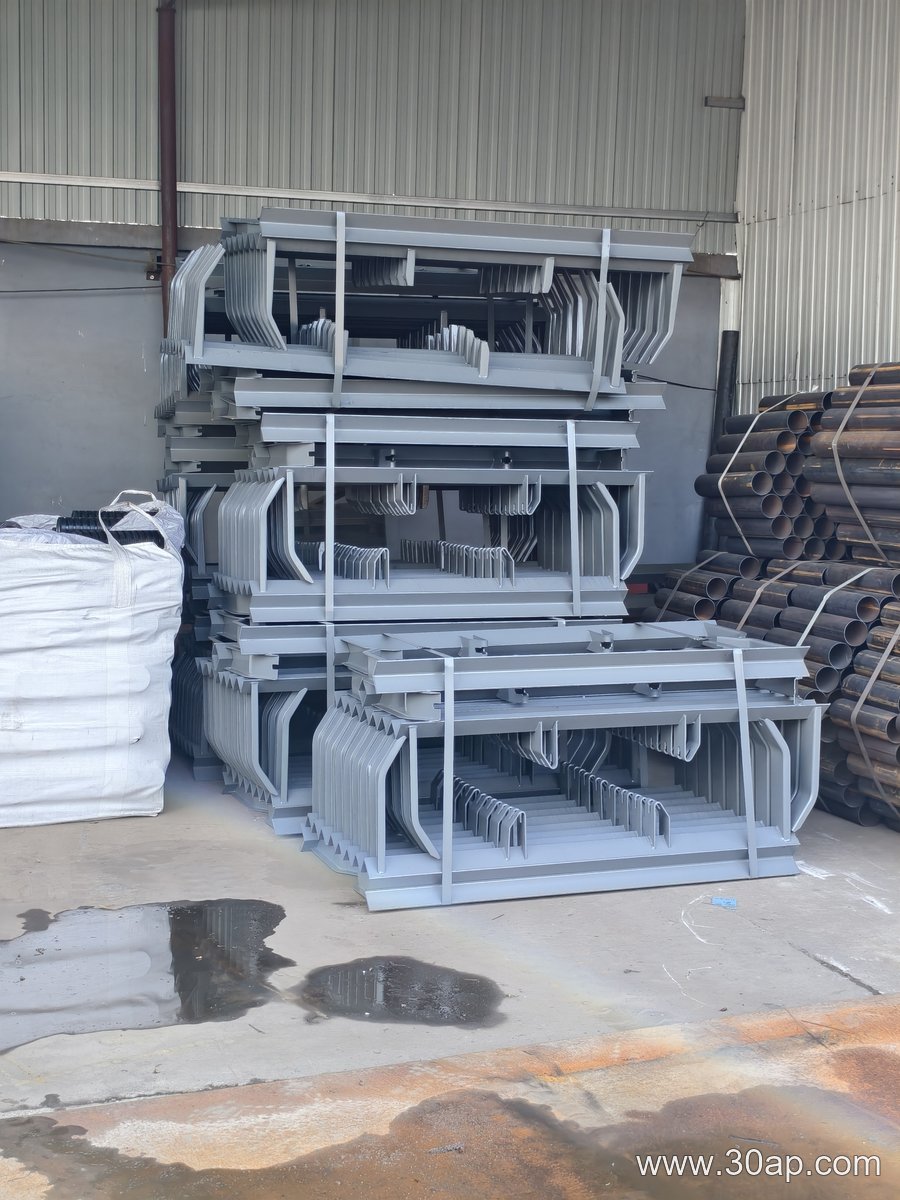
A C-channel conveyor bracket is a formed-steel support that bolts to the stringer and carries an idler or roller at a fixed height. Its open profile lets crews reach the mounting bolts from the side, which suits a general manufacturing line where space above the frame is tight.
Construction and Features
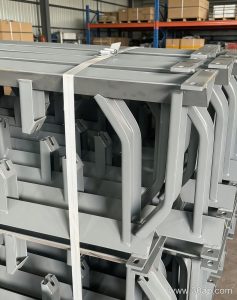
- Formed from carbon steel plate, often with punched or drilled holes.
- Slotted feet allow lateral adjustment before final tightening.
- A gusset or bent flange adds stiffness without a welded assembly.
Where It Fits
On a packing line with side-mounted return idlers, the bracket keeps the roller axis square to the belt path. If the frame is slightly out of line, the slot range lets maintenance shift the bracket rather than shim the stringer.
What Do Conveyor Belt Standards Cover in a Dusty Quarry
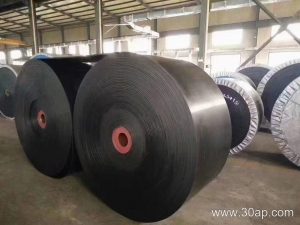
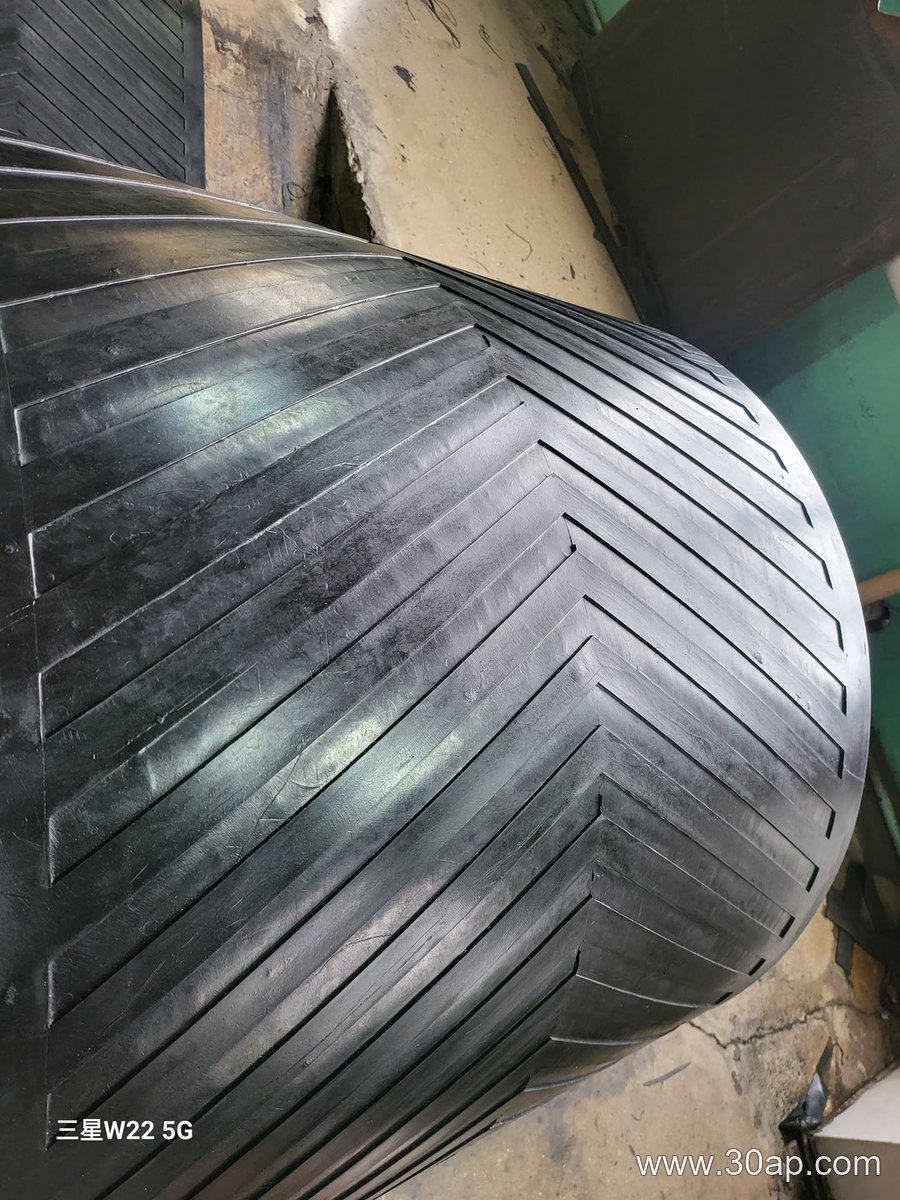
In a dusty quarry, a conveyor belt faces abrasion, impact and dust ingress. Standards define test methods and grade classes, not a guarantee of plant performance.
Purpose and Scope
- Abrasion standards rank cover rubber wear resistance.
- Flame-retardant standards describe small-scale laboratory behaviour.
- Carcass standards cover tensile strength and adhesion tests.
Check that the grade matches the duty, then verify test reports against the stated method.