What a Drive Rubber Lagged Pulley Does
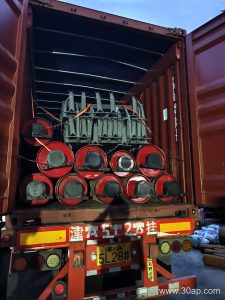
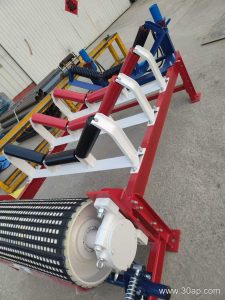
In a belt conveyor, the drive pulley is the component that transmits motion from the gearbox or motor to the conveyor belt. When its cylindrical shell is covered with a rubber layer, it becomes a drive rubber lagged pulley, also called a rubber-lagged head pulley or a lagged drive drum. The rubber surface raises friction between the pulley and the belt, which reduces slip, especially on inclines, in wet conditions, or when the belt carries heavy bulk material.
A drive pulley is not the same as a tail pulley or a bend pulley. Those serve different positions and duties, and they are not interchangeable. A tail pulley returns the belt at the rear, while a bend pulley changes belt direction without driving the system. The lagged drive pulley is the one that pulls the belt forward.
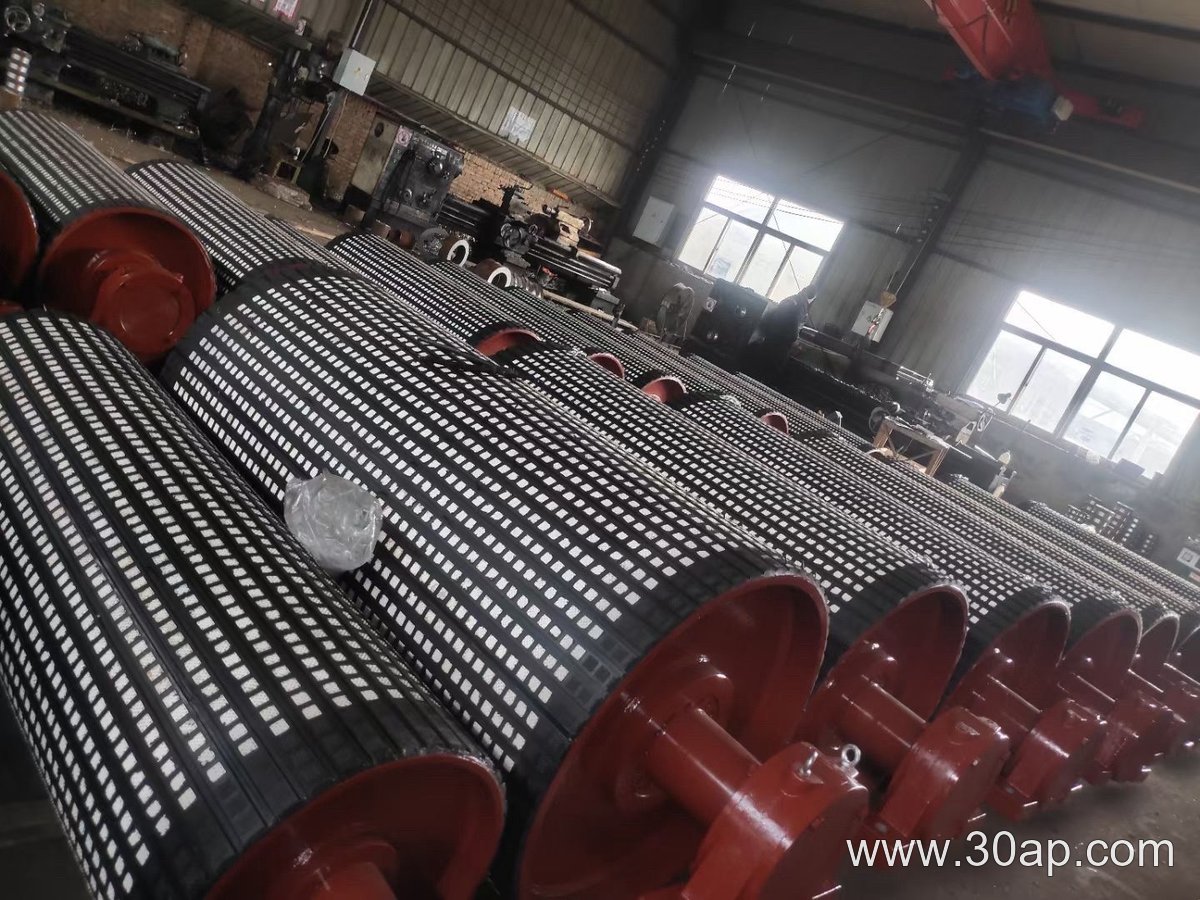
How the Lagging Is Built
The base unit is a steel drum with a machined face, end discs, and a shaft. Common shaft diameters include Ø50, Ø60, Ø70, Ø80, Ø90, Ø100, Ø120, Ø140, Ø160, Ø180, and Ø200 mm. Shaft size is determined by torque and load, not by belt width alone. The rubber layer may be applied in different ways:
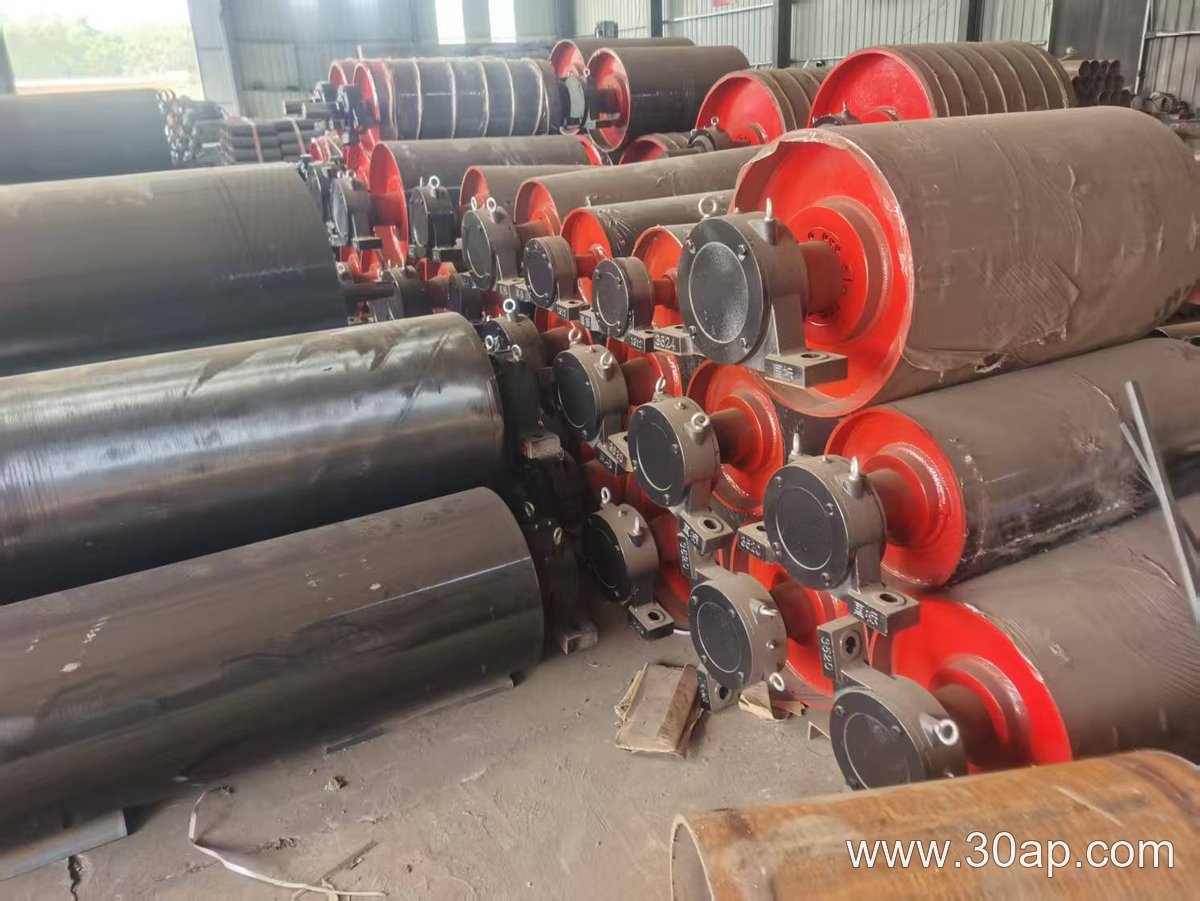
- Hot vulcanized rubber, bonded under heat and pressure for a durable joint
- Cold bonded rubber, applied with adhesive at ambient temperature
- Cast rubber, poured into a mold around the shell
Surface patterns vary. Diamond lagging gives multidirectional grip and sheds water. Herringbone lagging channels water and fines to the edges. Plain rubber is used where a smooth, even contact is preferred. Ceramic lagging is chosen for high-wear, high-tension duties. Common rubber thickness values include 8, 10, 12, 15, and 20 mm, selected according to belt tension and working conditions.
Where It Fits in the Conveyor
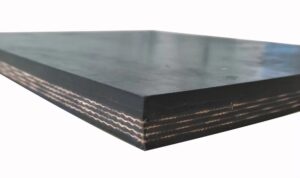
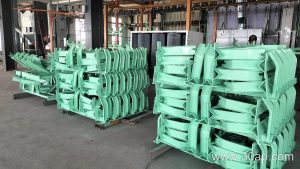
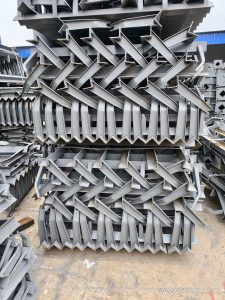
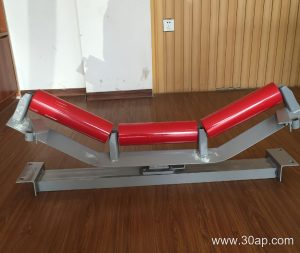
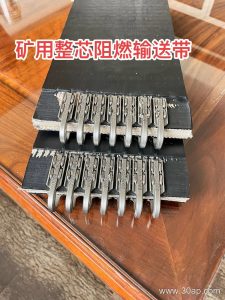
The lagged drive pulley sits at the head of the conveyor, where the belt is fully loaded and needs the most pulling force. You will find it in a limestone quarry, an iron ore mine, a coal washing plant, a cement clinker line, a power plant coal yard, or a port bulk terminal. It works together with the conveyor belt, idler rollers, and conveyor brackets to keep material moving. The drive drum must match the belt width and the conveyor’s designed capacity.
Common belt widths include B400, B500, B650, B800, B1000, B1200, B1400, B1600, B1800, B2000, B2200, and B2400. The drum face is usually wider than the belt. For example, a B800 belt often uses a pulley face around 950 mm, and a B1200 belt may use about 1400 mm. Drum diameters commonly range from Ø200 up to Ø1800 mm. Typical pairings such as B800 × Ø500, B1200 × Ø1000, or B1400 × Ø800 appear in design drawings, but no single belt width is locked to one diameter. The correct combination depends on belt speed, wrap angle, tension, and the load profile.
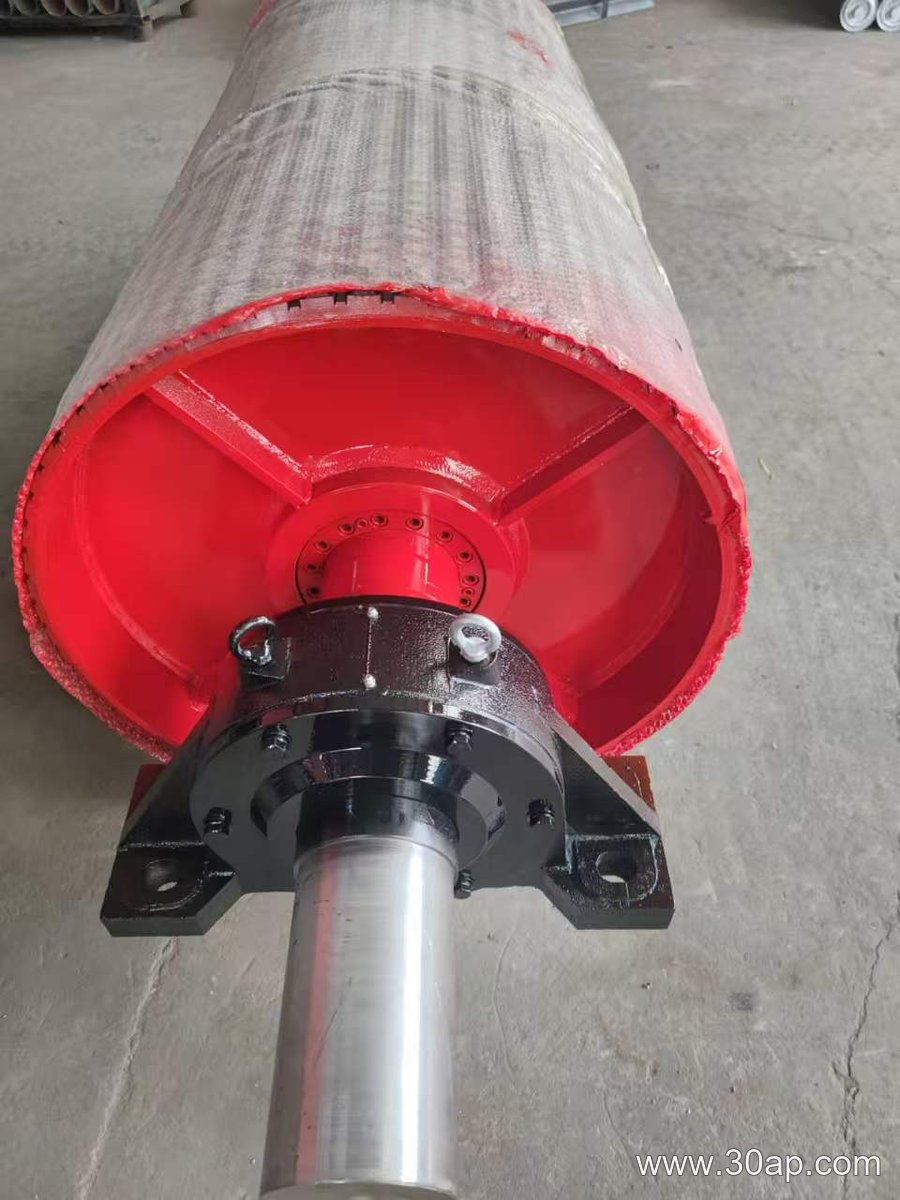
Selection Points for Buyers
When specifying a drive rubber lagged pulley, give the conveyor designer the belt width, belt speed, motor power, and the required tension. From these, the drum diameter and shaft diameter are calculated. Do not assume that a wider belt automatically means a larger shaft. The shaft must carry the torque and bending load of the specific drive.
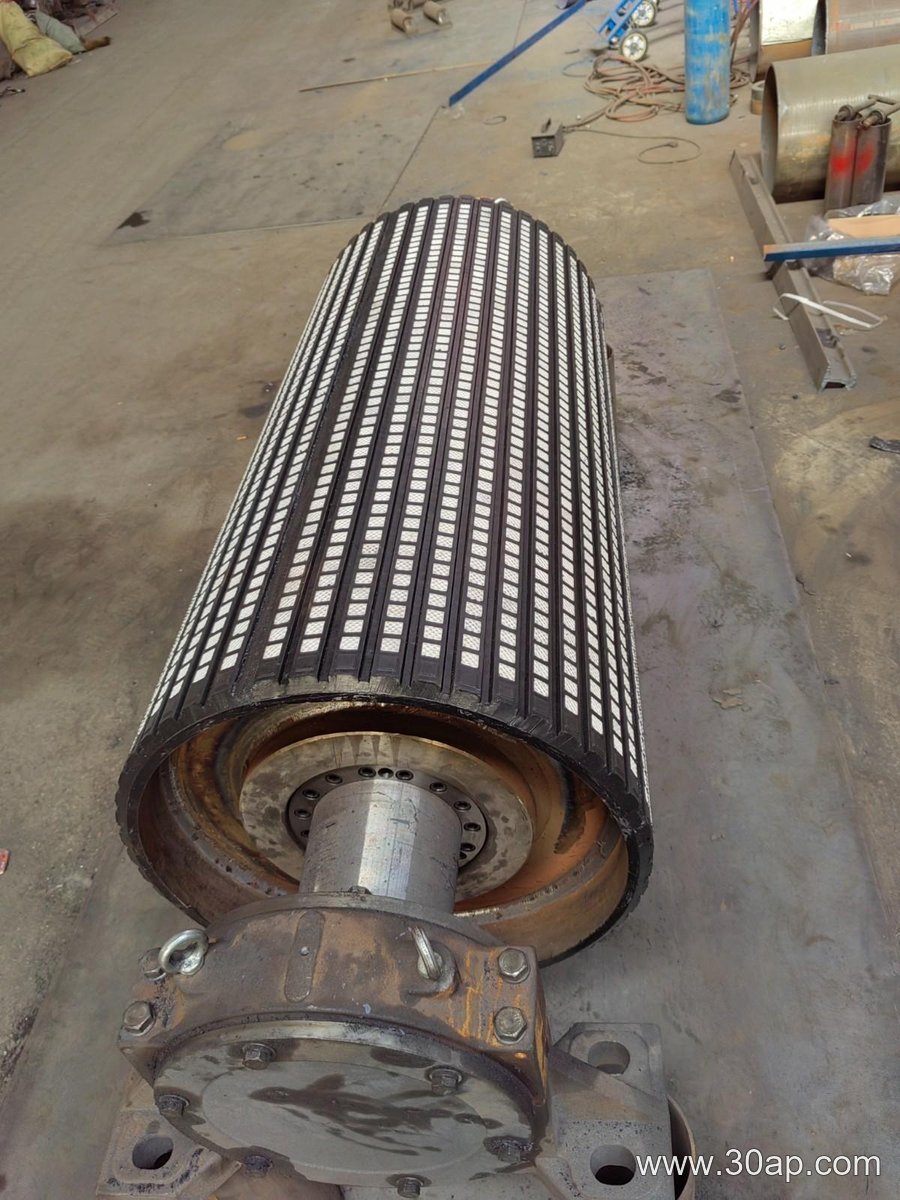
Lagging choice affects performance and maintenance. Diamond or herringbone rubber improves wet grip. Ceramic tiles embedded in rubber resist abrasion in dusty, gritty service. Thicker rubber lasts longer but adds weight and cost. The pulley face should be machined true so the belt tracks evenly and does not wander. Balance is important at higher speeds.
Maintenance and Long-Term Care
Inspect the lagging for cracks, glazing, or missing rubber. A polished or hardened surface loses grip and causes belt slip. Check the shaft, bearings, and locking elements for wear. Keep the belt cleaner and the idler rollers aligned, because a misaligned belt wears the lagging unevenly. In a sand and gravel line or a tunnel mucking operation, grit can work under the belt and damage the rubber. Regular washdown and inspection extend service life.
For replacement, confirm the drum diameter, face width, shaft diameter, keyway, and lagging pattern before ordering. A drive rubber lagged pulley is a long-term investment in conveyor reliability, so matching it to the actual duty is more important than choosing the largest available size.