Why does bearing clearance matter inside a conveyor pulley?
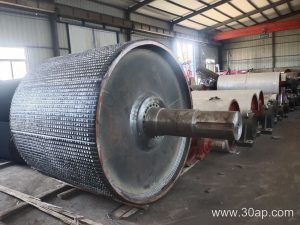
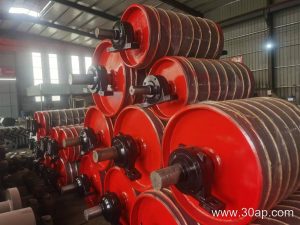
Because a conveyor pulley hides its bearings, small clearance errors become large failures. In a mineral processing plant, abrasive dust, heat and continuous load make the housing environment harsh. Check three things: fit between shaft and bearing, expansion allowance, and seal protection.
Trade-offs in tight versus loose fits
A tight fit reduces movement and wear but raises mounting stress. A looser fit eases assembly and allows thermal growth, yet can creep under load. The pulley must balance these directions.
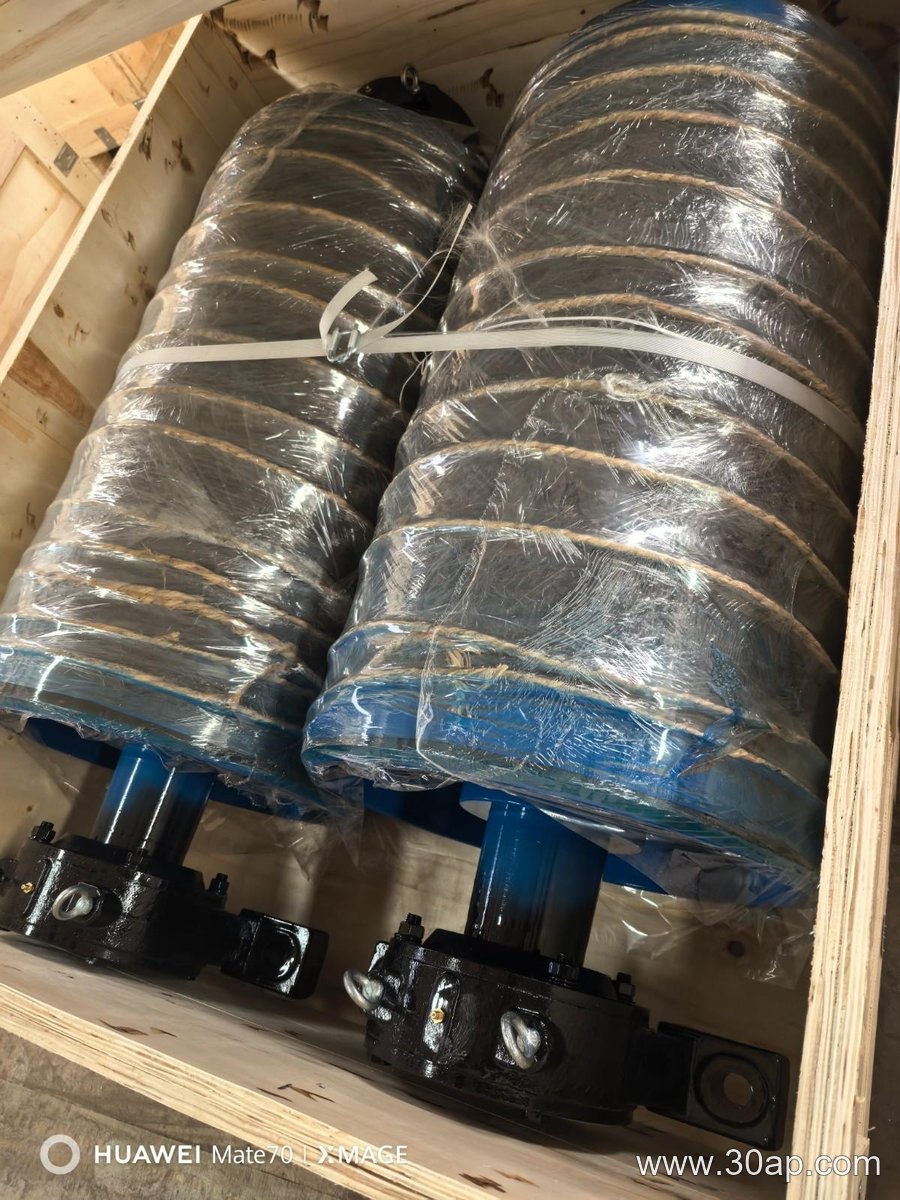
- Dust ingress shortens grease life.
- Temperature rise changes internal clearance.
- Misalignment adds edge loading.
In a hypothetical mineral plant, verify these conditions before choosing fits, and never assume one clearance suits every conveyor pulley.
Why the slot, not the steel, drives alignment
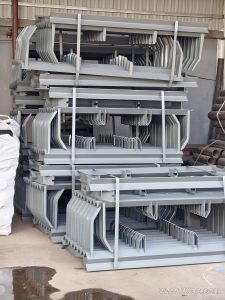
A return idler bracket with slotted mounting holes lets maintenance crews shift the idler axis laterally after the stringer is installed. That adjustment range, not the bracket’s thickness, determines whether belt wander can be corrected without welding or shimming.
How slot length affects the engineering decision
Longer slots increase the correction range but reduce the clamp load available at the bolt. In a cement plant, where dust and vibration are constant, a short slot with a hardened washer and a torque check may hold alignment better than a long slot left loose.
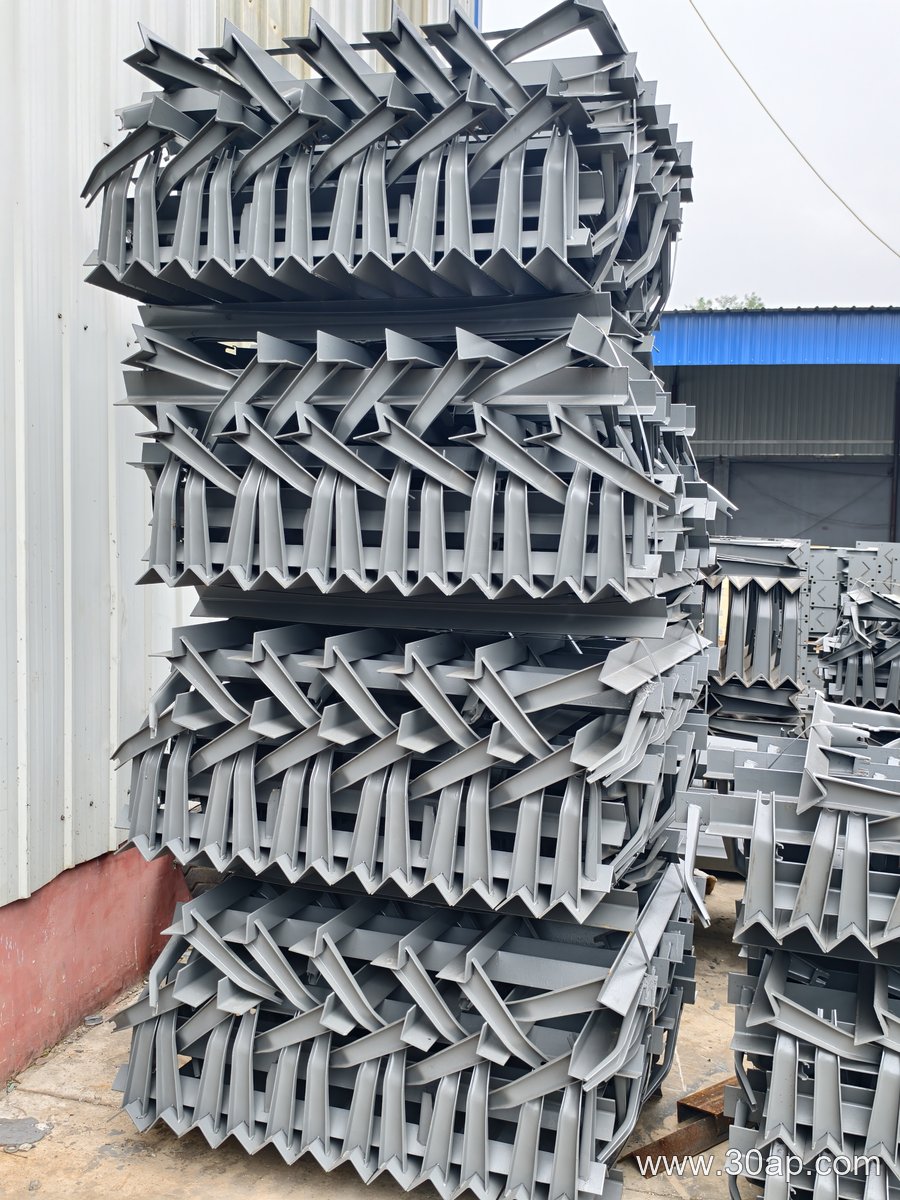
- Measure the expected stringer misalignment before selecting slot length.
- Confirm that the bolt grade and washer can maintain friction across the slot.
- Mark the neutral position so the bracket can be reset after maintenance.
Hypothetically, if a 30 mm slot cannot correct a 40 mm stringer offset, the bracket choice is wrong, not the adjustment procedure.
Why the Carcass Decision Comes Before the Cover
In a hypothetical cement plant retrofit, engineers must move hot clinker from a cooler discharge to a storage silo across a 120 m center distance. Assume a 1800mm wide conveyor belt, a troughing angle of 35 degrees, and a moderate incline. The first trade-off is carcass type: fabric plies versus steel cord. Fabric carcasses tolerate smaller pulleys and are easier to splice, but they stretch more under high tension. Steel cord conveyor belt handles long, high-tension runs with minimal elongation, yet demands larger pulleys and more careful splicing. For this 120 m span, a fabric carcass with adequate ply rating is usually the more practical choice.
Matching Cover Grade to Clinker Conditions
Clinker arrives hot and abrasive. A cover compound rated for heat and abrasion resists glazing and gouging. The belt must also track true around the head and tail pulleys, so pulley diameters and trough transitions are checked against the carcass minimums.
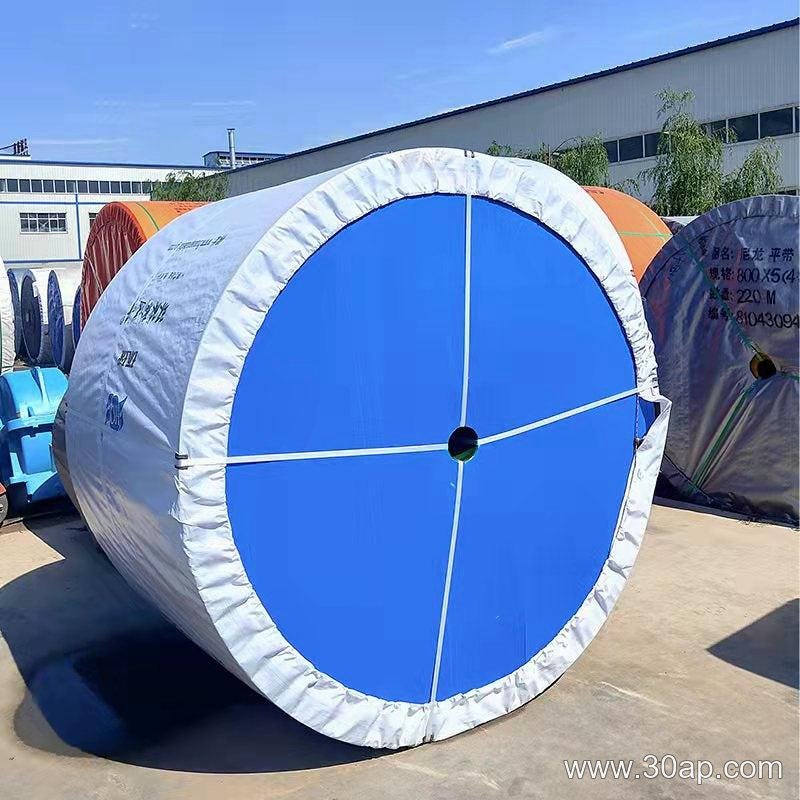
Practical Checks Before Ordering
- Calculate maximum belt tension from capacity, lift and friction.
- Verify ply count against the required working tension with a safety factor.
- Confirm pulley diameters meet the carcass minimum.
- Specify cover grade for temperature and abrasion.
These hypothetical values illustrate a method, not a universal specification.
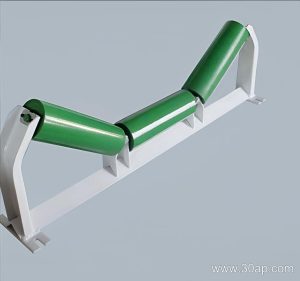
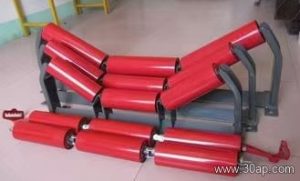
In a dusty quarry, an idler roller must keep turning despite abrasive fines. Standards define dimensional fit, load ratings, and material grades, but they are not certifications. Check compatibility with your conveyor frame and duty cycle.
Key standard scopes for idler rollers
Relevant standards typically cover shaft diameter, bearing housing dimensions, and load capacity. They also specify material grades for the shell and bearing seals. For dusty conditions, verify seal grade and shell hardness against the standard’s classification.
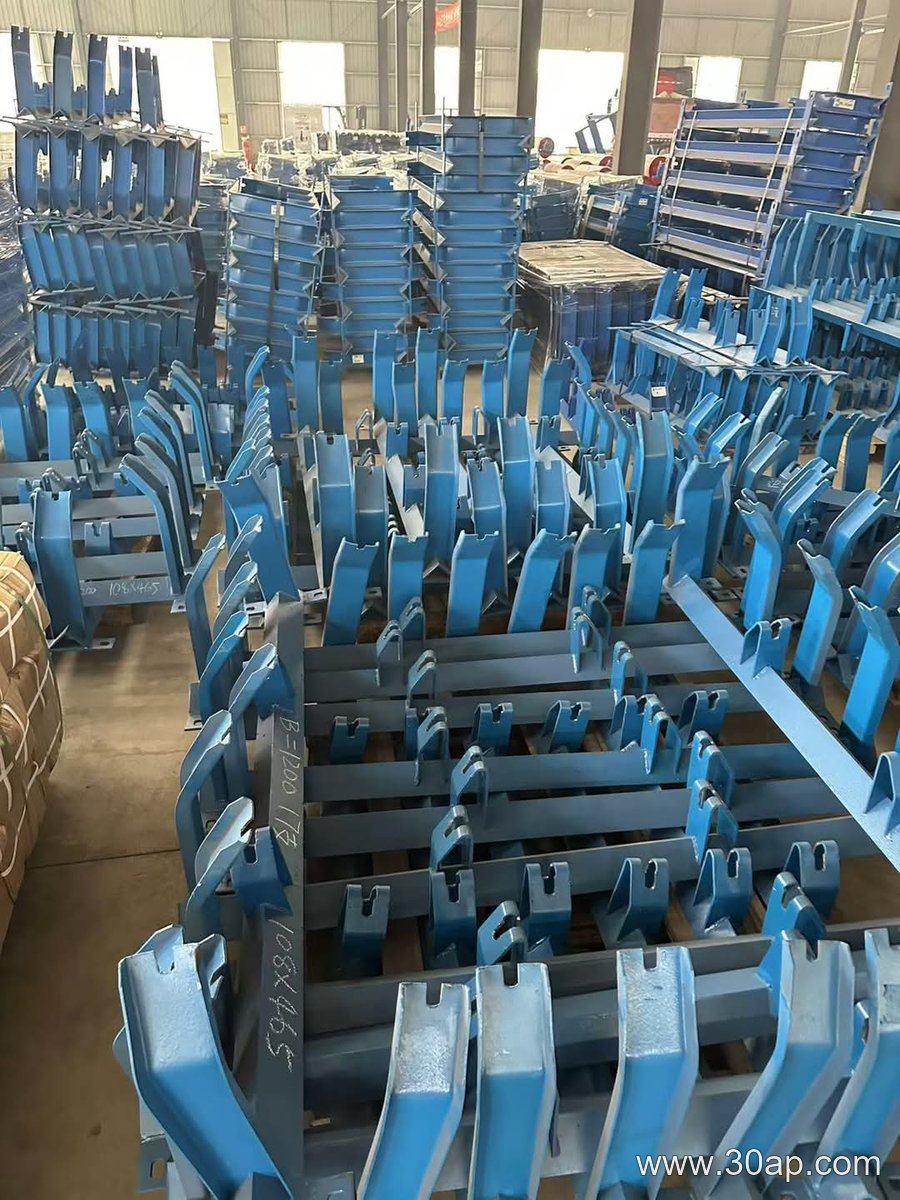
Material grade selection
- Shell: Grade indicates wear resistance; higher grades suit abrasive quarry dust.
- Bearing: Sealed or shielded grades reduce dust ingress.
- Shaft: Corrosion-resistant grades help in wet or acidic dust.
Always match the idler roller’s grade to the conveyed material and environment, not just the standard label.