Why Conveyor Brackets Matter More Than You Think
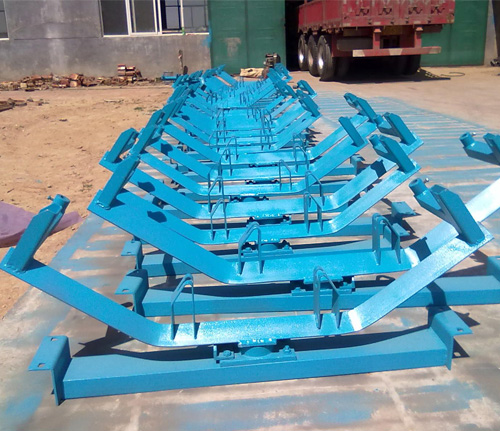
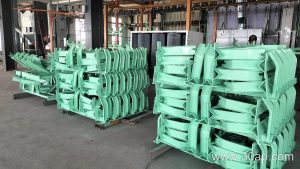
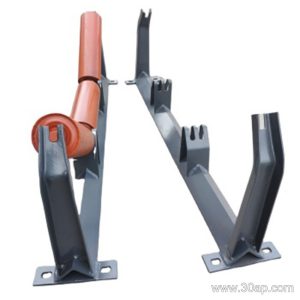
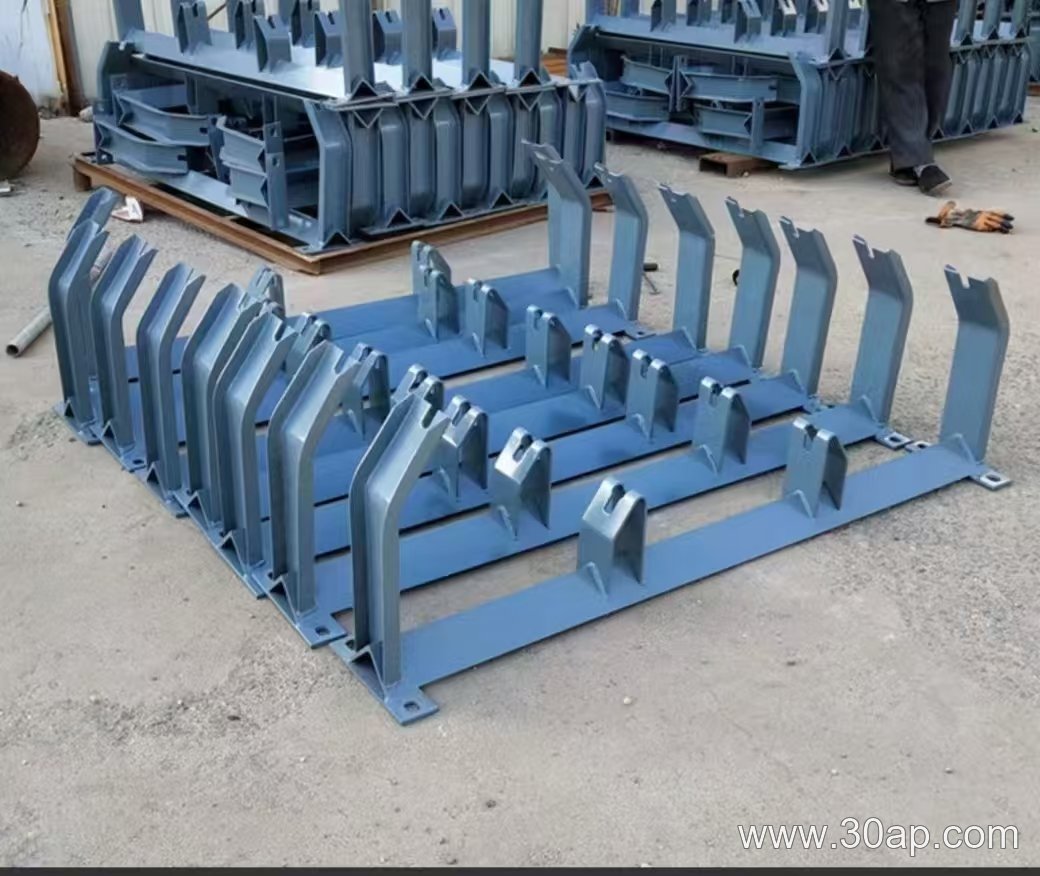
The conveyor bracket is the unsung hero of any belt or roller line. It anchors idlers, guides, and return rollers to the frame, absorbing vibration and maintaining alignment. A weak or mis-specified bracket leads to belt drift, premature wear, and costly downtime.
Key Selection Criteria
- Load rating: Match the bracket’s static and dynamic capacity to your material weight and impact zones.
- Material finish: Choose galvanized steel for humid or corrosive sites; stainless or epoxy-coated for food and chemical plants.
- Adjustability: Slotted or pivot brackets ease alignment during installation and belt tracking corrections.
Purchasing Advice
Always specify the exact conveyor frame width, bolt hole pattern, and idler roll diameter. Request dimensional drawings or 3D models from the supplier to verify fit before mass ordering. For high-speed or heavy-duty systems, invest in brackets with reinforced gussets and replaceable wear inserts to extend service life.
Conveyor Belt Fundamentals for Buyers
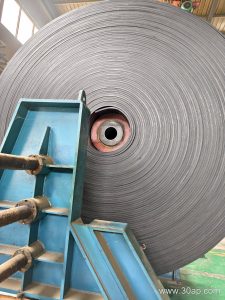
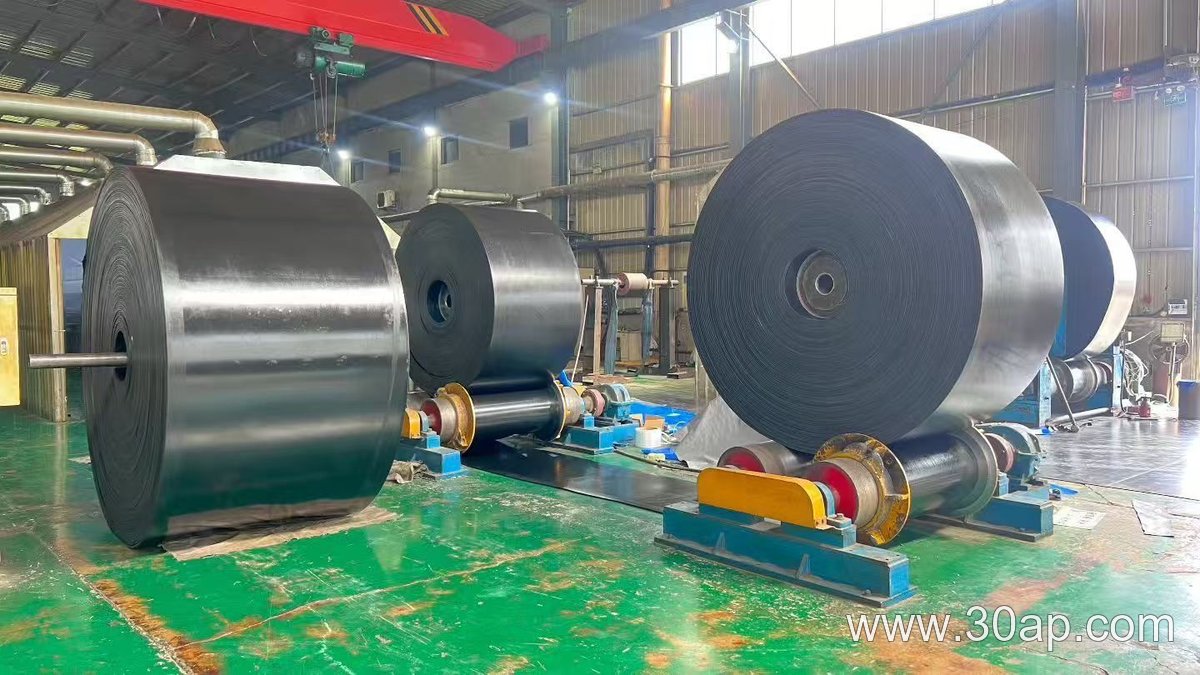
The conveyor belt is the backbone of modern material handling, transferring bulk goods or unit loads across production lines with minimal downtime. Choosing the wrong belt leads to slippage, premature wear, and costly stoppages.
Key Selection Criteria
- Material compatibility: Match the belt compound (rubber, PVC, polyurethane) to the product’s temperature, oil resistance, and abrasiveness.
- Tension and load: Calculate peak belt tension (lbs/in width) and the maximum lump size to avoid edge damage or breakage.
- Environmental factors: For outdoor or washdown use, select covers with UV, ozone, or moisture resistance.
Purchasing Advice
Always request a carcass fabric spec (polyester/nylon) and cover gauge (top and bottom) from the supplier. Validate splice method—mechanical fasteners suit quick fixes, but vulcanized splices extend belt life for high-tension applications. Finally, order a spare belt or repair kit to reduce unplanned downtime.
Idler Roller: Why It Deserves Your Attention
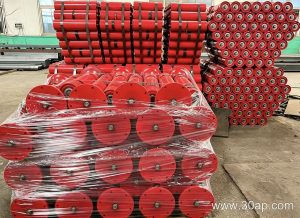
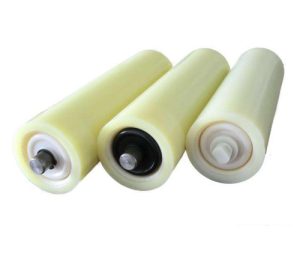
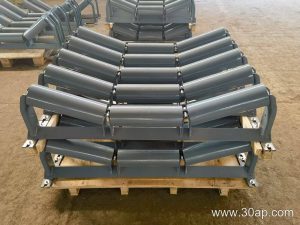
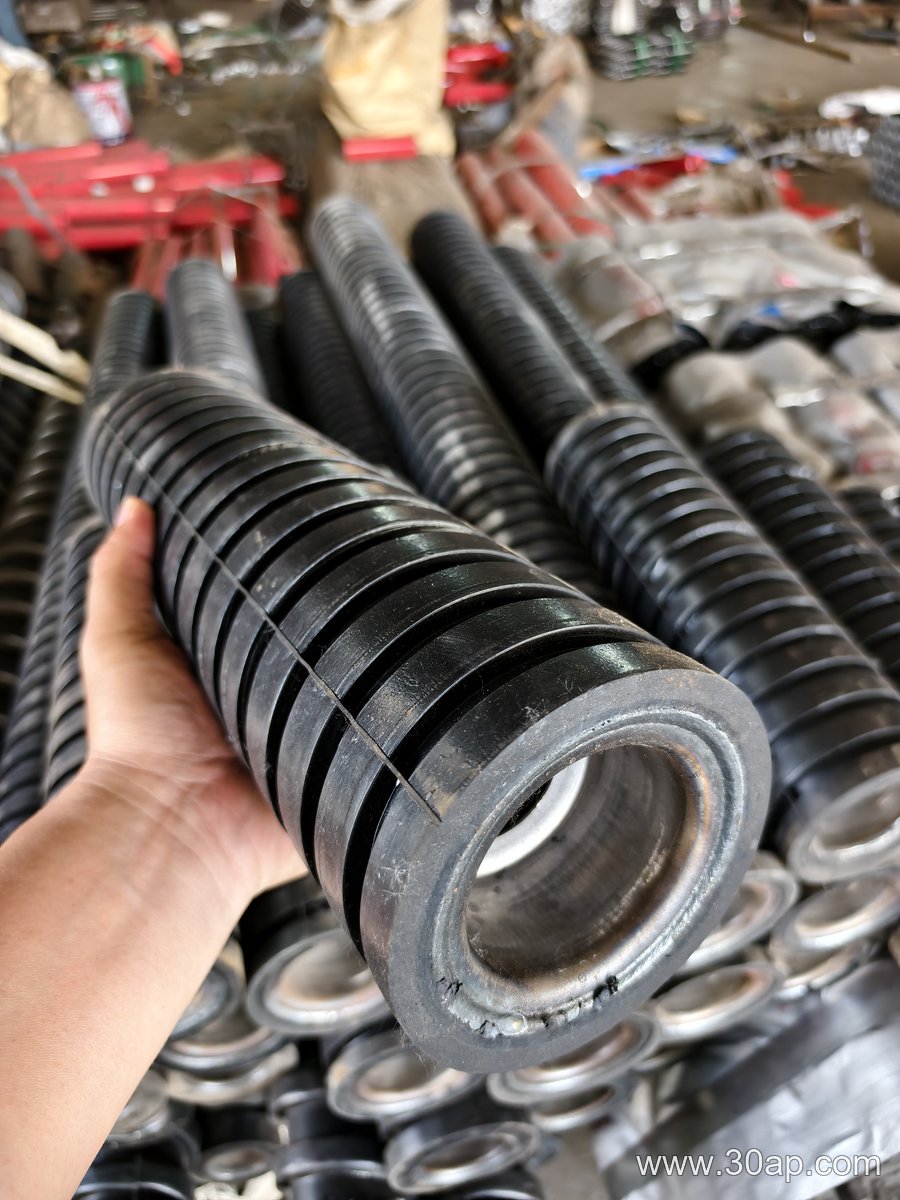
The idler roller is the cylindrical component that supports and guides conveyor belts, reducing friction and ensuring smooth material transport. Without properly selected idler rollers, even the best belt will suffer from misalignment, premature wear, and increased energy consumption.
Key Selection Criteria
- Diameter and wall thickness: Match these to belt speed and load weight to avoid deflection.
- Bearing type and sealing: Choose sealed bearings (e.g., labyrinth or contact seals) for dusty or wet environments.
- Shell material: Steel for heavy impact; HDPE or rubber-coated options for abrasive or corrosive materials.
- Trough angle: Standard 20°, 35°, or 45° – align with belt width and material repose.
Purchasing Advice
When buying idler rollers, request technical datasheets with load ratings and run-out tolerance. Verify that the roller’s shaft diameter fits your existing frames, and consider spare parts availability. For critical applications, ask for a dynamic balancing test to reduce vibration and extend bearing life.
Understanding the Conveyor Pulley’s Core Role
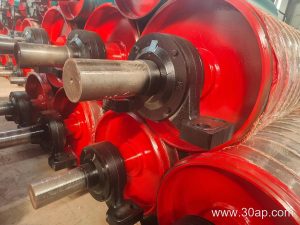
The conveyor pulley is the mechanical heart of any belt conveyor system, converting drive torque into belt traction and maintaining proper belt tension. Its performance dictates system efficiency, wear rates, and operational safety.
Critical Design and Material Factors
Choose between welded steel, cast iron, or engineered composite pulleys based on load, speed, and environmental conditions. Welded steel offers superior strength-to-weight ratios for heavy-duty applications, while composite pulleys excel in corrosive or washdown environments.
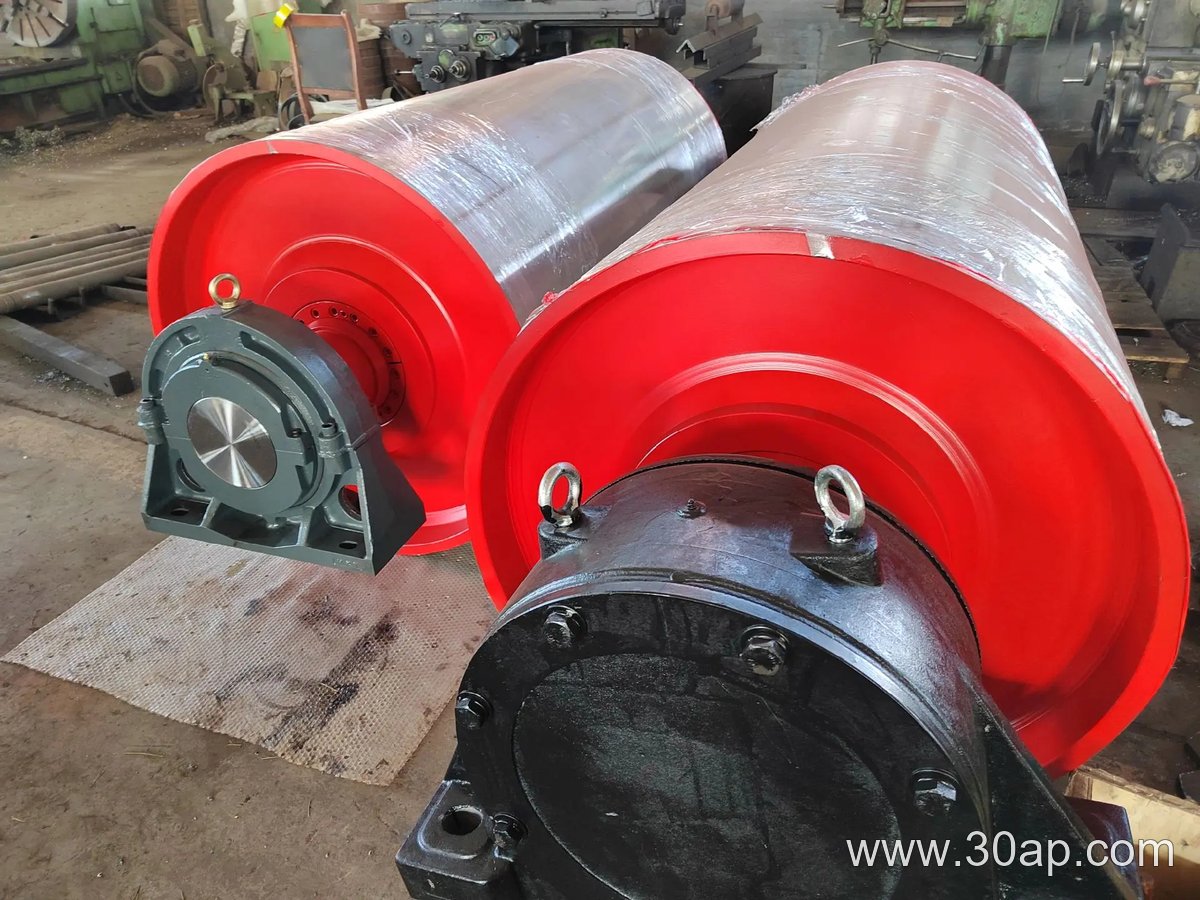
- Shell thickness must match belt tension and pulley diameter.
- Lagging (rubber or ceramic) increases friction and reduces belt slippage, particularly on drive pulleys.
- Bearing and shaft selection require calculating dynamic loads, including belt sag and material impact.
Selection and Purchasing Advice
Specify crown profile (straight vs. crowned) to aid belt tracking. Verify balance grade (ISO 1940) for high-speed lines to prevent vibration. Request load ratings for both radial and axial forces. Ensure the pulley’s hub and bushing system matches your existing shaft tolerance for easy installation. Purchase from suppliers who provide full dimensional and material certifications, and confirm lead times for custom diameters or lagging types.