What the Ø180 Conveyor Idler Is
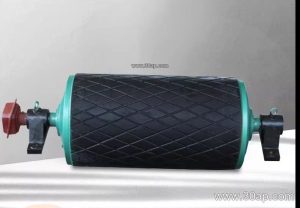
The Ø180 Conveyor Idler is a carrying or return roller built around a 180 mm nominal shell diameter. The symbol Ø simply marks diameter, so this is an idler roller with a 180 mm roller body, normally fitted as part of a troughing set, a transition group, or a return run on a bulk handling conveyor. In a quarry, a cement plant, or a power plant coal yard, this size sits in the middle of the common range: larger than the small rollers used on narrow belts, smaller than the heavy rollers found on very wide or high-tonnage lines. It is an idler, not a conveyor pulley, so it rotates with the belt rather than driving or redirecting it.
How the Roller Is Put Together
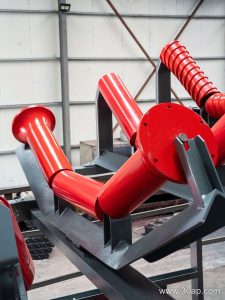
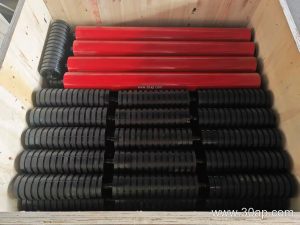
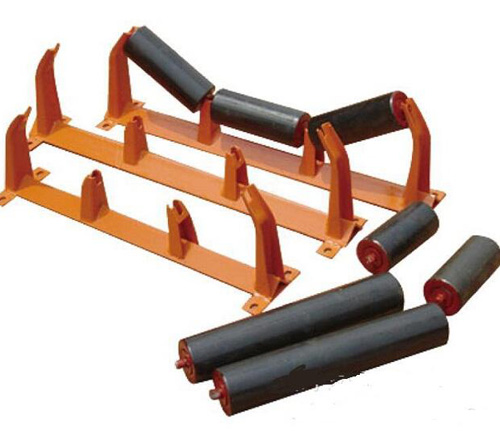
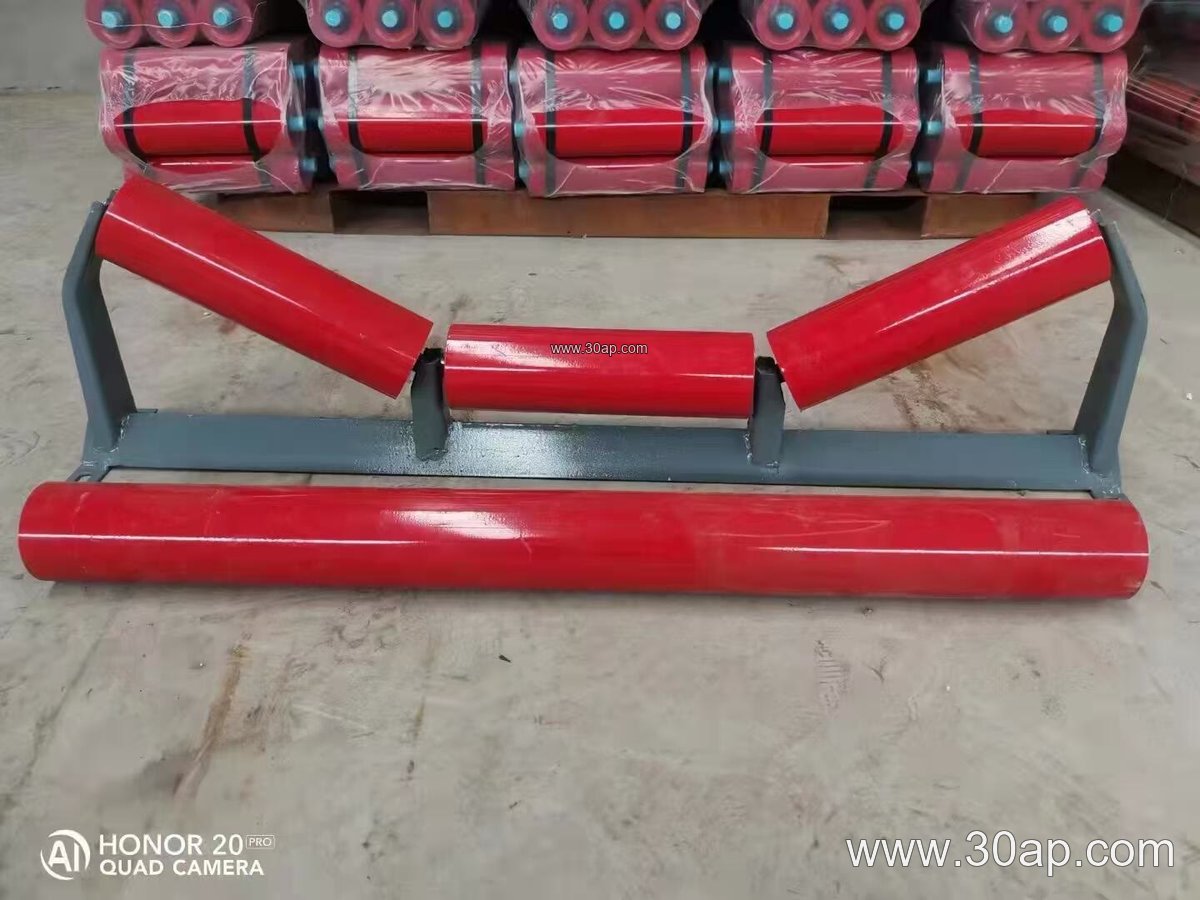
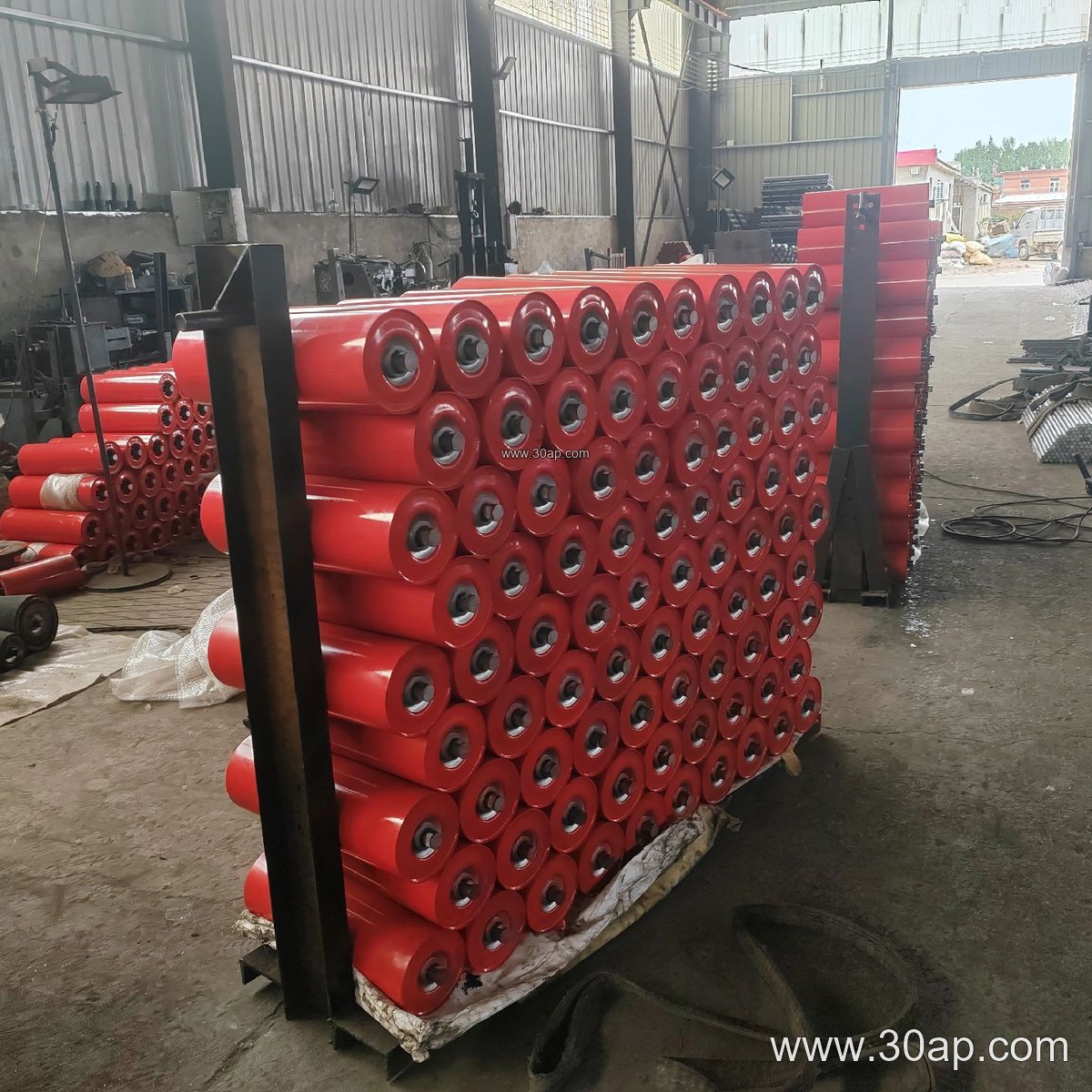
A typical unit has a steel tube shell, welded end discs, a through shaft, bearing housings, and a sealing arrangement. The shaft is usually machined at the ends so it can sit in the conveyor bracket or frame. Bearings are commonly deep-groove ball types, with 6205, 6305, 6306, or 6308 appearing in this diameter class depending on load and design; there is no single correct bearing for every Ø180 roller. Shell surfaces vary: plain steel, nylon, ceramic, or rubber rings. Rubber rings are useful on impact zones, and ceramic or nylon covers help where sticky material builds up.
Common Construction Options
- Shell material: steel tube, with optional nylon, ceramic, or rubber surfaces
- Bearing type: sealed deep-groove ball bearings in several sizes
- Shaft ends: flat, grooved, or with a machined locating section
- Sealing: labyrinth or contact seals for dusty service
Where It Fits on the Conveyor
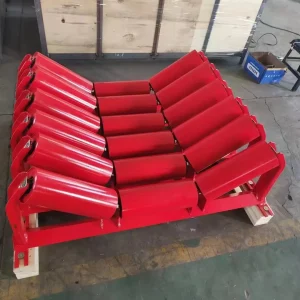
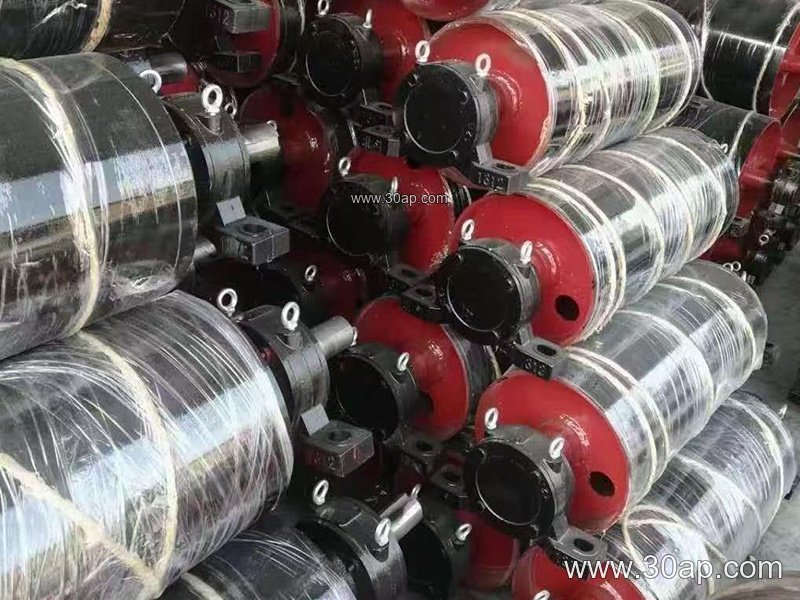
The Ø180 roller is most often used on medium to wide belts. Troughing sets with three rolls are common, and the same diameter can appear as a return roller or as part of a transition group near the tail. In a limestone mine or a sand and aggregate line, troughing idlers carry the loaded strand, while return idlers support the empty side. A V-type return set is a different arrangement that helps centre the belt, and it should not be confused with the flat return roll it replaces in some layouts. The idler works together with the conveyor belt, the conveyor pulley at the drive and tail, and the frame that holds everything in line.
Typical Dimensions and Matching
Roller length is not fixed by diameter alone. It follows belt width, trough angle, and the number of rolls in the set. The table below shows common reference values for three-roll troughing sets; side rolls and centre rolls may differ, so these are examples rather than universal rules.
Reference Roller Lengths by Belt Width
| Belt Width | Typical Roller Length | Common Trough Angle |
|---|---|---|
| B500 | about 200 mm | 20°–35° |
| B650 | about 250 mm | 20°–35° |
| B800 | about 315 mm | 30°–35° |
| B1000 | about 380 mm | 30°–35° |
| B1200 | about 465 mm | 30°–45° |
| B1400 | about 530 mm | 30°–45° |
| B1600 | about 600 mm | 35°–45° |
| B1800 | about 670 mm | 35°–45° |
| B2000 | about 750 mm | 35°–45° |
These lengths are typical references, not a fixed pairing. A B1200 belt can use several roller diameters, and a Ø180 idler can serve more than one belt width. Shaft diameter should be calculated from the actual load, not assumed from belt width.
What a Buyer Should Check
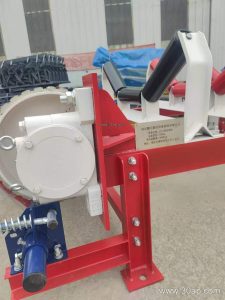
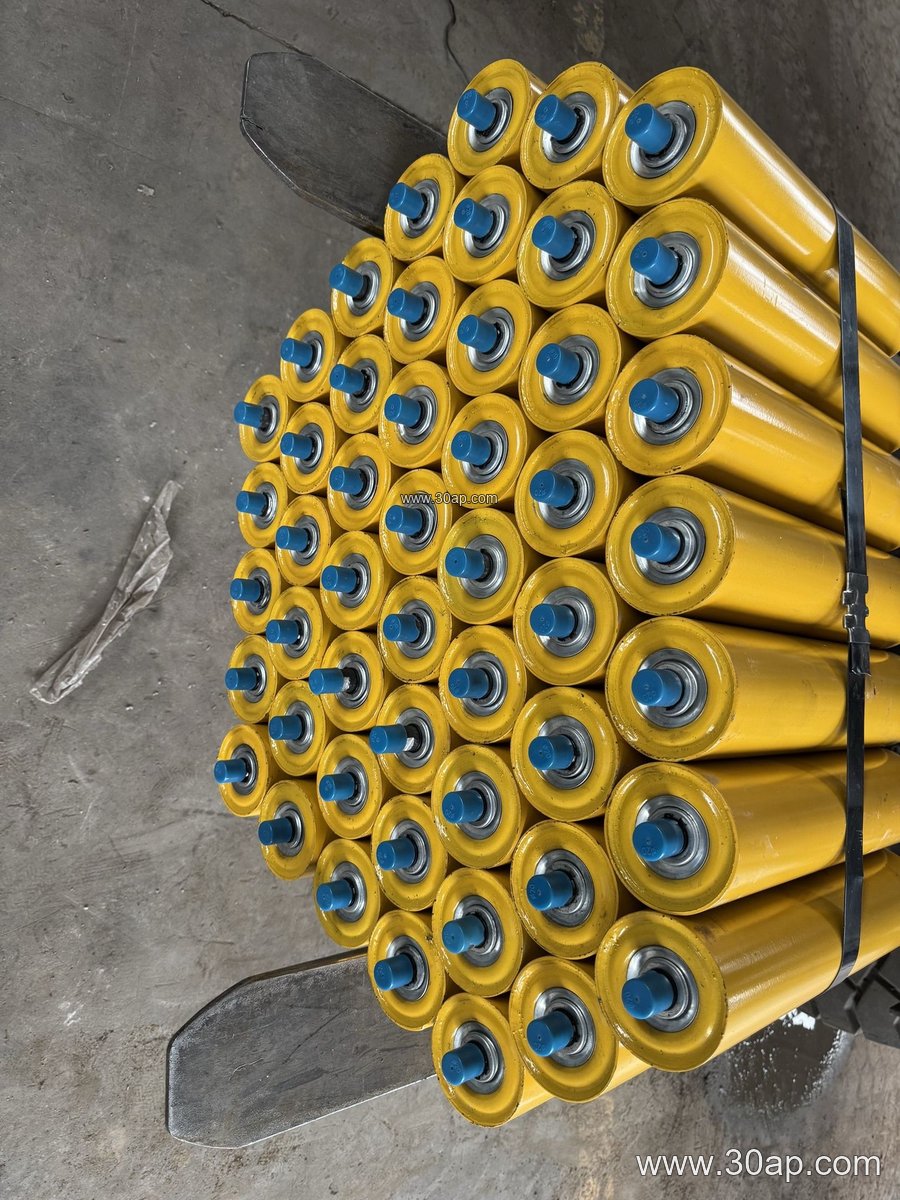
Start with the duty. Abrasive ore or crushed rock calls for a wear-resistant shell and good sealing; a coal yard may need flame-retardant belt and roller choices, and a food or grain line may need a cleanable surface. Confirm the mounting: shaft end shape, bracket spacing, and the height of the roller above the frame. Ask how the seals handle dust and water, since bearing life usually ends when contamination gets in. For impact areas, consider a rubber-ring version rather than a plain steel roll. If the line uses a steel cord conveyor belt or a heavy-duty fabric belt, the idler frame and shaft size should match the belt tension and load, but the idler itself remains a separate item from the drive pulley.
Spare parts planning matters too. A Ø180 roller that matches the rest of the troughing set keeps the belt line true and avoids mixing diameters within one group. Keep a few spare rollers and brackets on hand, and check alignment and grease condition during routine stops. A well-chosen idler roller protects the belt, reduces spillage, and keeps the conveyor running smoothly from the loading point to the discharge end.