What a High Wear-Resistant Lagged Pulley Does
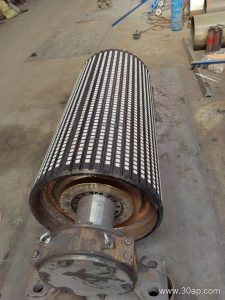
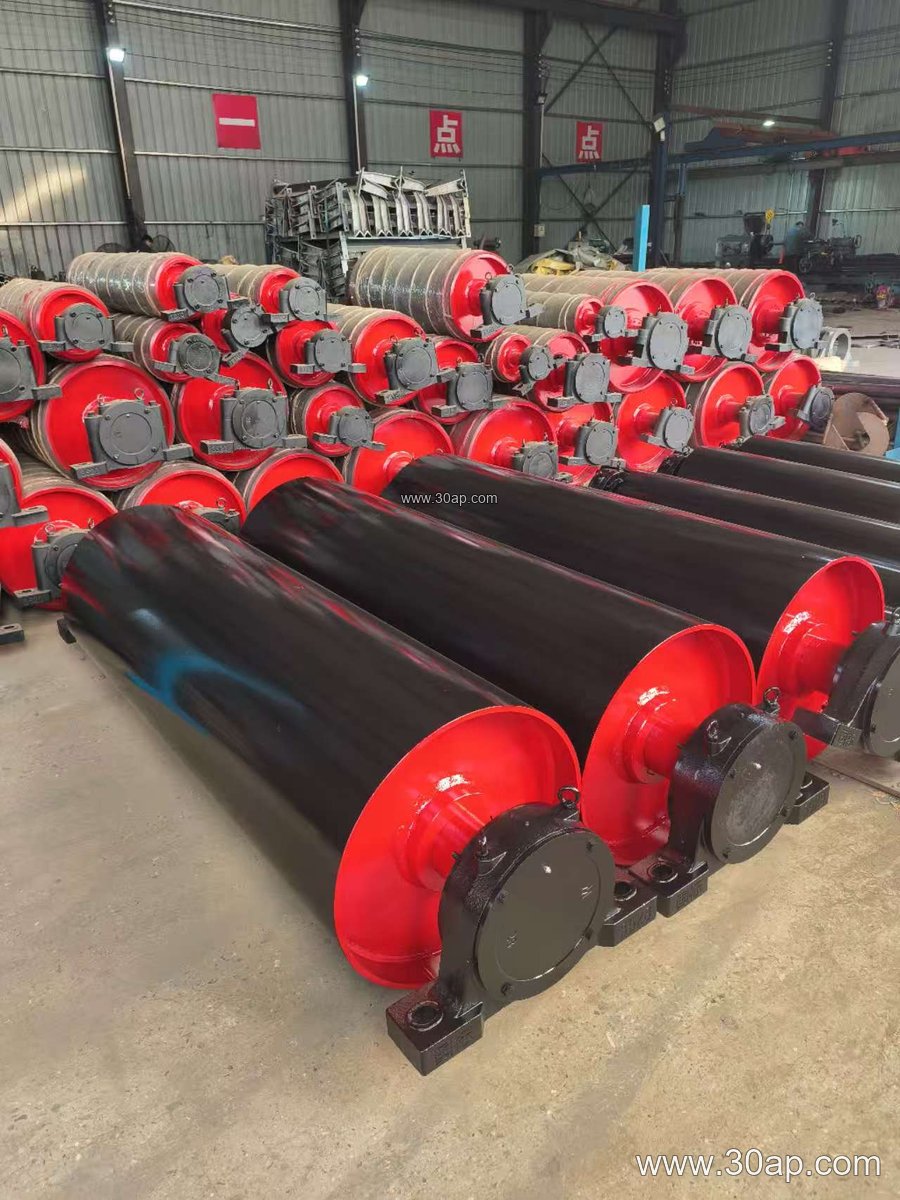
A high wear-resistant lagged pulley is a conveyor pulley whose shell is covered with a tough rubber or ceramic layer to protect both the pulley face and the belt. In a quarry, a limestone mine, or a sand and gravel line, the drive pulley must grip a loaded belt while grit, moisture, and sharp fines work against the surface. The lagging creates friction, sheds material, and takes the abrasion that would otherwise attack the steel shell. It is a wear part as much as a drive component, and its quality decides how often maintenance crews must climb into the frame.
Construction and Surface Options
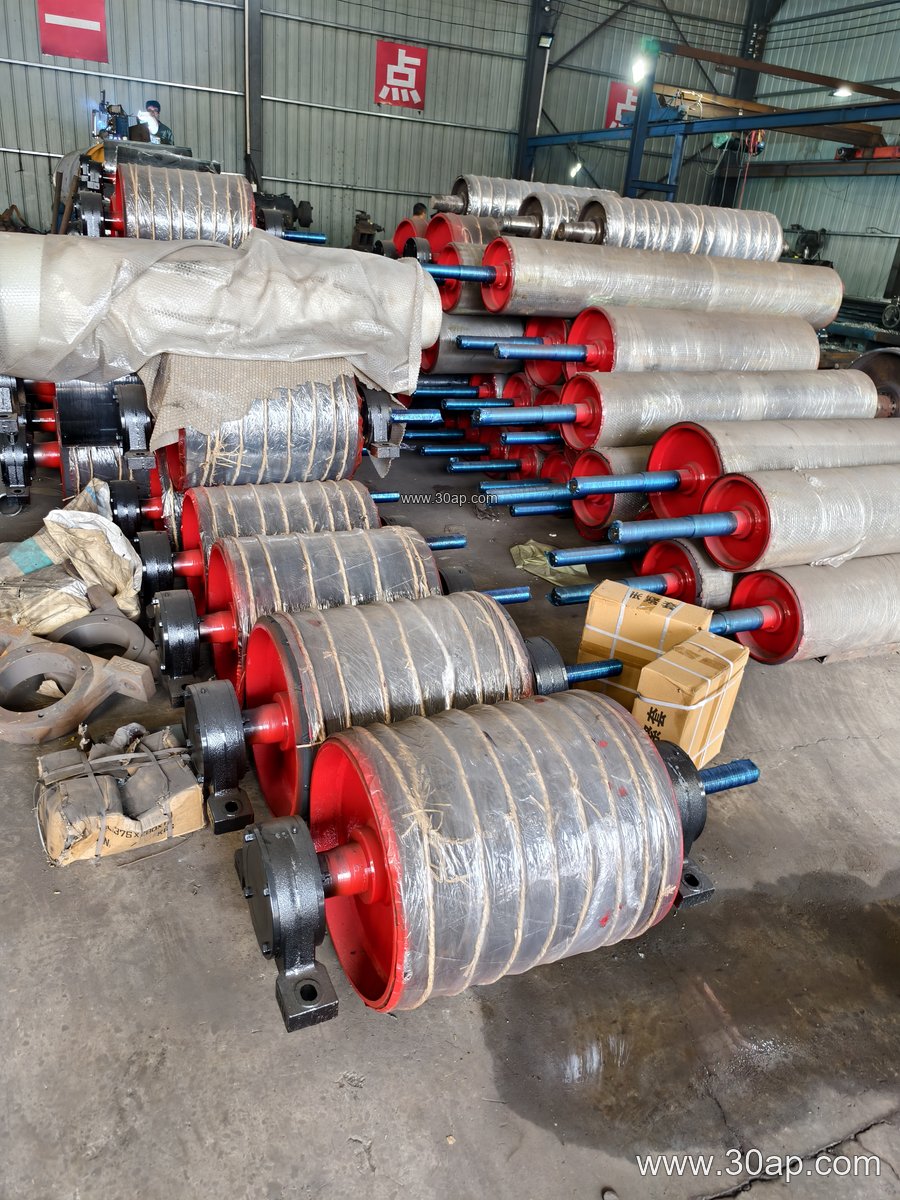
Builders begin with a welded steel drum, machined hubs, and a shaft sized to the torque and load rather than to belt width. The wear-resistant layer is then applied in one of several ways.
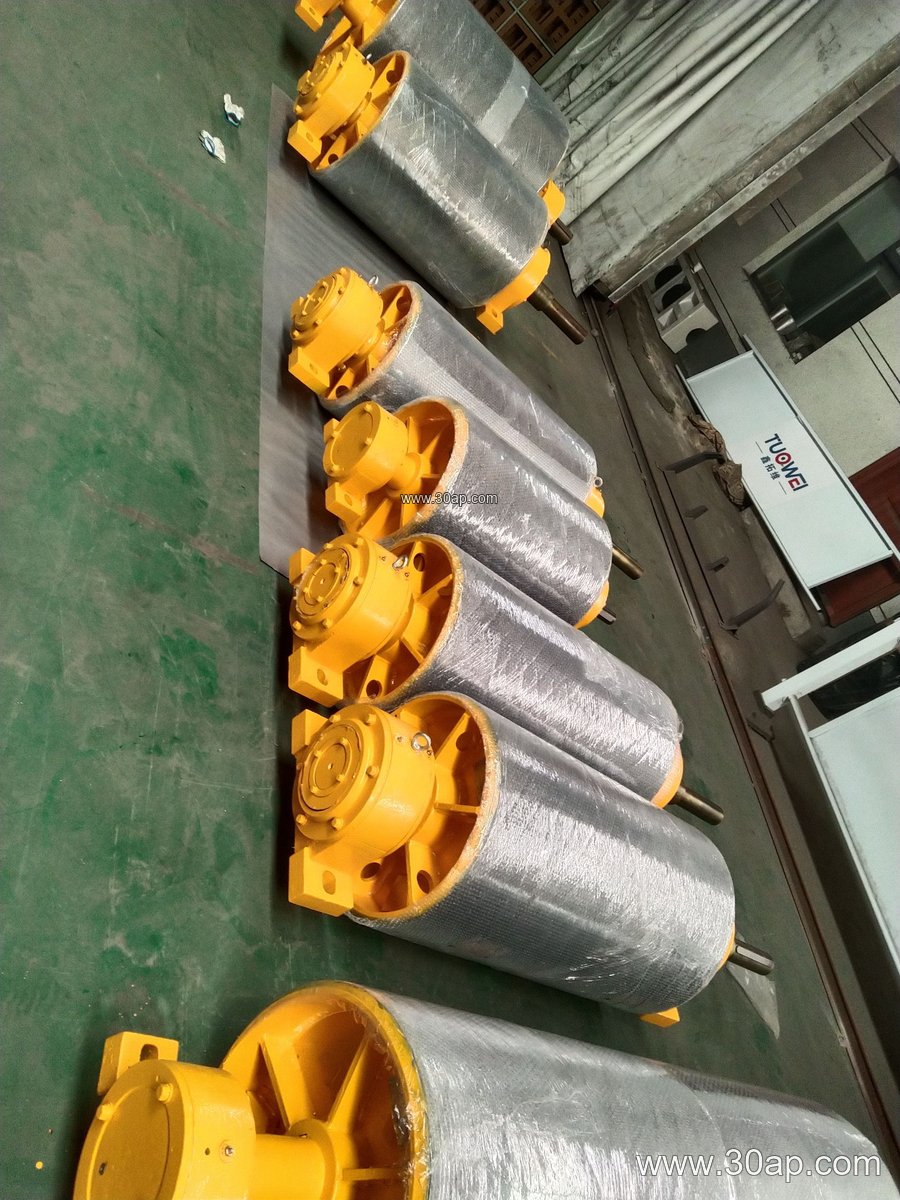
- Hot vulcanized rubber, bonded under heat and pressure for a strong, uniform joint
- Cold-bonded rubber, often chosen for field replacement or smaller drums
- Diamond pattern lagging to improve grip and help water escape
- Ceramic lagging, with embedded tiles for the most abrasive duties
- Plain rubber for general contact where extra traction is not critical
Common lagging thicknesses are 8, 10, 12, 15, and 20 mm. A thicker layer lasts longer but changes the pulley diameter slightly, so the effect on belt speed and take-up travel should be considered. Rubber grades should match the duty: an abrasion resistant conveyor belt running over a gritty load benefits from a similarly tough lagging, while oily material may call for an oil-resistant rubber compound.
Sizes and Dimensional Planning
Drum width usually runs a little wider than the belt so the belt stays supported. Diameter is selected from belt tension, wrap angle, shaft load, and the space available in the frame. The table below gives reference combinations only; each conveyor is designed on its own duty.
| Belt width | Typical pulley face width | Reference diameter |
|---|---|---|
| B650 | about 750 mm | Ø400 to Ø500 |
| B800 | about 950 mm | Ø500 to Ø630 |
| B1000 | about 1150 mm | Ø630 to Ø800 |
| B1200 | about 1400 mm | Ø800 to Ø1000 |
| B1400 | about 1600 mm | Ø800 to Ø1250 |
Shaft diameters commonly appear as Ø80, Ø100, Ø120, Ø140, Ø160, and larger. A B1200 drum may be built with several shaft sizes depending on torque, so shaft diameter should never be guessed from belt width alone.
Where the Lagging Matters Most
On a primary drive pulley at a hard rock quarry, the lagging transfers motor torque into the belt. On a tail or bend pulley, it protects the shell from carryback and misalignment wear. The term high wear-resistant lagged pulley is most often applied to head or drive positions, but the same covering can be fitted to a tension pulley in a tunnel mucking line or a cement plant clinker conveyor. In coal handling, fire resistant and anti-static properties of the rubber may also matter, and the lagging compound should be checked against the site’s safety requirements.
Buyer Checklist
- Confirm the pulley role: drive, tail, bend, or take-up, since these are not interchangeable and each has different loads.
- Match lagging pattern and thickness to the material, not just to the belt.
- Check that the conveyor belt width and pulley face width allow proper belt tracking.
- Ask for the rubber compound data and bonding method, especially for hot vulcanized or ceramic lagging.
- Plan spare lagging or a spare drum for critical drives, since replacement downtime is often the largest cost.
Related parts such as the conveyor bracket, idler roller, and belt cleaner all influence how long the lagging lasts. A well-aligned frame and effective cleaning reduce grit trapped between belt and drum, which is a leading cause of premature wear. Buyers comparing a fabric core conveyor belt line with a steel cord conveyor belt line will also notice different tension levels and therefore different demands on the drive pulley surface. For heavy-duty mining conveyor belt systems, ceramic or thick hot-bonded rubber lagging is often the practical choice. For lighter aggregate duty, diamond rubber may be sufficient. More technical notes on matching drums with rubber conveyor belt and EP conveyor belt installations are available at beltconveyorpro.com.