What a Conveyor Frame Does
A conveyor frame is the structural backbone of a belt conveyor. It carries the idler roller assemblies, holds the conveyor pulley at each end, and keeps the conveyor belt tracking in a stable line from loading point to discharge. In a quarry, a cement plant, or a coal handling system, the frame is what turns separate components into one working machine. Drive, tail, and bend pulleys each sit in their own frame section and are not interchangeable; the frame is designed around the function of each position.
The frame also sets the geometry that the belt sees: trough angle, transition length, and the spacing between idler stations. Get that geometry right and the belt runs quietly. Get it wrong and you get spillage, edge wear, and mistracking.
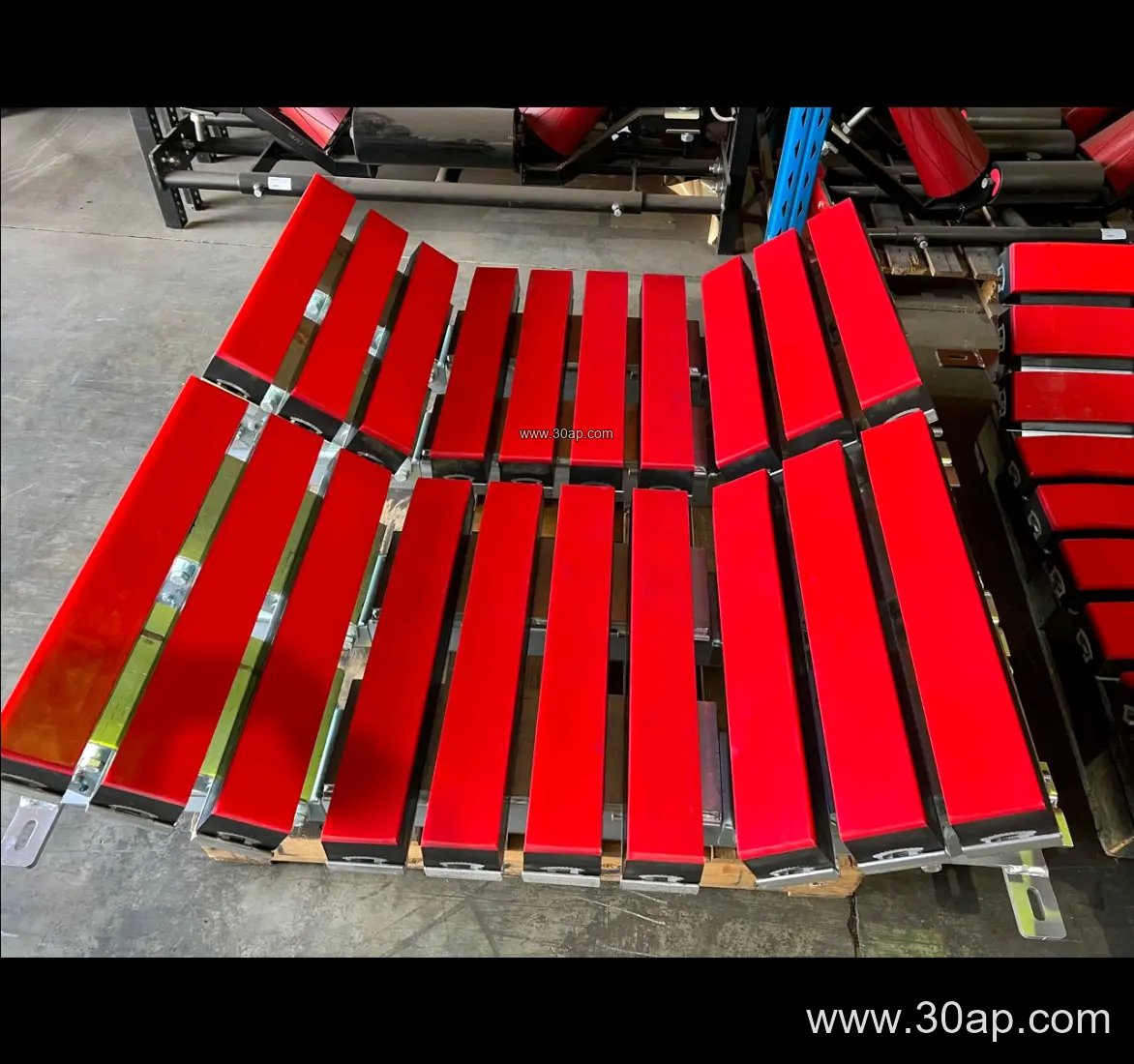
How the Frame Is Built
Most frames are fabricated from angle steel, channel steel, or folded steel plate. Longitudinals run the length of the conveyor, cross beams carry the idler brackets, and support legs tie the structure to the ground or to a steel gallery. Bolted construction is common so sections can be shipped and assembled on site; welded frames are used where stiffness matters more than portability.
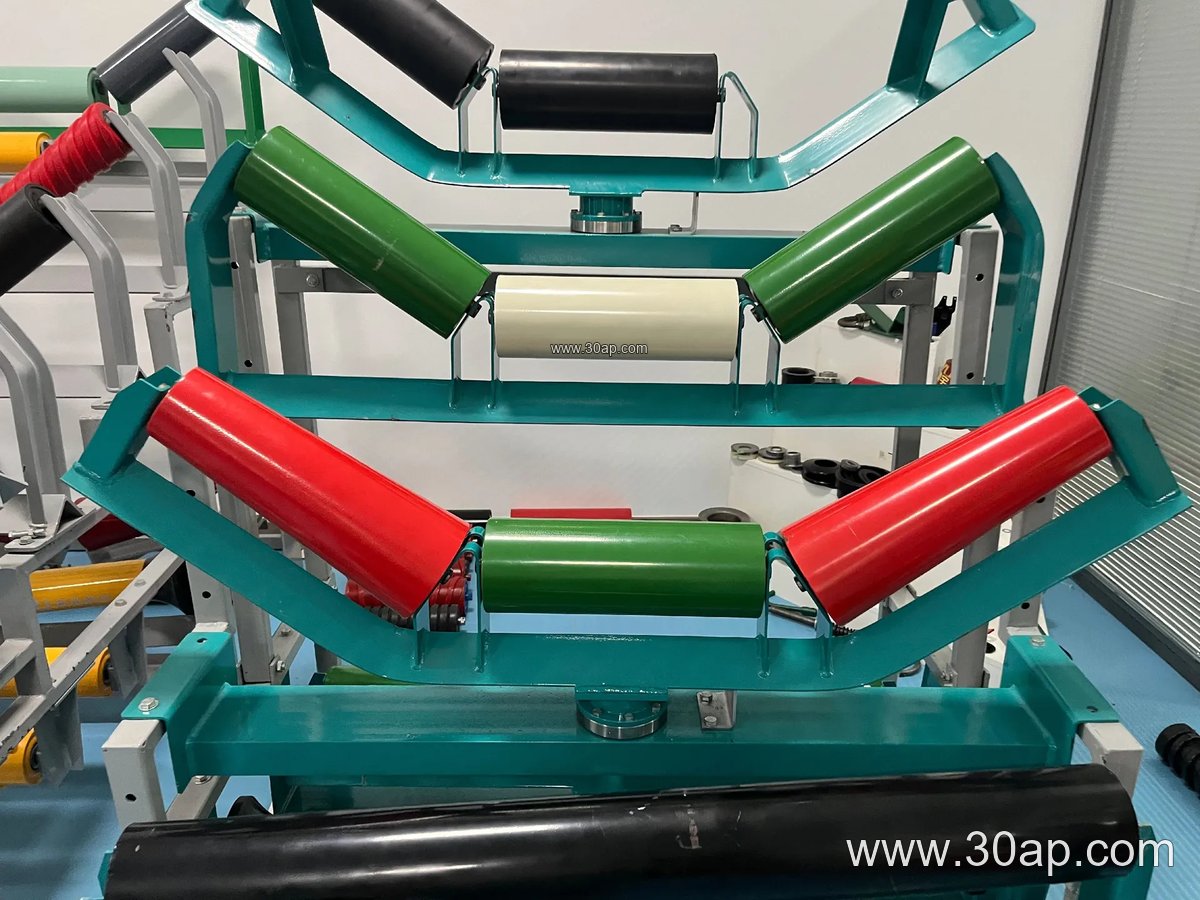
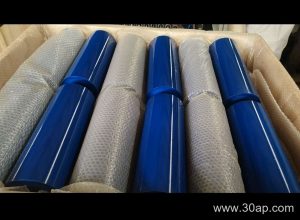
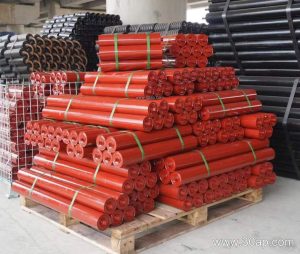
The idler brackets themselves are a separate item from the main frame, and the two must match. A bracket drilled for Ø108 rollers will not accept a Ø159 roller without modification, so bracket type, hole spacing, and beam length are usually confirmed together with the frame drawing.
Frame Types and Where They Sit
- Troughing frame (carrying side) – supports three-roll idler sets that form the belt into a trough. Common trough angles are 20, 30, 35, and 45 degrees.
- Transition frame – guides the belt from flat at the pulley to full trough over a defined distance.
- Return frame – carries flat or V-return idlers under the loaded strand.
- Impact frame – reinforced section under the loading chute, fitted with impact idlers or a cushioning bed.
- Self-aligning frame – mounts training idlers that correct minor mistracking.
- Adjustable frame – allows the trough angle to be changed within a range, useful during commissioning.
Fixed and adjustable frames are often compared. A fixed frame is simpler and stiffer; an adjustable one gives room to fine-tune trough angle without cutting steel. Forward-tilted idler frames, typically about 1.5 to 2 degrees, are used to assist belt training on long runs.
Matching Frame to Belt and Roller
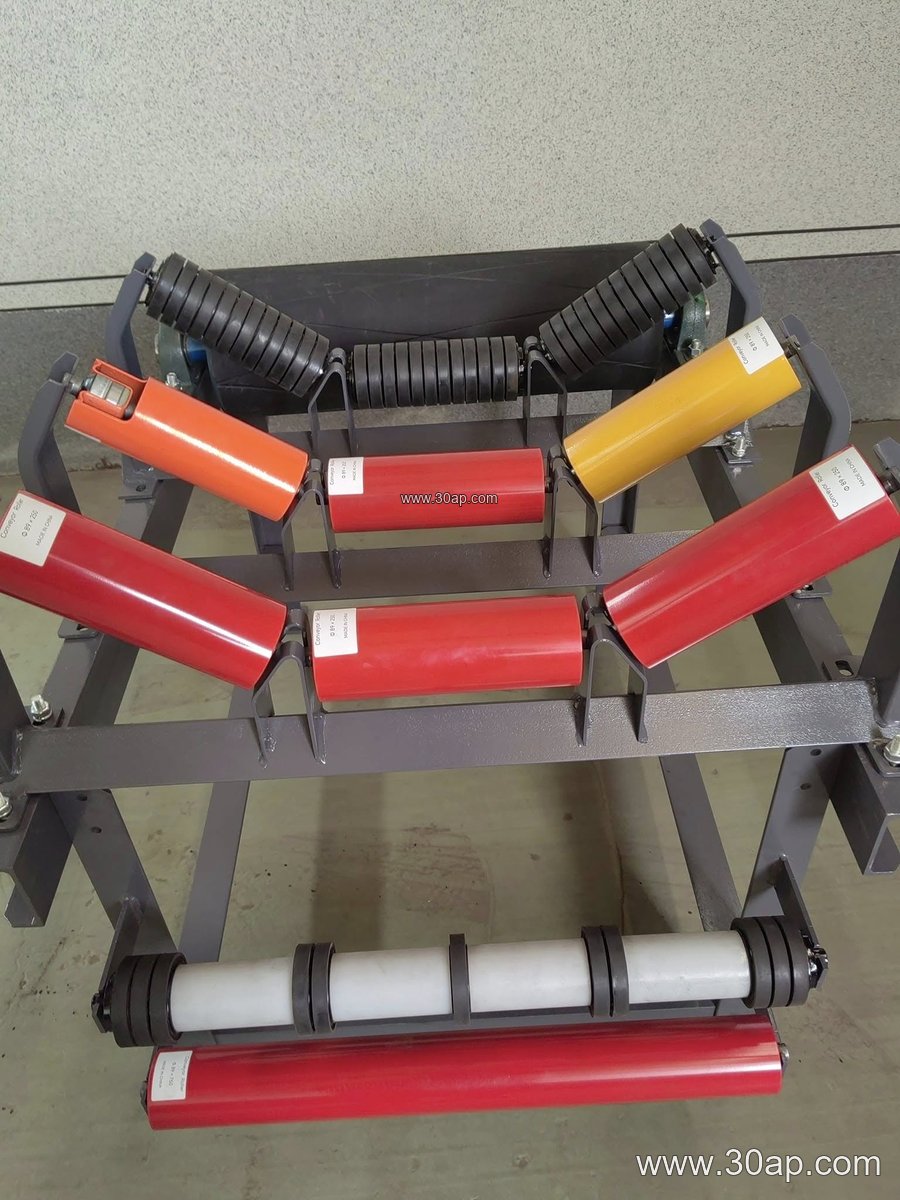
Belt width drives the frame width, and roller diameter follows the load and belt speed. Typical reference combinations include B800 with a 35-degree trough and Ø108 rollers, B1200 with 45 degrees and Ø133, or B650 with 30 degrees and Ø89. These are examples, not fixed rules: one belt width can work with more than one trough angle and more than one roller diameter. Installation hole spacing and cross beam length change with belt width and trough angle and are confirmed per design.
| Belt width | Common trough angle | Typical roller diameter |
|---|---|---|
| B500 / B650 | 20° – 35° | Ø89 |
| B800 / B1000 | 30° – 35° | Ø108 |
| B1200 / B1400 | 35° – 45° | Ø133 / Ø159 |
| B1600 / B1800 | 35° – 45° | Ø159 / Ø194 |
| B2000 / B2200 | 35° – 45° | Ø194 |
Where Frames Are Used
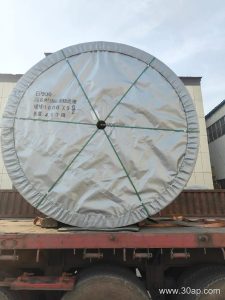
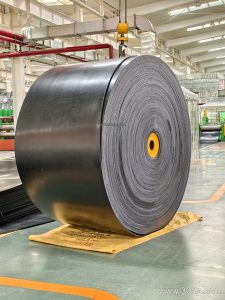
You will find conveyor frames in stone crushing and screening lines, limestone and iron ore mines, coal preparation plants, power station coal yards, and port loading systems. A frame in a tunnel spoil line faces different conditions from one in a grain silo, so material grade and coating are usually chosen for the site. On a heavy-duty mining conveyor, a robust frame paired with a Steel Cord Conveyor Belt and properly sized rollers keeps downtime low. In cement plants, a Heat Resistant Conveyor Belt may run on frames close to the kiln area, where expansion and alignment need extra attention.
What to Check Before Buying
Start with the belt width, the required trough angle, the roller diameter, and the load per station. Confirm the pulley positions and whether the frame must suit a conveyor pulley with a specific bearing housing. Ask for the bracket hole pattern and cross beam length, since these determine whether your existing idlers will fit. Check the surface treatment for the environment: a wash-down food line and an abrasive Abrasion Resistant Conveyor Belt circuit in a quarry have very different demands. Finally, plan the idler spacing along the frame; too wide and the belt sags, too narrow and you add cost without benefit.