What a Large Belt Conveyor Idler Is
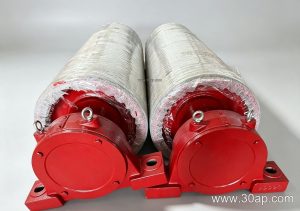
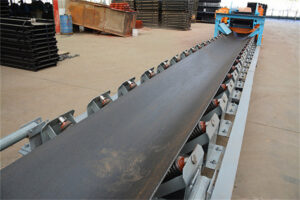
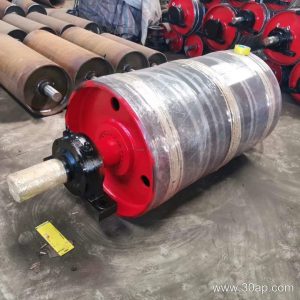
A large belt conveyor idler is a heavy-duty rotating roller assembly that supports and shapes the conveyor belt along its carrying and return runs. In high-tonnage operations such as an iron ore mine, a coal preparation plant, or a limestone quarry, these idlers carry the weight of the belt plus the material load while keeping friction low. The term usually refers to idlers built for wider belts and higher load ratings, often with larger roller diameters and heavier bearings than light-duty units. A related equivalent name you will see in specifications is the heavy-duty conveyor idler roller, and the two describe the same product category. They should not be confused with a conveyor pulley: drive, tail, and bend pulleys transmit power or change belt direction, while idlers simply support the belt.
Construction and Main Components
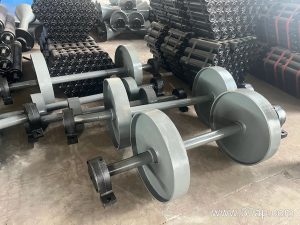
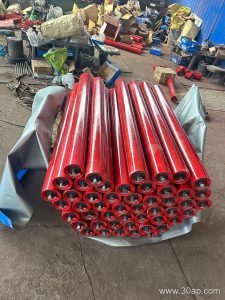
A typical large idler consists of a steel tube shell, a shaft, bearing housings, and a sealing arrangement. The shell may be plain steel, nylon-coated, ceramic-covered, or fitted with rubber rings depending on the duty. Bearings are commonly selected from sizes such as 6205, 6305, 6306, 6308, or 6310, but the correct bearing is matched to the calculated load and shaft design rather than to belt width alone. Sealing is critical in dusty environments like a cement plant or a crushing and screening line, because grit that reaches the bearing shortens service life. The idler is mounted in a conveyor bracket or frame, and the assembly is arranged as a single roller, a two-roller set, or a three-roller troughing set.
Common Types and Where They Sit
The carrying run usually uses troughing idlers, which may be arranged at a trough angle of 20, 30, 35, or 45 degrees. A three-roll troughing set is common on wide belts. Transition idlers help the belt move smoothly from flat to troughed. On the return side, flat return idlers or V-return idlers support the belt. Impact idlers and rubber-ring impact idlers are placed under loading points to absorb shock from falling material. Self-aligning idlers, including friction and tapered types, help correct belt tracking. Spiral idlers are sometimes used where sticky material tends to build up on the roller surface.
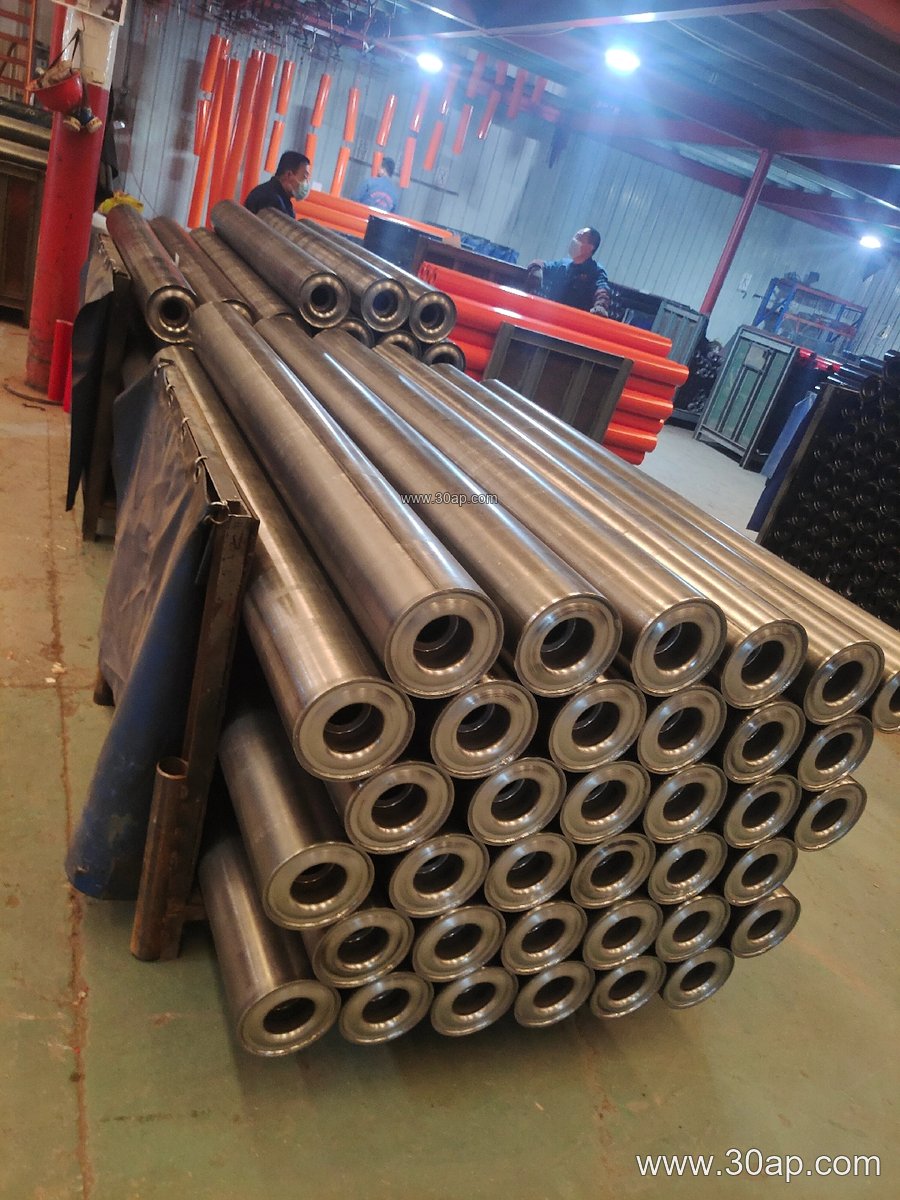
Typical Sizes and Reference Dimensions
Large idlers are available across a range of roller diameters and belt widths. The table below shows common reference values; final selection depends on load, speed, and frame design. Roller length varies with belt width, trough angle, and roller position, and side rollers may differ from the center roller.
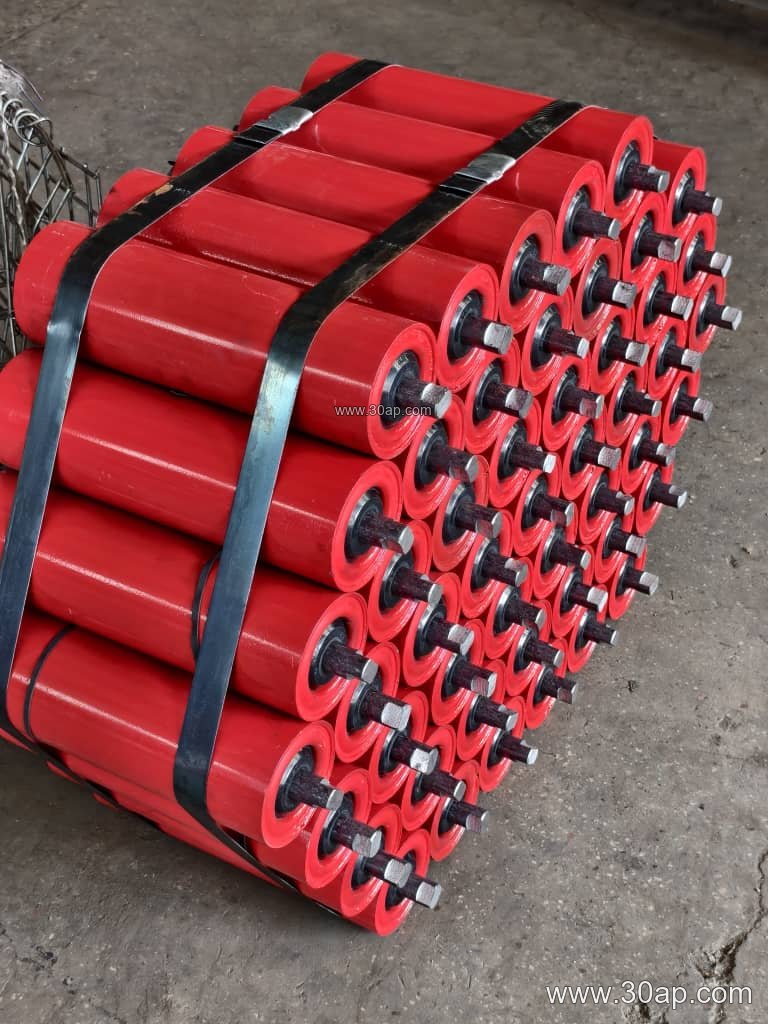
| Parameter | Common Reference Values |
|---|---|
| Roller diameter | Ø89, Ø102, Ø108, Ø127, Ø133, Ø159, Ø178, Ø194, Ø219 mm |
| Belt width | B800, B1000, B1200, B1400, B1600, B1800, B2000 mm |
| Trough angle | 20°, 30°, 35°, 45° |
| Roller surface | Steel tube, nylon, ceramic, rubber rings |
| Bearing sizes | 6205, 6305, 6306, 6308, 6310 |
| Example roller length (three-roll troughing) | B800 about 315 mm; B1000 about 380 mm; B1200 about 465 mm; B1400 about 530 mm; B1600 about 600 mm |
These figures are examples, not fixed combinations. A given belt width can be paired with more than one roller diameter, and shaft size must be calculated from the actual load.
Where Large Idlers Are Used
Heavy-duty idlers appear wherever a conveyor belt moves abrasive or heavy bulk material. In a copper mine or a sintering plant, they support long overland and in-plant conveyors. In a power plant coal handling system, troughing and return idlers keep the belt aligned through transfer points. In a port terminal or a concrete batching plant, sealed idlers resist dust and moisture. The right idler type and roller diameter depend on belt speed, material density, lump size, and the layout of the conveyor frame and brackets.
What Buyers Should Check
- Confirm the belt width and trough angle before choosing roller length and diameter.
- Match bearing size and shaft to the calculated load, not just to belt width.
- Specify the sealing level needed for dust, moisture, or washdown.
- Decide between steel, nylon, ceramic, or rubber-ring surfaces based on wear and material stickiness.
- Check that brackets and frames accept the selected idler set and that replacement parts are interchangeable.
- Ask for dimensional drawings and bearing details rather than relying on a single size figure.
Large belt conveyor idlers are a long-life consumable, so consistent dimensions and reliable sealing matter as much as initial load capacity. Review the full conveyor layout, including pulleys and belt tension, before finalizing an idler specification.