What the Impact Idler Bracket Does at the Load Point
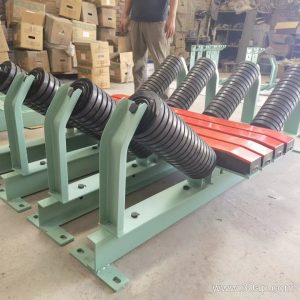
At a conveyor loading zone, falling material strikes the belt with energy that ordinary carrying idlers are not designed to absorb. The impact idler bracket is the support frame that holds impact idlers directly beneath the chute or transfer point. It positions those rollers so the belt can flex slightly under the load, spreading the shock across several rollers instead of concentrating it on one. In a quarry, a coal preparation plant, a cement plant, or a power station coal yard, this bracket is often the difference between a belt that survives the drop and one that needs frequent patching.
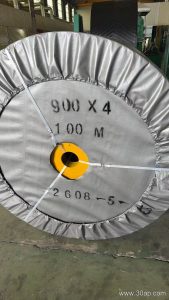
The bracket works together with the conveyor belt, the idler roller, and the surrounding conveyor structure. It does not replace the carrying idler bracket further along the line, and it is not a substitute for a conveyor pulley at the drive, tail, or bend position. Each of those components has its own role in the belt path.
How an Impact Idler Bracket Is Built
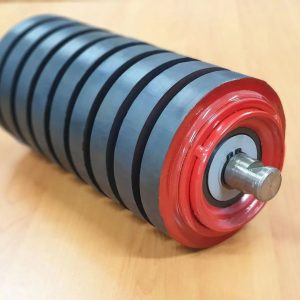
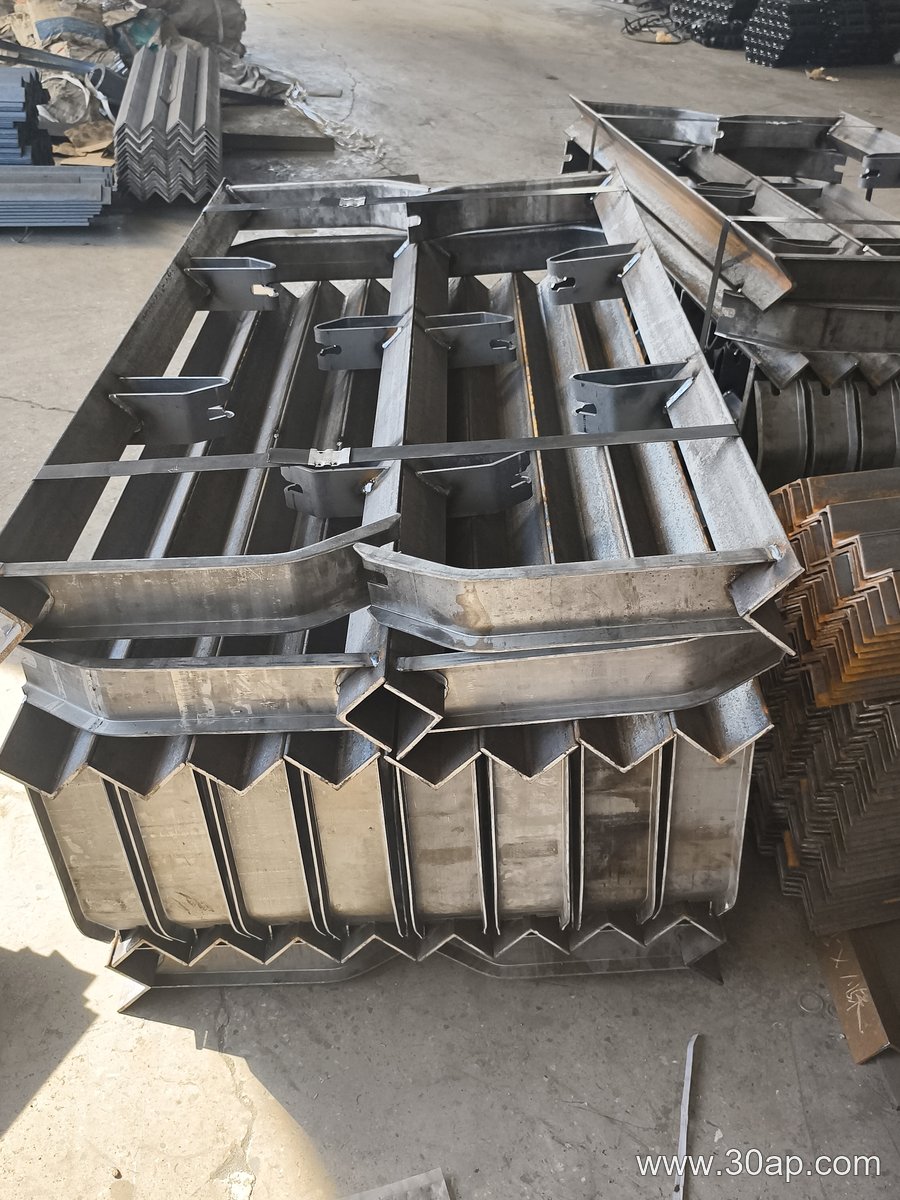
Most impact brackets are fabricated from angle steel, channel steel, or folded steel plate. The frame is welded or bolted into a shape that accepts impact rollers, usually with rubber or spring cushioning built into the roller itself rather than the bracket. The bracket provides the mounting points, the correct spacing, and the height that keeps the belt profile stable through the loading zone.
Typical construction details include:
- Base beam sized to the conveyor structure
- Mounting slots or holes for impact idler shafts
- Reinforced side plates to resist repeated shock
- Adjustable or fixed trough angle, depending on design
Because the bracket sits in the highest-wear area of the conveyor, thickness and weld quality matter more here than on a standard carrying bracket. A lightweight frame may deform after a few large lumps hit the belt.
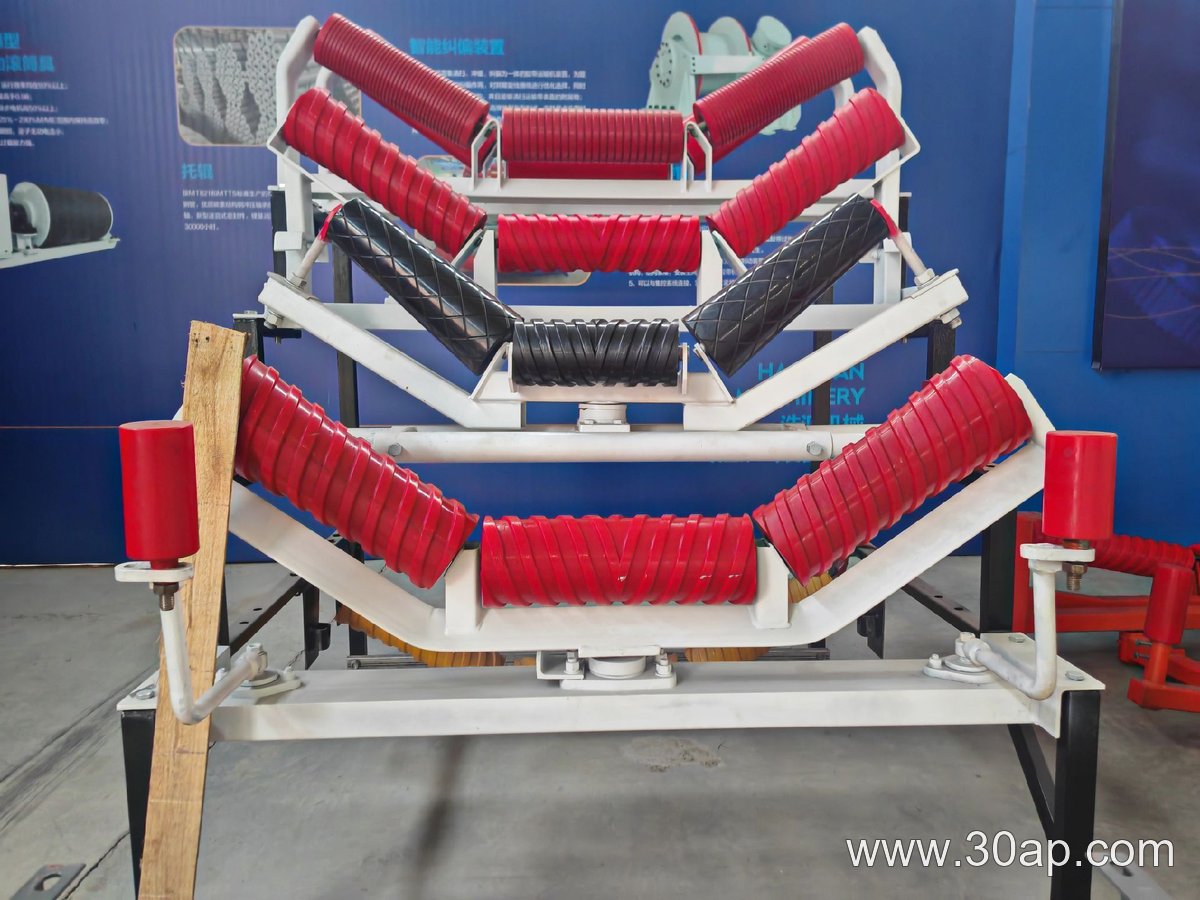
Common Types and Where They Fit
The impact bracket family includes several forms. A fixed trough bracket holds the rollers at one set angle. An adjustable bracket allows the trough angle to be changed on site, which is useful when material characteristics vary. A transition bracket may be used near the loading point to guide the belt from a flat profile into a troughed profile. These are different from a V-return bracket or a self-aligning bracket, which serve other positions along the conveyor.
For comparison, a standard carrying idler bracket is designed for steady load, while the impact version is designed for shock. The two are not interchangeable at the loading point, even if they look similar from a distance.
Matching the Bracket to Belt Width and Roller Diameter
Bracket dimensions follow the conveyor belt width and the selected idler roller diameter. Common belt widths include B500, B650, B800, B1000, B1200, B1400, B1600, B1800, B2000, and B2200. Roller diameters often used in impact positions include Ø89, Ø108, Ø133, Ø159, and Ø194. Trough angles are commonly 20 degrees, 30 degrees, 35 degrees, or 45 degrees. An adjustable bracket may allow the angle to be set within that range.
The table below shows examples of how these values might be combined. These are reference combinations, not fixed rules. The same belt width can work with more than one roller diameter or trough angle, depending on the material and the conveyor design.
| Belt Width | Trough Angle | Roller Diameter | Typical Position |
|---|---|---|---|
| B650 | 30 degrees | Ø89 | Small transfer point |
| B800 | 35 degrees | Ø108 | Quarry loading zone |
| B1000 | 35 degrees | Ø133 | Coal handling |
| B1200 | 45 degrees | Ø133 | High-capacity chute |
| B1400 | 45 degrees | Ø159 | Primary crushing discharge |
Installation hole spacing and beam length change with belt width and trough angle. They should be confirmed against the actual conveyor drawing, not assumed from a single number.
Selection and Maintenance Notes for Buyers
When specifying an impact idler bracket, match it to the belt width, the impact roller diameter, and the trough angle used elsewhere on the conveyor. Check that the bracket height keeps the belt line consistent through the loading zone. If the material drop is high or the lumps are heavy, a heavier frame and a larger roller diameter may be appropriate.
On site, inspect the bracket for bent beams, cracked welds, or elongated mounting holes. These signs usually appear first at the loading point. Replacing a deformed bracket early prevents the belt from training poorly and reduces wear on the idler roller and the conveyor belt itself.
In short, the impact idler bracket is a load-zone support that absorbs shock, holds the correct roller position, and helps the belt run smoothly from the transfer point onward. It is one part of the conveyor system, but at the point of impact it is often the part that decides how long the belt lasts.