When the frame flange is out of level
At a bulk-material port terminal, a conveyor bracket may sit on a frame flange that is not perfectly flat. Shimming is often used to close small gaps, but it changes the load path.
Should you shim?
Yes, if the gap is small and the shim is full-contact. Avoid stacking many thin shims; they can creep under vibration.
What to check
- Use a straightedge to measure the gap.
- Prefer one machined shim over several washers.
- Re-check bolt torque after the first load cycle.
If the flange is badly warped, correcting the frame is more reliable than a thick shim pack.
Preparing the Conveyor Belt Installation in a Dusty Quarry
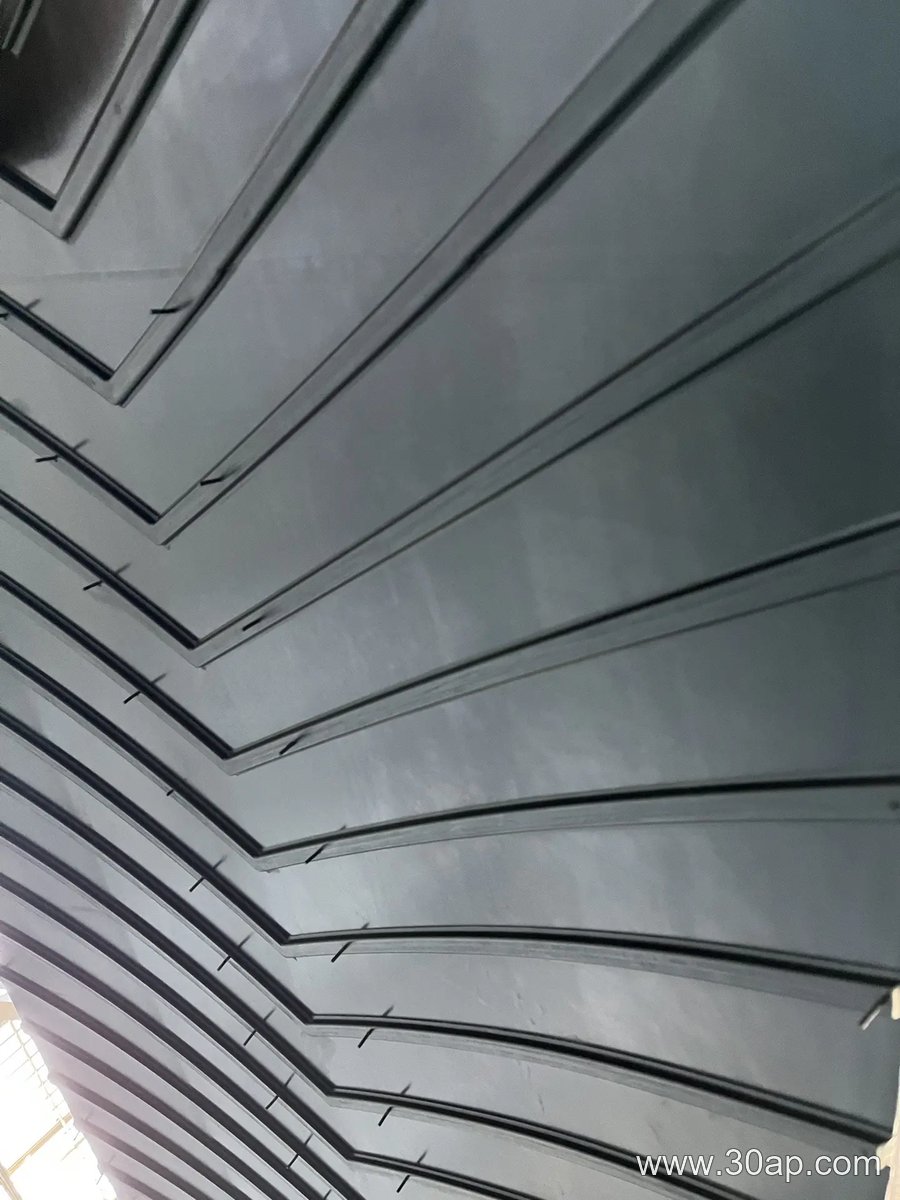
Before mounting a conveyor belt, clear dust from all pulleys, idlers, and the structure. Dust can prevent proper seating and hide alignment issues. Prepare the work area by locking out energy sources and verifying that the belt path is free of debris.
Mounting and Alignment Steps
Position the conveyor belt so it runs centered on the pulleys. Use a string line or laser to check that the pulleys are square to the belt centerline. Adjust take-up tension gradually, then rotate the belt by hand to check for drift. In a dusty quarry, pay extra attention to the tail pulley, where fines accumulate and can push the belt off track.
Commissioning Checks After Installation
- Run the conveyor belt empty for several minutes and watch for edge contact with structure.
- Check that the belt does not rub on skirt rubber or dust covers.
- Verify that the belt tracks correctly after loading with material.
- Clean dust from the return side to avoid buildup on snub pulleys.
These steps help ensure the conveyor belt operates reliably despite the dusty conditions.
Why Reversing Duty Changes the Idler Roller Question
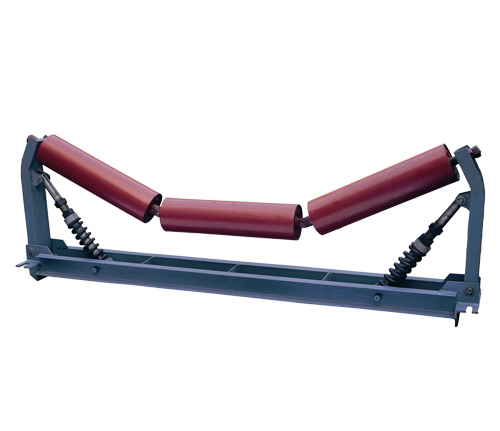
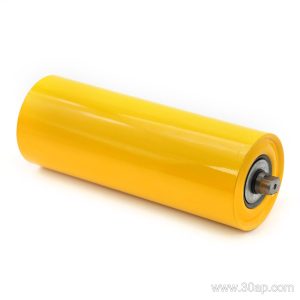
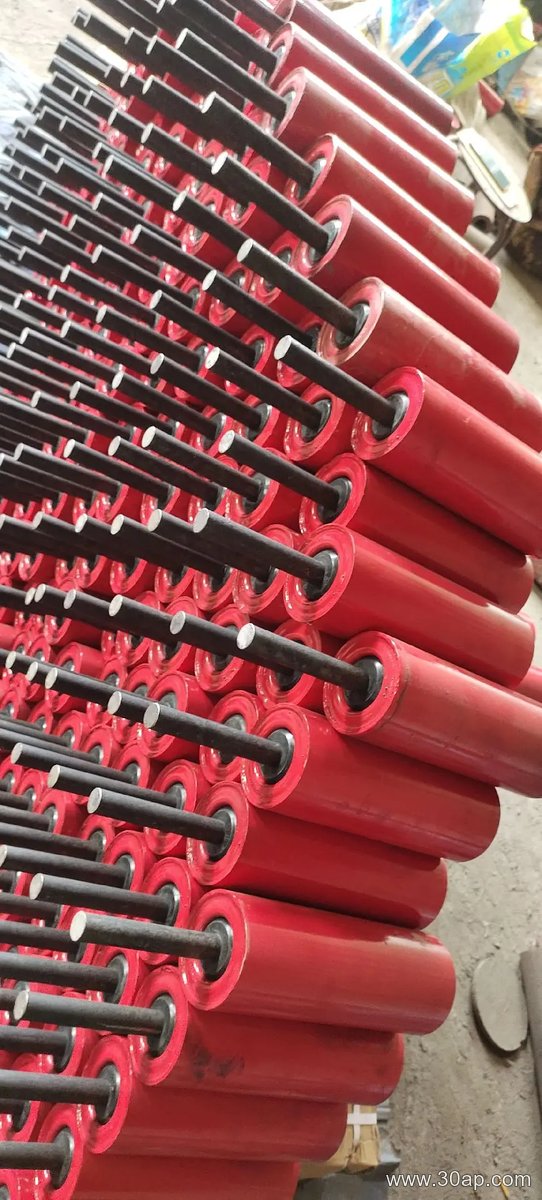
A reversing conveyor makes an idler roller see load cycles and small axial shifts that a one-direction line rarely produces. The practical issue is not shell thickness but how axial load and lubrication are managed.
Two Common Arrangements
- Fixed shaft with deep-groove bearings: simpler and cheaper, but the roller must tolerate thermal expansion through internal clearance.
- Floating bearing at one end: accommodates length change and reduces axial stress, at the cost of added assembly complexity.
On a general manufacturing line, the trade-off is usually service life versus unit cost. Mark any project values as hypothetical and confirm bearing fits with the roller supplier.
Can a Wet Outdoor Conveyor Pulley Survive Continuous Rain and Still Grip the Belt
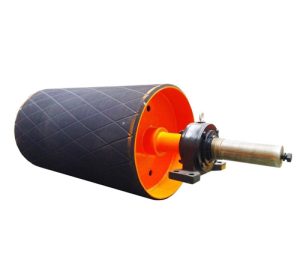
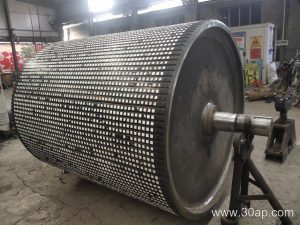
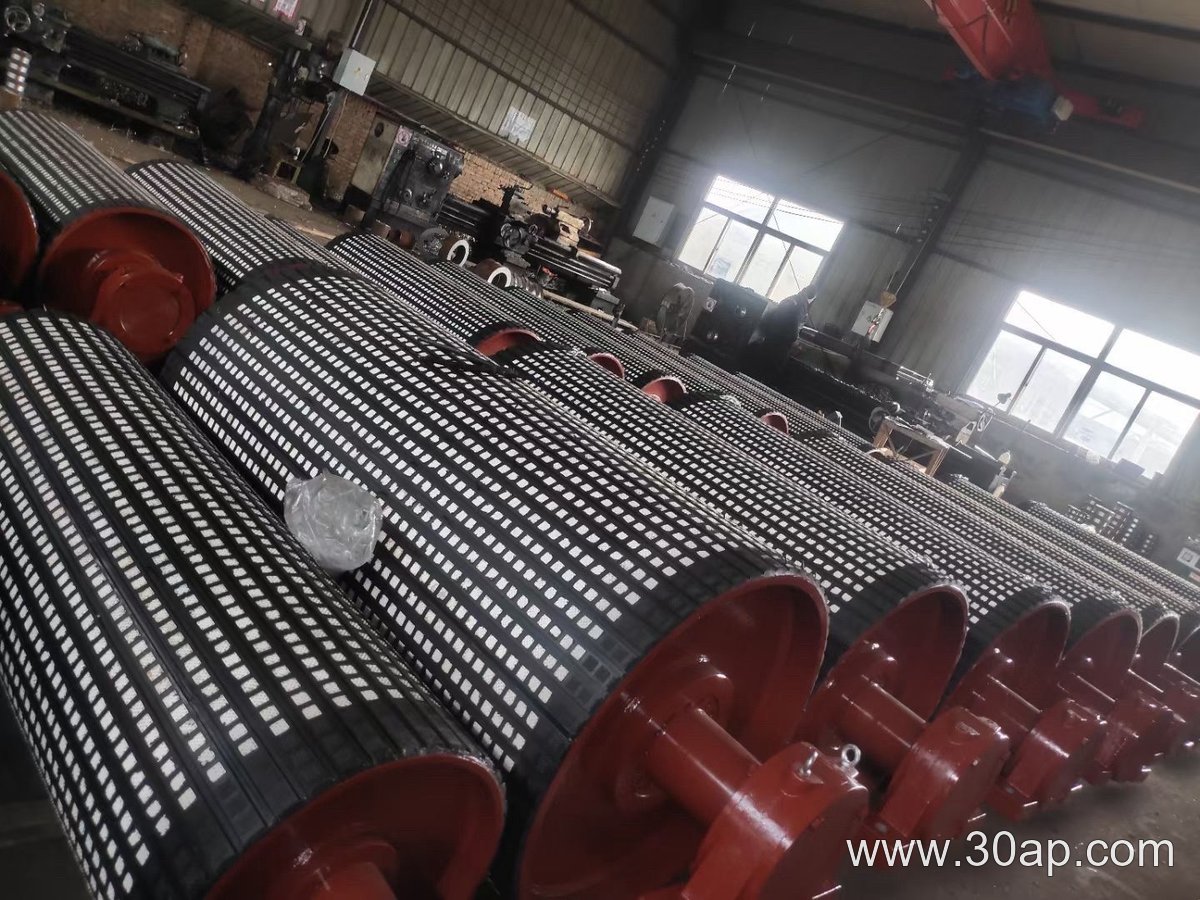
Many assume a conveyor pulley needs only a rubber lagging to work in rain. The real challenge is water trapped between belt and shell, which reduces friction and accelerates corrosion. A conveyor pulley designed for wet outdoor service uses a sealed bearing housing, a corrosion-resistant shell coating, and grooved lagging that channels water away. This keeps grip stable and extends service life without frequent maintenance.
Where Water Causes Trouble on a Wet Conveyor Pulley
Water enters through worn seals or open keyways, reaching bearings and causing rust. On the shell, a smooth lagging can hydroplane, letting the belt slip. Grooved or herringbone lagging breaks the water film and maintains traction. The pulley also needs drainage paths so water does not pool inside the end discs. A hypothetical example: a 500 mm diameter pulley running at 2 m/s in heavy rain may lose 20% grip with plain lagging, but retain most grip with grooved lagging.
Design Checks for Rain-Exposed Service
- Verify bearing seals are rated for wet, dirty conditions.
- Confirm lagging groove pattern suits water shedding, not just dry grip.
- Ensure shell and end disc welds are continuous and coated.
- Check that the pulley face width matches belt width to avoid edge water ingress.
These checks help a conveyor pulley stay reliable when the weather never dries.