What Is a Construction Industry Conveyor Belt
A construction industry conveyor belt is the continuous loop that carries aggregate, sand, gravel, crushed stone, cement, and other bulk materials across a jobsite or processing plant. Unlike a simple flat rubber sheet, this belt is engineered with a fabric or steel cord carcass, protective covers, and often special surface profiles to handle the rough demands of construction work. It is the moving heart of a conveyor system that may include idler rollers, conveyor pulleys, and conveyor brackets, all working together to keep material flowing from crusher to stockpile or from pit to plant.
How the Belt Is Built
The belt body starts with a tension-bearing carcass. Common constructions include multi-ply fabric core (often EP or NN), steel cord, and solid woven PVC or PVG. Rubber covers on the top and bottom protect the carcass from abrasion, impact, heat, oil, or fire. Cover thickness is usually given as top + bottom, such as 4+2 mm or 6+2 mm, and the number of fabric plies can range from two to six depending on load and tension requirements.
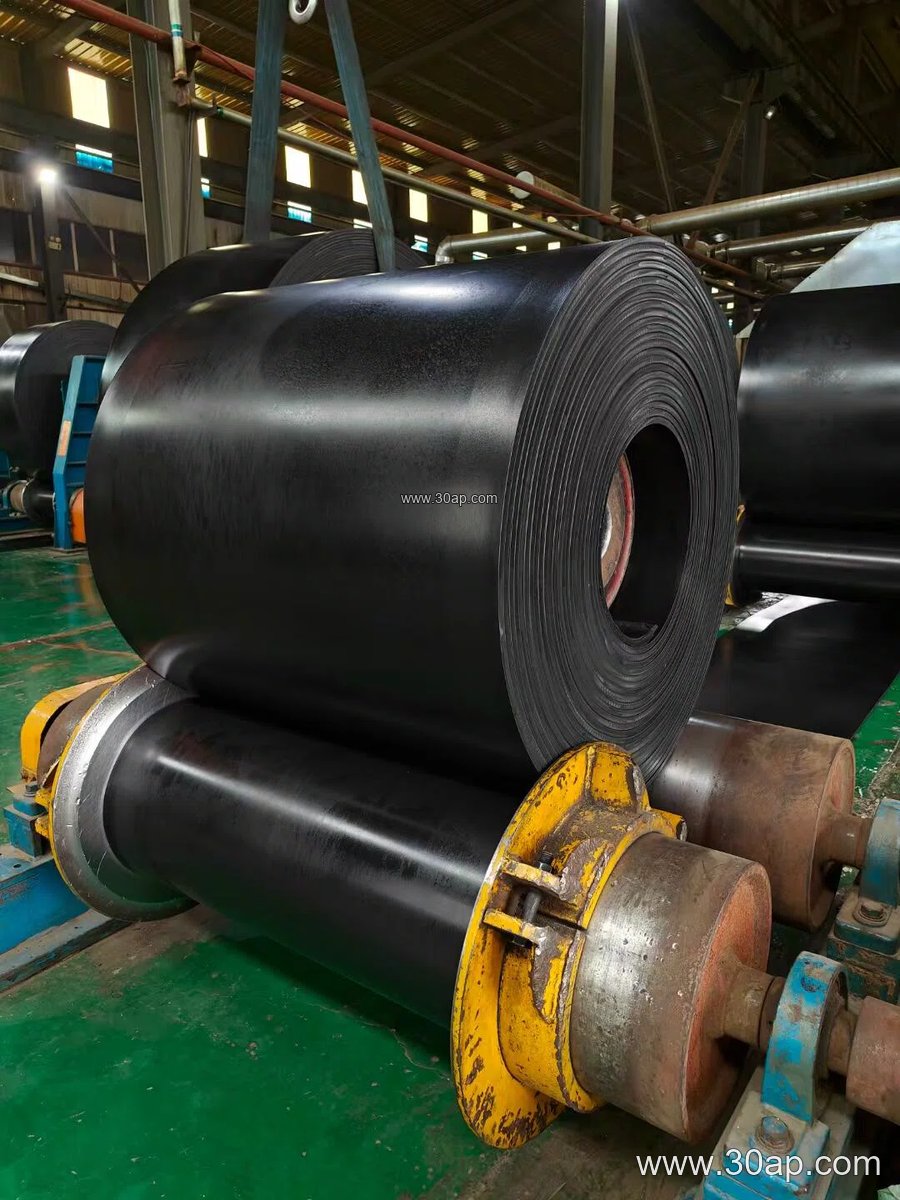
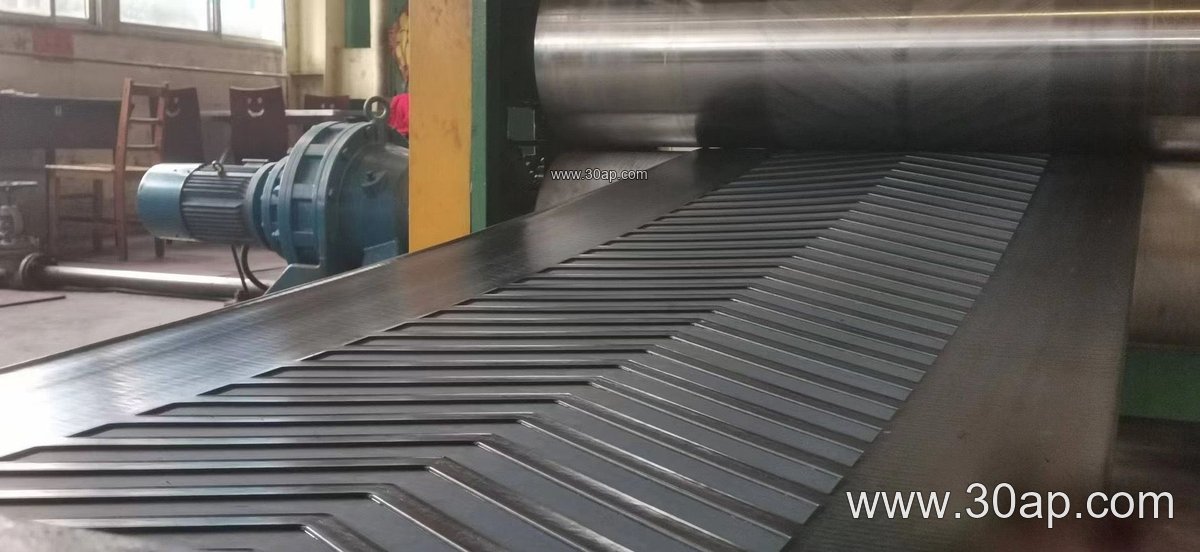
- Carcass types – EP conveyor belt, NN conveyor belt, steel cord conveyor belt, PVC conveyor belt, PVG conveyor belt.
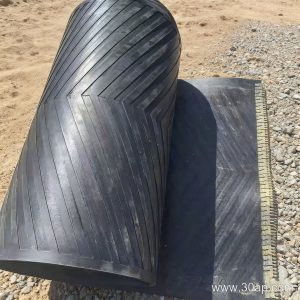
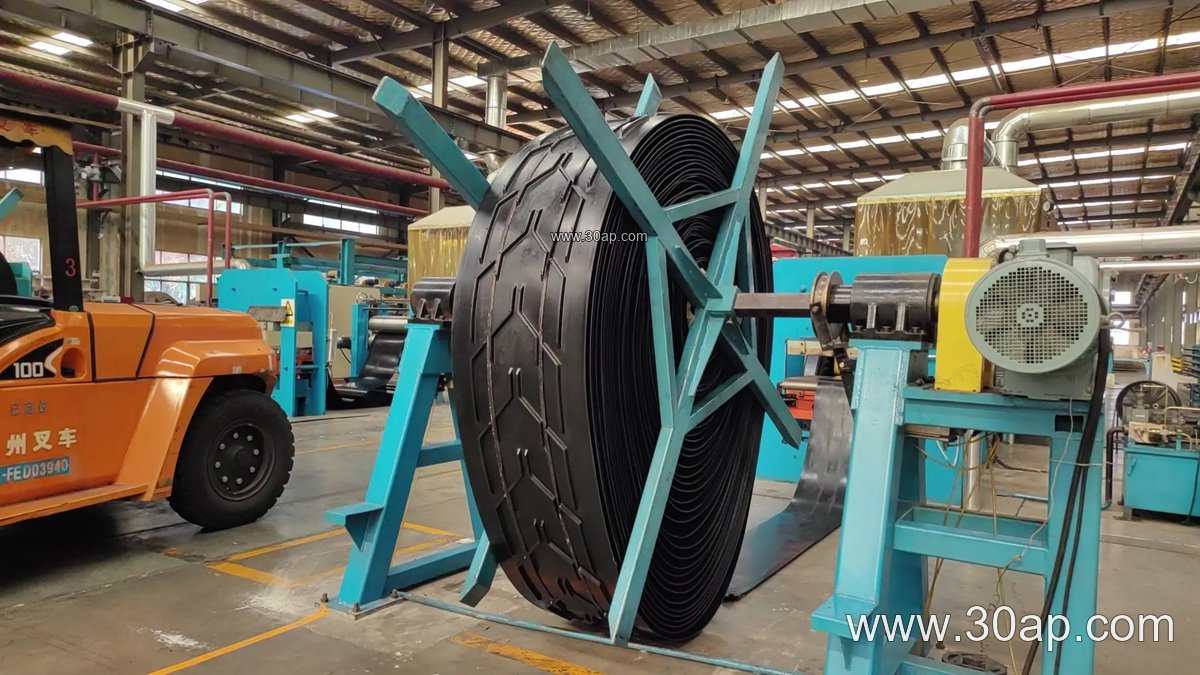
- Surface forms – smooth, chevron conveyor belt, skirted conveyor belt, corrugated sidewall conveyor belt, pipe conveyor belt.
- Special properties – abrasion resistant, heat resistant, oil resistant, flame retardant, anti-static, cold resistant, acid and alkali resistant.
For construction sites that handle sharp rock and heavy loads, a high abrasion resistant conveyor belt with a thick top cover is often chosen. In tunnels or enclosed plants, a flame retardant conveyor belt may be required. Where material must climb steep inclines, a chevron conveyor belt or corrugated sidewall belt helps prevent rollback.
Where It Works on Construction Sites
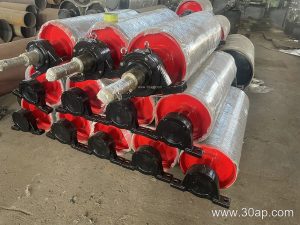
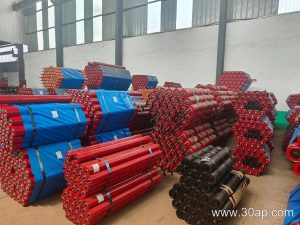
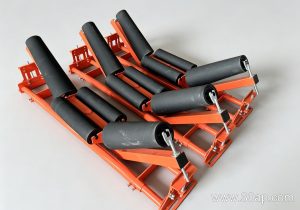
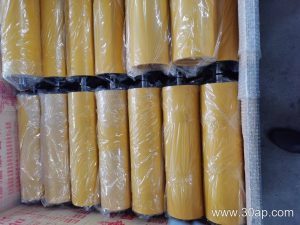
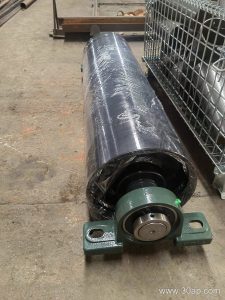
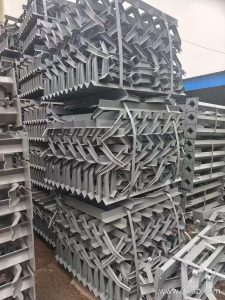
You will find this belt in quarries, sand and gravel pits, concrete batch plants, cement terminals, and recycling yards. It also appears in portable crushing spreads, tunnel projects, and bulk material handling at ports. The belt may run alongside idler rollers that support its weight and conveyor pulleys that drive and redirect it. Conveyor brackets hold the idlers and pulleys in alignment.
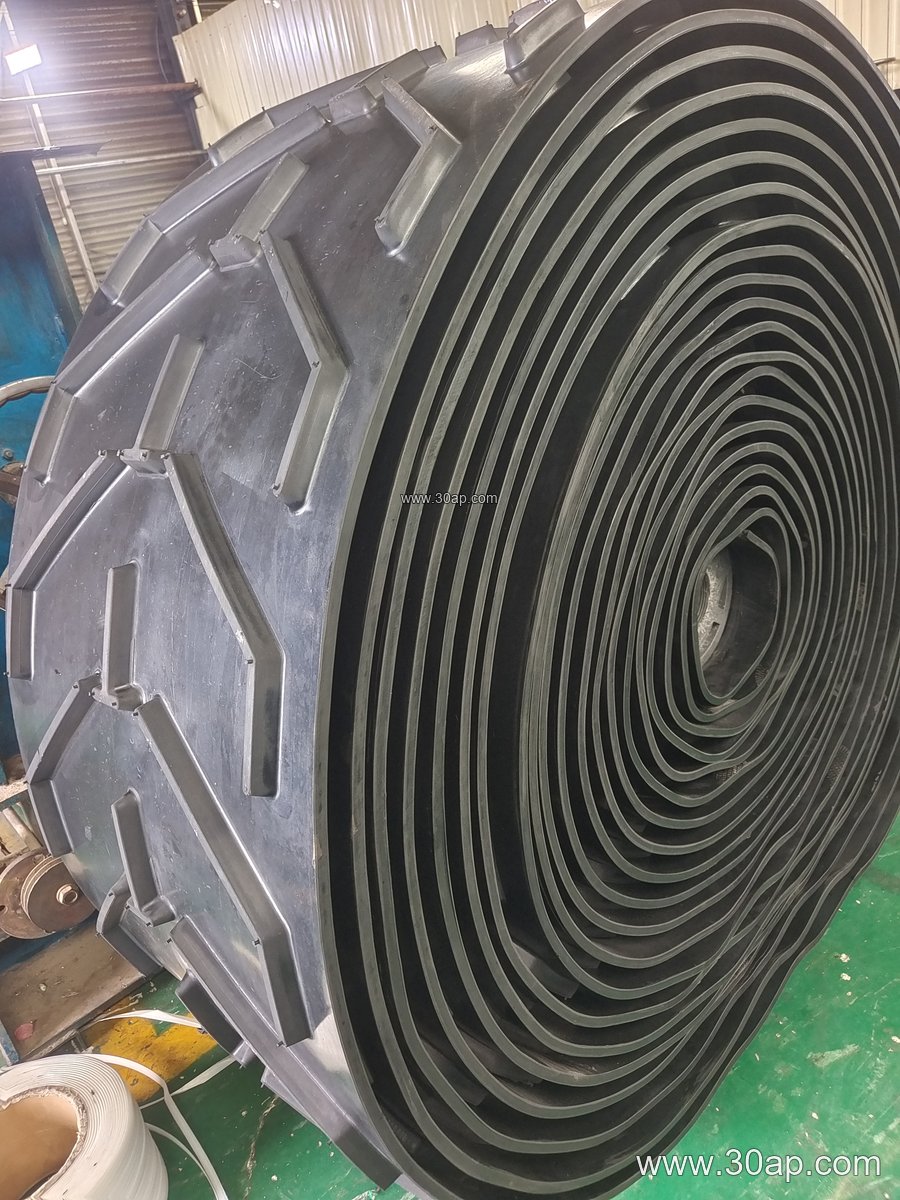
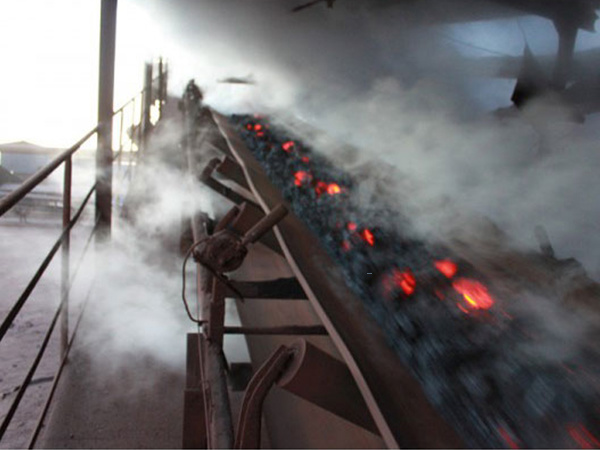
Because construction material is often abrasive and lumpy, a heavy-duty conveyor belt with impact resistant properties is common. In cement plants, heat resistant conveyor belt grades may be needed near clinker areas. In cold climates, a cold resistant conveyor belt keeps flexibility at low temperatures. Coal mining conveyor belt and underground mining conveyor belt applications call for flame retardant and anti-static properties, though those are separate from typical construction site duty.
Key Specifications and Common Sizes
Belt width, carcass strength, and cover thickness are the first things a buyer compares. The table below shows typical reference values; actual supply depends on the manufacturer and the conveyor design.
| Parameter | Common reference values |
|---|---|
| Belt width | B500, B650, B800, B1000, B1200, B1400, B1600, B1800, B2000 |
| EP strength grades | EP200, EP315, EP400, EP500, EP630, EP800, EP1000, EP1250, EP1600, EP2000 |
| Cover thickness (top + bottom) | 3+1.5 mm, 4+2 mm, 5+2 mm, 6+2 mm, 8+3 mm |
| Fabric plies | 2 to 6 plies, depending on tension |
Width alone does not dictate pulley diameter or shaft size. A 1000mm wide belt can run on different pulley diameters depending on the carcass and load. Always match the belt to the conveyor’s calculated tension and pulley dimensions, not to a single size rule.
Buyer Checklist
- Confirm the material being carried: abrasive rock, hot cement, oily scrap, or wet sand.
- Check the carcass type and strength grade needed for the conveyor length and incline.
- Select cover thickness and surface pattern based on impact and slope.
- Verify flame retardant or anti-static requirements if the site has fire or dust regulations.
- Ask for the belt’s recommended pulley diameter range and minimum take-up travel.
- Consider splice type: endless conveyor belt splices reduce downtime but require proper installation.
For more product details on rubber conveyor belt and related components, visit our site. You can also explore EP conveyor belt grades, steel cord conveyor belt options, and abrasion resistant conveyor belt constructions for construction duty.