What an Industrial Conveyor Idler Does
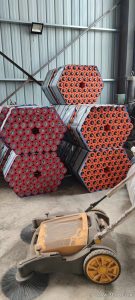
An industrial conveyor idler is the rotating component that supports the conveyor belt along its carrying and return runs. It keeps the belt aligned, reduces friction, and absorbs the load of bulk materials. In a quarry, coal preparation plant, or cement kiln feed line, these rollers are the quiet workhorses that determine how smoothly the entire system runs. A well-matched idler set also protects the belt from premature wear and helps maintain steady material flow.
Construction and Common Types
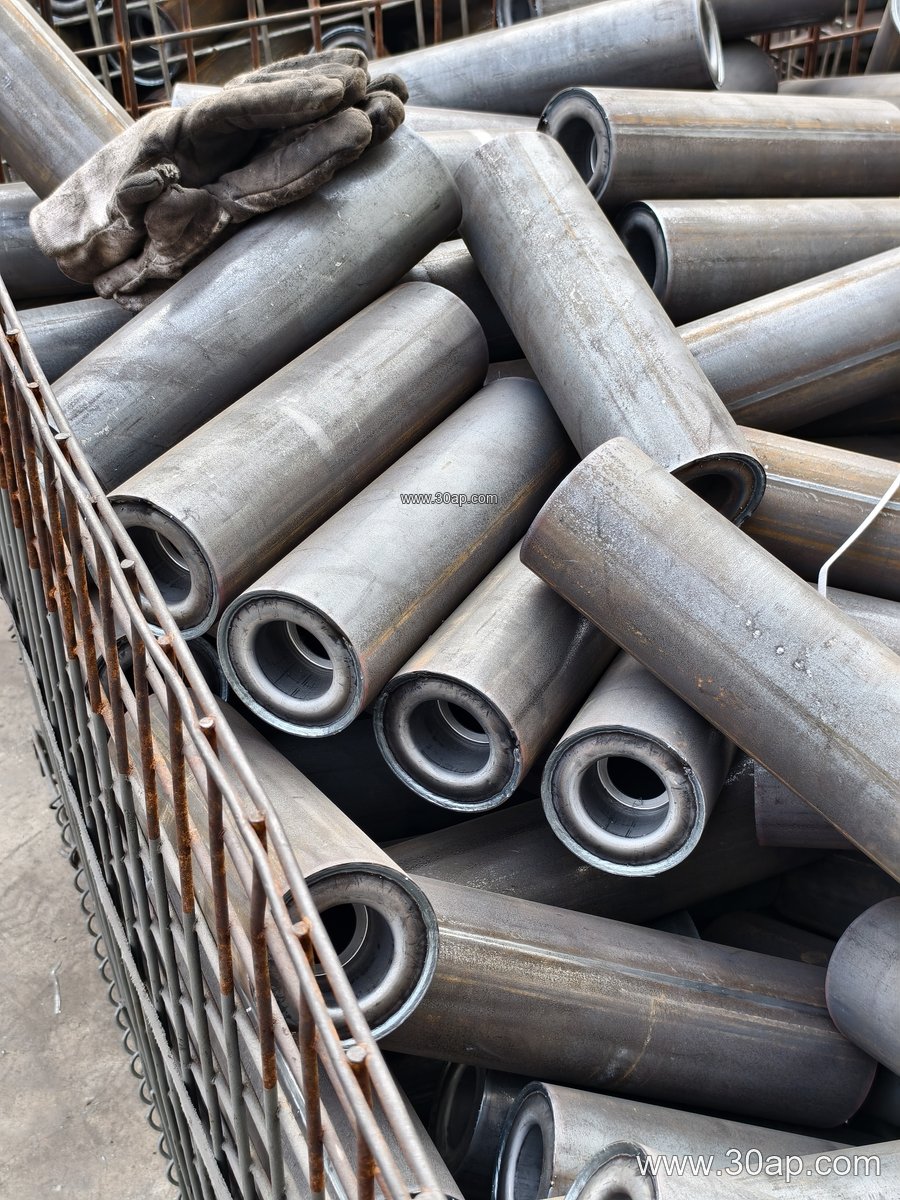
Most idlers share a simple build: a steel tube shell, bearing housings at each end, a shaft, and a sealing arrangement. The shell may be plain steel, nylon-coated, ceramic-lined, or fitted with rubber rings for impact zones. Bearing sizes such as 6204, 6205, 6305, 6306, 6308, and 6310 appear across different duty levels, but the bearing is selected together with the roller diameter and load, not by belt width alone.
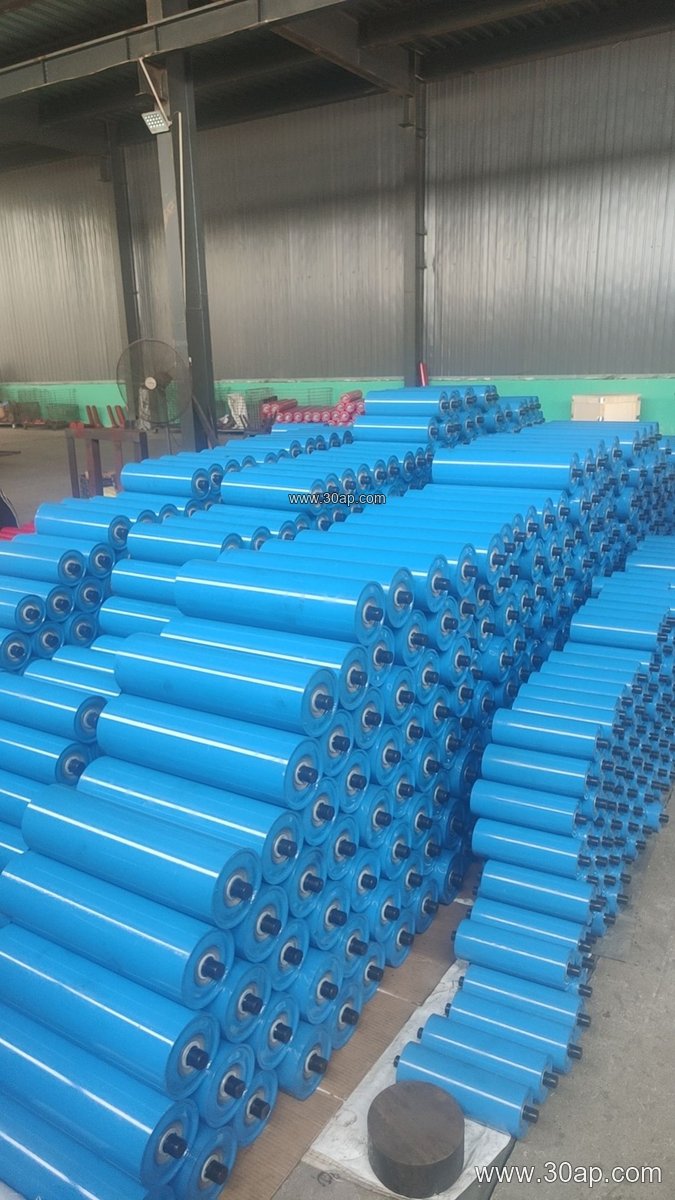
Common configurations include:
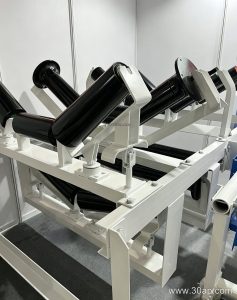
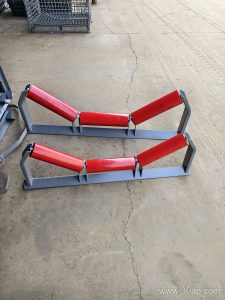
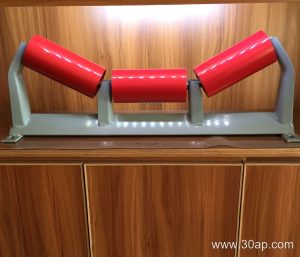
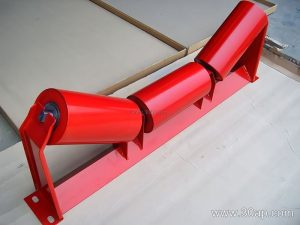
- Troughing idlers (two- or three-roll) that shape the belt into a trough for higher capacity.
- Impact idlers with rubber rings for loading points under crusher discharge.
- Return idlers, including flat and V-type, that support the empty belt.
- Self-aligning idlers that correct belt drift on long runs.
Roll diameters typically range from Ø63 mm up to Ø219 mm, and trough angles are commonly 20°, 30°, 35°, or 45°. A slight forward tilt of about 1.5° to 2° is sometimes used on troughing rolls to assist tracking. These are design choices, not fixed rules for every conveyor.
Where Industrial Conveyor Idlers Are Used
You will find these rollers in abrasive and dusty environments such as limestone mines, iron ore handling, sand and aggregate lines, and power plant coal yards. In a typical three-roll troughing set, the roll length changes with belt width and trough angle. For reference, common examples include roughly 200 mm rolls for B500, 315 mm for B800, 465 mm for B1200, and 600 mm for B1600. Side rolls and center rolls can differ, so the exact length is always confirmed by the conveyor design.
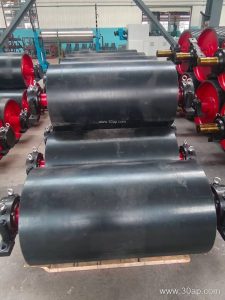
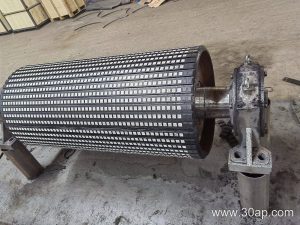
The idler works together with the conveyor pulley at the drive and tail ends, and with the conveyor bracket that fixes the frame to the structure. A mismatch between idler spacing and belt tension can cause sagging, spillage, or edge damage, especially when handling heavy EP Conveyor Belt or steel cord belting.
Selection Notes for Buyers
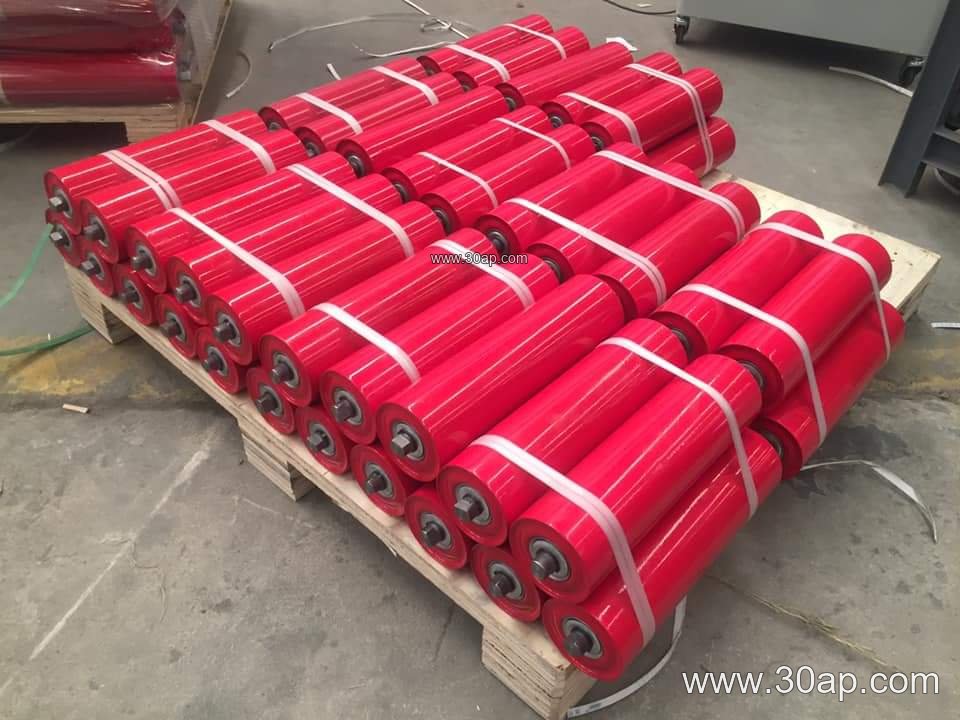
Before ordering, confirm the belt width, the trough angle, the load per idler, and the environment. Dusty coal mining or underground mining operations may call for enhanced sealing, while a primary crusher discharge point needs impact-rated rollers with rubber rings. Abrasion-resistant roller surfaces help in quarry and aggregate service, and corrosion protection matters in fertilizer or chemical plants. Ask for the shaft diameter and bearing seat dimensions rather than assuming they follow from belt width.
Sealing quality often decides service life. Labyrinth seals and multi-stage dust protection are common in cement and power plant applications. For high-temperature zones, verify the bearing grease and seal material rather than relying on a standard idler.
Maintenance and Replacement Tips
Inspect idlers for seized bearings, flat spots, and material build-up. Replace a roller when it no longer turns freely or when the shell shows deep wear. Keep spare troughing and return idlers on hand for critical lines in a steel plant or port terminal. Proper alignment of the idler roller frame and correct belt tension reduce vibration and extend the life of the whole conveyor.