What a Conveyor Bracket Really Does
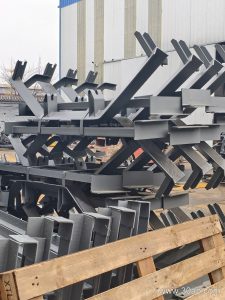
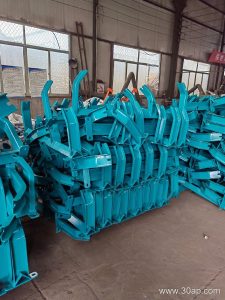
A conveyor bracket is the steel support that holds the idler roller in place and fixes the belt line at the right profile. In a belt conveyor, the bracket carries the load from the roller to the frame, so its geometry decides the trough angle, the roller spacing and how easily the belt tracks. Buyers often treat it as a minor fitting, yet it is one of the first parts to show wear when material is heavy, abrasive or wet.
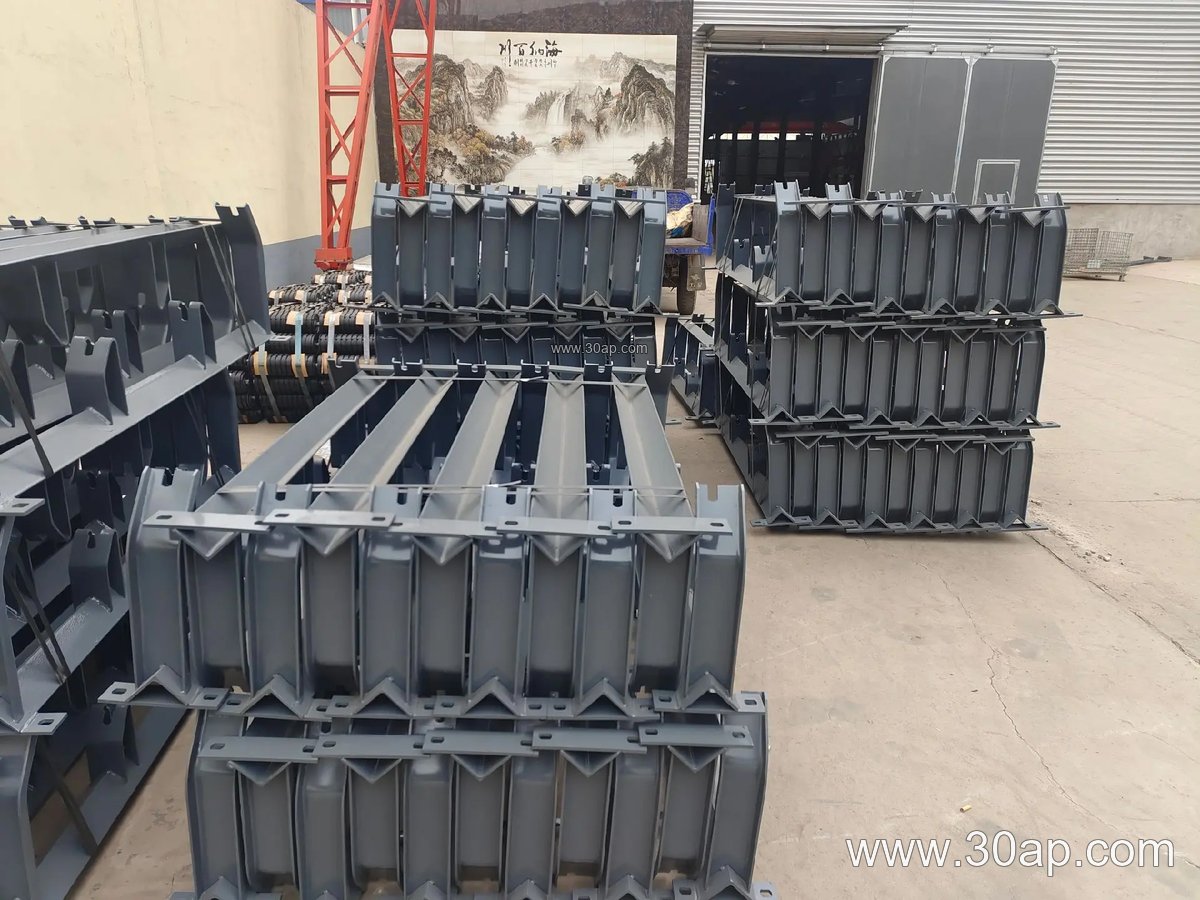
The product is usually built from angle steel, channel steel or folded steel plate. Mounting slots and crossbeam length change with belt width, trough angle and roller diameter, so a bracket is normally made to suit a specific conveyor design rather than sold as a universal part.
Common Configurations and How They Are Used
Carrying-side brackets are often trough type or transition type, while the return side may use a flat bracket or a V-shaped return bracket. Impact brackets are placed under loading points, and self-aligning or tilting brackets help correct belt wander. Adjustable brackets allow the trough angle to be set on site.
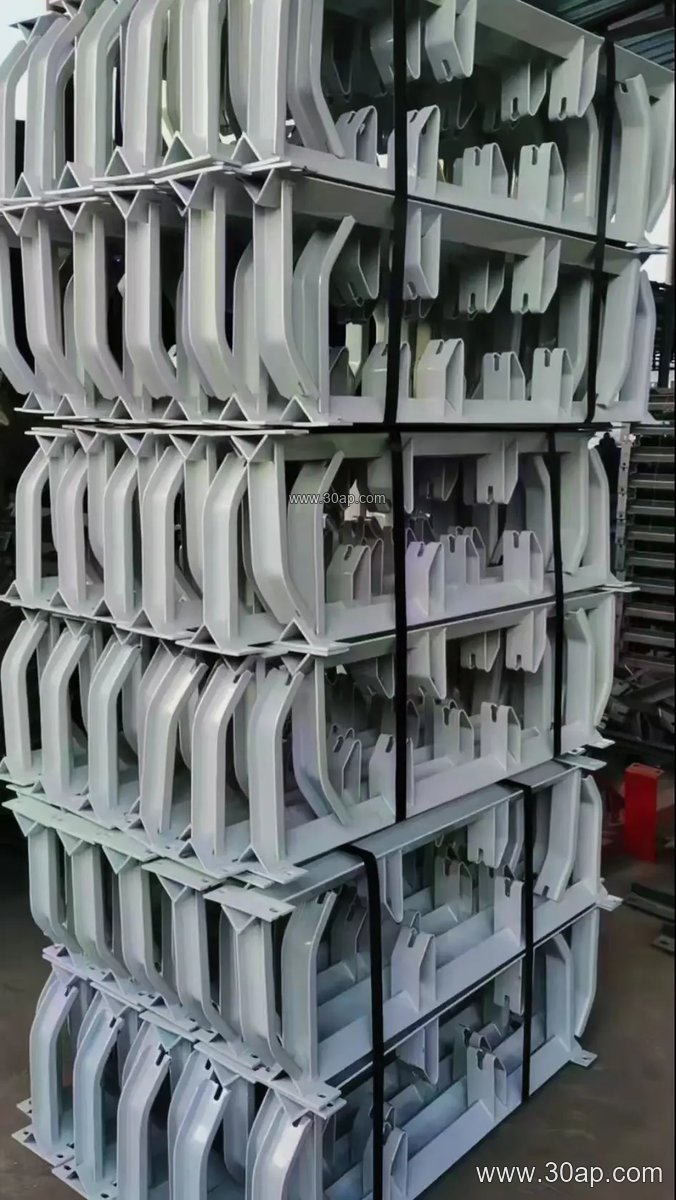
- Trough bracket: holds three rollers in a trough profile on the carrying side.
- Transition bracket: eases the belt from flat to troughed near pulleys.
- Return bracket: supports the empty belt, flat or V-shaped.
- Impact bracket: takes the shock below a chute or hopper.
- Adjustable bracket: trough angle can be changed within a range.
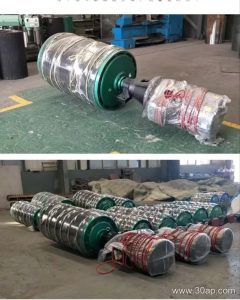
These are all bracket types. A drive pulley, tail pulley or bend pulley is a different component and is not a replacement for a bracket; the comparison only matters when checking how belt tension and tracking behave around a pulley.
Typical Sizes and Reference Data
The table below shows common reference values. They are not a fixed rule, and a bracket for B800 does not have to use one particular roller diameter or trough angle.
Belt Width and Trough Angle
| Belt width | Common trough angle | Typical roller diameter |
|---|---|---|
| B500 / B650 | 20 to 30 degrees | Ø89 |
| B800 / B1000 | 30 to 35 degrees | Ø108 |
| B1200 / B1400 | 35 to 45 degrees | Ø133 |
| B1600 / B1800 | 35 to 45 degrees | Ø159 |
| B2000 / B2200 | 35 to 45 degrees | Ø194 |
An adjustable bracket can be set between 20 and 45 degrees, while a forward-tilted design commonly uses about 1.5 to 2 degrees to help tracking. Hole spacing and beam length should be confirmed against the drawing, not assumed from belt width alone.
Where It Fits in the Plant
In a quarry or sand and gravel line, dust and sharp stone make bracket alignment and roller seating important. In a coal washing plant or a power station coal yard, moisture and fines can build up around the frame, so drainage and clearances matter. Cement plants, iron ore handling, crushing and screening circuits, and port terminals all rely on the same principle: the bracket must keep the idler roller square to the belt and at a stable height.
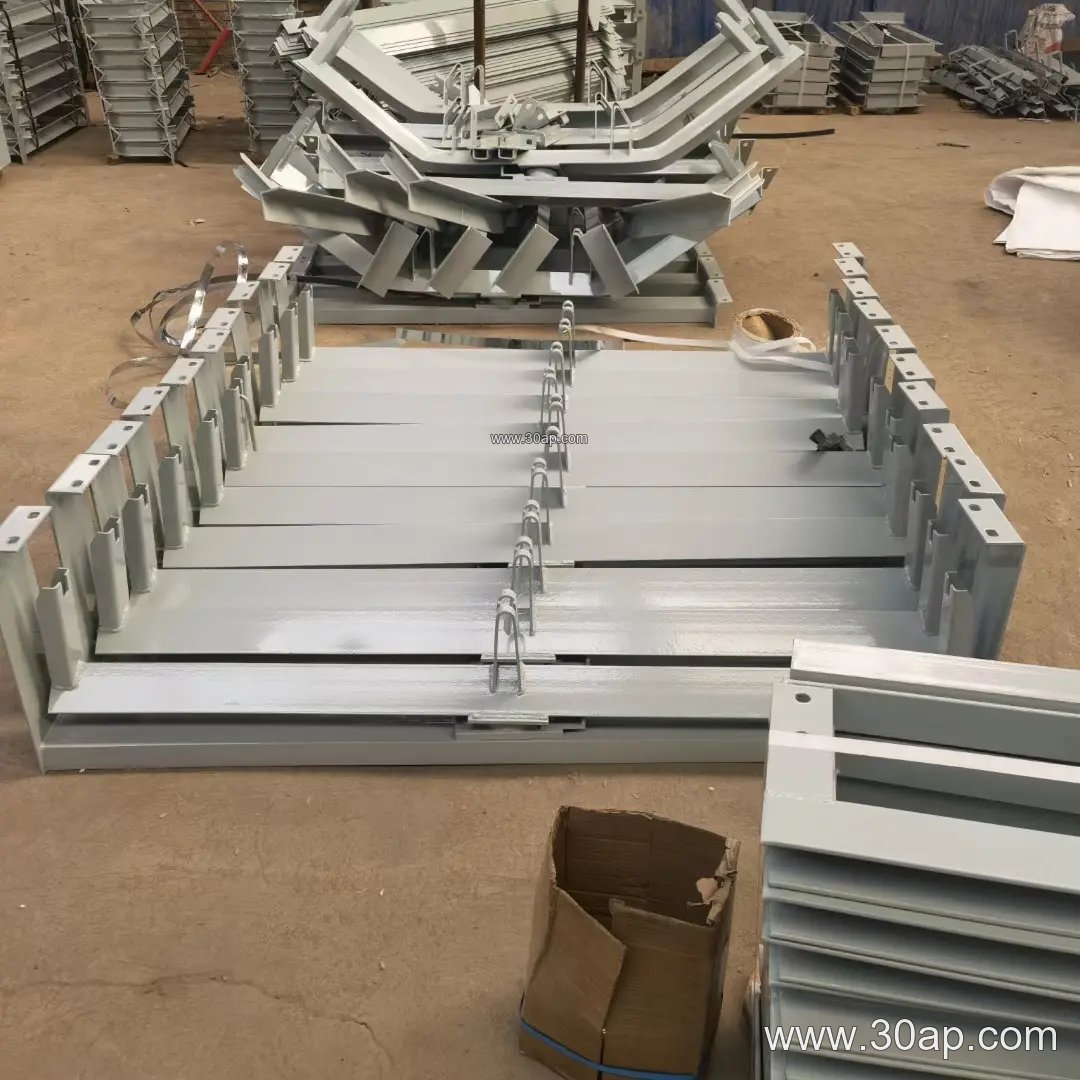
The bracket works together with the conveyor belt, conveyor pulley and frame. A worn bracket lets the roller sit low or skewed, which shows up as edge wear, spillage or belt mistracking long before the roller itself fails.
Procurement Checklist
Before ordering, confirm the belt width, trough angle and roller diameter, then check the mounting hole pattern and crossbeam length on the existing frame. Ask for the steel section and finish, since painted, hot-dip galvanized and bare steel suit different environments. State whether the bracket is fixed or adjustable, and whether it is for the carrying side, return side or a loading point.
- Match the bracket type to its position on the conveyor.
- Confirm hole spacing and beam length by drawing.
- Check roller diameter and trough angle together, not separately.
- Agree on material, thickness and surface treatment.
- Order spares for impact and transition positions, which wear faster.
Good conveyor bracket procurement is mostly about fit and consistency. When brackets, idler rollers and the belt line are specified as one system, maintenance intervals lengthen and tracking problems become easier to trace.