What a Large-Diameter Conveyor Idler Does
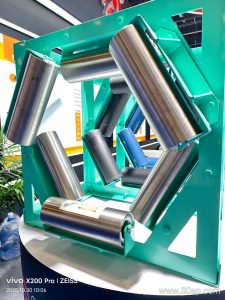
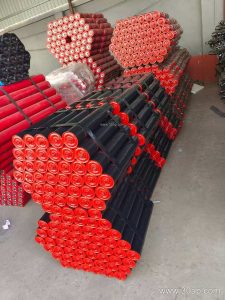
A large-diameter conveyor idler is a load-carrying roller whose shell diameter sits at the upper end of the normal idler range, typically from about Ø159 mm up to Ø219 mm. It is still an idler roller, not a pulley, and it does the same basic job as smaller units: support the conveyor belt, hold the trough shape, and let the belt run with low rolling resistance. The difference is scale. A bigger shell turns more slowly for the same belt speed, carries heavier material loads with less stress on the bearing, and gives the belt a gentler transition over each roller.
These rollers usually appear on wide, high-capacity lines where a standard Ø89 or Ø108 idler would be overloaded. That includes primary crushing circuits, stockyard feed lines, and long overland conveyors in quarry, iron ore, and power plant coal handling service.
How the Roller Is Built
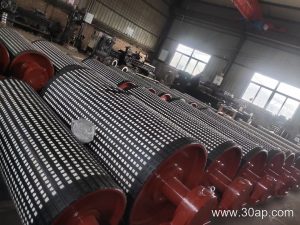
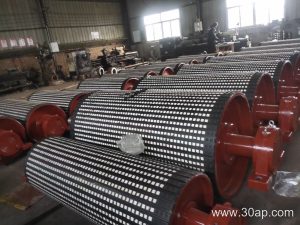
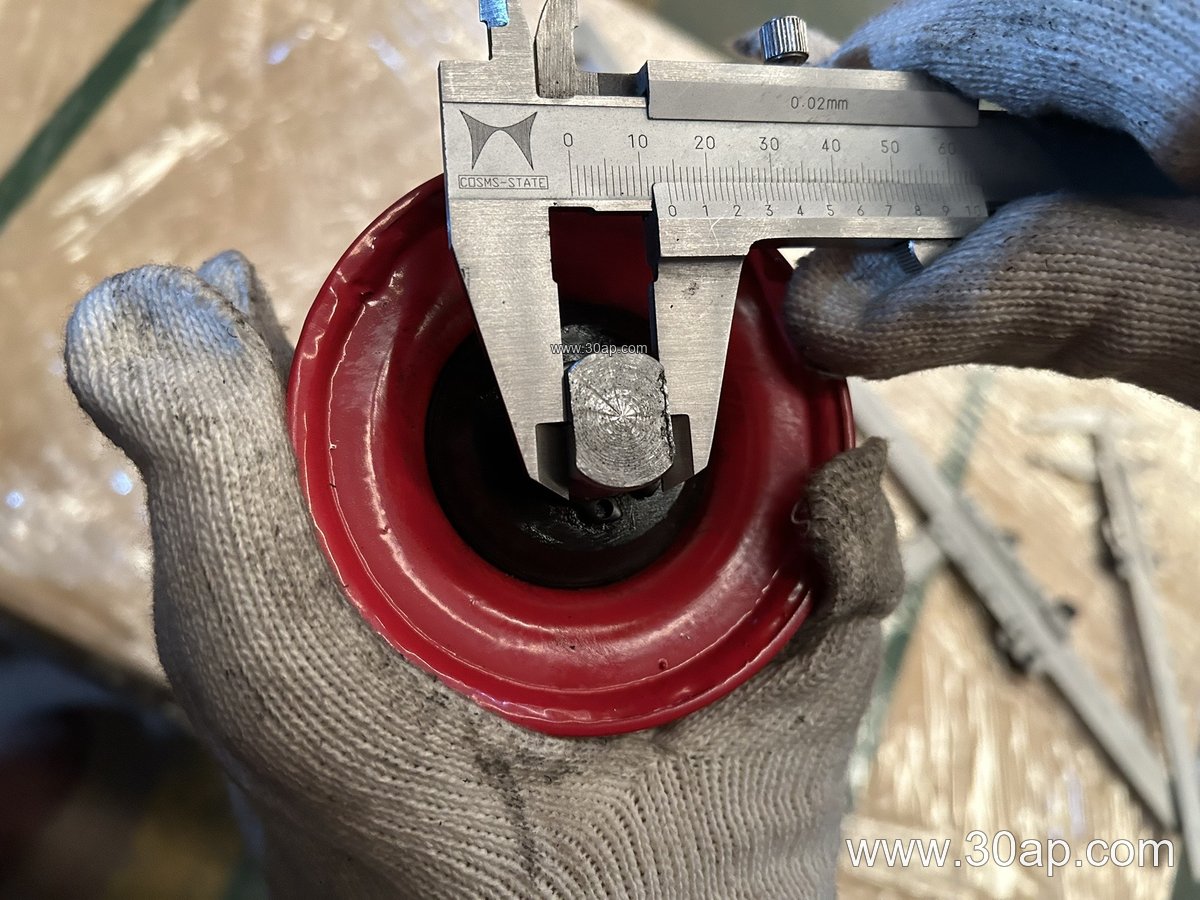
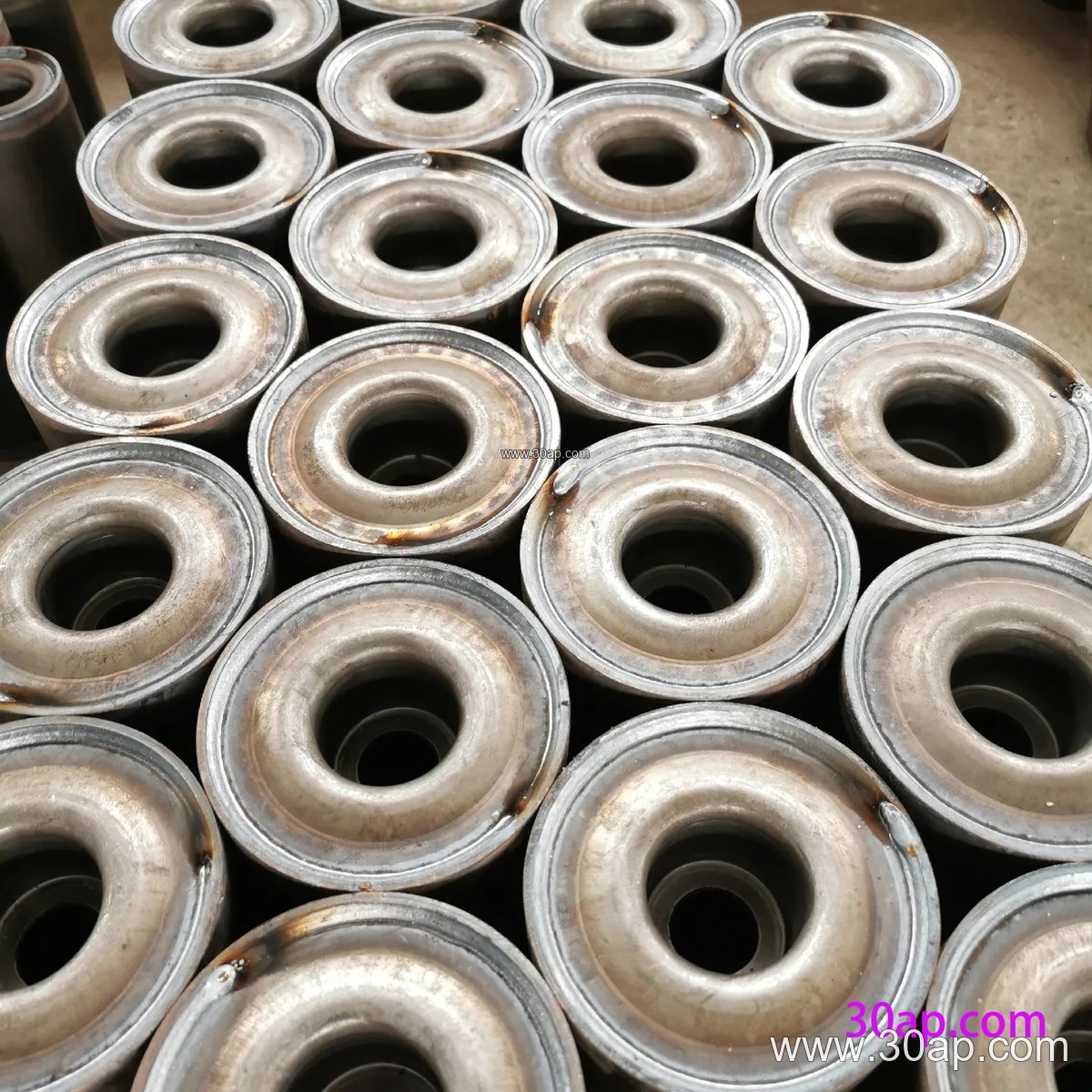
The shell is normally steel tube, machined at both ends to seat the bearing housings. Shaft, bearing, seal, and end cap form the rotating assembly. For abrasive duty the shell may carry a rubber ring or ceramic lagging; for impact zones a rubber-disc buffer version is used instead of a plain trough roller.
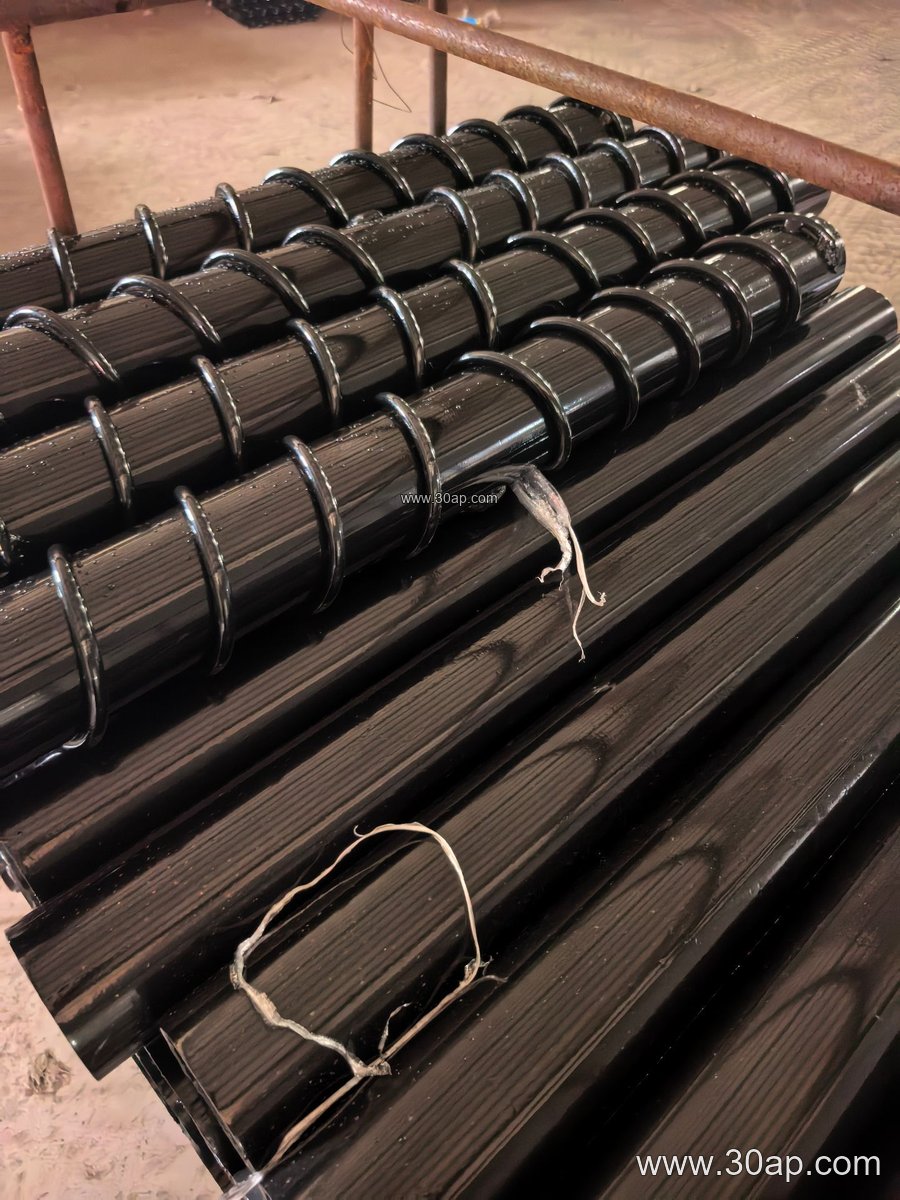
Sealing matters as much as diameter. Dust from a crusher or a coal yard will destroy a poor bearing long before the shell wears out. Common bearing sizes in this class include 6308, 6310, and larger, but the correct bearing is set by load calculation, not by shell diameter alone.
Typical reference values
The figures below are common examples for orientation only. Actual roller length, shaft, and bearing are determined by belt width, trough angle, and the idler set design.
| Shell diameter (mm) | Typical duty | Common belt width range |
|---|---|---|
| Ø159 | Heavy trough, wide belts | B1200 to B1600 |
| Ø178 | High load, long spans | B1400 to B1800 |
| Ø194 | Very heavy bulk material | B1600 to B2000 |
| Ø219 | Largest standard class | B1800 to B2400 |
Trough angles of 20, 30, 35, and 45 degrees are all used with large rollers. A three-roll trough set on a B1400 belt may use a centre roller near 530 mm and side rollers of a different length; the numbers are not interchangeable.
Where It Fits on the Conveyor
Large-diameter idlers are most often found in the carrying run, in three-roll trough sets, on lines moving crushed rock, sinter, or coal. They also appear as return rollers where belt weight and material cling demand more support. They are not a substitute for a conveyor pulley at the drive, tail, or bend position; those are separate components with their own shaft and lagging design.
In a limestone quarry, a transfer point after the primary crusher is a classic location: the belt is wide, the lump size is coarse, and impact loads are high. In a cement plant, the same roller class may support clinker or raw meal lines. A copper or gold mine concentrator often uses them on coarse ore conveyors feeding the mill.
What Buyers Should Check
- Load per roller. Calculate from material weight, belt weight, and idler spacing. A larger shell helps, but spacing and bearing rating decide the outcome.
- Belt width and trough angle. These set roller length and the geometry of the set. Do not assume one belt width matches one diameter.
- Seal and bearing quality. Ask about the seal arrangement and the bearing brand or grade, especially for dusty or wet service.
- Shell surface. Plain steel suits most carrying positions; rubber rings or ceramic help in abrasive or sticky conditions.
- Balance and runout. A heavy roller that is out of balance will vibrate and shorten bearing life.
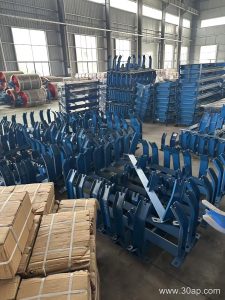
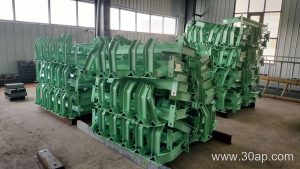
- Compatibility. Confirm the frame, conveyor bracket, and shaft end match the existing structure before ordering a full set.
Matching the Roller to the Belt
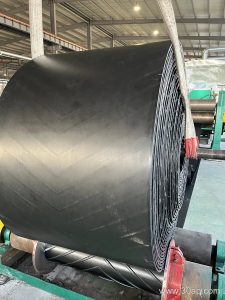
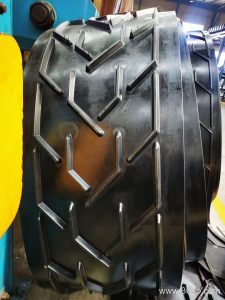
The belt itself influences the choice. A heavy-duty mining conveyor belt or a steel cord conveyor belt on a long overland line benefits from larger rollers because the belt is stiff and the load is high. An abrasion resistant conveyor belt in a stone crushing plant may wear through a thin shell quickly, so wall thickness deserves attention. In coal mining, a flame retardant conveyor belt is used for safety, and the idler specification should follow the same site rules.
For a wide line, an EP conveyor belt or fabric core conveyor belt at 1800 mm or 2000 mm width will usually call for a larger roller class than a 1000 mm belt, but the final figure still comes from the load calculation. Heat resistant conveyor belt and oil resistant conveyor belt applications may also need a heat-tolerant bearing grease or a different seal compound.
Maintenance Notes
Inspect for seized rollers, abnormal noise, and material build-up on the shell. A large roller is heavier, so use proper lifting equipment during replacement. Keep spare sets for the highest-wear positions, and record running hours so replacement is planned rather than reactive. For more on matching rollers with belts and frames, see the conveyor idler range and the conveyor belt options on our site.