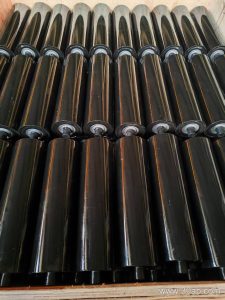
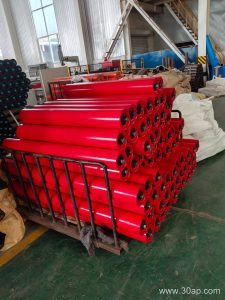
Idler Roller Essentials for Industrial Conveyors
An idler roller supports the belt and reduces friction in bulk handling systems. Choose the right one to cut downtime and energy costs.
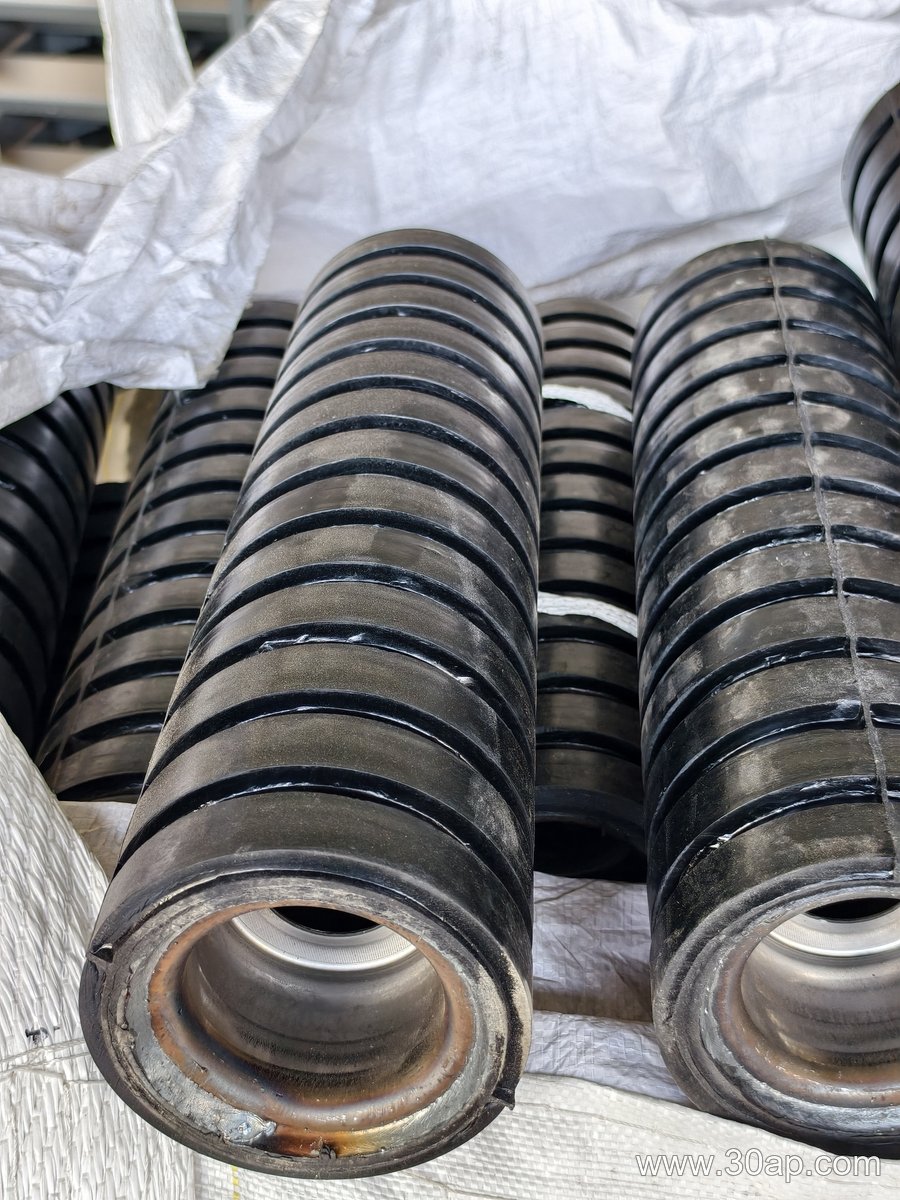
Key Selection Factors
- Load capacity and belt width
- Bearing type: sealed or open
- Shell material: steel, stainless, or polymer
- Environmental resistance to dust and moisture
Purchasing Advice
Match roller diameter to belt speed, verify shaft tolerance, and request test data. Buy from suppliers offering wear guarantees and spare parts.
Conveyor Pulley Fundamentals
The conveyor pulley drives or redirects the belt. Choose drum or wing type based on duty, material, and environment.
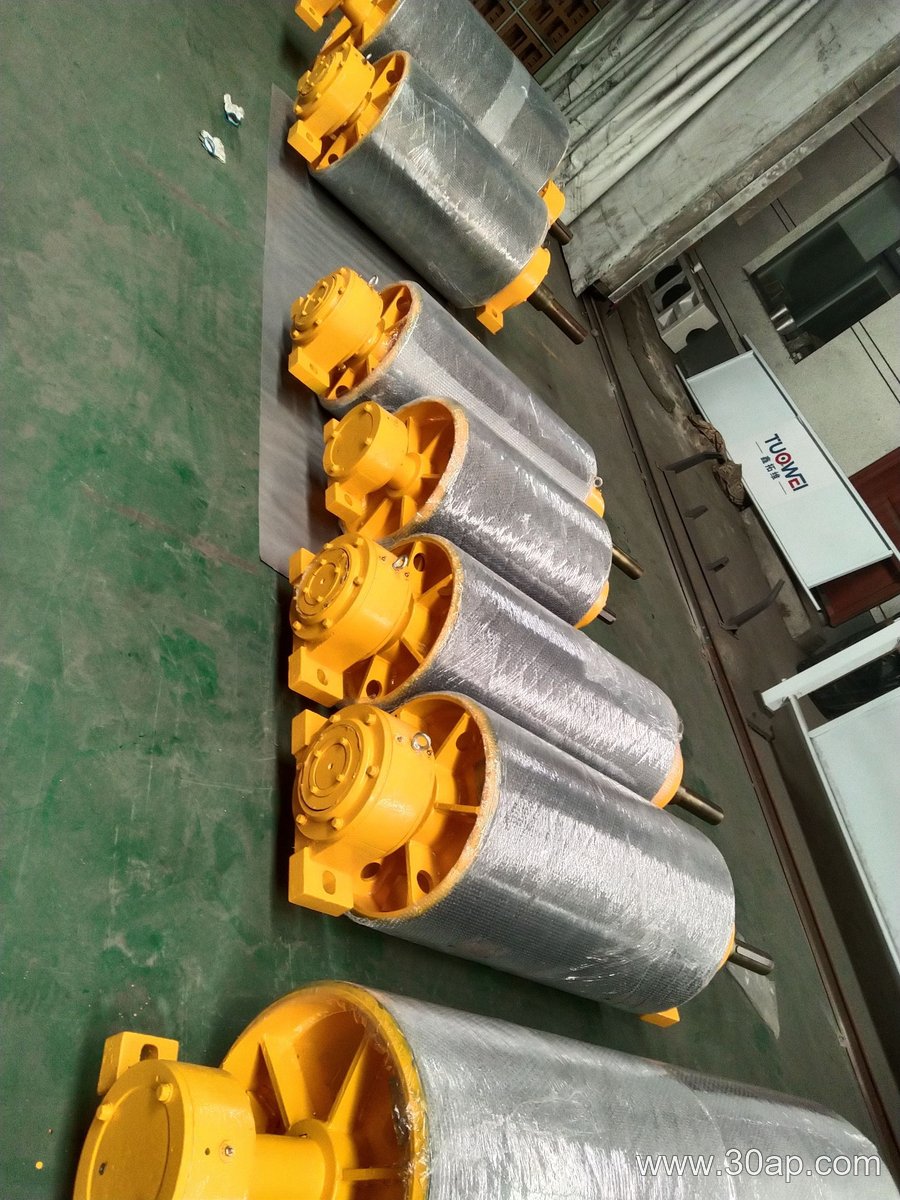
Selection Criteria
- Belt width and tension
- Shaft and bearing load
- Lagging for grip
- Corrosion resistance
For purchasing, verify diameter, face length, and balance. Request load calculations and material certificates. Prioritize reputable suppliers with testing reports.
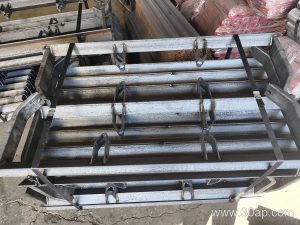
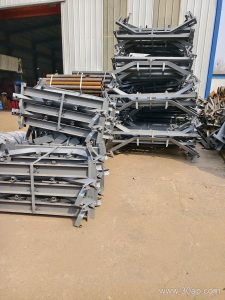
Why Conveyor Brackets Matter
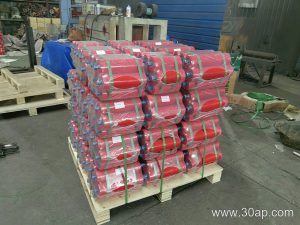
A conveyor bracket supports rollers, idlers, and frames. Choose the right one for alignment, load, and wear life.
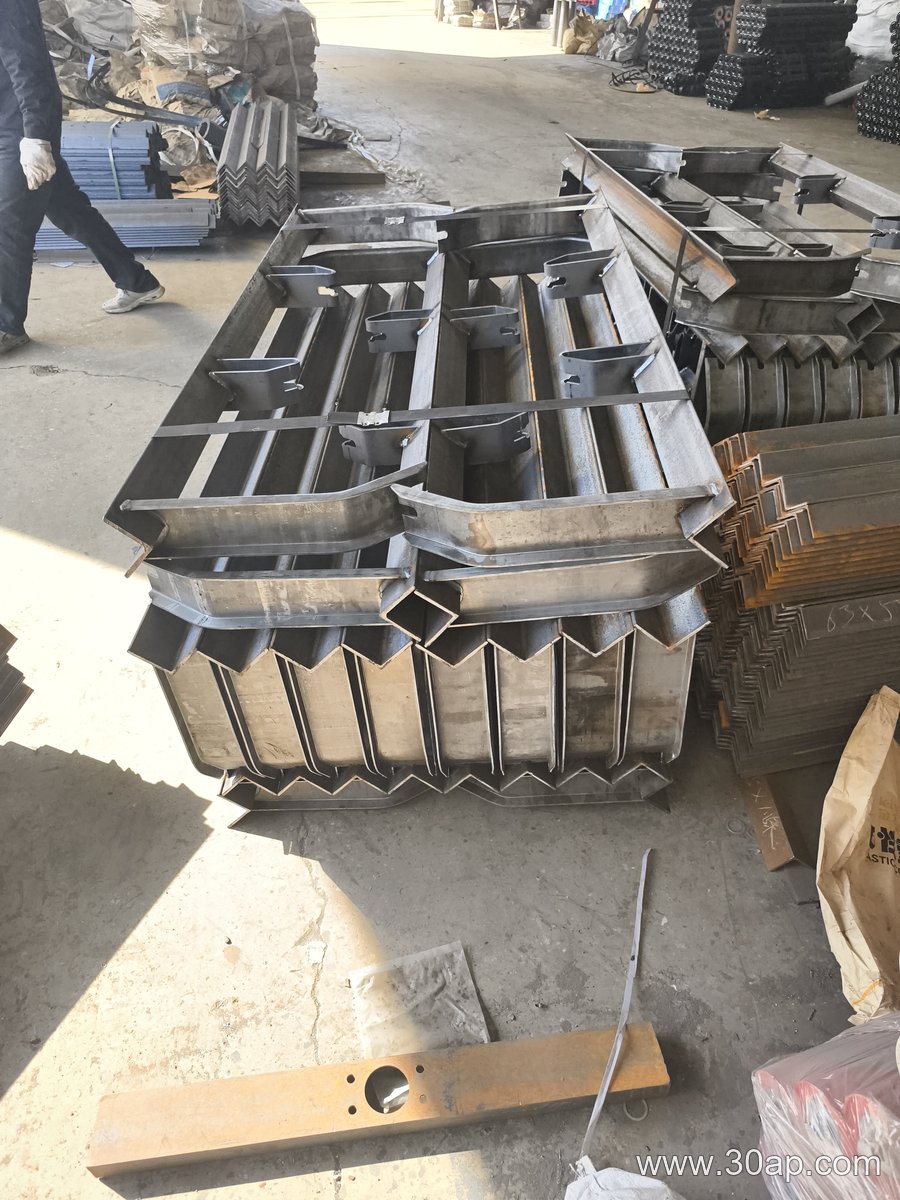
Selection and Purchasing Tips
- Match bracket material to load and environment.
- Check hole patterns and bolt spacing.
- Prefer adjustable designs for easy alignment.
- Buy from suppliers offering load ratings and corrosion specs.
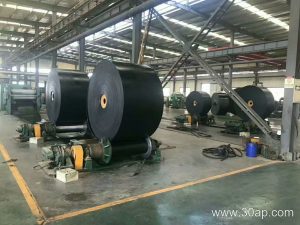
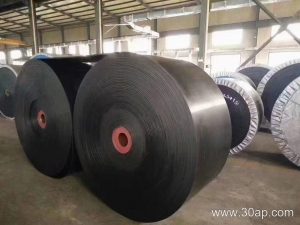
Choosing the Right Conveyor Belt
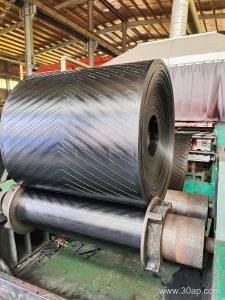
A conveyor belt is essential for material handling. Match belt type to load, speed, and environment.
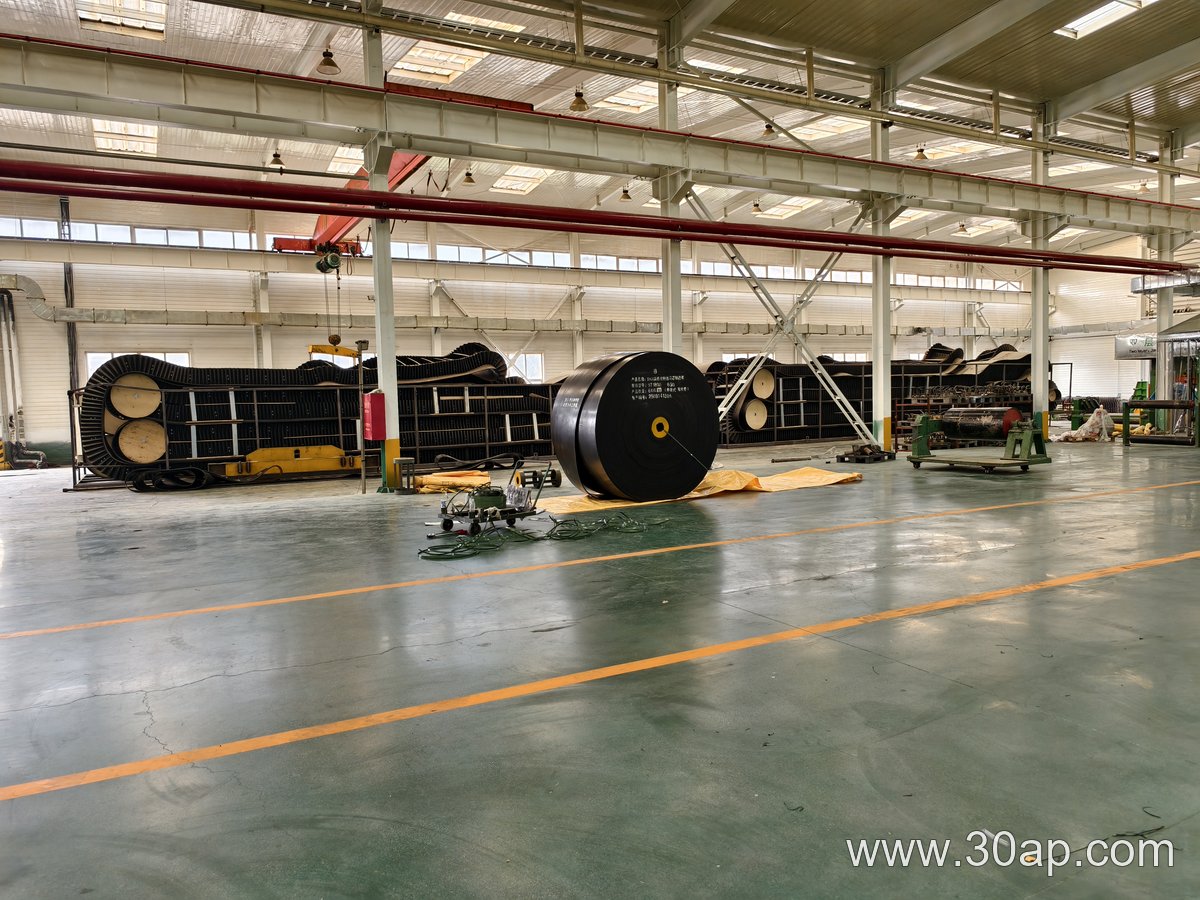
Key Selection Factors
- Material: rubber, PVC, or metal
- Load weight and incline
- Temperature and chemical resistance
Purchasing Advice
Check tension, pulley diameter, and splice quality. Buy from suppliers offering warranties and technical support.