What a Cement Plant Conveyor Belt Has to Handle
A cement plant conveyor belt is the load-carrying element of the bulk handling system that links the quarry, crushing station, raw mill, kiln feed, clinker cooler and packing plant. The duty is rarely gentle. Limestone arrives as sharp, abrasive rock, raw meal is fine and dusty, clinker is hot and angular, and cement powder is highly penetrating. A belt specified for a sand and gravel pit may look similar on the outside, but the cover compound, carcass and edge construction need to match the actual material, temperature and loading pattern of a cement line.
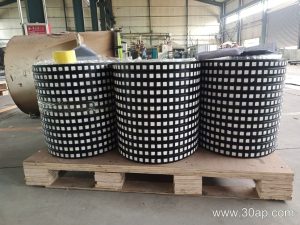
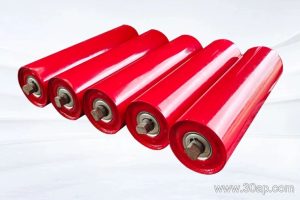
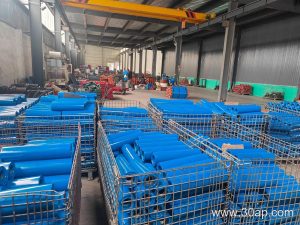
Because the belt works together with conveyor pulleys, idler rollers and conveyor brackets, the whole conveyor train should be reviewed as one system. The belt cannot compensate for badly aligned idlers or an undersized drive pulley, and a well-built conveyor still fails early if the wrong belt is fitted.
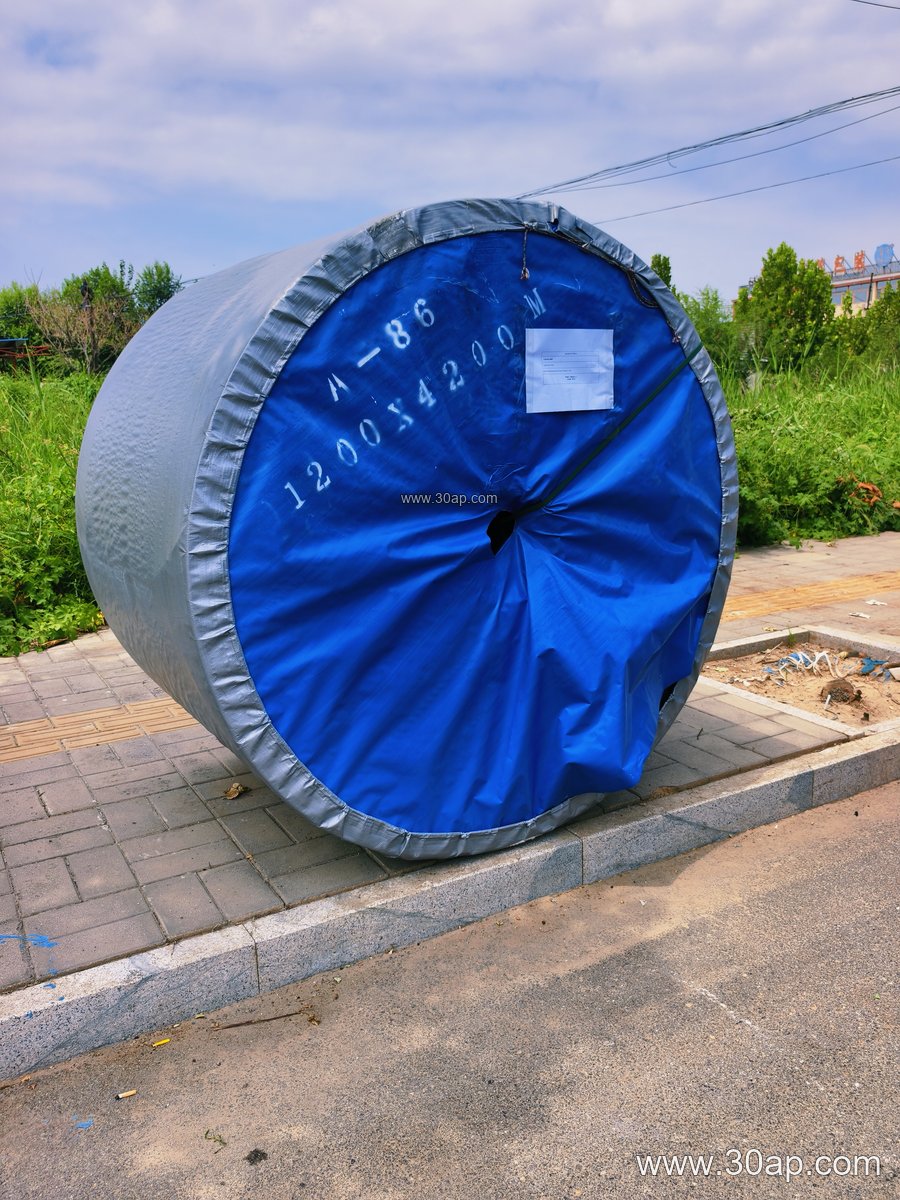
Construction of the Belt
A typical cement plant conveyor belt combines a textile or steel carcass with rubber covers on both faces.
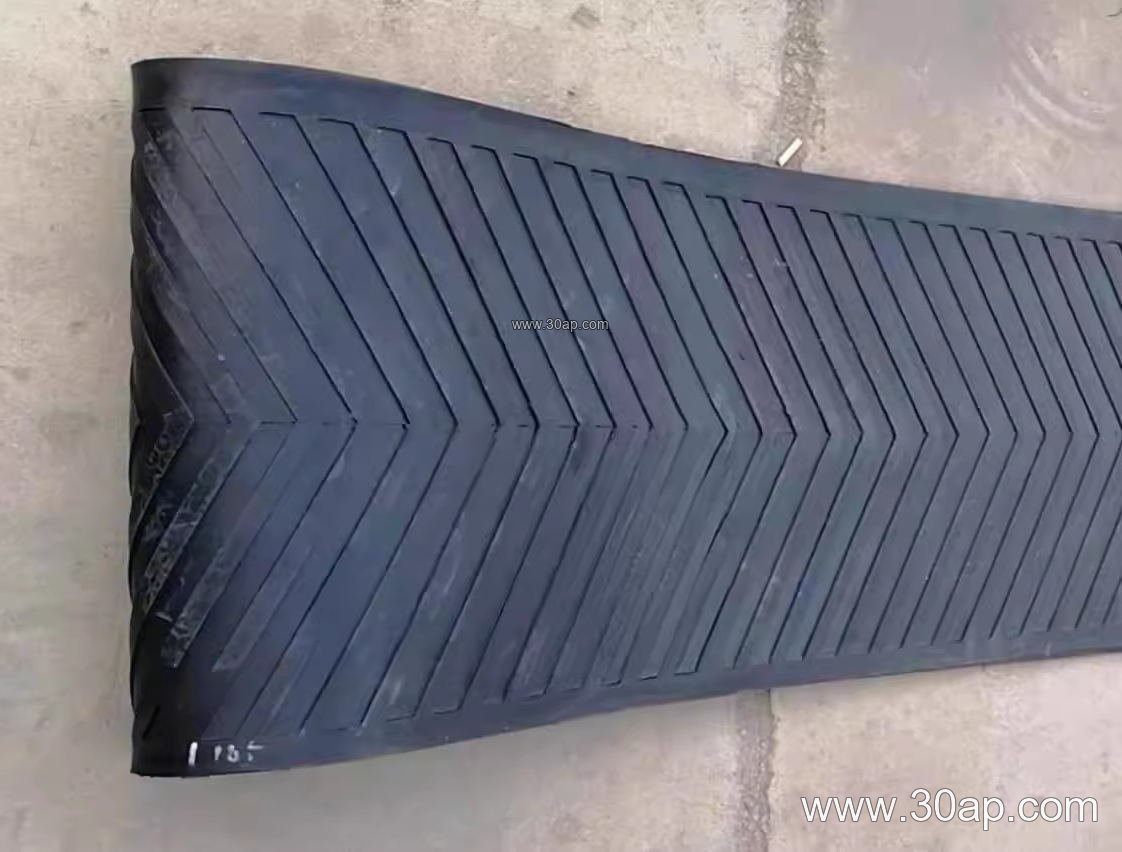
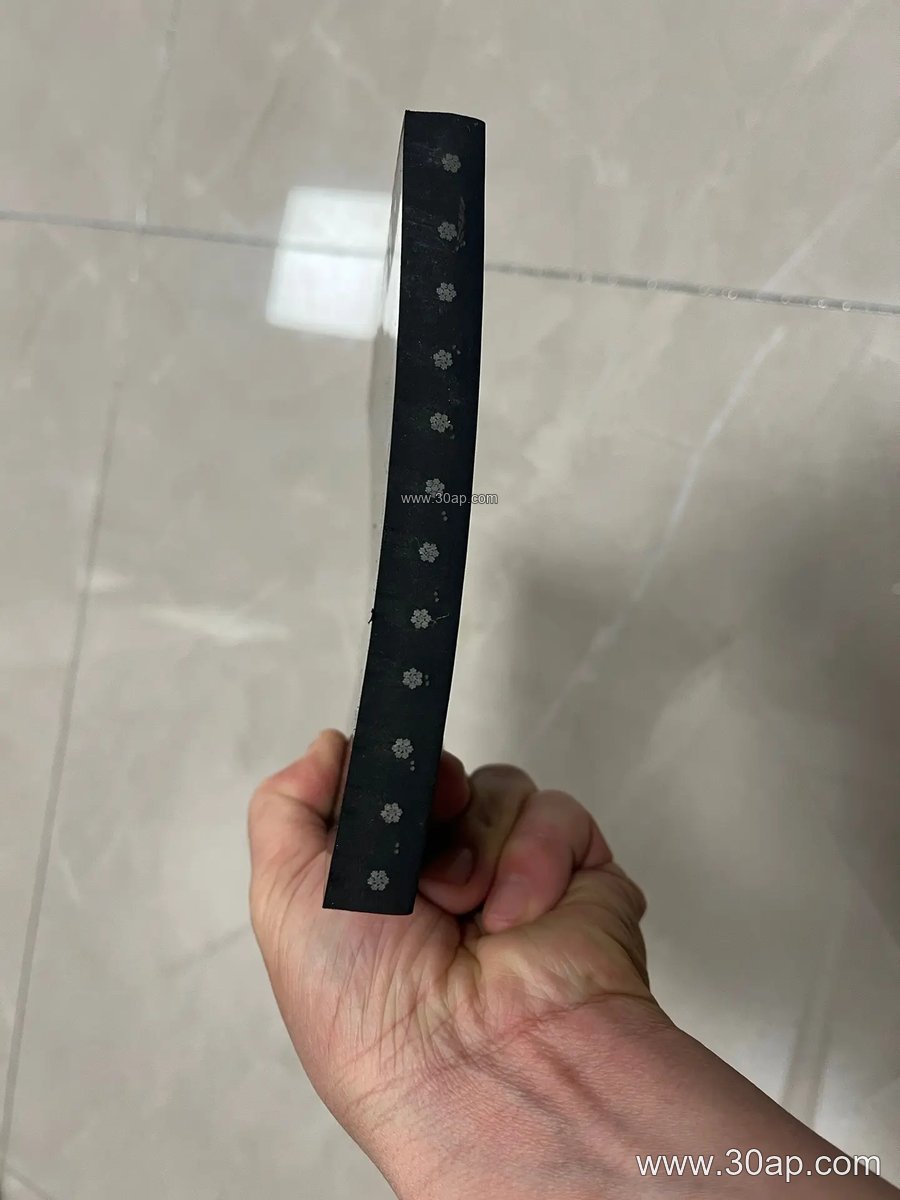
- Carcass: EP (polyester-cotton) or NN nylon fabric plies are common for general raw material and cement conveying, while steel cord carcasses are used where long centre distances and high tension call for them.
- Top cover: usually an abrasion-resistant compound for limestone and clinker, with heat-resistant grades where clinker temperature is a concern.
- Bottom cover: often a thinner abrasion-resistant layer running against the idler rollers.
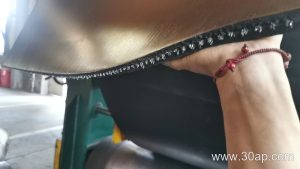
- Edges: cut or moulded edges influence fraying behaviour, especially on long overland sections.
Cover thickness is normally expressed as top plus bottom, for example 4+2 mm, 5+2 mm, 6+2 mm or 8+3 mm. The carcass usually has 2 to 6 plies in textile constructions. These are reference values; the final construction should follow the conveyor design and the material being handled.
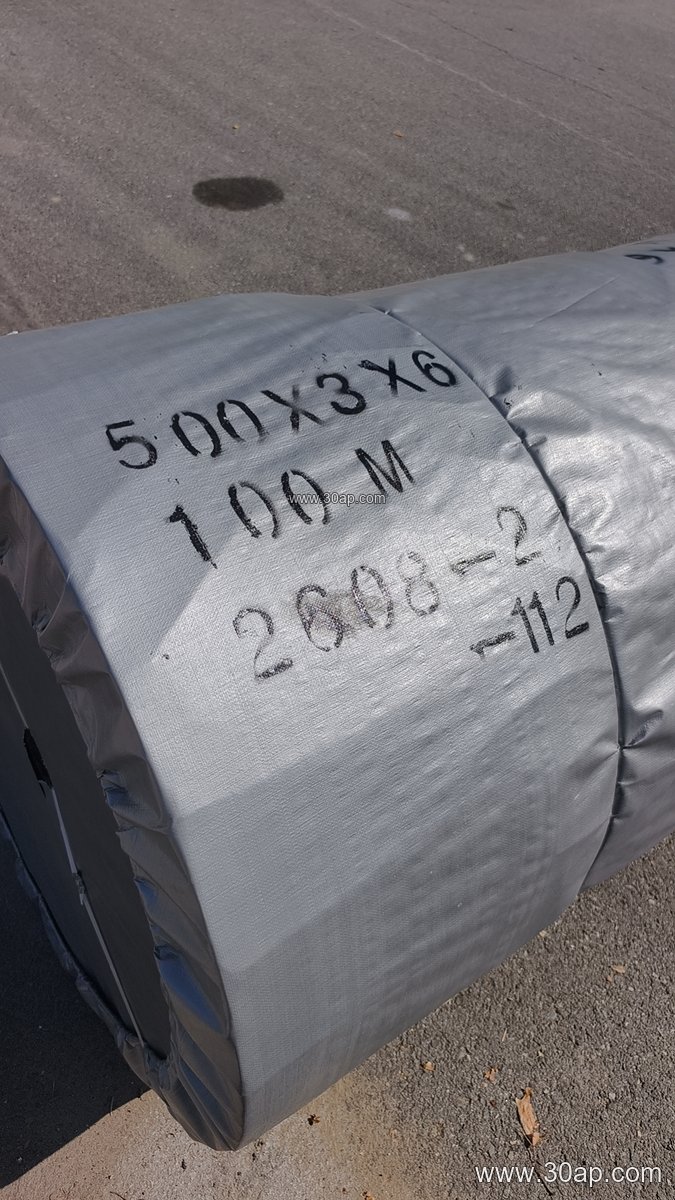
Common Types and Where They Fit
The same keyword covers several constructions, and the right choice depends on the section of the plant.
- EP conveyor belt: a general-purpose choice for limestone, shale and cement handling. Strength grades such as EP200, EP400, EP630, EP800 and EP1000 are frequently referenced.
- NN nylon conveyor belt: good flexibility and impact resistance, often used where belts run over relatively small pulleys.
- Steel cord conveyor belt: suited to high-tension, long-distance runs such as quarry-to-plant links.
- Heat-resistant belt: used after the clinker cooler, where material can still be warm.
- Oil-resistant and acid-alkali resistant belts: relevant near lubricated equipment or where aggressive material is present.
- Flame-retardant and antistatic belts: specified where fire or static risk must be controlled.
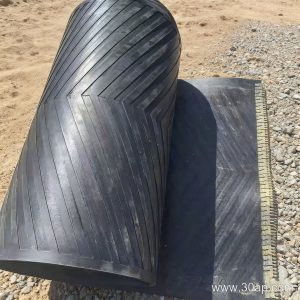
- Patterned belts: chevron or herringbone surfaces help on inclines; corrugated sidewall belts are used for steep, space-limited transfers.
Typical Belt Widths and Strength References
Belt width is matched to the tonnage, lump size and conveyor design. Common widths include B500, B650, B800, B1000, B1200, B1400, B1600, B1800 and B2000. The tables below are reference data, not fixed combinations.
| Reference item | Common values |
|---|---|
| Belt width | B500, B650, B800, B1000, B1200, B1400, B1600, B1800, B2000 |
| EP strength grade | EP200, EP315, EP400, EP500, EP630, EP800, EP1000, EP1250, EP1600, EP2000 |
| Cover thickness | 3+1.5, 4+2, 5+2, 6+2, 8+3 mm |
| Textile plies | usually 2 to 6 layers |
A wider belt does not automatically pair with a given pulley diameter; the pulley and shaft are sized from the belt tension, wrap angle and drive layout. Shaft diameter should never be guessed from belt width alone.
Working With Pulleys, Idlers and Brackets
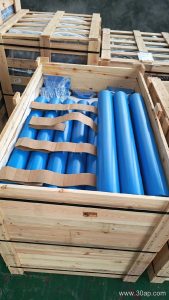
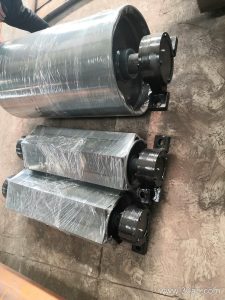
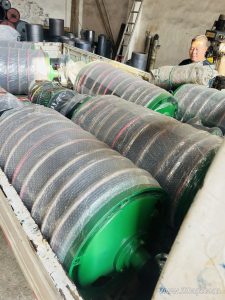
The belt is only one part of the conveyor. Drive, tail and bend pulleys each perform a different function and are not interchangeable names. Drive pulleys transmit torque, tail pulleys return the belt, and bend pulleys change its path. Idler rollers support the belt on the carrying and return sides, while conveyor brackets hold the idlers and frame in position. Misalignment at any of these points shows up first as edge wear or tracking problems on the belt itself.
What Buyers Should Check
- Material description: lump size, abrasiveness, moisture, temperature and oil content.
- Conveyor data: belt width, centre distance, incline, capacity and trough angle.
- Cover grade and thickness suited to the duty, not simply the thickest option.
- Edge construction and splice method for the planned installation.
- Compatibility with existing pulley diameters, idler spacing and bracket positions.
- Consistent specification between replacement belts and the original conveyor design.
For cement plants, the most reliable approach is to define the belt by its working conditions first, then confirm the carcass, covers and dimensions against the conveyor layout. A belt that matches the line from quarry to packing will last longer and cause fewer stoppages than one chosen by catalogue number alone.