What Idler Processing Covers
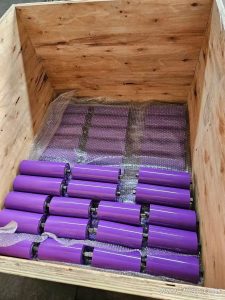
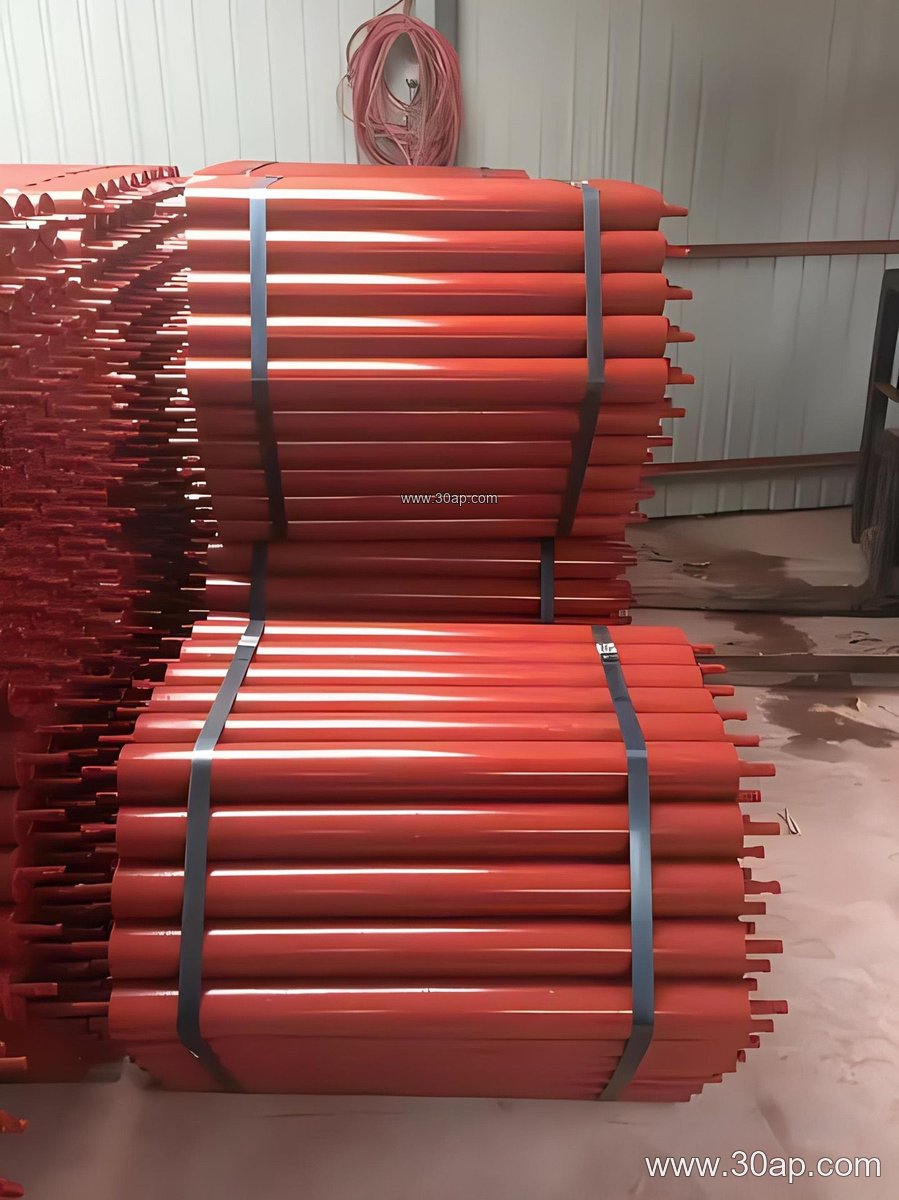
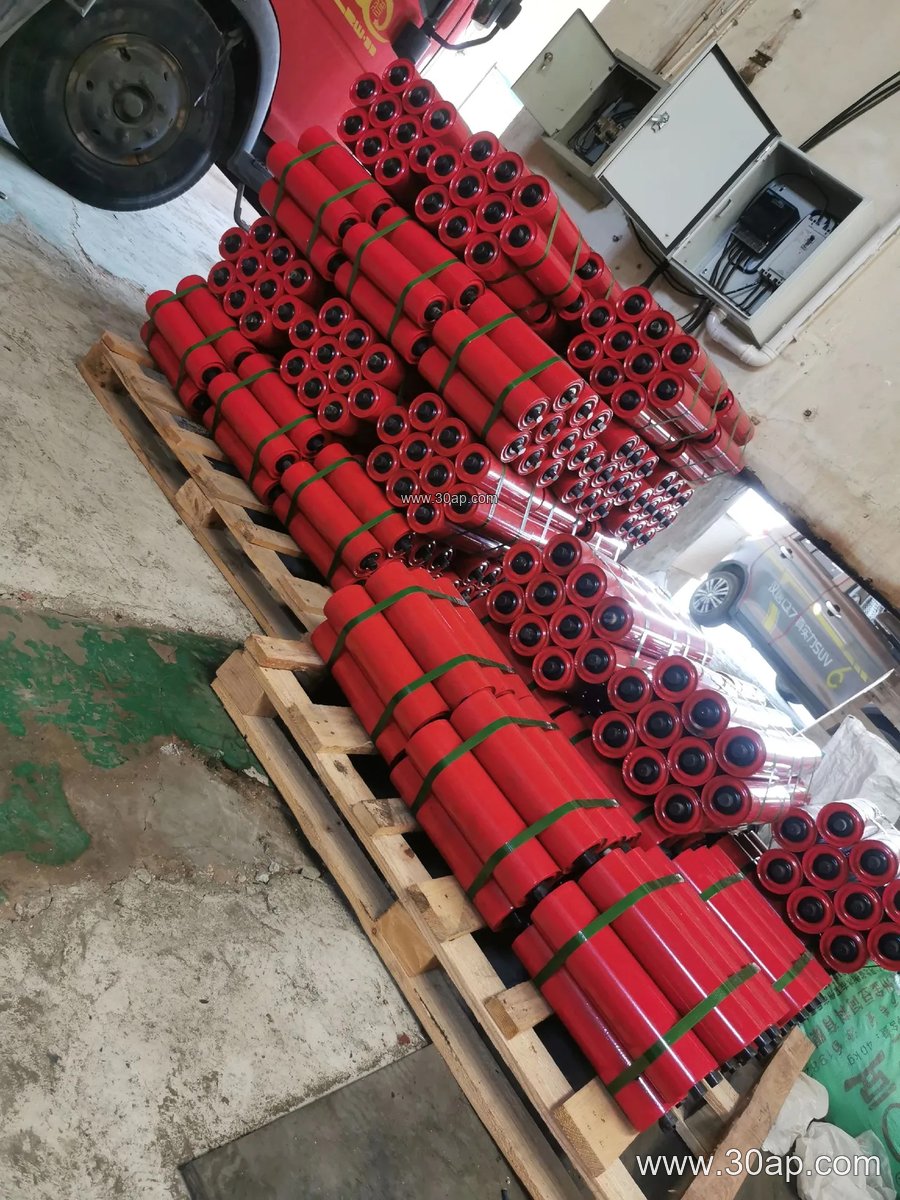
Idler processing refers to the manufacturing steps that turn steel tube, shaft, bearing, and seal components into a finished conveyor idler roller. In a typical plant serving mines, quarries, or cement works, the process includes cutting and machining the tube, welding the bearing housings, pressing in the bearings, adding seals, and balancing the assembly before it goes onto a conveyor bracket. The finished idler roller supports the conveyor belt and keeps material moving along the trough. Because idlers run continuously under load, the quality of each processing step directly affects belt life and energy use.
How an Idler Roller Is Built
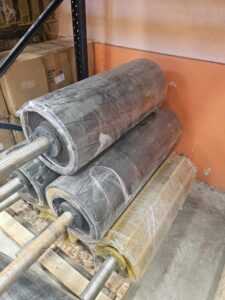
The shell is usually a steel tube with a machined end face. The shaft is sized to the bearing and the bracket, not simply to the belt width. Common bearing numbers in idler processing include 6204, 6205, 6305, 6306, 6308, and 6310, and the same bearing may appear across several roller diameters depending on the design load. Seal design matters in dusty settings such as a limestone quarry or a coal preparation plant, where fine particles can enter the bearing cavity. Roller surface options include plain steel, nylon, ceramic, and rubber rings; rubber rings are often chosen for impact zones under a crusher discharge.
Where Idler Processing Fits on the Conveyor
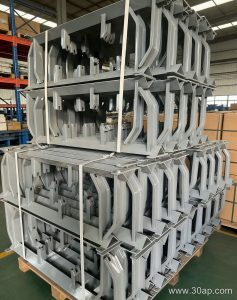
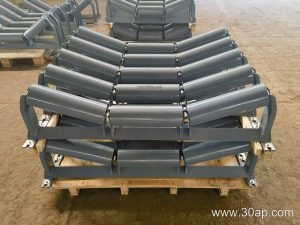
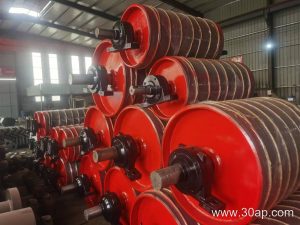
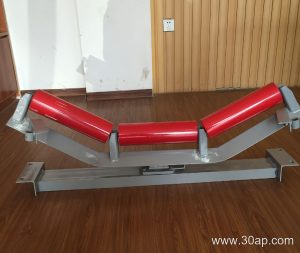
Processing is not one product but a family of components. Troughing idlers, return idlers, impact idlers, and self-aligning idlers each have a place along the conveyor. A three-roll troughing set is common on the carrying side, while a flat or V-return idler supports the belt on the return run. Transition idlers help the belt move from a flat pulley to a troughed profile without stressing the edges. Self-aligning types, including friction and tapered designs, are used where belt tracking is a concern. These are different from drive, tail, and bend pulleys, which transmit power or change belt direction and are not interchangeable with idlers.
Sizes and Selection Notes
Roller diameter and belt width are selected together with load, speed, and material lump size. The table below shows common reference values, not fixed pairings.
| Reference item | Common values |
|---|---|
| Roller diameter | Ø63, Ø76, Ø89, Ø102, Ø108, Ø127, Ø133, Ø159, Ø178, Ø194, Ø219 |
| Belt width | B400, B500, B650, B800, B1000, B1200, B1400, B1600, B1800, B2000, B2200, B2400 |
| Trough angle | 20°, 30°, 35°, 45° |
| Roller length (three-roll troughing example) | B500 about 200 mm, B650 about 250 mm, B800 about 315 mm, B1000 about 380 mm, B1200 about 465 mm, B1400 about 530 mm, B1600 about 600 mm, B1800 about 670 mm, B2000 about 750 mm |
Side rollers and center rollers can differ in length, and the figures above are examples only. A 1200 mm wide belt does not require one specific shaft diameter; the shaft is determined by the bearing series, load rating, and bracket design. Buyers should ask for the idler drawing, bearing number, seal type, and surface finish rather than relying on belt width alone. For a conveyor handling abrasive ore, a heavier roller shell and good sealing may matter more than a small change in diameter.
Buyer Checklist for Idler Processing
- Confirm the idler type and position: troughing, return, impact, or self-aligning.
- Check roller diameter, length, and shaft end detail against the conveyor bracket.
- Ask which bearing and seal are used, especially for dusty or wet conditions.
- Match the roller surface to the duty: rubber rings for impact, ceramic or nylon where buildup or wear is a concern.
- Review balance and runout requirements for high-speed conveyors.
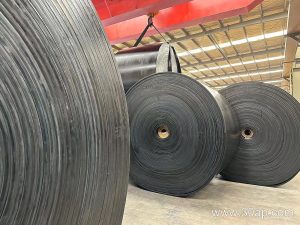
Idler processing also connects to the wider belt system. A poorly processed roller can damage a Rubber Conveyor Belt or a Steel Cord Conveyor Belt through edge wear and mistracking. In a copper mine or a power plant coal yard, keeping idlers aligned and sealed reduces downtime. Buyers comparing suppliers should look at the processing details, not only the catalog number, and should request drawings that show how the idler roller fits the conveyor bracket and the conveyor pulley line.