What a Composite Idler Is and Why It Matters
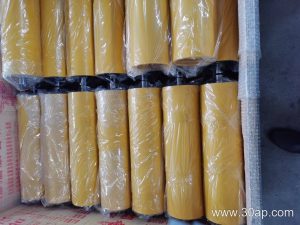
A composite idler is a conveyor idler roller built from non-metallic materials, typically a blend of polymer resins, fiberglass, or engineered thermoplastics. Instead of the traditional steel tube and steel bearing housing, the composite idler uses a molded shell and sealed bearing arrangement that resists corrosion, reduces weight, and often extends service life in wet or abrasive environments. You may also hear it called a composite conveyor idler or simply a polymer idler roller. It performs the same basic job as any idler: support the conveyor belt, maintain its shape, and help it track smoothly along the conveyor structure.
The term composite refers to the construction, not a single recipe. Different manufacturers combine different materials to balance strength, impact resistance, and cost. For a buyer, the important point is that the idler roller is not steel, so it behaves differently in terms of load capacity, temperature range, and chemical compatibility.
How a Composite Idler Is Built
A typical composite idler starts with a shell made from a polymer or composite tube. The shell is often formed by winding fibers with resin or by extrusion. Inside, the bearing housing is molded or inserted, and the bearings are usually sealed to keep out dust and water. The shaft may be steel or a composite rod, depending on the design. End caps or seals close the roller to protect the bearing cavity.
Some designs use a one-piece molded body that includes the bearing seats, which reduces the number of joints where contamination can enter. The outer surface may be smooth or have a slight crown to help center the belt. Unlike a steel idler roller, a composite version does not rust, and it tends to shed sticky material more easily. That can be a real advantage in sand and gravel production line idler applications where fines and moisture are always present.
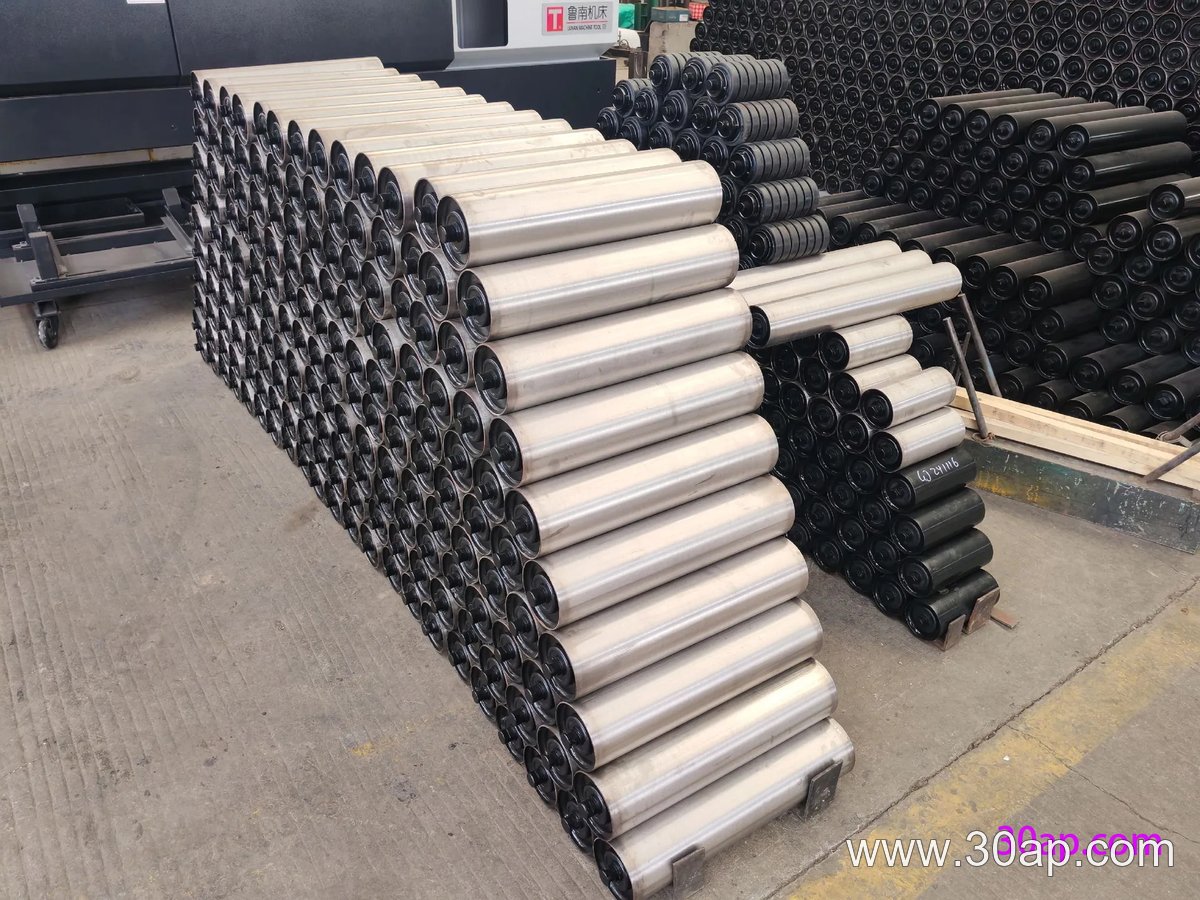
Key Components and Their Roles
- Composite shell: carries the belt load and resists corrosion.
- Bearing housing: holds the bearing in alignment, often molded into the shell.
- Sealed bearings: reduce friction and block contaminants.
- Shaft: transfers load to the conveyor bracket.
- Seals and end caps: protect the bearing cavity from dust and water.
Where Composite Idlers Are Used
Composite idlers appear in many bulk handling systems, but they are especially common where steel would fail quickly. Sand and gravel production line idler sets are a good example, because the material is abrasive and often wet. Wash plants, aggregate conveyors, and recycling lines also use them. They can be found in fertilizer handling, salt operations, and some food processing lines where rust is unacceptable.
They are also used on portable conveyors and stackers where weight matters. A lighter idler roller makes the conveyor easier to move and reduces the load on the conveyor bracket and frame. In some cases, a composite idler can replace a steel idler without changing the conveyor pulley or the belt. However, the load rating and spacing must be checked, because composite idlers may have different strength limits than steel ones.
Impact and Transition Zones
In impact zones, where large lumps fall onto the belt, a standard composite idler may not be the best choice unless it is specifically designed for impact. An impact idler manufacturer often uses a different construction with rubber discs or a heavier shell to absorb shock. If you need impact resistance, look for a composite impact idler rather than a standard carrying idler. The same applies to transition areas near the conveyor pulley, where belt tension changes and the idler must handle combined loads.
What Buyers Should Consider
Before choosing a composite idler, ask about the operating environment. Temperature, chemical exposure, and UV sunlight can affect polymer performance. A composite that works well in a wet sand plant may not be suitable for a hot clinker line. Check the bearing type and sealing method, because the bearing is often the first part to fail. Also confirm the shaft diameter and the bracket fit, since a composite idler must mount correctly on your existing conveyor bracket.
Load capacity is another factor. Composite idlers are not automatically weaker than steel, but their ratings vary by design. Do not assume a direct substitution without checking the manufacturer’s load and speed limits. If you are buying in volume, idler wholesale suppliers can often provide technical data and samples. For a trial, install a few composite idlers in a problematic section and compare wear, belt tracking, and bearing life against your current idlers.
Maintenance and Replacement
Composite idlers generally need less maintenance than steel because they do not rust and often run quieter. However, they can still be damaged by impact or by a seized bearing. When replacing an idler roller, inspect the belt for edge damage and the conveyor bracket for wear. A worn bracket can cause the new idler to sit crooked, which leads to belt misalignment. If several idlers fail in the same area, look for a root cause such as material buildup, a misaligned conveyor pulley, or an overloaded belt.
Summary
A composite idler is a practical choice for conveyors that face corrosion, abrasion, or weight concerns. It is not a universal replacement for every steel idler, but in the right application it can reduce maintenance and improve belt performance. Buyers should focus on material compatibility, bearing quality, load rating, and proper mounting. With the right selection, a composite idler roller can be a reliable part of a conveyor system, from a sand and gravel production line idler to a light-duty package handling conveyor.