What a Belt Conveyor Drive Pulley Does
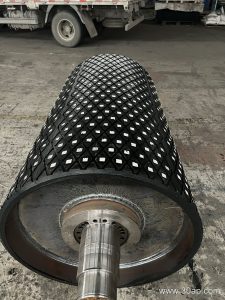
The belt conveyor drive pulley is the powered drum at the head of a conveyor that transfers torque from the gearbox to the conveyor belt. Its rubber or ceramic lagging grips the belt, converting rotary motion into linear travel. In a quarry, coal washing plant, or cement clinker line, this single component determines how much tension the belt can carry before slipping.
Unlike a tail pulley, which merely redirects the return strand, the drive pulley carries the full working tension. That distinction matters during maintenance planning: replacing a bend pulley with a drive unit is never a like-for-like swap. The drive pulley is also called the head pulley or drive drum, and these terms describe the same powered component.
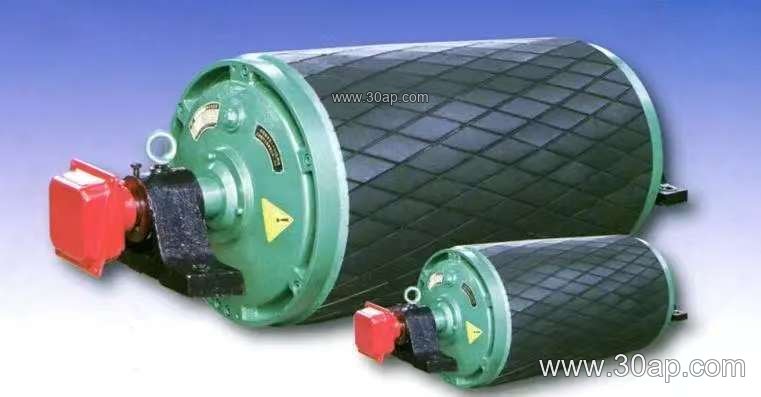
Construction Details That Affect Performance
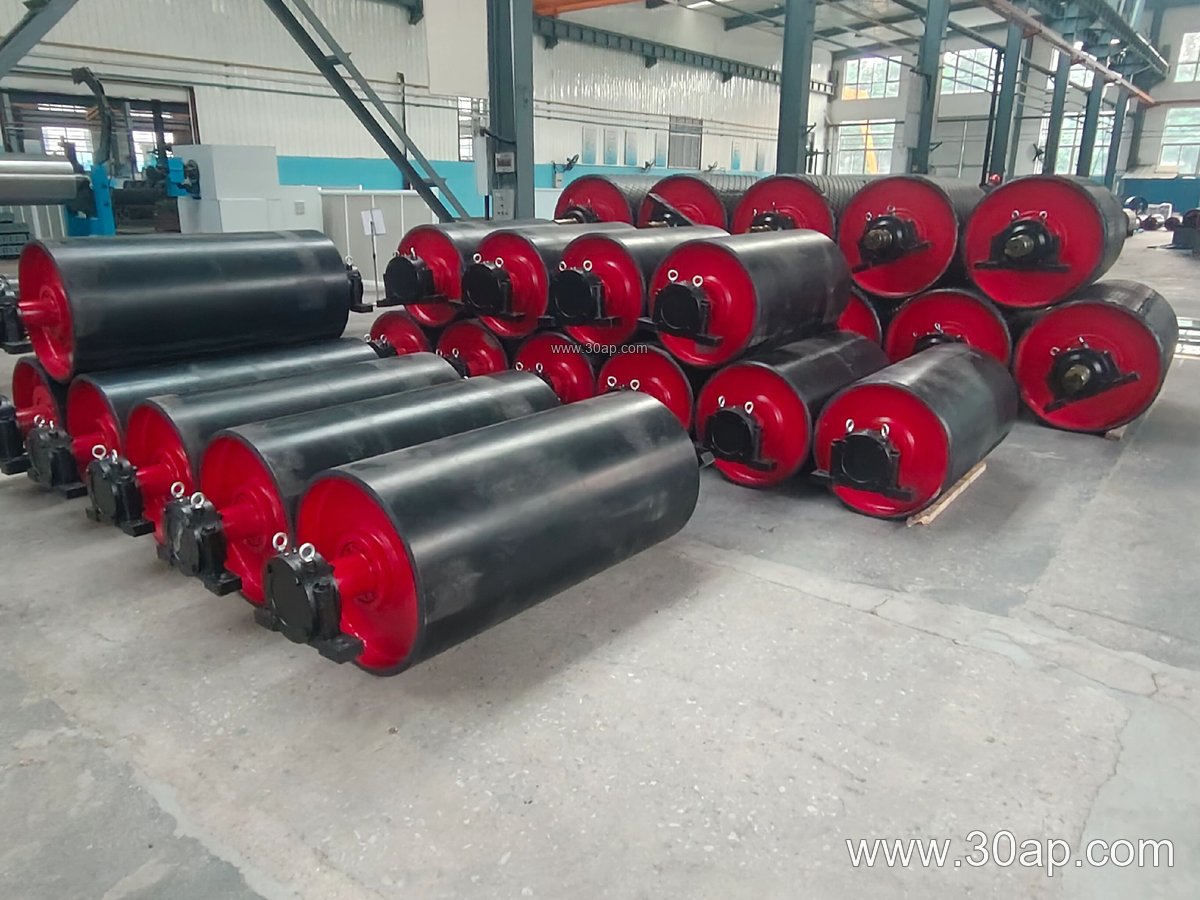
A typical drive pulley consists of a cylindrical shell, two end discs, a shaft, and a lagging layer. The shell is usually rolled steel, machined for concentricity. Shafts are sized by torque and radial load, not by belt width alone; common shaft diameters range from Ø50 to Ø200 mm depending on the drive power and bearing arrangement. The shaft connects to the gearbox through a keyed or shrink-disc coupling.
Lagging is the contact surface between drum and belt. Plain, cast rubber, cold-bonded rubber, hot-vulcanized rubber, diamond, herringbone, and ceramic lagging are all available. Lagging thickness commonly falls between 8 mm and 20 mm. In a wet coal preparation plant, diamond or herringbone grooving helps water escape from the nip point; in a dry sand and gravel line, plain rubber may be sufficient.
Common Drive Pulley Reference Dimensions
| Belt Width | Typical Pulley Face Width | Example Diameter Range |
|---|---|---|
| B500 | about 600 mm | Ø250 to Ø400 |
| B650 | about 750 mm | Ø315 to Ø500 |
| B800 | about 950 mm | Ø400 to Ø630 |
| B1000 | about 1150 mm | Ø500 to Ø800 |
| B1200 | about 1400 mm | Ø630 to Ø1000 |
| B1400 | about 1600 mm | Ø800 to Ø1250 |
| B1600 | about 1800 mm | Ø1000 to Ø1400 |
These figures are reference values only. A B1200 conveyor might use a Ø1000 drive drum in one plant and a Ø800 drum in another, depending on belt speed, wrap angle, and available space. No single diameter is mandatory for a given belt width.
Where It Fits in the Conveyor System
Drive pulleys appear at the discharge end of overland conveyors, at the head of stackers in a port bulk terminal, and on short transfer conveyors in a concrete mixing plant. In a tunnel boring operation, a compact drive drum may sit close to the face, while a long iron ore conveyor uses a large-diameter unit to reduce belt flex fatigue.
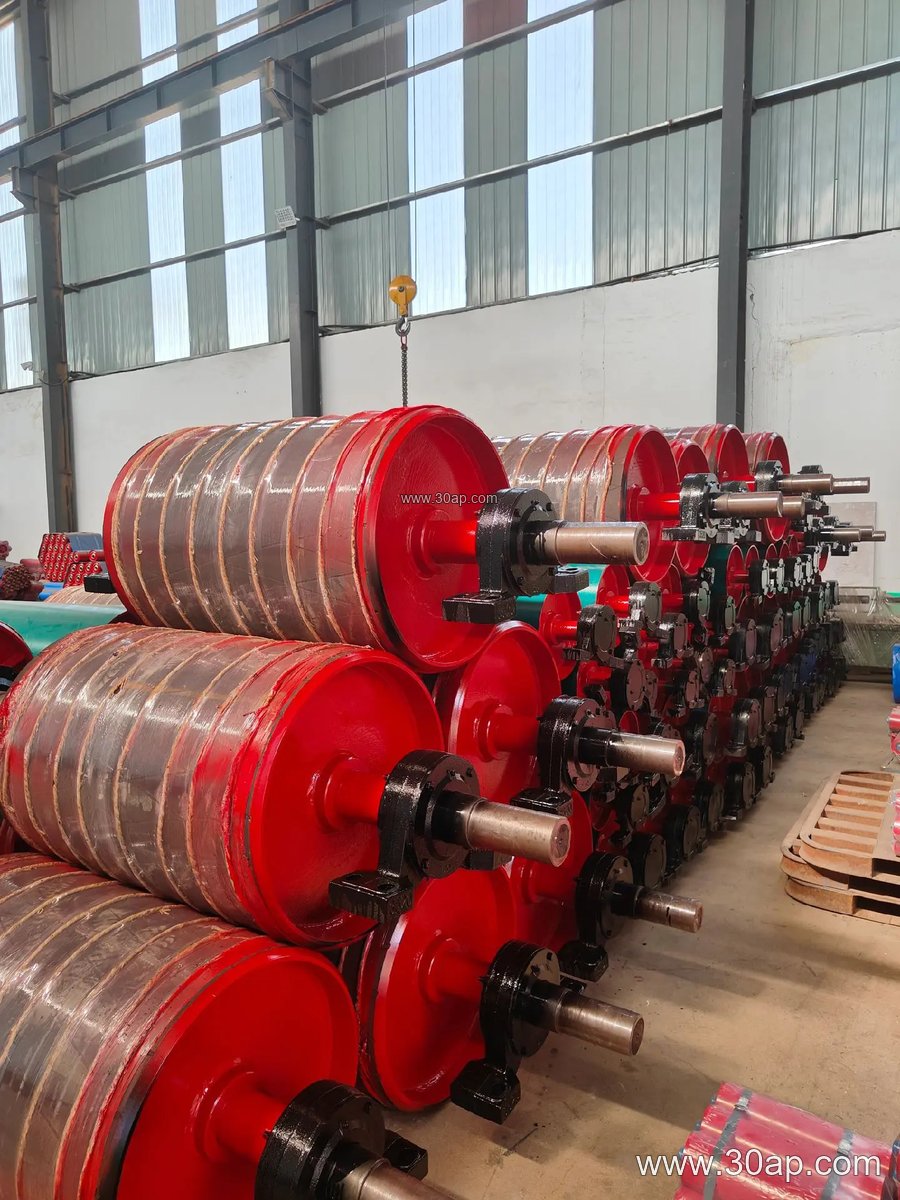
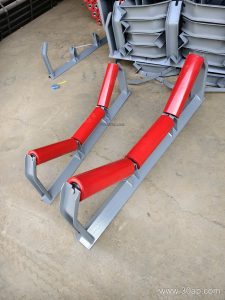
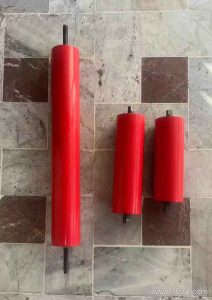
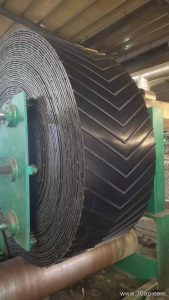
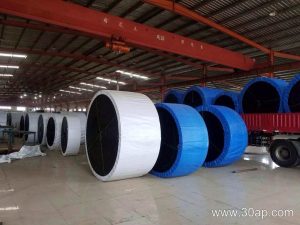
The drive pulley works together with the conveyor belt, idler rollers, and conveyor brackets. Misalignment between the drive drum and the first troughing idler set can cause edge wear and belt tracking problems. Checking squareness during installation is as important as the drum’s own machining tolerance.
Buyer Checklist Before Ordering
- Confirm belt width and required face width, not just nominal drum diameter.
- State the lagging type and thickness, since 10 mm hot-vulcanized rubber and 15 mm ceramic tile serve different duties.
- Provide motor power, belt speed, and wrap angle so the shaft and bearing size can be calculated.
- Specify the coupling type and whether a shrink disc or keyed connection is preferred.
- Ask for dynamic balance data on large drums, especially above Ø1000.
- Clarify the bearing housing interface and whether the pulley will mount on a conveyor bracket supplied by others.
For a limestone quarry running a B800 belt at moderate speed, a Ø500 drive pulley with 10 mm diamond lagging is a reasonable starting point. A B1400 belt at a copper mine might call for Ø800 or larger and 15 mm ceramic lagging to resist abrasive slip. The final choice should follow the conveyor design calculation, not a catalog shortcut.
Maintenance Notes
Inspect lagging wear at each shutdown. Worn grooves reduce friction and invite belt slip, which raises belt temperature and accelerates cover wear. Check shaft seals for grease loss and listen for bearing noise during slow rotation. Keeping the drive pulley clean and the belt tension correctly set extends the life of both the drum and the conveyor belt.