Conveyor Bracket: The Backbone of Your Material Handling System
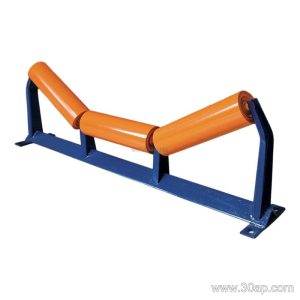
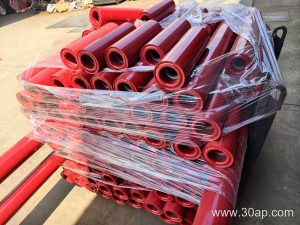
A conveyor bracket supports rollers, idlers, and frames, ensuring smooth, safe operation. Choosing the right one prevents downtime and extends system life.
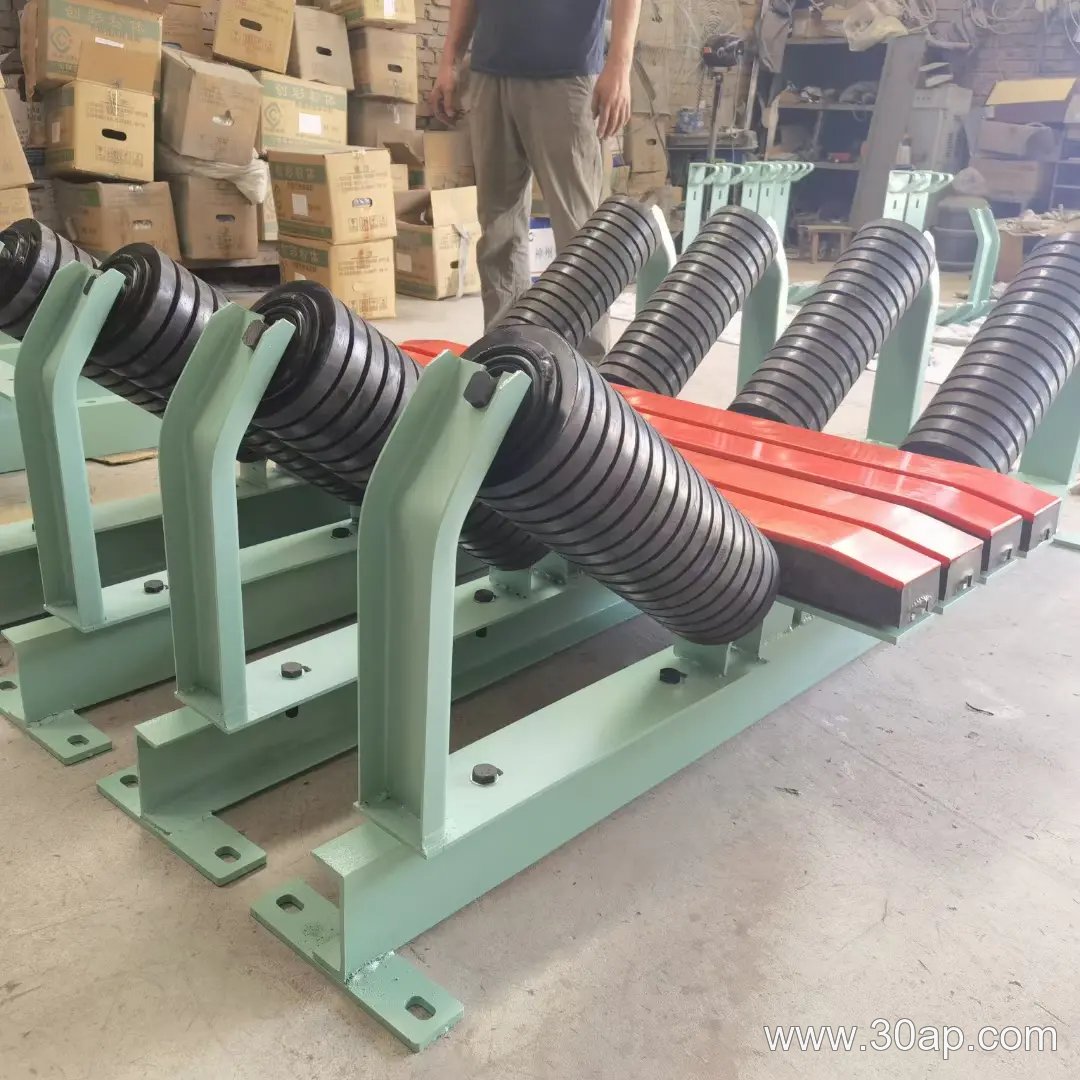
Selection and Purchasing Advice
- Match load capacity and belt width.
- Choose mild steel, stainless, or galvanized for your environment.
- Verify hole patterns and mounting dimensions.
- Prioritize corrosion resistance in washdown areas.
- Buy from suppliers offering load ratings and material certs.
Conveyor Belt Selection and Purchasing Guide
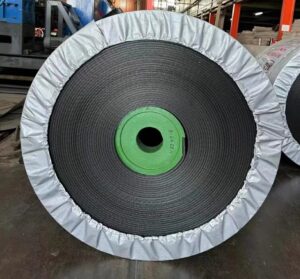
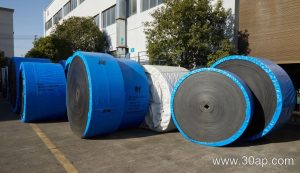
A conveyor belt is a critical investment for material handling. Match belt type, cover compound, and tension rating to your load, speed, and environment.

Key Selection Factors
- Load weight and belt width
- Temperature and chemical resistance
- Cleat or cleatless profile
- Export standards and documentation
Confirm splice method, pulley diameter, and warranty before ordering.
Choosing the Right Idler Roller
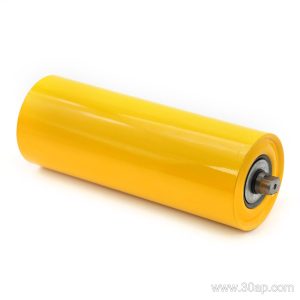
An idler roller supports and guides conveyor belts without driving them. Select based on load, speed, and environment.

Key Selection Factors
- Load capacity and belt width
- Bearing type and sealing
- Roller diameter and wall thickness
- Material: steel, stainless, or polymer
Purchasing Advice
Match roller spacing to belt sag. For dusty or wet sites, choose sealed bearings and corrosion-resistant shells. Verify shaft fit and mounting tolerances before ordering.
Conveyor Pulley Essentials
The conveyor pulley drives and tensions your belt. Choose the right one for reliability.
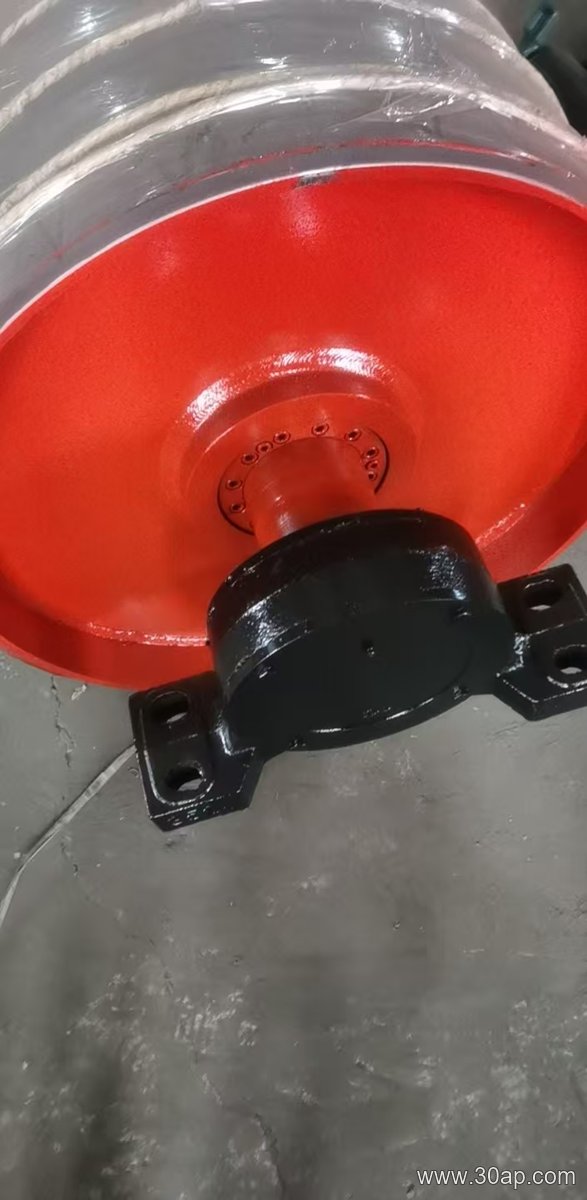
Key Selection Factors
- Belt width and load capacity
- Pulley diameter and face length
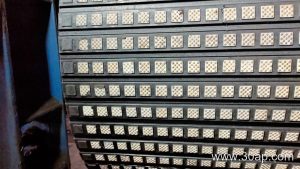
- Lagging type for grip
- Shaft and bearing specs
Purchasing Advice
Verify material, balance, and tolerances. Request load ratings and maintenance schedule.