Idler Roller Selection and Purchasing Guide
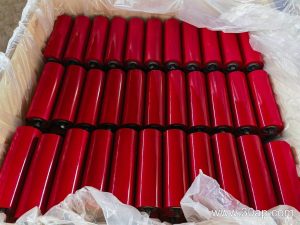
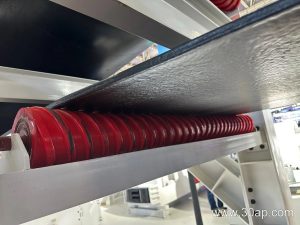
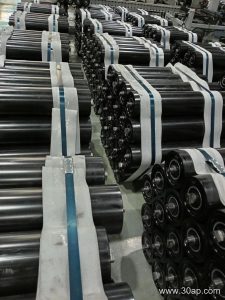
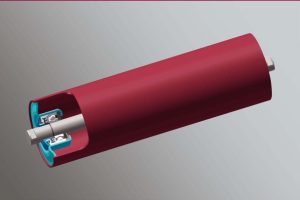
An idler roller supports and guides conveyor belts without driving them. Choosing the right idler roller improves belt life and reduces downtime.

Key Selection Factors
- Load capacity and belt width
- Roller diameter and wall thickness
- Bearing type and sealing
- Material and environmental resistance
Purchasing Advice
Match the idler roller to your conveyor speed, load, and operating conditions. Prefer reputable suppliers with consistent tolerances, corrosion protection, and replacement availability. Verify dimensions and load ratings before ordering.
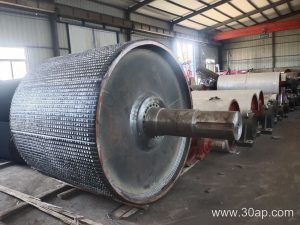
Conveyor Pulley Selection and Purchasing Guide
A conveyor pulley drives the belt and keeps material moving. Choose diameter, lagging, shaft, and bearing based on load, speed, and environment.
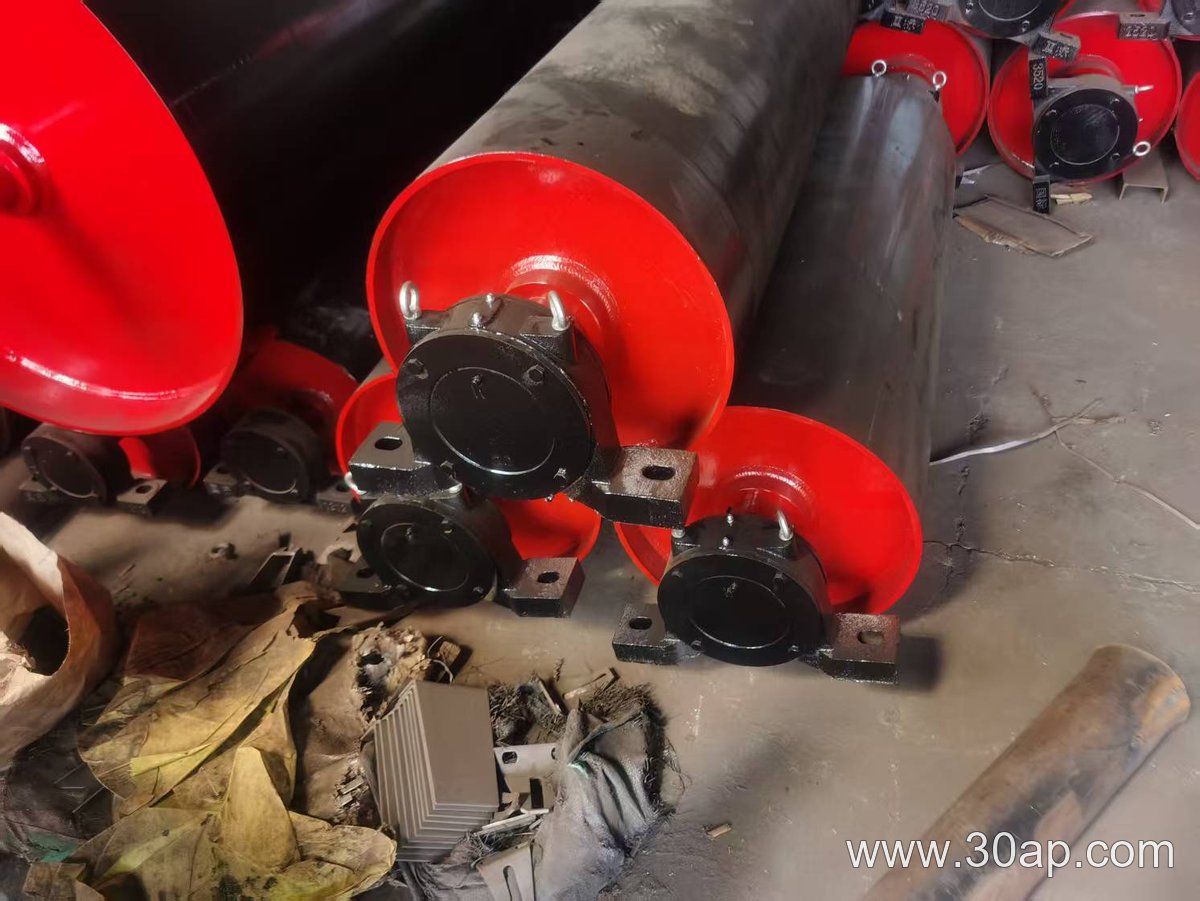
- Match pulley diameter to belt thickness and torque
- Use rubber lagging for grip; ceramic for wet, abrasive duty
- Confirm shaft, hub, and bearing fit before ordering
- Check balance, runout, and duty rating
Buy from a supplier who provides load calculations and inspection reports.
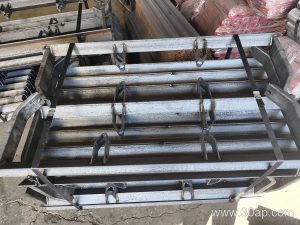
Conveyor Bracket: The Backbone of Your Material Handling System
A conveyor bracket connects rollers, idlers, and frames, ensuring alignment and load support. Choose the right bracket to reduce downtime and maintenance.
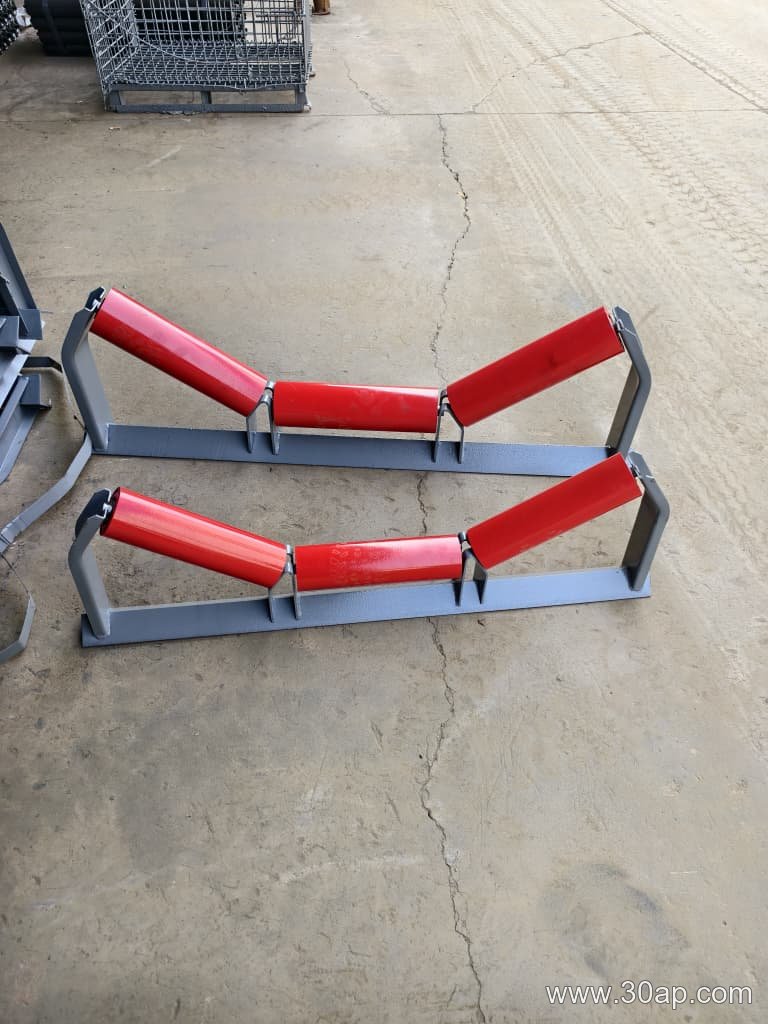
Selection and Purchasing Advice
- Match bracket material to load and environment: mild steel for general use, stainless steel for washdowns, galvanized for outdoor corrosion resistance.
- Verify mounting dimensions, hole spacing, and slot patterns against your conveyor frame and roller shaft diameter.
- Check load rating and deflection limits; undersized brackets cause vibration and premature bearing wear.
- Prefer adjustable brackets for easy belt tracking and tensioning.
- Buy from suppliers offering consistent tolerances, documentation, and replacement availability.
Conveyor Belt Selection and Purchasing Guide
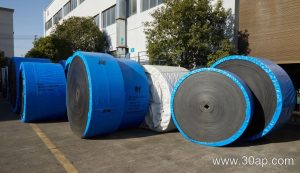
A conveyor belt is the core of any bulk handling system. Choose the right belt to cut downtime and export costs.

- Match material, load, and speed to belt tension rating.
- Check carcass, cover grade, and splice compatibility.
- Confirm width, length, and pulley diameter.
Purchasing Tips
Request test reports, verify standards, and compare lead times before ordering.