Calculating Conveyor Belt Length for a Bulk Port Terminal
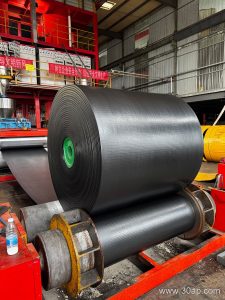
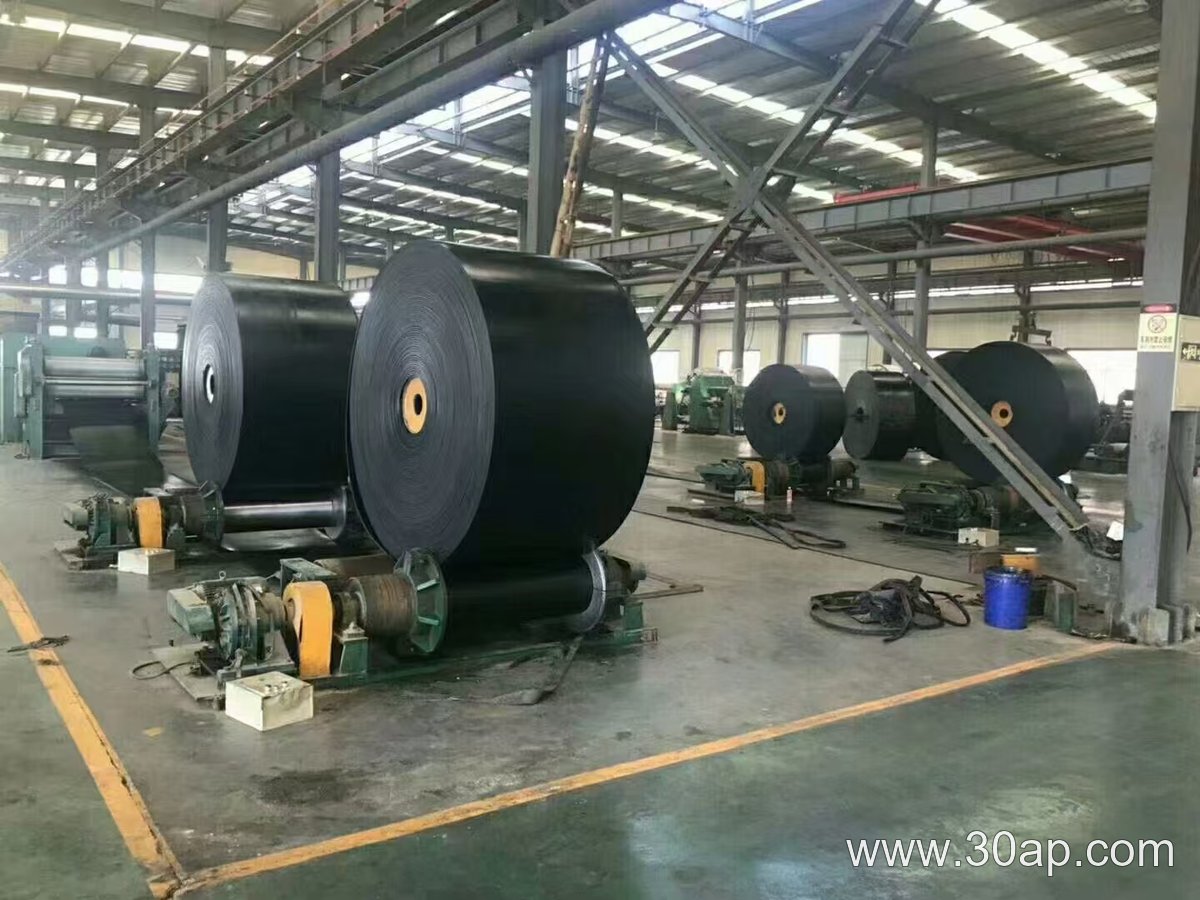
At a bulk port terminal, replacing a conveyor belt starts with one dimension: center-to-center distance. A common mistake is to order the old belt’s length without checking pulley diameters and take-up travel. Here is a reliable method with stated assumptions.
Hypothetical Example and Formula
Assume a 120 m center distance, 1.0 m drive pulley diameter, and 0.8 m tail pulley diameter. For a simple two-pulley system, belt length ≈ 2C + π(D + d)/2, where C is center distance, D and d are pulley diameters. This gives 240 m + π(1.8)/2 ≈ 242.83 m. Add 2 m for splice and take-up. Final order length: about 245 m. Always verify with the actual conveyor geometry before cutting.
Wet coal duty and the idler roller
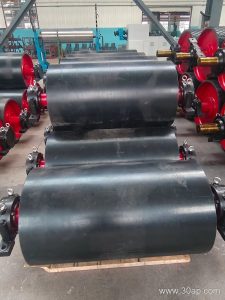
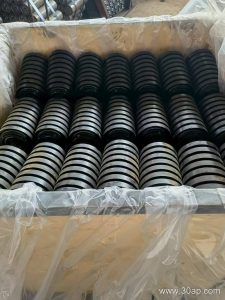
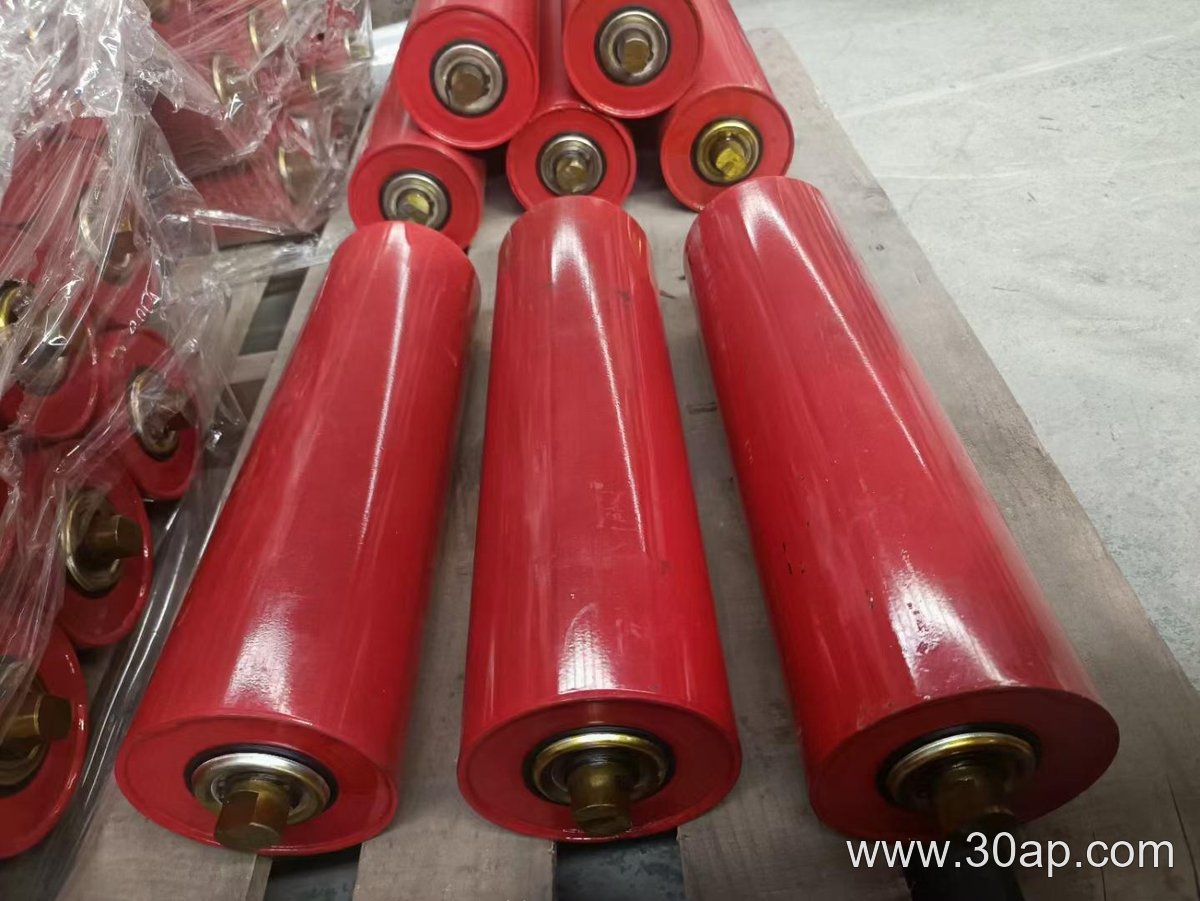
A wet outdoor conveyor carrying coal exposes the idler roller to rain, acidic runoff and fines that can enter the bearing housing. The roller must shed water and resist corrosion while still turning freely.
Checks that matter
- Seal type: labyrinth or contact seals with drainage paths.
- Shell finish: coated or polymer shells limit corrosion and coal buildup.
- Bearing housing: greased-for-life or relubricable designs suit washdown cycles.
In a hypothetical wet coal yard, these choices decide whether the idler roller seizes in months or lasts through the rainy season.
Why a Conveyor Pulley in Freezing Fog Is Different from One in Rain
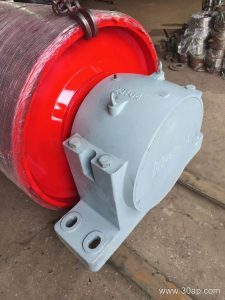
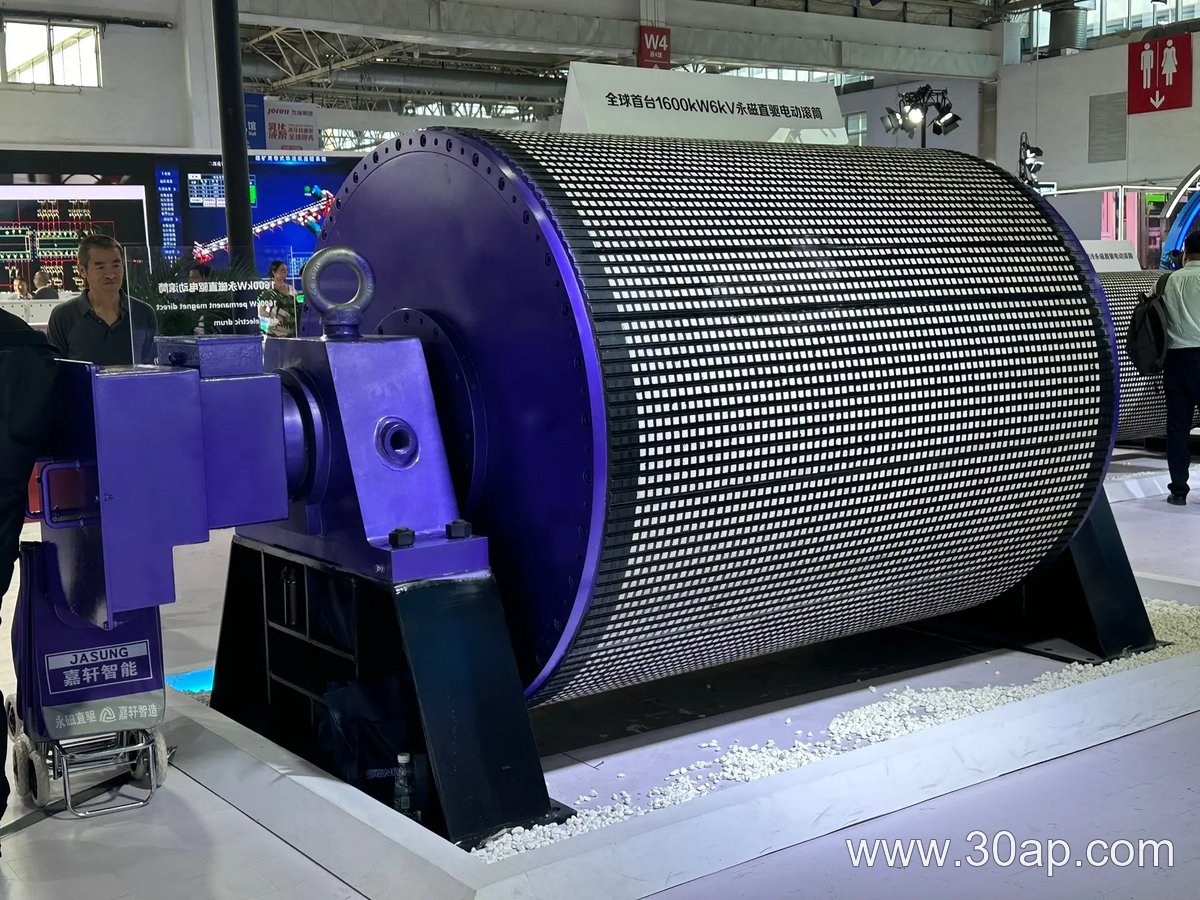
Freezing fog is not the same as rain. It deposits a thin, persistent film of ice on a conveyor pulley shell, and that film can survive brief contact with the belt. A common misconception is that any lagging will grip once the belt presses down. In practice, the pulley surface must displace or break that ice before friction can develop.
Mechanism of Grip Loss
Water vapor in fog condenses on cold metal, then freezes. The conveyor pulley becomes a cold sink. Smooth rubber lagging may glaze, while grooved lagging can fill with ice if drainage is poor. The belt itself may also stiffen, reducing wrap conformity.
Practical Checks for a Wet Outdoor Conveyor
- Inspect lagging for glazing, embedded ice, or worn grooves.
- Verify that drainage paths or grooves are not blocked by frozen debris.
- Check belt tension and alignment, since cold belts can shrink and mistrack.
- Confirm that the pulley surface is not below the dew point of the surrounding air.
A conveyor pulley in this setting must be specified with the climate in mind, not only the conveyed material. The goal is to keep enough friction for the drive or bend duty while avoiding ice buildup that lifts the belt away from the shell.
How Do You Calculate Conveyor Bracket Spacing for a Cement Plant Clinker Gallery
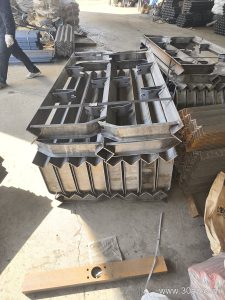
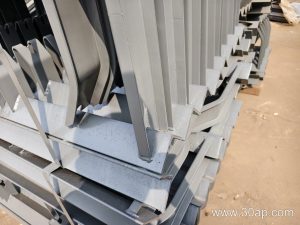
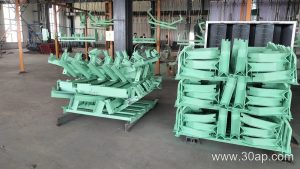
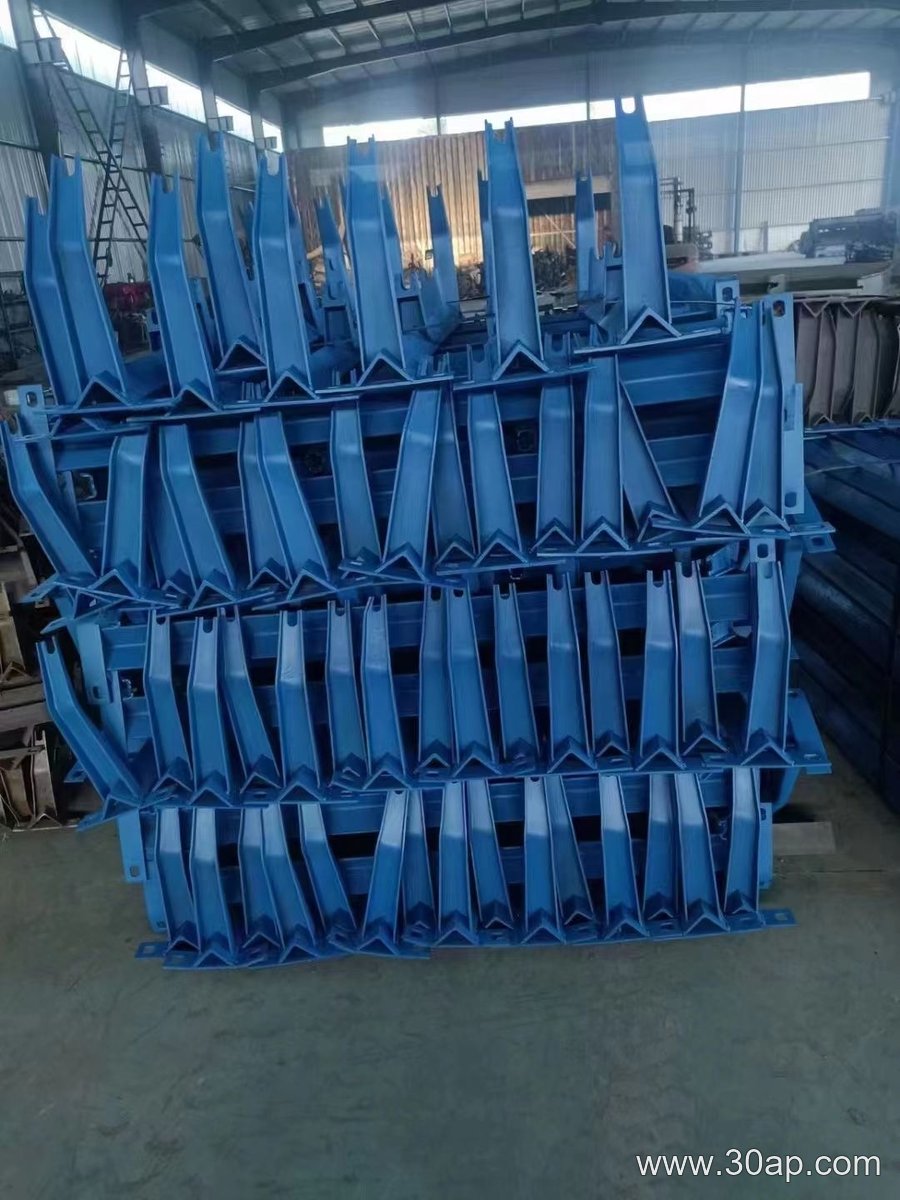
Conveyor bracket spacing is normally set by the idler spacing recommended for the belt, not by the bracket itself. The bracket must match that spacing and the stringer hole pattern.
A Simple Hypothetical Check
Assume a 1,000 mm wide belt, idler spacing of 1,200 mm, and a bracket that carries one idler. For a 60 m straight section, the number of brackets is 60,000 / 1,200 = 50, plus end brackets. Confirm bolt holes align within the stringer tolerance before ordering.
Why Bracket Length Matters More Than Spacing
A conveyor bracket must reach from the stringer to the idler bearing housing. If the bracket is too short, the idler cannot sit at the required height; if too long, it may foul the belt edge. Measure the actual mounting face, not the nominal stringer width.