What a Coal Mine Belt Conveyor Pulley Does
A coal mine belt conveyor pulley is the rotating drum that carries, drives, or redirects the conveyor belt in a coal handling system. In a typical underground coal mining conveyor belt line, the drive pulley transmits torque from the gearbox to the belt, while the tail pulley returns the belt and keeps tension stable. The pulley is not a passive part; its diameter, shell thickness, shaft size, and lagging all affect belt tracking, traction, and service life. In coal preparation plants and power plant coal yards, the same component is often called a conveyor drum or belt pulley, and it must cope with fine coal dust, moisture, and abrasive fines.
Construction and Main Parts
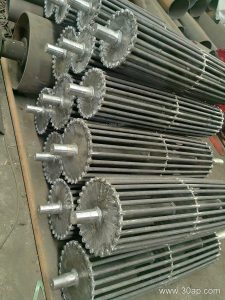
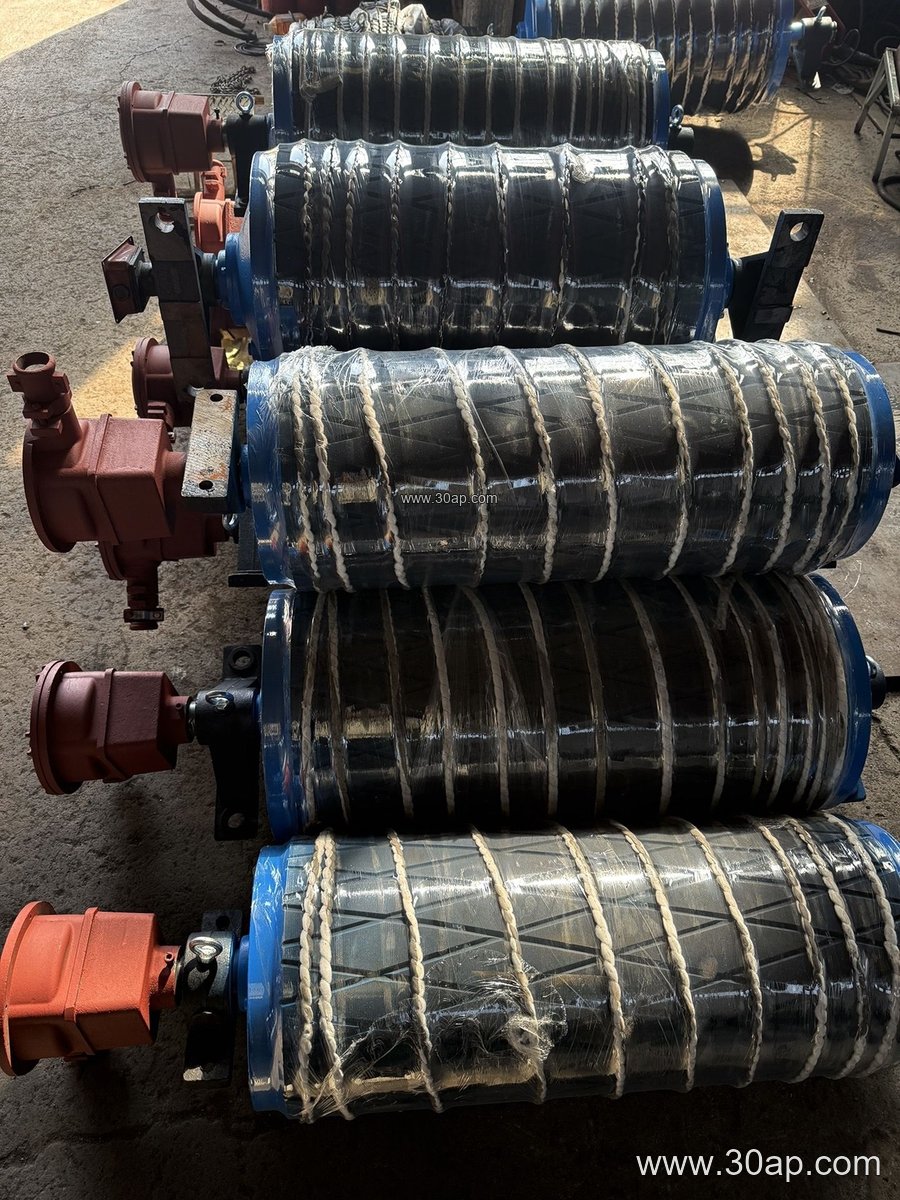
A coal mine belt conveyor pulley usually consists of a cylindrical shell, two end discs, a shaft, bearing housings, and a lagging layer. The shell is welded from rolled steel plate, and the shaft is keyed or shrink-fitted to the end discs. Common surface forms include plain, cast rubber, cold-bonded rubber, hot-vulcanized rubber, diamond grooved lagging, herringbone lagging, and ceramic lagging, with lagging thickness often 8, 10, 12, 15, or 20 mm. Bearing selection follows the load and shaft diameter, not belt width alone.
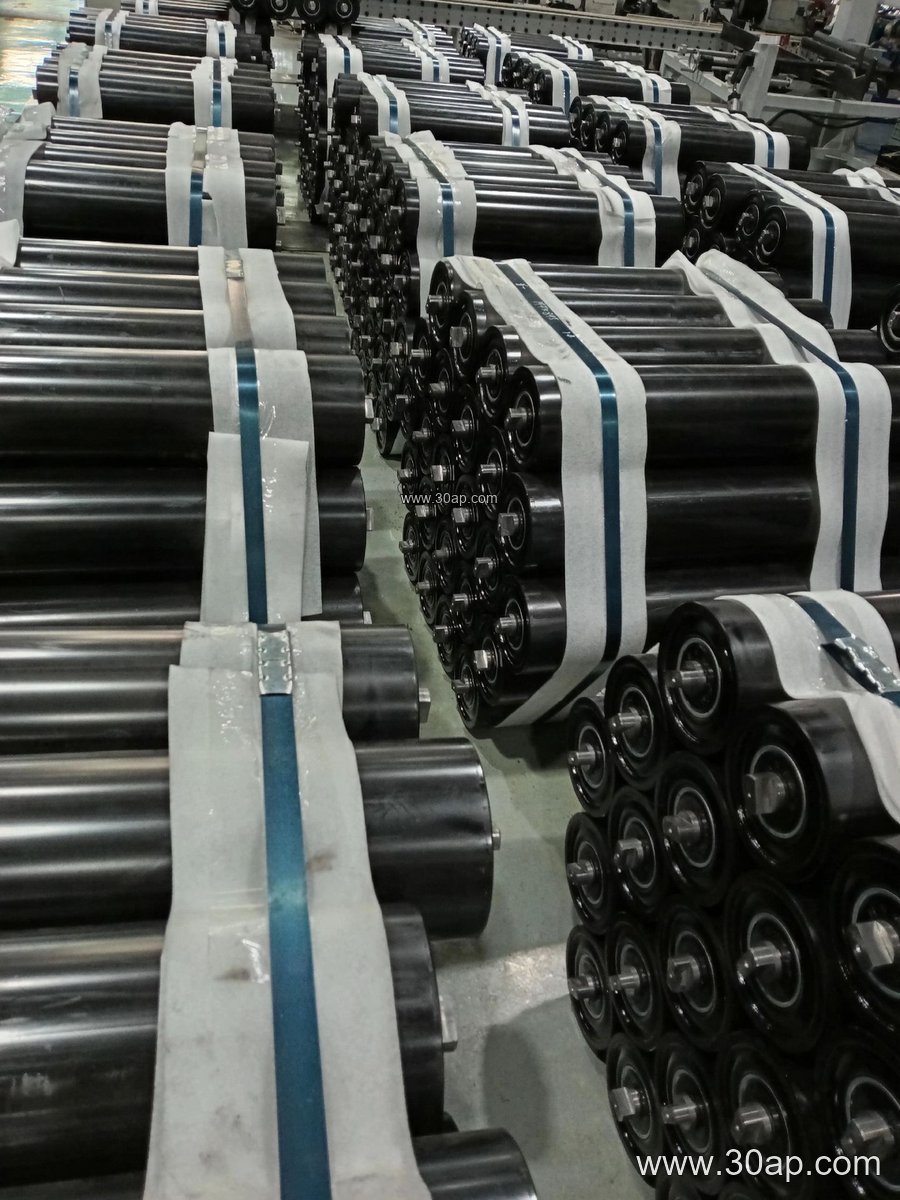
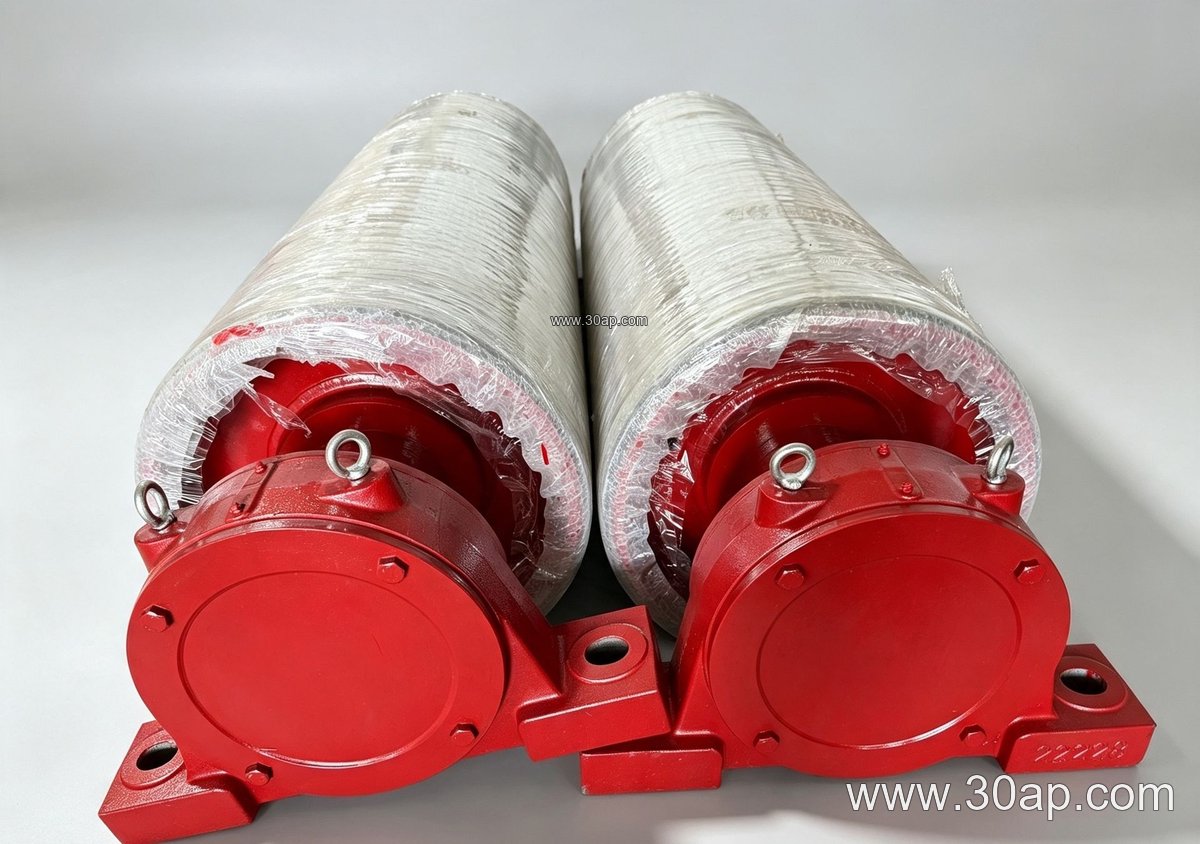
Typical reference combinations include B800 × Ø500, B1200 × Ø1000, and B1400 × Ø800. Shell face width is usually slightly wider than the belt, for example about 950 mm for B800 and about 1400 mm for B1200. Shaft diameters commonly range from Ø50 to Ø200, but the final value is determined by torque and radial load. These figures are reference data, not a fixed match between one belt width and one pulley diameter.
Where It Is Used
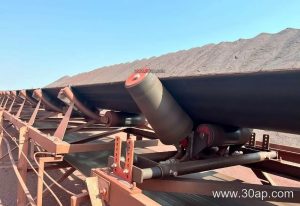
Coal mine belt conveyor pulleys appear in underground coal mining conveyor belt systems, washing plants, and surface coal stockyards. They also serve limestone quarries, cement clinker lines, iron ore and copper ore handling, port bulk terminals, and tunnel spoil removal. In these sites, the pulley works with the conveyor belt, idler roller, conveyor bracket, and take-up system. A flame retardant conveyor belt or anti-static conveyor belt is often chosen for underground service, while an abrasion resistant conveyor belt or heavy-duty mining conveyor belt suits high-tonnage coal flow. A steel cord conveyor belt or EP conveyor belt may run over the same pulley, so the lagging and diameter must be reviewed together with belt tension.
Drive, Tail, and Bend Positions Are Not Interchangeable
The drive pulley (also called the head or discharge pulley) needs high traction, so diamond or ceramic lagging is common. The tail pulley guides the return belt and may use a plain or rubber surface. A bend pulley changes belt direction and is not a substitute for a drive or tail pulley. A take-up pulley works with the tensioning device, and a snub pulley increases wrap angle. Each position has its own load and tracking behavior, so buyers should specify the position rather than treating all drums as one item.
What Buyers Should Confirm
- Belt width and pulley face width, plus the actual belt type, such as EP conveyor belt or steel cord conveyor belt.
- Pulley diameter, shell thickness, and shaft diameter based on torque and load, not belt width alone.
- Lagging form and thickness, for example 12 mm diamond rubber or ceramic lagging for wet coal.
- Bearing type, sealing against coal dust, and balance grade for high-speed lines.
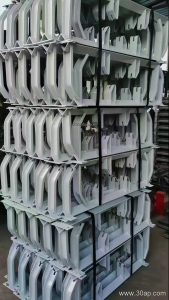
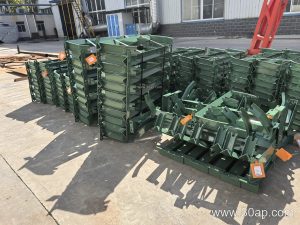
- Mounting dimensions and compatibility with the conveyor bracket and idler roller frame.
For coal mines, flame retardant and anti-static properties of the belt and lagging deserve attention, and maintenance should check lagging wear, bearing temperature, and shaft alignment. A well-matched coal mine belt conveyor pulley keeps the belt centered, reduces slip, and supports steady coal flow from the face to the preparation plant.