What Makes a High-Speed Conveyor Idler Different
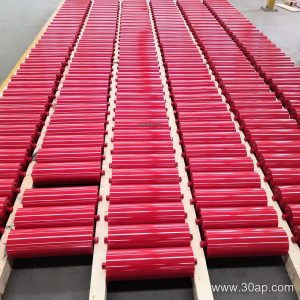
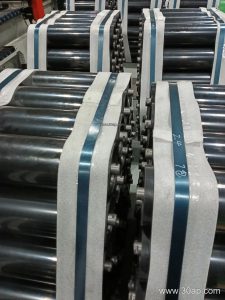
A high-speed conveyor idler is a rotating support roller engineered to carry the belt and material load smoothly at elevated belt speeds. While it looks similar to a standard idler roller, the internal clearances, bearing selection, balance quality, and surface runout are controlled more tightly because every revolution adds up quickly. In a quarry or a power plant coal yard, a belt running fast over hundreds of idlers will expose any weak component within days. The goal is not a special label but a reliable rotating assembly that keeps friction low and belt tracking stable.
Construction Basics
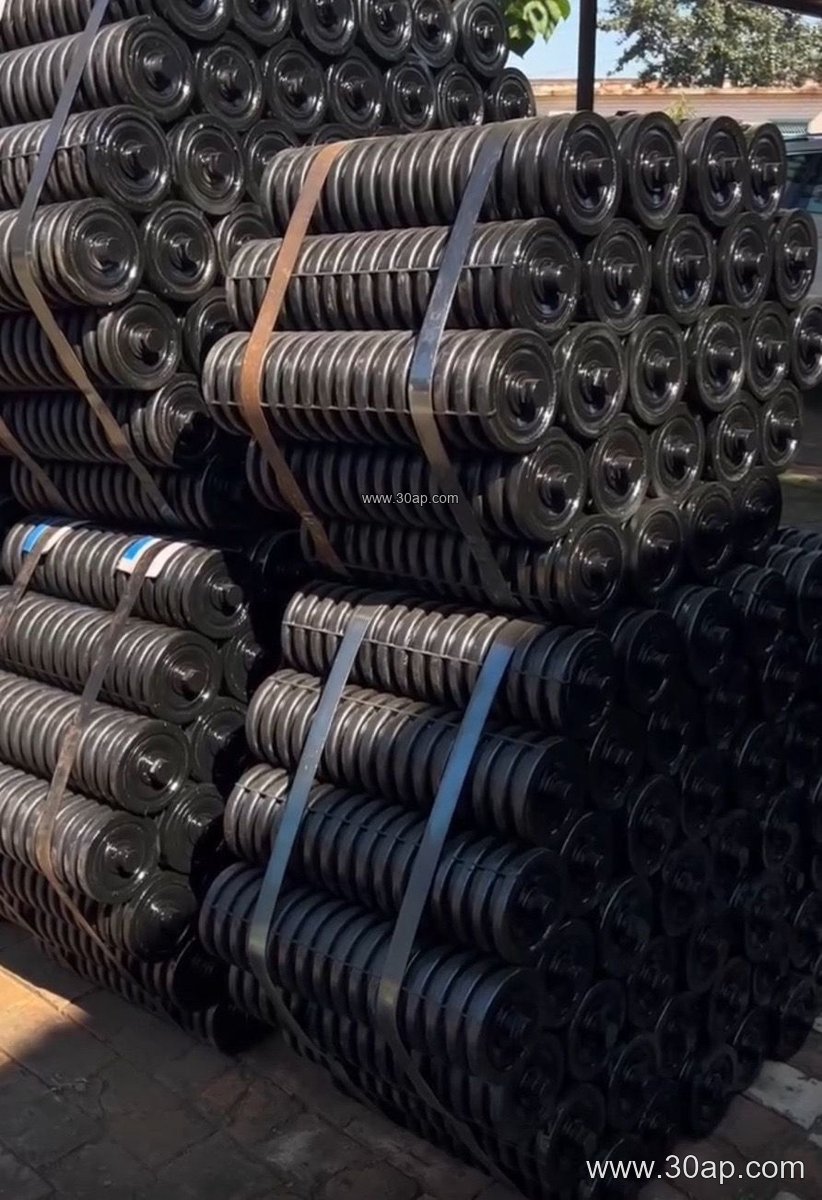
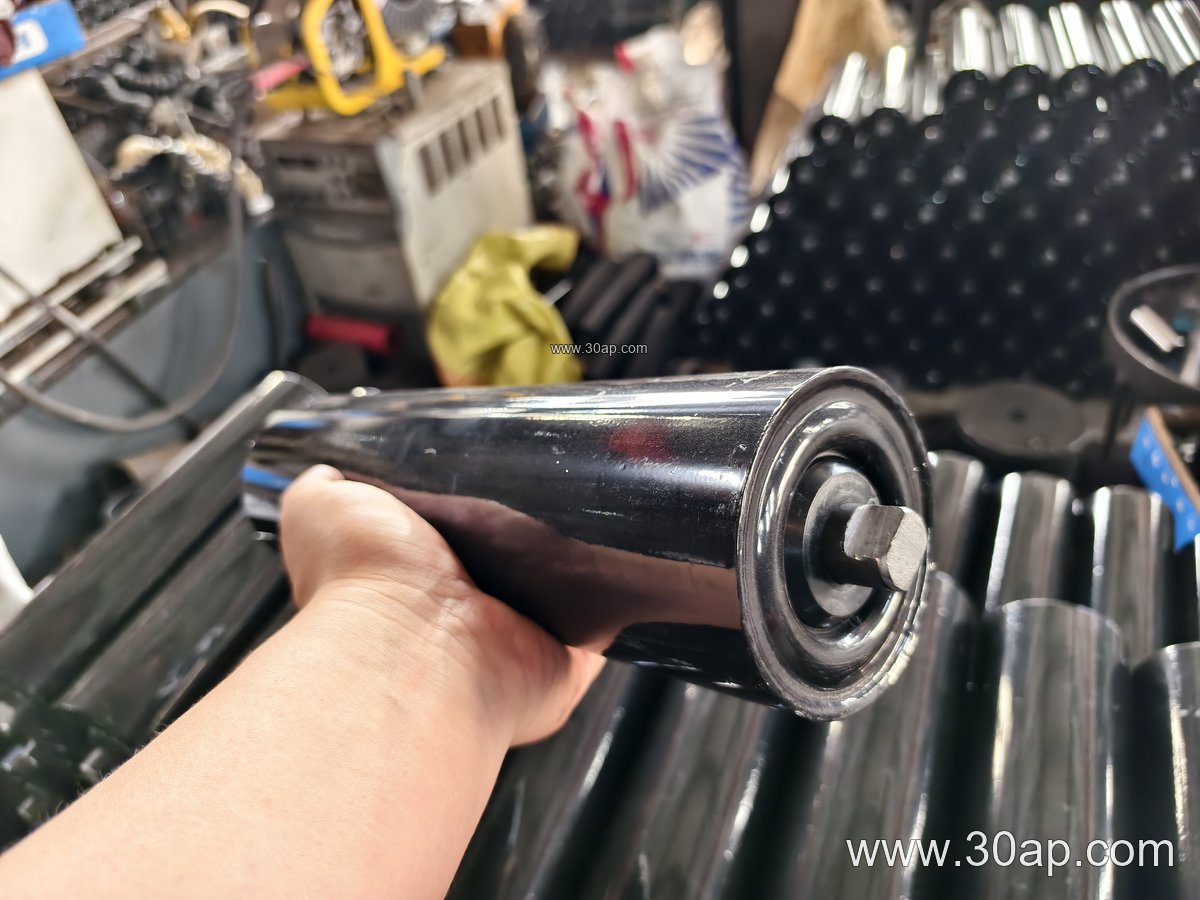
The typical unit includes a steel tube shell, a shaft, bearing housings, and a sealing arrangement. Roll diameter often ranges from Ø63 to Ø219 depending on load and belt width, and common bearing sizes include 6204, 6205, 6305, 6306, 6308, and 6310. These are reference values, not fixed pairings; a smaller roller may use a larger bearing in heavy-duty designs, and bearing choice should follow the load calculation. Roll length varies with belt width and trough configuration, so a three-roll trough set on a B1000 belt may use rolls around 380 mm long, while a B1400 set may use rolls near 530 mm. Side rolls and center rolls can differ, and the final dimensions are confirmed by design.
Where High-Speed Idlers Are Used
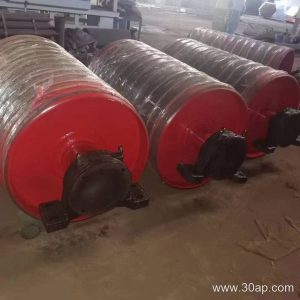
These idlers appear in bulk handling lines where throughput matters. A limestone quarry conveyor moving crushed rock to the stockpile, or a coal mining conveyor feeding a power plant bunker, both benefit from low rolling resistance. In a cement plant, high-speed idlers support clinker and raw meal belts; in a port ship loading line, they keep long overland conveyors running at steady speed. The idler works together with the conveyor belt, conveyor pulley, and conveyor bracket, but its job is narrow: support the belt, absorb load, and rotate freely. Drive, tail, and bend pulleys are separate components and are not interchangeable with idlers.
Common Mounting Positions
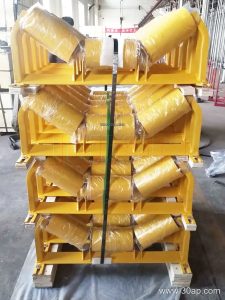
- Troughing idlers on the carrying side, often in three-roll sets with 20, 30, 35, or 45 degree trough angles.
- Impact idlers with rubber rings under a crusher discharge or transfer point.
- Return idlers, including flat and V-type, supporting the empty belt.
- Self-aligning idlers, sometimes with a slight forward tilt of about 1.5 to 2 degrees, to correct belt drift.
Only the carrying and return positions are idler applications; a bend pulley or tail pulley serves a different function and should not be substituted in a specification.
Selection Points for Buyers
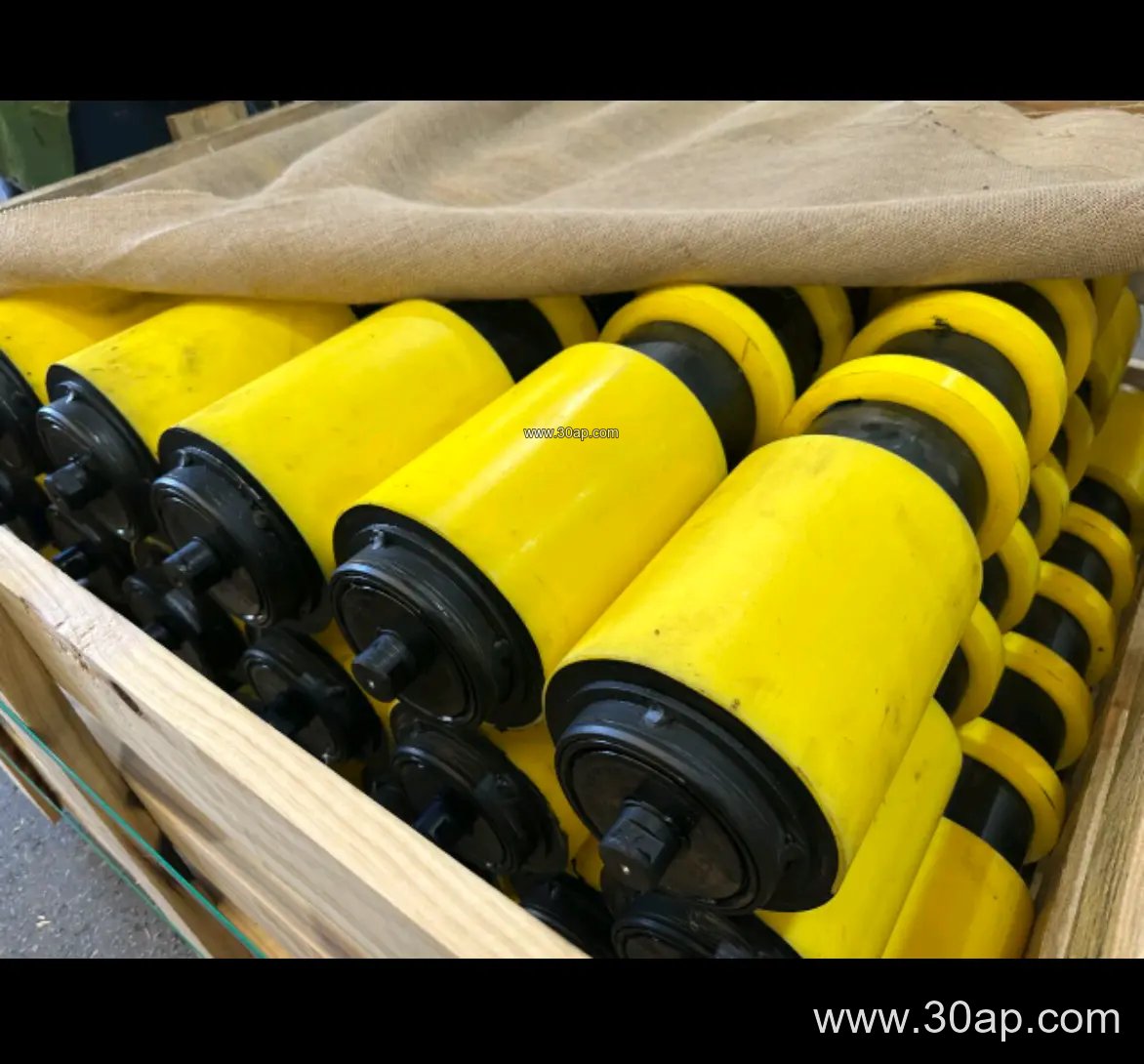
Start with belt width and speed, then confirm the load per idler and the expected service life. A high-speed line needs good dynamic balance and effective sealing because dust ingress is the main cause of early bearing failure. Roll surface choice matters too: steel tubes suit general duty, nylon rolls reduce weight, ceramic lagging can help in abrasive conditions, and rubber rings absorb impact at transfer points. If the conveyor uses an EP conveyor belt or a steel cord conveyor belt, the idler spacing and load assumptions should be checked against the belt’s allowable sag. For dusty coal or aggregate lines, a flame retardant conveyor belt may be specified, but the idler itself is selected for mechanical duty, not for belt fire ratings.
Reference Dimensions and Bearing Examples
| Belt width | Common three-roll trough roll length | Typical roll diameter range | Bearing examples |
|---|---|---|---|
| B500 | about 200 mm | Ø63 to Ø89 | 6204, 6205 |
| B650 | about 250 mm | Ø76 to Ø108 | 6205, 6305 |
| B800 | about 315 mm | Ø89 to Ø133 | 6305, 6306 |
| B1000 | about 380 mm | Ø108 to Ø159 | 6306, 6308 |
| B1200 | about 465 mm | Ø108 to Ø178 | 6308, 6310 |
| B1400 | about 530 mm | Ø133 to Ø194 | 6308, 6310 |
| B1600 | about 600 mm | Ø133 to Ø219 | 6310 |
These figures are common examples for orientation. A B1200 belt does not have to use one specific pulley diameter, and shaft diameter should never be guessed from belt width alone. The conveyor designer sets the shaft and bearing based on actual load, speed, and support spacing.
Maintenance and Troubleshooting
Listen for squealing or rumbling, check for shell wear and material buildup, and inspect seals at each shutdown. A high-speed idler that starts to drag will heat up and can damage the belt cover. Replace rollers in matched sets where possible, verify bracket alignment, and keep the return side clean. In a sand and gravel plant, washing down the frame helps; in a cement plant, regular inspection of the transfer zone prevents impact damage from becoming a belt tear. If the line handles abrasive ore, an abrasion resistant conveyor belt may be paired with ceramic or reinforced idlers to extend service intervals.
For more on conveyor components, visit high-speed conveyor idler and related belt and pulley pages at conveyor belt and conveyor pulley.