What a 1800mm Conveyor Belt Is
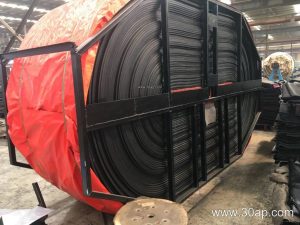
A 1800mm conveyor belt is a wide-profile belt designed for high-capacity conveying systems. The 1800mm width allows substantial material throughput, making it a common choice in mining, coal preparation, cement plants, power stations, and large quarry operations. This belt width is often paired with heavy-duty conveyor pulleys and robust idler roller sets to support the load. As a product category, the 1800mm wide conveyor belt belongs to the family of fabric core or steel cord belts, and its construction depends on the specific duty required.
Construction and Material Options
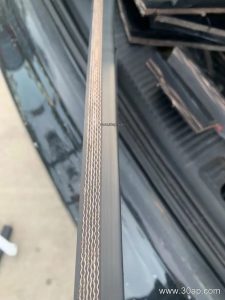
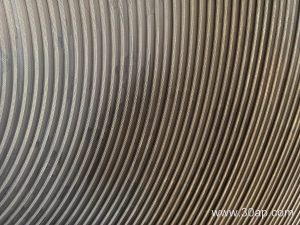
The 1800mm conveyor belt is built with a carcass that provides tensile strength and a rubber cover that protects against wear, heat, oil, or flames. Common carcass types include EP conveyor belt (polyester-nylon), NN conveyor belt (nylon-nylon), and steel cord conveyor belt for extremely high tension applications. Multi-ply fabric core conveyor belts are also available in this width. The cover compound is selected according to the environment: abrasion resistant conveyor belt for sharp rock, heat resistant conveyor belt for clinker or sinter, oil resistant conveyor belt for oily materials, and flame retardant conveyor belt for underground coal mining. For cold climates, a cold resistant conveyor belt may be specified.
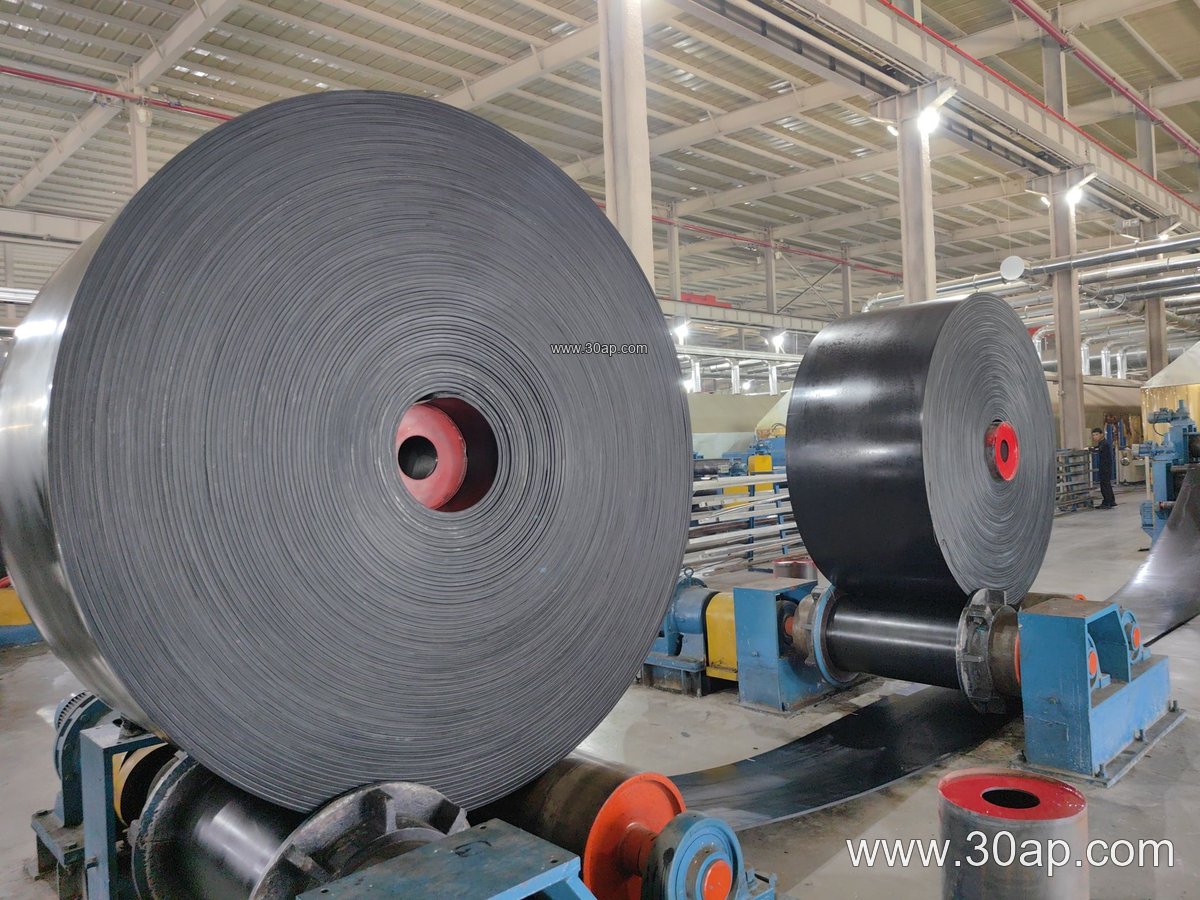
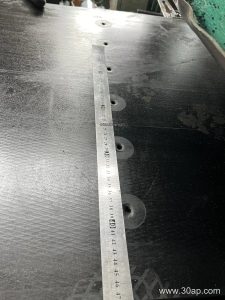
Typical cover thickness grades for a 1800mm conveyor belt include 4+2 mm, 5+2 mm, 6+2 mm, and 8+3 mm, with 2 to 6 fabric plies or a steel cord carcass. These values are common references and should be confirmed with the belt manufacturer for each project.
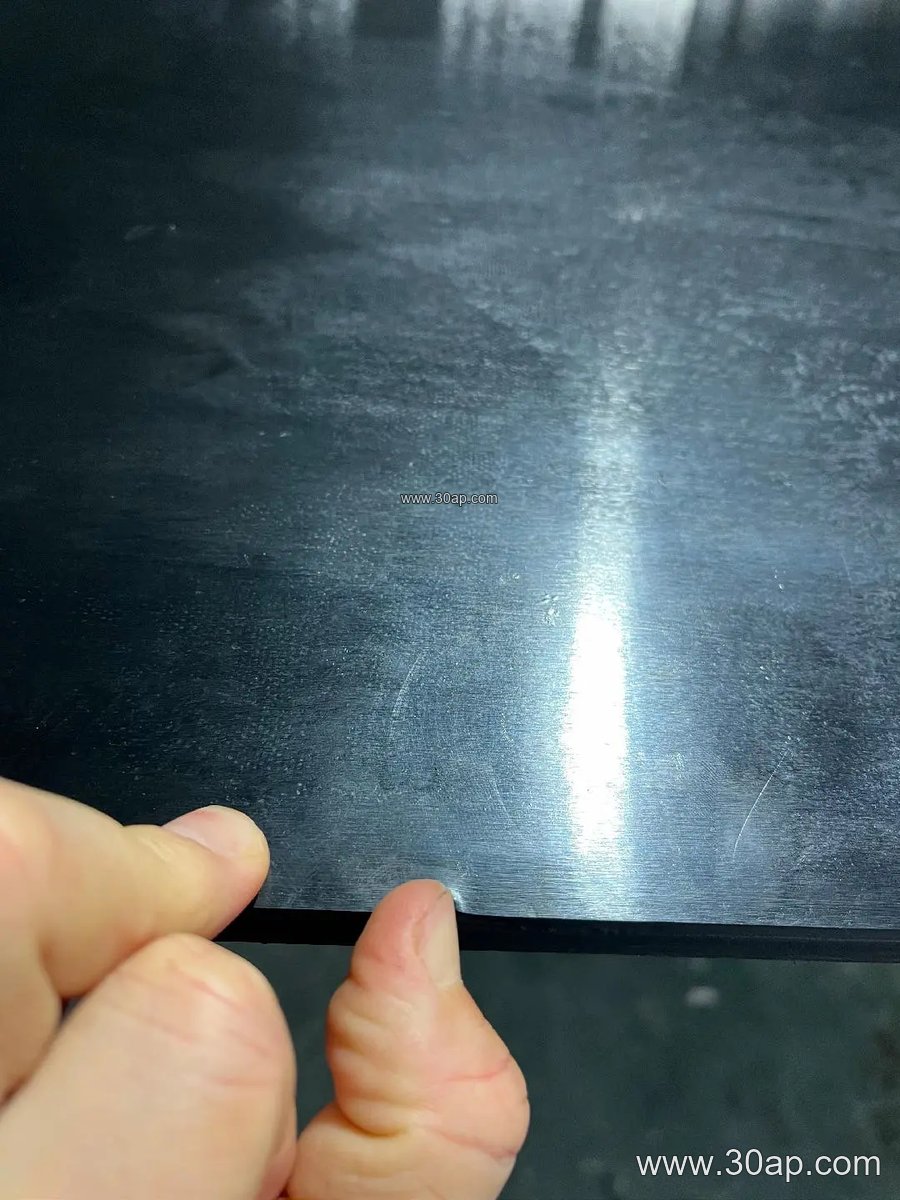
Common Specifications
The table below lists typical strength and width designations that may apply to a 1800mm conveyor belt. Actual selection depends on the conveyor design, material lump size, and operating conditions.
| Parameter | Common Range or Example |
|---|---|
| Belt width | 1800 mm (B1800) |
| Fabric core strength grades | EP200, EP315, EP400, EP500, EP630, EP800, EP1000, EP1250, EP1600, EP2000 |
| Steel cord strength grades | ST1000, ST1250, ST1600, ST2000, ST2500, ST3150 |
| NN grades | NN100, NN200, NN300, NN400 |
| Cover thickness (top + bottom) | 4+2 mm, 5+2 mm, 6+2 mm, 8+3 mm |
| Number of fabric plies | 2 to 6 (typical) |
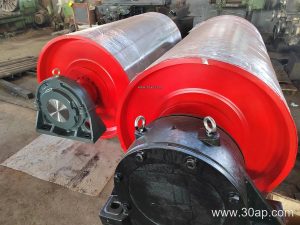
For a 1800mm wide conveyor belt, the belt width alone does not determine pulley diameter or shaft size. Those components are sized by the conveyor designer based on belt tension, speed, and load. Drive pulleys, tail pulleys, and bend pulleys each have specific roles and are not interchangeable.
Where It Is Used
This belt width is frequently found in high-tonnage operations. In the mining industry, a 1800mm conveyor belt may carry ore from primary crushing to stockpiles. Coal mining conveyor belts of this width are used in surface and underground coal mining conveyor systems, often with flame retardant and anti-static properties. Cement plants use wide belts to move limestone, clinker, and additives. Power plants employ them for coal handling. Quarries and sand making plants rely on 1800mm belts to transport crushed stone and aggregate. Ports and ship loading facilities also use wide belts for fast bulk material transfer.
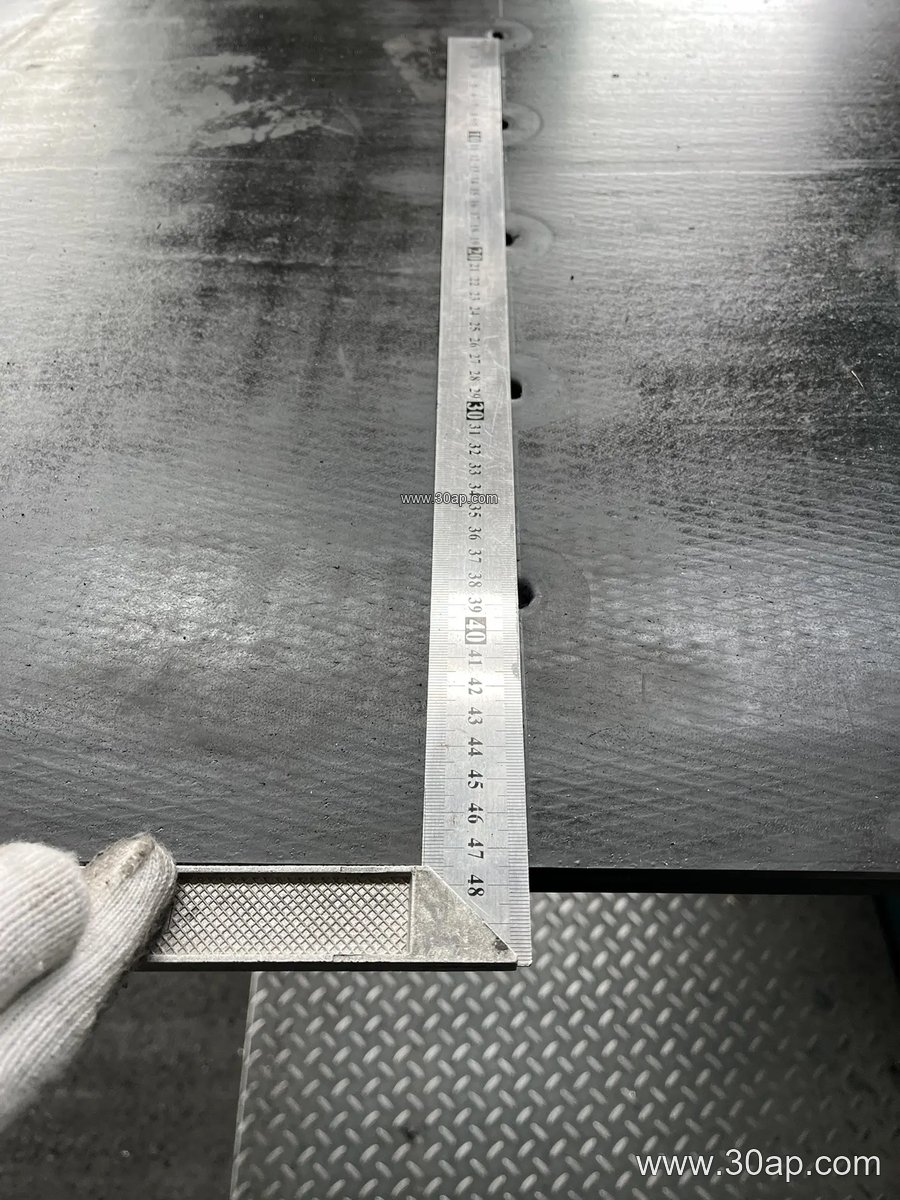
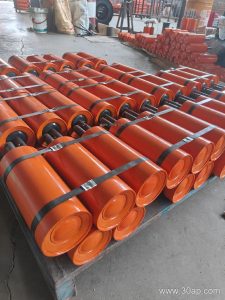
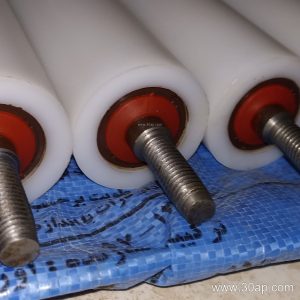
In these settings, the belt works together with conveyor pulleys, idler rollers, and conveyor brackets to form a complete conveying system. The belt may be a pipe conveyor belt, chevron conveyor belt, or corrugated sidewall conveyor belt if special material control is needed, but the 1800mm width remains the defining feature.
Buyer Checklist
- Confirm the required belt strength grade and carcass type for the conveyor tension.
- Select cover compound based on material abrasiveness, temperature, oil content, and fire safety requirements.
- Verify belt width compatibility with the existing conveyor structure, pulleys, and idler roller spacing.
- Consider environmental conditions such as cold, heat, or static electricity and specify cold resistant, heat resistant, or anti-static conveyor belt accordingly.
- Ask for the manufacturer’s recommended cover thickness and ply count for the intended duty.
For more information on 1800mm conveyor belts and related components, visit our site for conveyor belt, idler roller, and conveyor pulley guidance. A well-matched 1800mm conveyor belt helps maintain efficient material flow in demanding industrial environments.