What a 750mm Conveyor Belt Tracker Does
A 750mm conveyor belt tracker is a self-correcting belt alignment device built for conveyors whose belt width is around 750 mm. Its job is to detect a belt that has started to drift toward one side of the frame and apply a gentle, continuous correction before the edge rubs the structure or the material spills. In practice, the tracker is a small sub-assembly with its own rollers and a pivoting or angled frame, mounted on the carrying or return side of the conveyor. It is not a substitute for good installation, but it gives maintenance teams a way to keep a narrow-to-medium belt centered in quarries, cement plants, sand and gravel yards, and small transfer houses in power plants.
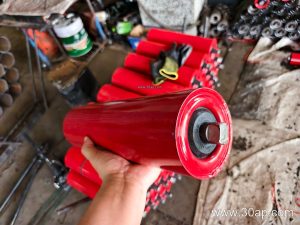
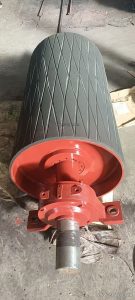
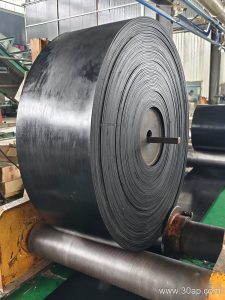
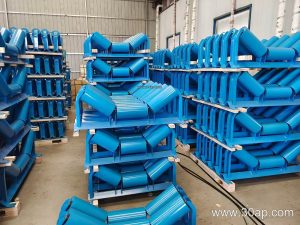
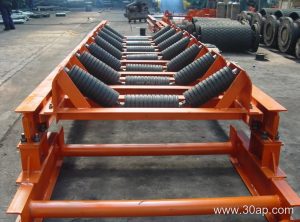
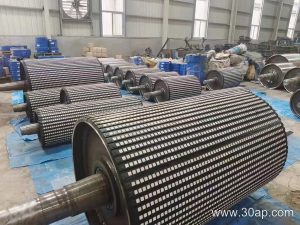
Because the tracker works on the belt itself, it is often specified together with the conveyor belt, idler roller and conveyor pulley package. A correctly set conveyor bracket and a true pulley face make the tracker’s task much easier.
How the Tracker Is Built
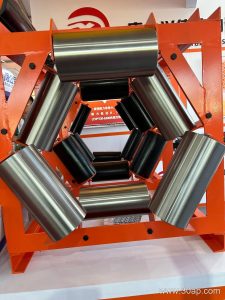
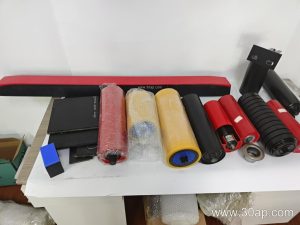
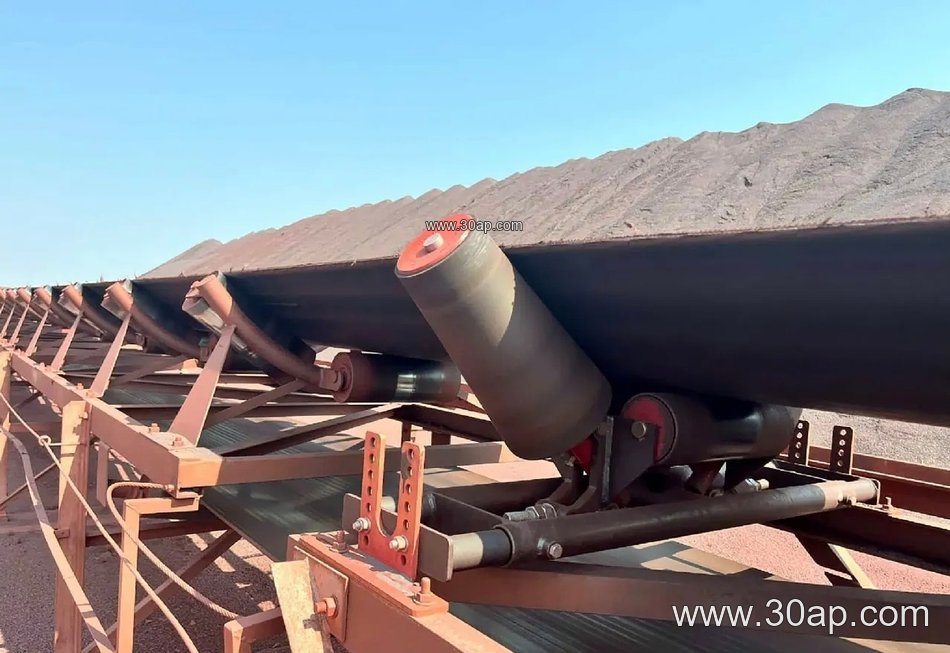
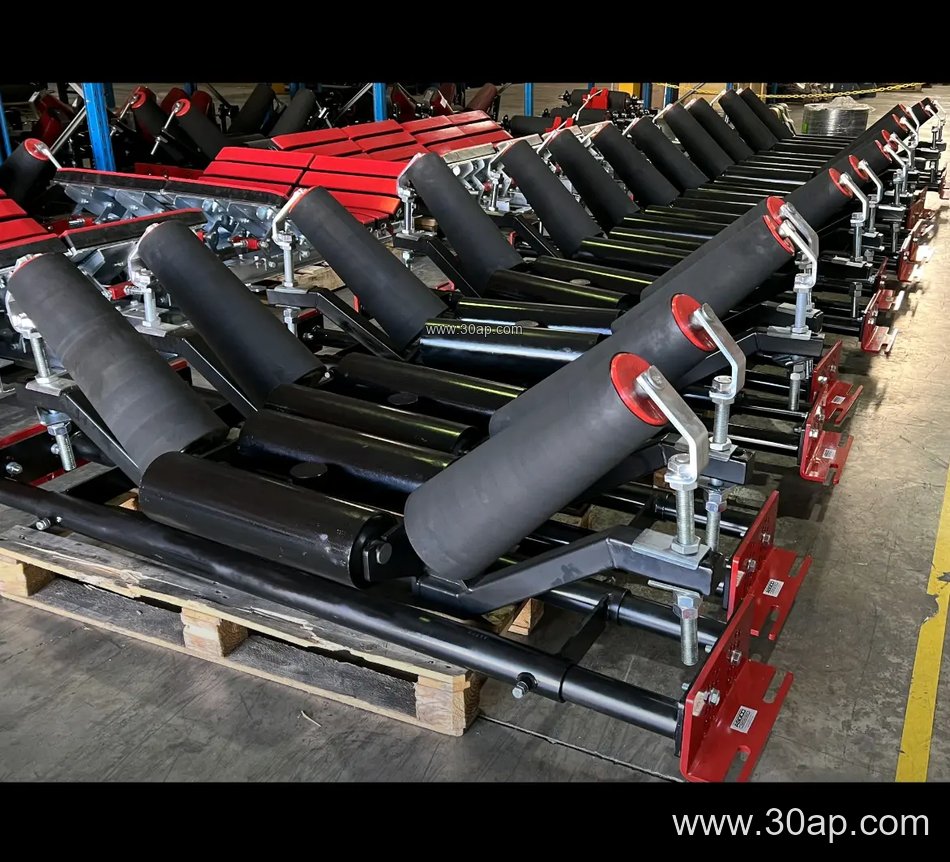
Most designs share a common layout: two or more short rollers set at a slight angle to the belt travel, carried on a frame that can swing or pivot, with a central pivot pin, mounting base and adjustment stops. When the belt touches a side roller, the resulting friction turns the frame so the rollers steer the belt back toward the centerline. Some units add a return-side roller or a pair of guide rollers to handle both edges.
- Roller shell and shaft sized for the belt load and speed
- Pivoting frame with a protected center bearing
- Mounting base that fits the existing conveyor bracket
- Optional edge guide rollers and wear pads
The working surface may be plain steel, rubber-lagged or polyurethane-covered, depending on dust, moisture and material abrasion. For a dusty quarry line running an abrasion resistant conveyor belt, a lagged roller gives better grip; for a wet coal transfer point, a smooth or grooved roller may shed fines more easily.
Where It Fits on the Conveyor
Trackers are commonly installed on the carrying side just after the loading point, where off-center material is the usual cause of drift, and on the return side before the tail pulley. On a 750 mm belt, the device is compact enough to fit between the stringers without major frame changes. Typical duties include:
- Coal mining conveyor lines and underground mining conveyors
- Cement plant clinker and raw meal transfers
- Quarry and aggregate conveyor belts feeding crushers
- Power plant coal handling and ash lines
- Sand making and stone crushing plants
On a heavier installation such as a steel cord conveyor belt main haul, the tracker is usually one part of a wider alignment plan that includes pulley alignment, idler inspection and skirt adjustment.
Sizing and Selection Notes
Belt width alone does not fix the roller diameter, shaft size, mounting hole spacing or number of trackers. A 750 mm tracker must be matched to the actual belt, frame and duty. The table below shows the kind of reference data a buyer may be asked to confirm, not a universal specification.
| Item | What to check |
|---|---|
| Belt width | Nominal 750 mm, plus actual measured width and edge condition |
| Belt type | EP conveyor belt, NN conveyor belt, fabric core or steel cord construction |
| Belt speed | Design speed and any reversing operation |
| Location | Carrying side or return side, distance from pulleys |
| Frame | Stringer spacing, bracket pattern, available mounting space |
| Environment | Dust, moisture, temperature, material abrasion |
Buyers should also state whether the line runs one way or reverses, and whether the belt has a chevron conveyor belt, skirted conveyor belt or corrugated sidewall conveyor belt profile, since raised profiles change how a tracker contacts the belt.
Installation and Care
Mount the tracker square to the belt centerline and check that the pivot moves freely before tensioning. After start-up, watch the belt from a safe distance; never reach toward a moving belt or roller. If drift continues after fitting, inspect for off-center loading, a skewed splice, seized idler roller, buildup on a conveyor pulley or a bent frame. A tracker can correct moderate misalignment, but it cannot compensate for a badly installed conveyor or a damaged belt edge.
For a 750mm conveyor belt tracker quotation, send the belt width, belt type, speed, running direction, mounting position and a photo or drawing of the frame. That information helps match the tracker to the conveyor belt and the surrounding equipment rather than guessing from width alone.