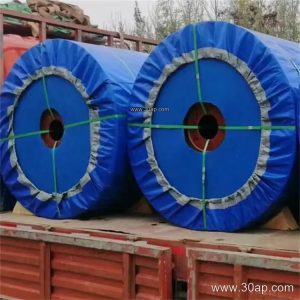
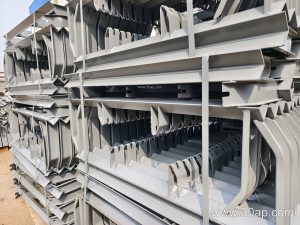
What an Impact Idler Does
An impact idler is a heavy-duty idler roller installed at conveyor loading points where bulk material drops onto the belt. Its main job is to absorb the shock of falling rock, ore, or aggregate and protect the conveyor belt from damage. Unlike a standard carrying idler, an impact idler typically features rubber rings or a cushioned roll surface that softens the impact and reduces belt wear. In a quarry conveyor belt line or a coal mining conveyor belt system, these idlers are placed directly under the chute or transfer point to extend belt life and keep the conveyor running smoothly.
Construction and Key Components
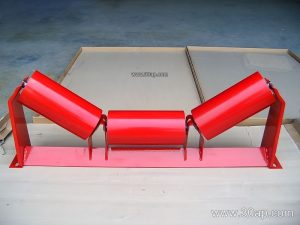
The typical impact idler consists of a steel tube or shaft covered with a series of rubber discs or rings. These rubber rings are the defining feature, providing elasticity and shock absorption. The idler is supported by bearings, commonly 6204, 6205, 6305, 6306, 6308, or 6310, housed in a sealed enclosure to keep out dust and moisture. The roller surface may be plain steel, nylon, ceramic, or rubber rings; for impact duty, rubber rings are the most common choice. The idler is mounted on a conveyor bracket or frame, often as part of a three-roll troughing set with a 20, 30, 35, or 45 degree trough angle. Roll length varies with belt width and trough configuration; for example, a three-roll set for B800 may use rolls around 315 mm long, while B1200 may use about 465 mm. These are typical examples, not fixed rules, and side rolls can differ from the center roll.
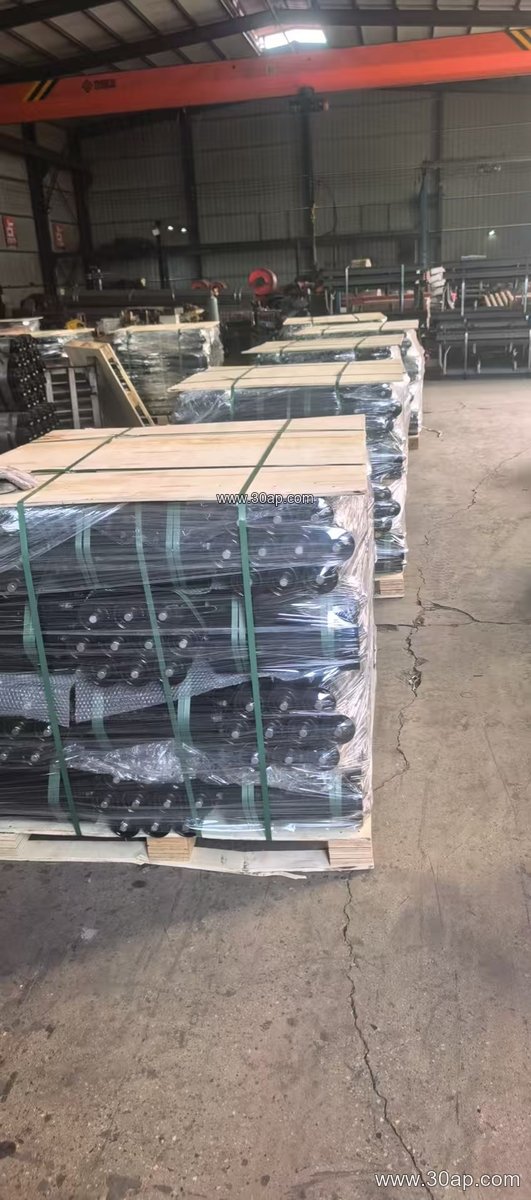
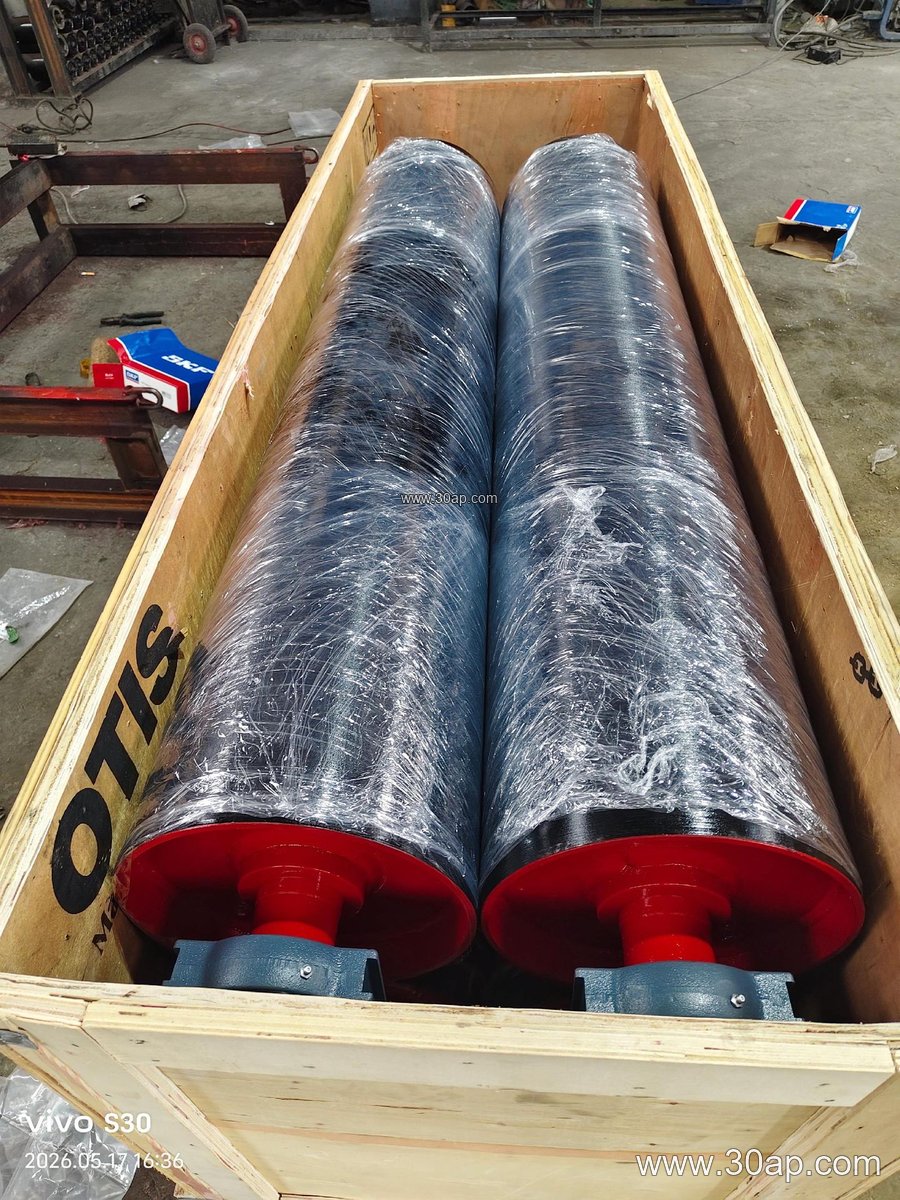
Where Impact Idlers Are Used
Impact idlers are essential in industries where material is loaded onto the belt with significant force. Common applications include:
- Quarries and aggregate plants, under crusher discharge and screen feed points.
- Coal mining and coal handling systems, at transfer houses and bunker loading.
- Cement plants, at clinker and raw material transfer points.
- Power plant coal conveying, where coal drops from crushers or silos.
- Ports and ship loading facilities, handling bulk materials like iron ore or grain.
In these settings, the impact idler works alongside the conveyor belt, often an EP conveyor belt or steel cord conveyor belt, to maintain a stable belt path and prevent damage from sharp, heavy lumps. For underground mining conveyor belt systems, flame retardant and anti-static properties are often required, and impact idlers must be selected to match the belt’s fire safety requirements.
Selection and Sizing Notes
Choosing the right impact idler involves matching the idler to the belt width, trough angle, and load conditions. Common idler diameters include Ø63, Ø76, Ø89, Ø102, Ø108, Ø127, Ø133, Ø159, Ø178, Ø194, and Ø219 mm. The belt width range typically spans B400 to B2400, and trough angles of 20, 30, 35, and 45 degrees are standard. The table below gives typical roll length examples for three-roll troughing sets; actual dimensions should be confirmed with the conveyor design.
| Belt Width | Typical Roll Length (three-roll set) | Common Trough Angle |
|---|---|---|
| B500 | 200 mm | 20–35° |
| B650 | 250 mm | 20–35° |
| B800 | 315 mm | 20–35° |
| B1000 | 380 mm | 20–35° |
| B1200 | 465 mm | 20–35° |
| B1400 | 530 mm | 20–35° |
| B1600 | 600 mm | 20–35° |
| B1800 | 670 mm | 20–35° |
| B2000 | 750 mm | 20–35° |
Note that belt width does not dictate a single pulley diameter or shaft size; these are determined by the overall conveyor design, load, and safety factors. Impact idlers are often used with rubber conveyor belts, including abrasion resistant conveyor belt grades, to handle abrasive materials. In dusty or wet conditions, sealed bearings and corrosion-resistant finishes help prolong service life.
Maintenance and Buyer Tips
Regular inspection of impact idlers is important to catch worn rubber rings, seized bearings, or misalignment. Worn rings reduce cushioning and can lead to belt damage. Buyers should specify the belt width, trough angle, material lump size, and drop height to ensure the idler can absorb the impact energy. For high-impact zones, consider idlers with thicker rubber rings or additional cushioning. Also check compatibility with the conveyor bracket and frame dimensions. In coal mining or underground applications, verify flame retardant and anti-static properties of the idler components. While impact idlers are not interchangeable with drive, tail, or bend pulleys, they play a complementary role in the conveyor system. For more information on conveyor components, visit our site at conveyor idler and belt conveyor pulley resources.