What a Conveyor Bracket Quotation Actually Covers
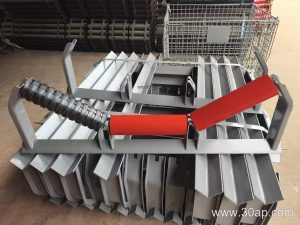
A conveyor bracket quotation is the priced breakdown a supplier issues for the support frames that hold idler rollers in place along a conveyor structure. This is not a quote for a conveyor pulley, a drive unit, or a belt. It is specifically about the brackets, also called idler support frames or roller stands, that carry the troughing and return idlers under the belt line. Buyers in a limestone quarry, a cement plant, or a power station coal yard often request these quotes in batches, because a single conveyor may need dozens of brackets at different positions.
The document usually splits into bracket type, material, belt width range, trough angle, roller diameter compatibility, surface treatment, and quantity. A well-prepared quote makes it clear which bracket sits on the carrying side and which sits on the return side, since a troughing bracket and a flat return bracket are not interchangeable.
How the Bracket Is Built
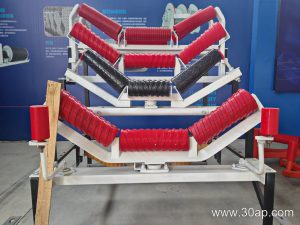
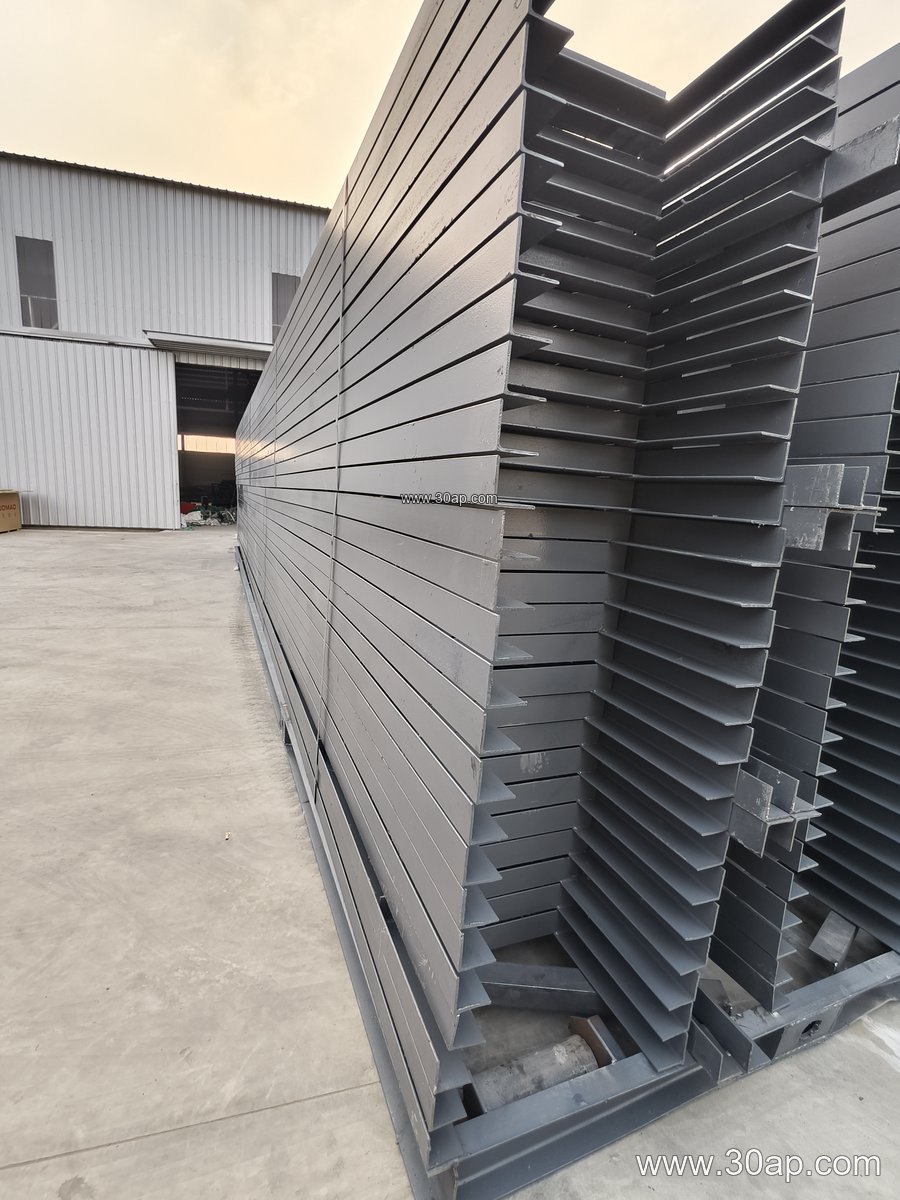
Most brackets are fabricated from angle steel, channel steel, or folded steel plate. The frame is cut, punched for mounting holes, welded, and then coated, often with paint or hot-dip galvanizing for outdoor duty. The hole spacing and crossbeam length are determined by belt width and trough angle, so they vary from project to project rather than following one fixed figure.
Common configurations include:
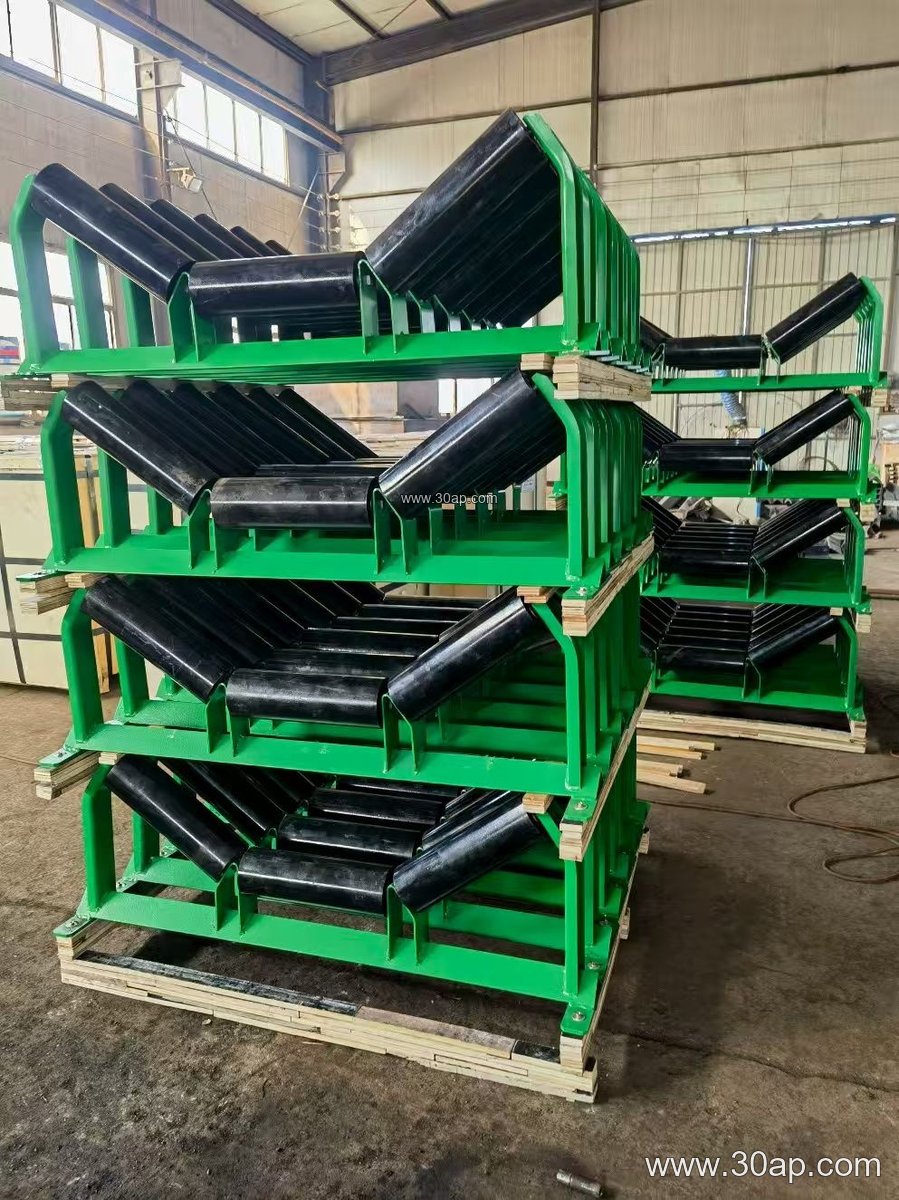
- Troughing brackets for the carrying side, with 20, 30, 35, or 45 degree trough angles
- Transition brackets near the head and tail to ease the belt from flat to troughed
- Return brackets and V-return brackets for the lower run
- Impact brackets with cushion rollers below loading points
- Self-aligning and forward-leaning brackets for tracking control
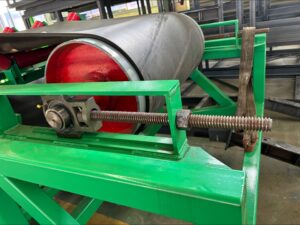
- Adjustable brackets that allow the trough angle to be changed on site
Typical belt width references run from B500 and B650 up through B800, B1000, B1200, B1400, B1600, B1800, B2000, and B2200. Roller diameters commonly quoted are Ø89, Ø108, Ø133, Ø159, and Ø194. A bracket sized for B800 with a 35 degree trough and Ø108 rollers is a normal combination, but it is not the only valid one; B1200 with 45 degrees and Ø133 also appears frequently. Designers match these values to belt load, speed, and material.
Where These Brackets Are Used
You will find them on bulk handling lines in a crushed stone quarry, an iron ore mine, a cement clinker line, a coal-fired power plant, and a port shiploader. In a sand and gravel plant, brackets hold the troughing idlers that shape an EP conveyor belt or a multi-ply fabric core belt. In a sinter plant or a fertilizer granulation line, heat resistant or chemical resistant belts may run over the same style of frame, though the bracket coating and clearance need checking against the local environment.
On a long overland line carrying ore, a steel cord conveyor belt is supported by closely spaced brackets, and the alignment of those brackets matters as much as their strength. A misaligned frame can cause edge wear on an abrasion resistant conveyor belt within weeks.
What to Check Before You Compare Quotes
Suppliers quote differently, so normalize the offers before deciding. Look for the following:
- Bracket type per position, not just a total count
- Material and thickness of angle or channel steel
- Belt width and trough angle for each line item
- Roller diameter the bracket is drilled for
- Surface treatment and whether fasteners are included
- Mounting hole dimensions or a drawing reference
- Whether adjustable versions are offered where belt tracking is difficult
A low price per piece can hide thin steel, missing gussets, or a coating that will not survive a washdown area. Ask for a dimensioned drawing with the quote and confirm that the bracket matches the idler roller frame you already use. If the plant runs a pipe conveyor belt or a corrugated sidewall belt, confirm that the bracket clearances suit the belt profile, since those belts need more room at the edges.
Coordinating Brackets With the Rest of the Line
The bracket is one part of a system. It must fit the conveyor pulley centers, clear the conveyor belt return path, and accept the chosen idler roller without shimming. On a retrofit in a coal mining conveyor line, the quotation should state whether existing holes can be reused or new ones must be drilled. For a new aggregate conveyor, the frame spacing is usually set by the belt sag limit, and the quote should reflect that spacing rather than a generic count.
Requesting a clear, itemized conveyor bracket quotation saves time in procurement and reduces the risk of receiving frames that do not fit. Whether the plant handles coal, clinker, ore, or grain, the same rule applies: match the bracket to the belt width, trough angle, and roller diameter by design, and keep the drawing with the purchase order.