What the EP1000 Conveyor Belt Is
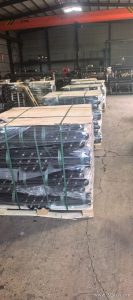
The EP1000 Conveyor Belt is a fabric-core rubber belt built around polyester-polyamide (EP) tension members. The number 1000 refers to the nominal breaking strength of the carcass, commonly expressed in newtons per millimetre of belt width. In practice this places the belt in the upper-middle range of EP constructions, above EP630 and EP800 but below EP1250 and EP1600. Buyers often describe it as an EP1000 rubber conveyor belt or an EP fabric core conveyor belt, and those names point to the same product.
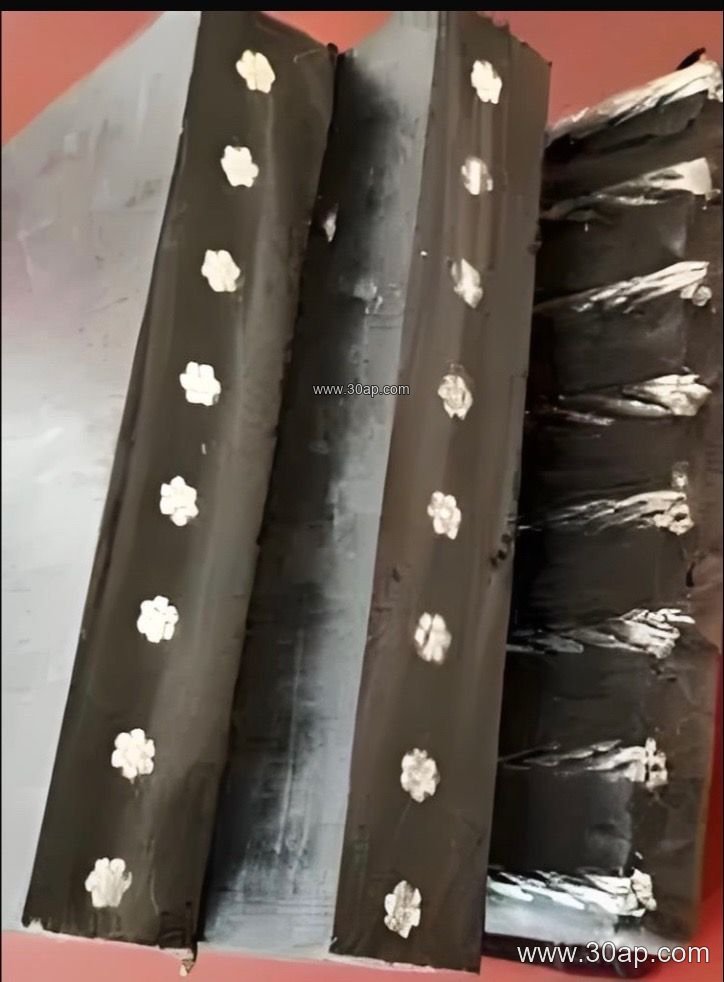
This is not a steel cord belt. A steel cord conveyor belt uses parallel steel wires as the tension member, which suits very long runs and high tensions. An EP1000 belt uses woven fabric plies instead, which gives it good flexibility, easier splicing in the field, and dependable performance on medium to long conveying systems. For many plants the EP1000 sits in a practical sweet spot between cost and load capacity.
How the Belt Is Constructed
The carcass usually consists of multiple EP fabric plies, commonly two to six layers depending on the duty. Top and bottom rubber covers protect the plies from abrasion, impact, moisture and the material being carried. Cover thickness is normally stated as a pair of numbers, such as 5+2 mm or 6+2 mm, where the first figure is the top cover and the second is the bottom cover.
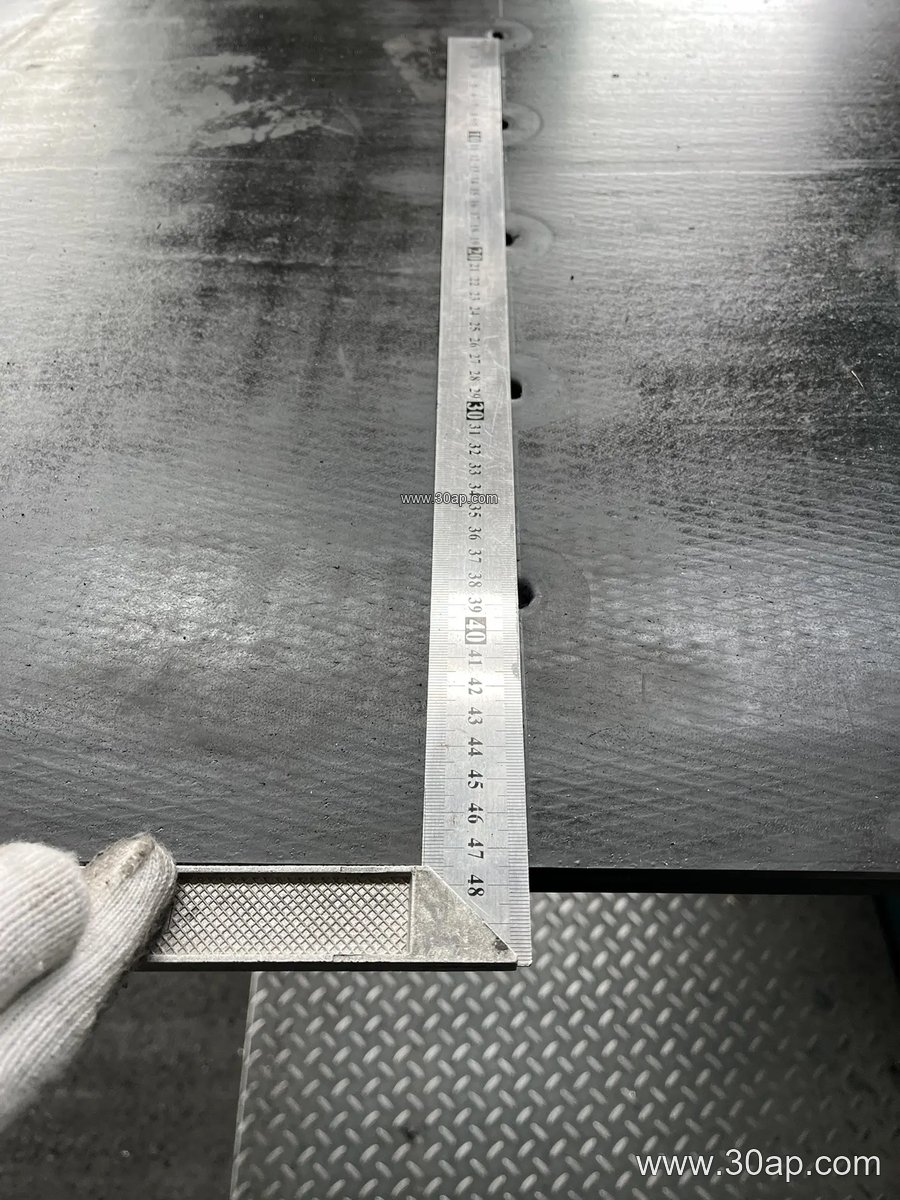
- Carcass: EP fabric plies providing tensile strength and troughability
- Top cover: abrasion, impact or heat resistance as required
- Bottom cover: protection against pulleys and idler rollers
- Edges: cut or moulded, depending on the splice method
Compound choice matters as much as strength. A heat resistant conveyor belt uses cover rubber formulated for hot clinker, sinter or cement; an oil resistant conveyor belt handles oily scrap or mineral products; a flame retardant conveyor belt is common in coal mining conveyor belt systems; and an abrasion resistant conveyor belt suits sand, gravel and crushed rock. For cold climates, a cold resistant conveyor belt keeps the covers from cracking. Anti-static grades are often requested alongside flame retardant grades in underground mining conveyor belt applications.
Where It Fits in the Plant
EP1000 belts appear across bulk material conveyor belt systems in mines, quarries, cement plants, power stations, steel plants and port loading facilities. Typical duties include primary crushed ore, aggregate, limestone, coal and sand. On a quarry conveyor belt or crusher conveyor belt, the EP1000 handles steady tonnage without the stiffness of a steel cord design. In a cement plant conveyor belt line it may feed raw meal or clinker, provided the cover compound matches the temperature. In coal mining, flame retardant and anti-static versions are usually specified.
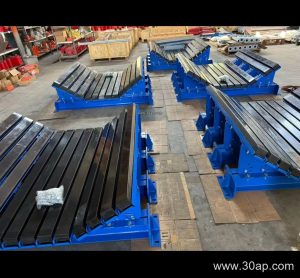
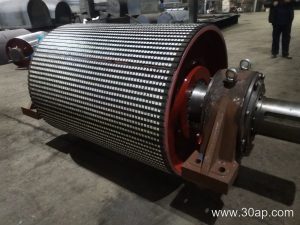
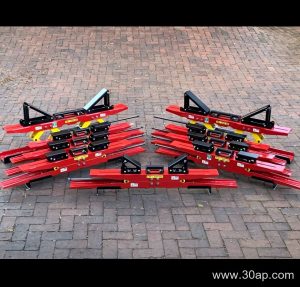
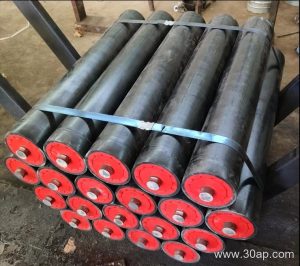
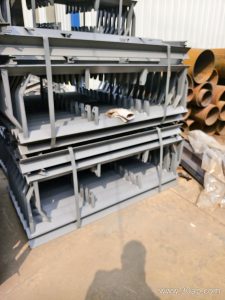
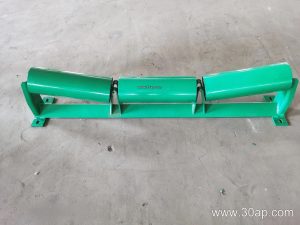
The belt works with the rest of the conveyor hardware. A conveyor pulley at the head and tail transfers motion and tension, idler rollers support the belt along the carry and return sides, and a conveyor bracket holds the idlers and pulleys in alignment. Good alignment reduces edge wear and extends belt life.
Common Reference Parameters
The table below shows typical reference values. Actual figures depend on the manufacturer and the design of each conveyor, so treat these as guidance rather than fixed supply promises.
| Parameter | Typical reference values |
|---|---|
| Strength grade | EP200, EP315, EP400, EP500, EP630, EP800, EP1000, EP1250, EP1600, EP2000 |
| Belt width | B500, B650, B800, B1000, B1200, B1400, B1600, B1800, B2000 |
| Cover thickness | 3+1.5, 4+2, 5+2, 6+2, 8+3 mm |
| Carcass plies | Usually 2 to 6 layers |
| Common variants | Heat resistant, oil resistant, flame retardant, abrasion resistant, cold resistant, anti-static |
Belt width and pulley diameter are matched by conveyor design, not by a single fixed rule. A wider belt does not automatically require one specific pulley size, and shaft diameter is determined from the full drive calculation.
Buyer Checklist
Before ordering an EP1000 Conveyor Belt, confirm the material type, lump size, temperature and moisture level. Check the required cover grade and thickness, the number of plies, and whether the belt must be flame retardant or anti-static. Ask about splice type, since vulcanised splices usually give the smoothest joint on demanding drives. Consider whether an endless conveyor belt is needed for a specific machine, or whether open length with field splicing is acceptable.
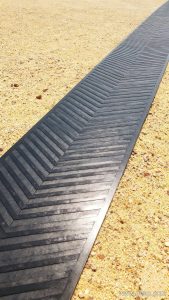
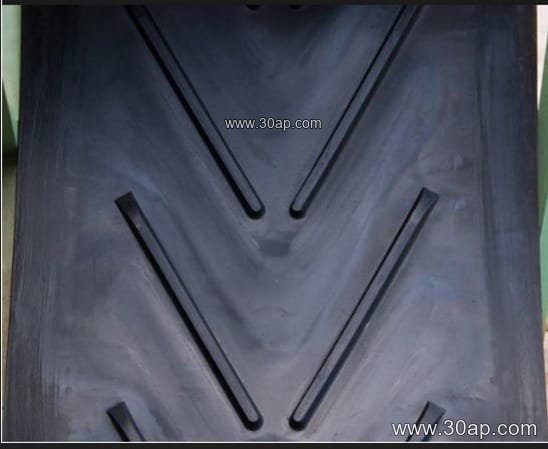
For special routes, alternatives such as a chevron conveyor belt, corrugated sidewall conveyor belt or pipe conveyor belt may be worth discussing, but they solve different conveying problems and do not replace the standard EP1000 flat belt. A multi-ply fabric core conveyor belt remains the mainstream choice for general bulk handling. Matching the belt to the pulley, idler roller and bracket layout at the design stage avoids premature wear and keeps the line running steadily.