What an Adjustable Conveyor Bracket Does
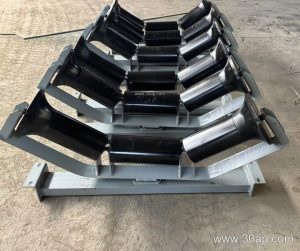
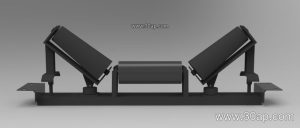
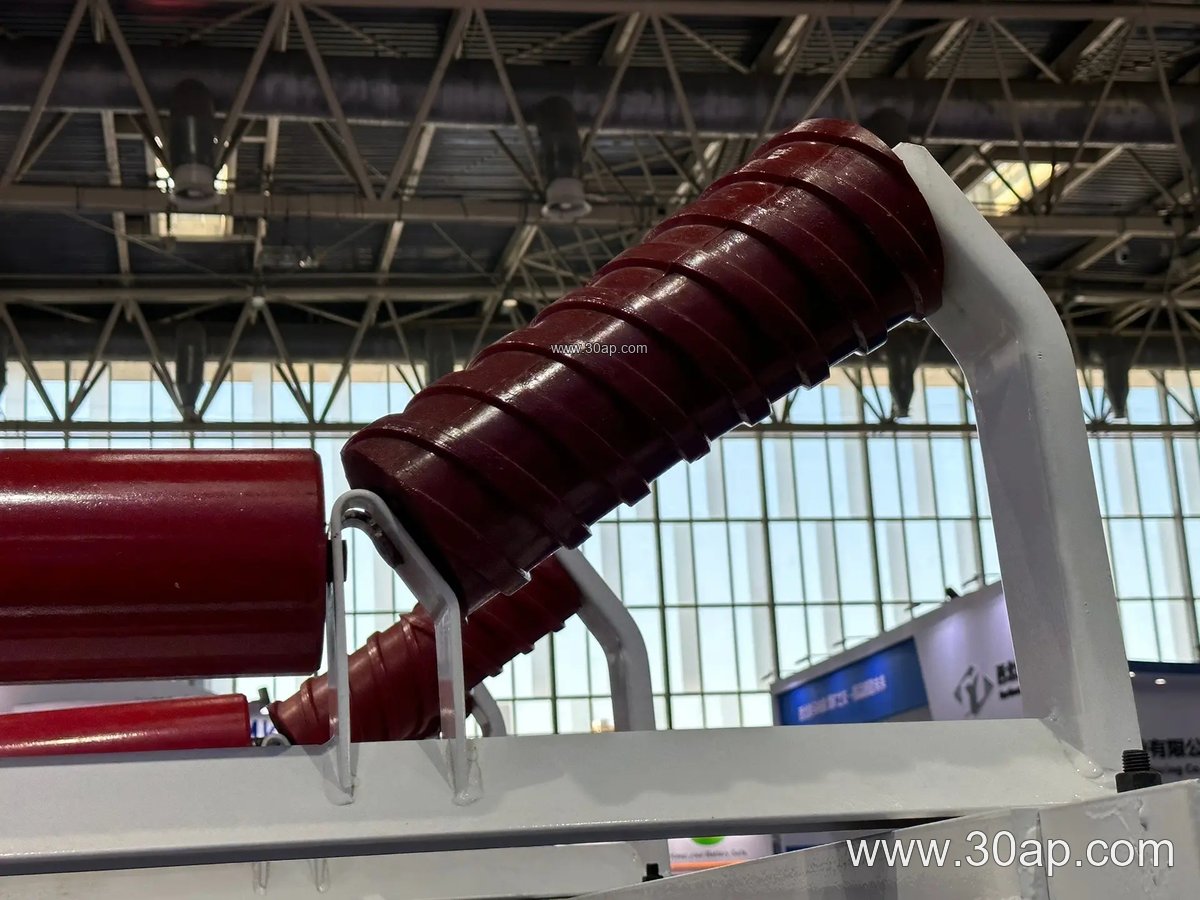
An adjustable conveyor bracket is a mounting component that supports idler rollers on a conveyor system and allows the troughing angle to be changed without replacing the entire frame. Unlike fixed brackets welded at a single angle, this bracket uses slotted holes, pivoting arms, or bolted segments to let maintenance teams fine-tune the roller position. The result is better belt training, reduced spillage at transfer points, and the ability to adapt one frame design to different material loads. In a quarry or aggregate conveyor line, for example, a slightly steeper trough can keep coarse rock centered, while a flatter setting may suit a wider belt carrying lighter loads. The bracket itself is a modest part, but it directly influences how the conveyor belt seats on the idlers and how evenly the load is distributed.
Construction and Common Forms
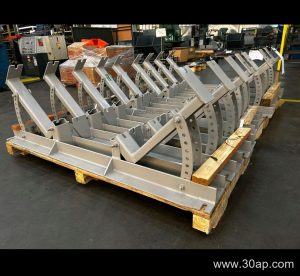
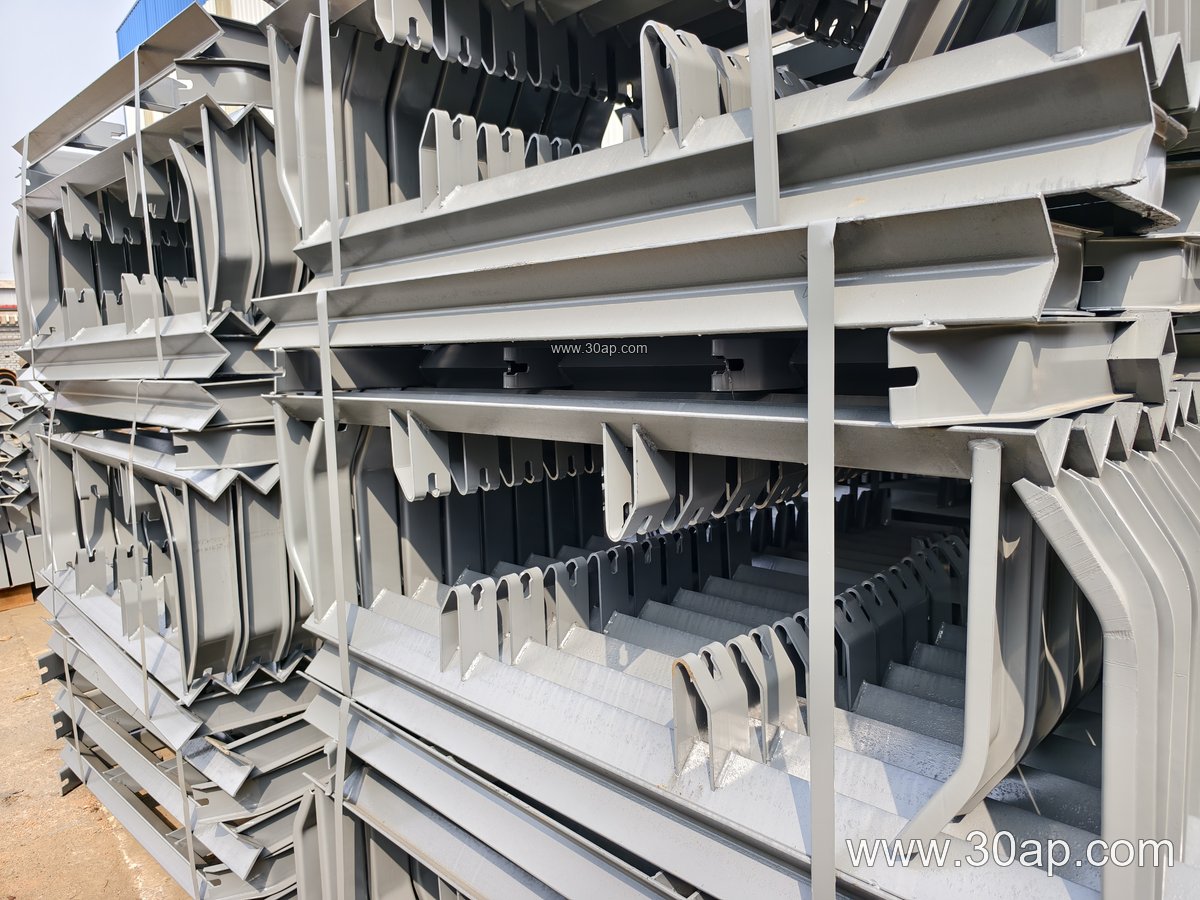
Most adjustable brackets are fabricated from angle steel, channel steel, or folded steel plate. The adjustable feature usually comes from elongated mounting holes, a hinge pin, or a series of preset holes that correspond to common troughing angles such as 20, 30, 35, and 45 degrees. Some designs also allow a small forward tilt of about 1.5 to 2 degrees on the side rollers to help with belt tracking. The bracket must be rigid enough to resist vibration from heavy material impact, yet adjustable enough that a technician can reset the angle with basic tools. For abrasive duties like iron ore or cement clinker, the pivot points and bolt threads should be protected from dust buildup, since seized adjusters defeat the purpose of the design.
Typical Reference Dimensions
The table below shows common combinations used in conveyor design. These are reference values, not fixed rules; actual hole spacing and beam length are determined by the conveyor manufacturer based on belt width, trough angle, and roller diameter.
| Belt Width | Trough Angle | Idler Diameter | Typical Bracket Material |
|---|---|---|---|
| B650 | 30 degrees | Ø89 | Angle steel |
| B800 | 35 degrees | Ø108 | Channel steel |
| B1000 | 35 degrees | Ø108 | Channel steel |
| B1200 | 45 degrees | Ø133 | Folded steel plate |
| B1400 | 45 degrees | Ø159 | Folded steel plate |
Wider belts such as B1800 or B2000 may use heavier brackets and larger roller diameters, but the exact match depends on load and speed. A 1200mm wide conveyor belt does not automatically dictate one specific roller size; the design engineer balances capacity, sag, and belt stiffness.

Where Adjustable Brackets Are Used
These brackets appear in bulk material handling across many industries. In a coal preparation plant, adjustable troughing brackets help maintain belt contact when feed rates vary. In a limestone quarry or sand and gravel line, they allow quick changes to the trough shape after a screen or crusher modification. Cement plants use them on clinker and raw meal conveyors where dust and heat demand sturdy, serviceable hardware. Power plant coal handling systems also benefit, particularly where a flame retardant conveyor belt runs alongside idler rollers that must stay aligned. The bracket is not limited to troughing; adjustable return brackets and transition brackets also use similar adjustment principles to guide the belt through changes in profile.
Selection and Maintenance Notes
A buyer should first confirm the belt width, the intended trough angle range, and the roller diameter the bracket must hold. Check whether the adjustment is continuous or stepped, and whether the bracket fits the existing frame hole pattern. For heavy-duty mining conveyor belts carrying high-abrasion material, look for reinforced pivot areas and corrosion protection. During maintenance, inspect the adjuster bolts for looseness and clean accumulated dust from the slots. A bracket that has slipped out of angle can cause the belt to misalign, wear the edge, or spill material. Keeping the adjustable conveyor bracket set correctly helps the idler roller rotate freely and extends the service life of the conveyor belt.
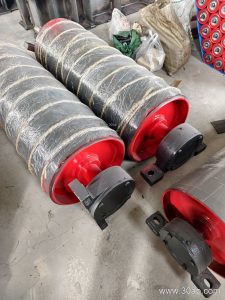
Related equipment such as the conveyor pulley, conveyor bracket, and idler roller should be reviewed as a system when changing trough angles, since each part influences belt tracking and load support.