What the Take-Up Device Pulley Does
A take-up device pulley is the drum that works inside a conveyor’s tensioning station, holding the belt at the correct slack so the system keeps driving without slip. In plant drawings it is often called a tension pulley or take-up drum, and it sits at the tail end or on a separate tension carriage rather than at the head drive. While a drive pulley transmits torque and a bend pulley simply changes belt direction, this drum exists to maintain belt tension as the conveyor stretches, contracts and settles during operation.
In a quarry or a cement plant, a slack belt can wander off the pulleys and spill material along the whole line. That is why the take-up drum is treated as a control component, not just another roller in the frame.
How the Drum Is Built
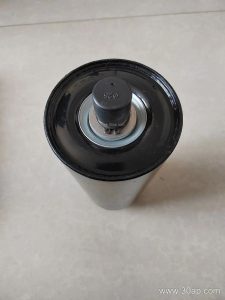
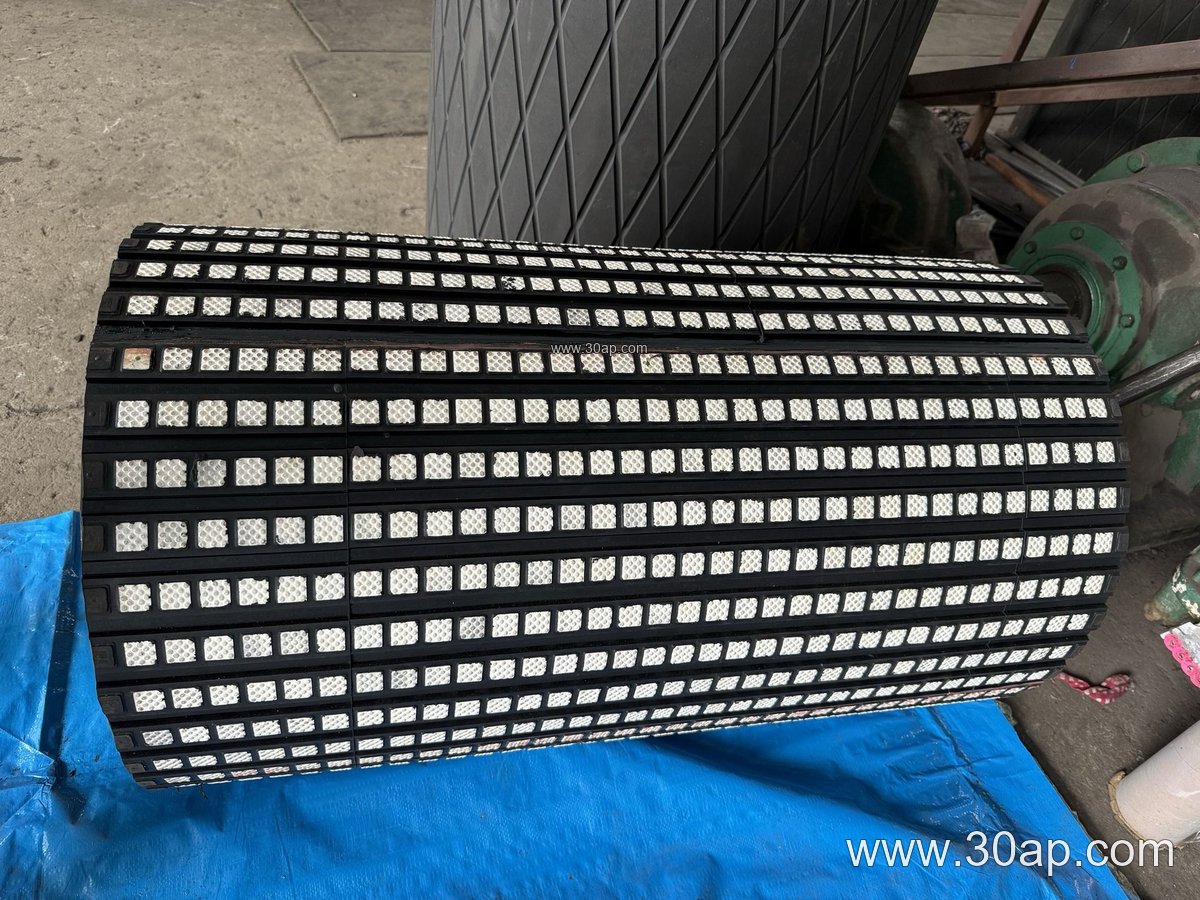
The assembly usually combines a welded steel shell, a shaft, bearing housings, and a lagged surface where grip matters. Because the belt wraps this drum during tensioning, the shell must resist both bending and the repeated load of the carriage moving back and forth. Common construction details include:
- Shell machined with a slight crown so the belt tracks toward the center
- Forged or turned shaft ends sized to the bearing and coupling arrangement
- Bearing seats with seals to keep out dust in crushing and screening areas
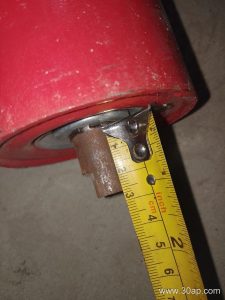
- Optional lagging — plain, cold-bonded rubber, hot-vulcanized rubber, diamond or ceramic — where slip or wear is a concern
Lagging thickness is normally specified by the designer, often in the 8 to 20 mm range, and the face width generally runs wider than the belt, for example a B800 belt on roughly a 950 mm face or a B1200 belt on about a 1400 mm face. Shaft diameter is set by torque and load, so it should never be guessed from belt width alone.
Where It Fits in the Line
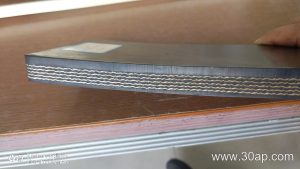
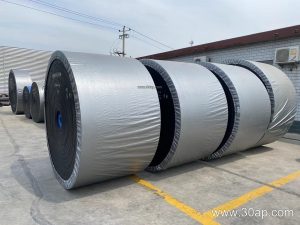
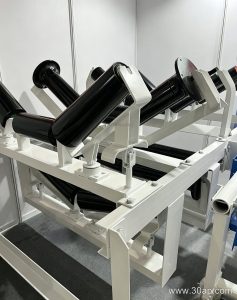
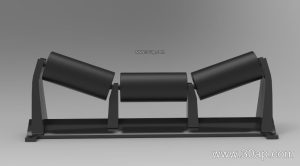
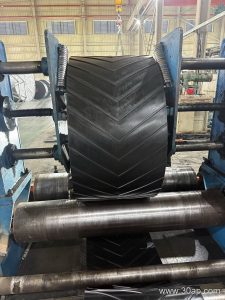
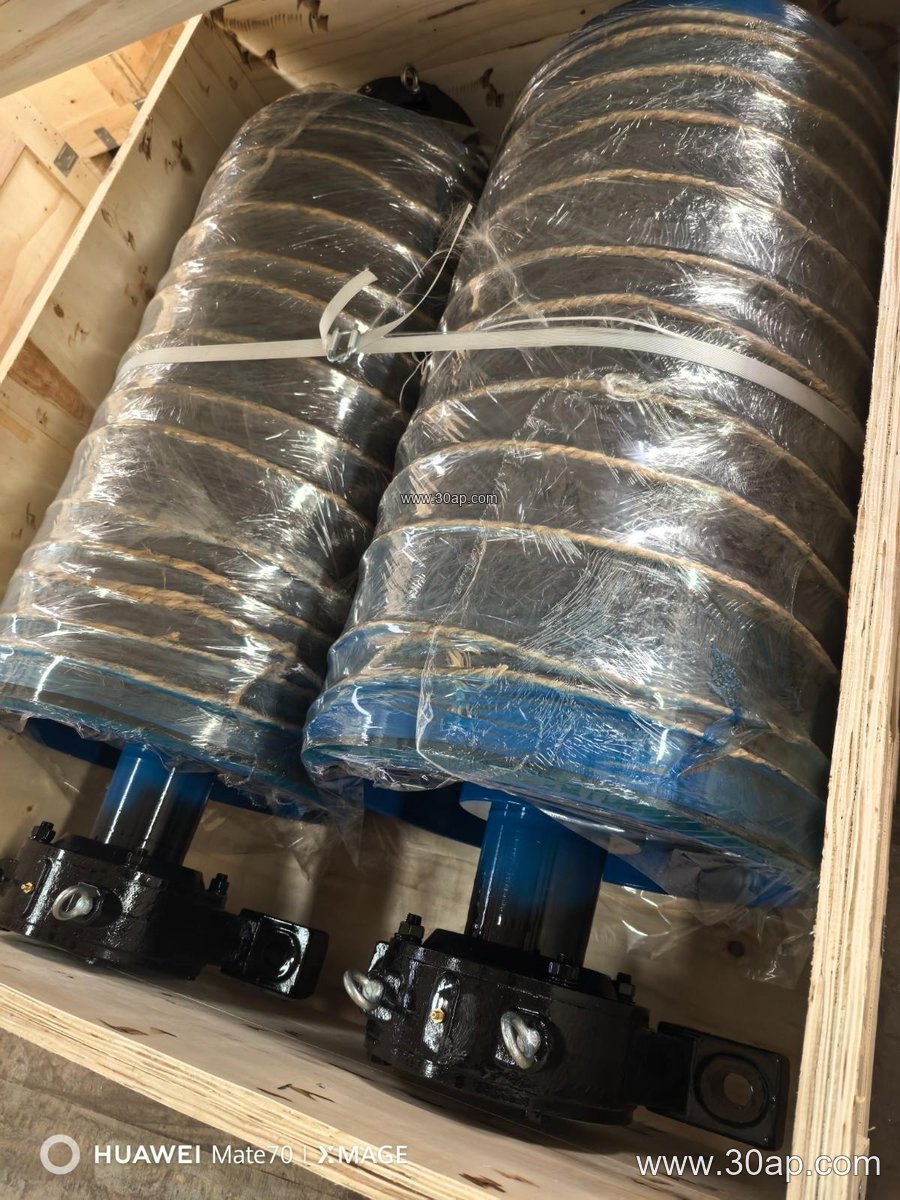
You will find this drum in coal handling at a power plant, in the limestone circuit of a cement works, in iron ore and copper ore plants, and in aggregate crushing lines where the belt length changes with temperature and load. It pairs with the head drive, the carrying idler roller, return rollers and a sturdy conveyor bracket that anchors the take-up frame. On a steel cord conveyor belt or a heavy fabric core belt, correct tension from the take-up pulley protects splices and keeps the belt from sagging between troughing sets.
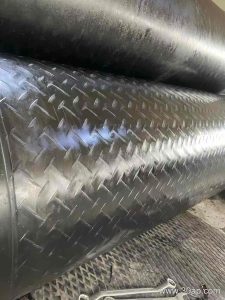
On a pipe conveyor belt or a corrugated sidewall belt, the take-up drum is often a plain-faced unit because the belt profile cannot take lagging the same way. On steep or high-tonnage lines, a mine conveyor belt such as a flame retardant conveyor belt for underground use will need a take-up that can absorb larger elongation without letting the belt touch the frame.
Sizes and Selection Notes
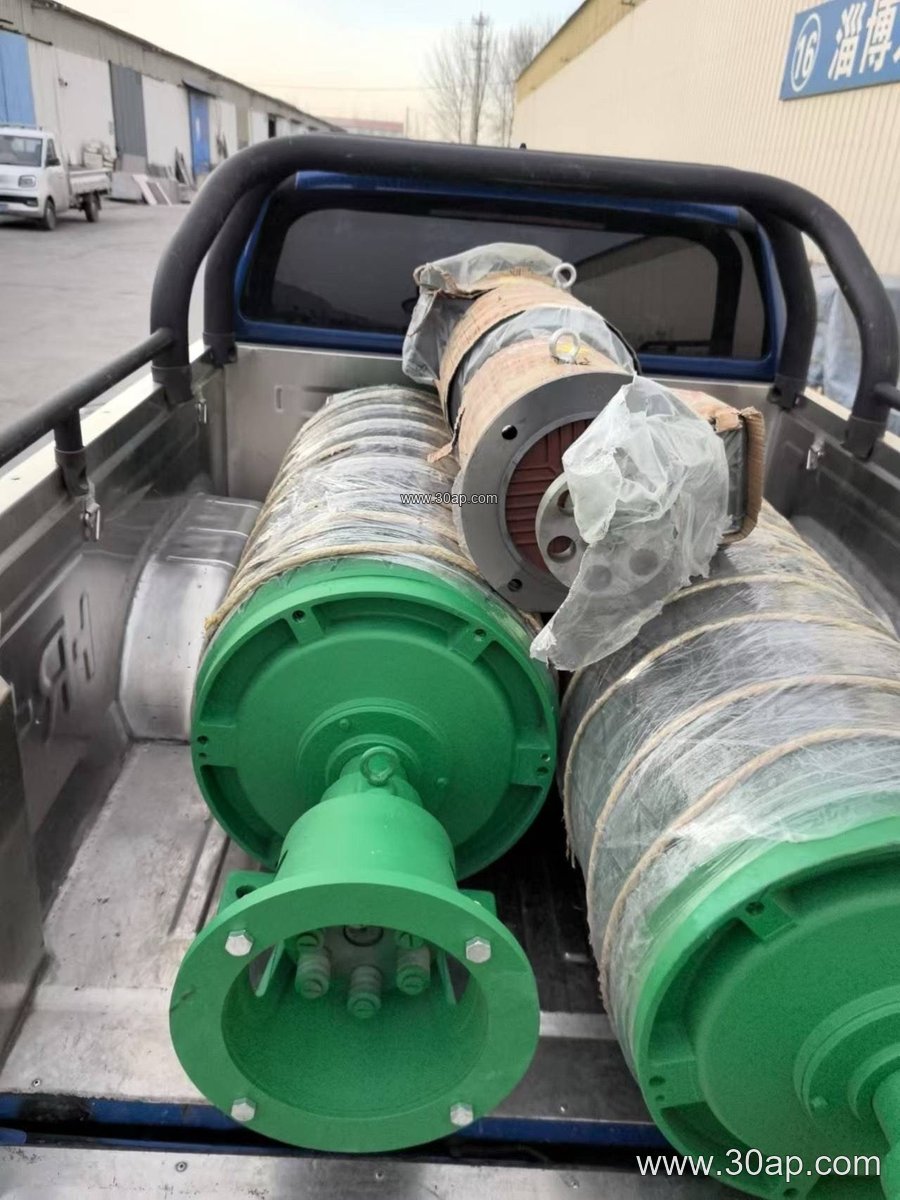
There is no single correct diameter for a given belt width. Designers match the drum to belt tension, wrap angle, belt stiffness and the space available for the carriage. The following are common reference ranges, not fixed rules:
| Belt width | Typical drum face | Common diameter range | Common shaft range |
|---|---|---|---|
| B500 | about 600 mm | Ø250–Ø400 | Ø50–Ø80 |
| B650 | about 750 mm | Ø315–Ø500 | Ø60–Ø90 |
| B800 | about 950 mm | Ø400–Ø630 | Ø70–Ø100 |
| B1000 | about 1150 mm | Ø500–Ø800 | Ø80–Ø120 |
| B1200 | about 1400 mm | Ø630–Ø1000 | Ø90–Ø140 |
| B1600 | about 1800 mm | Ø800–Ø1250 | Ø120–Ø180 |
Useful combinations such as B800 × Ø500 or B1200 × Ø1000 appear in real projects, but a B1400 line can also run a Ø800 drum if the tension calculation allows it. Buyers should share belt type, belt speed, take-up travel and the expected elongation with the supplier. A high abrasion resistant conveyor belt in a crusher discharge will demand a different drum surface than an oil resistant conveyor belt in a recycling plant.
Buyer Checklist
- Confirm the tensioning method — screw, gravity, hydraulic or winch — and the required travel
- Check bearing type and sealing against dust and water
- Decide on lagging: plain, diamond, ceramic or rubber, and thickness
- Verify the shaft and bearing match the calculated load, not just the belt width
- Confirm face width and crown so the belt centers correctly
- Ask for balancing and inspection records before shipping
For more on matching drums, belts and frames, see sdtzy.com and take-up device pulley references, along with conveyor pulley, conveyor belt and idler roller guidance. A take-up pulley that is correctly specified keeps a fabric core conveyor belt or steel cord conveyor belt running true, extends splice life, and reduces downtime from belt wander and spillage.