What a Loading Point Impact Idler Does
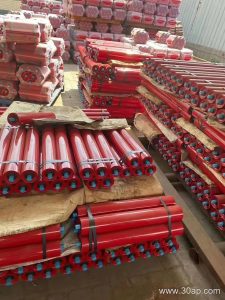
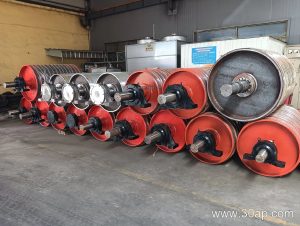
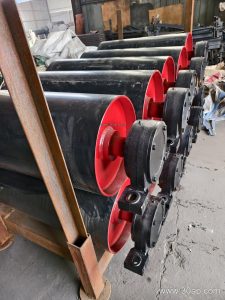
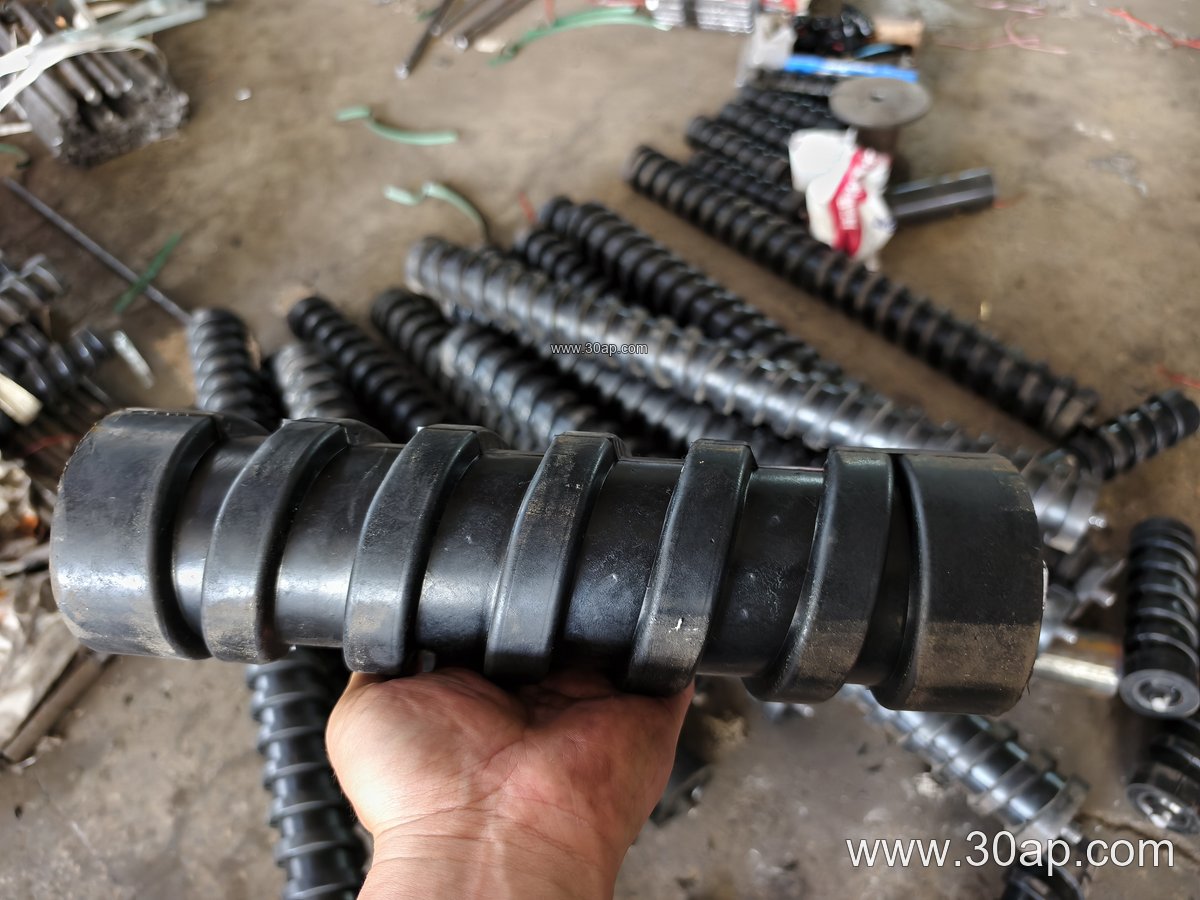
A loading point impact idler is a type of conveyor idler roller placed directly under the chute or transfer point where bulk material first lands on the conveyor belt. Its job is to absorb the energy of falling rock, ore, coal, or aggregate and protect the belt from impact damage. Unlike a standard carrying idler, this impact roller is built with a resilient surface—often rubber rings or a rubber-covered shell—so the force of the load is cushioned rather than concentrated on a rigid steel tube. In a quarry conveyor belt line or a coal mining conveyor belt system, this component helps extend the service life of the belt and reduces the risk of punctures or edge damage at the load zone.
Construction and Key Components
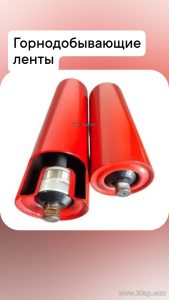
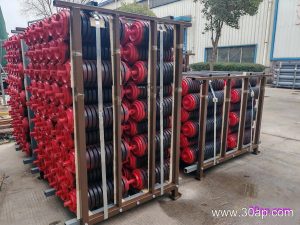
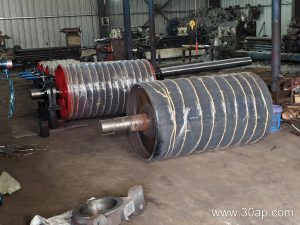
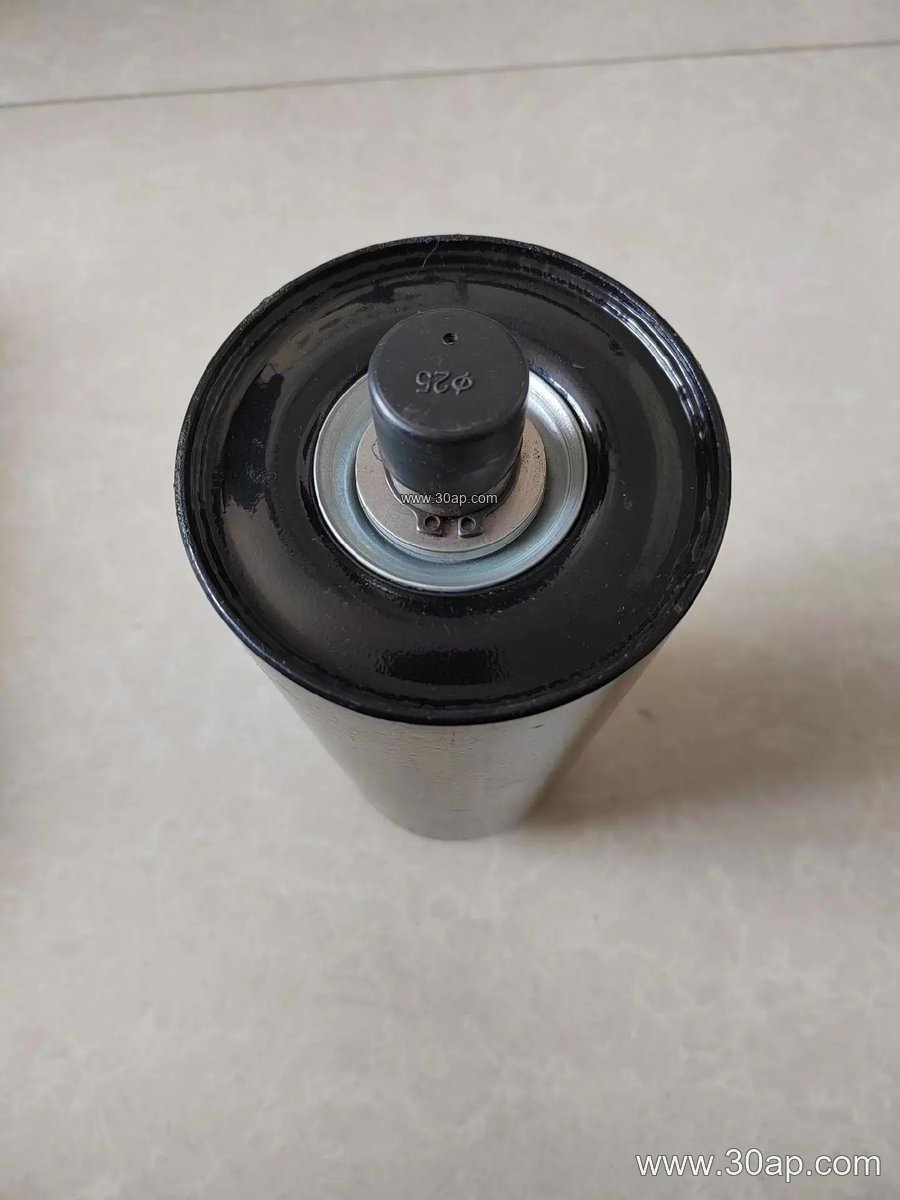
The impact idler roller typically consists of a heavy-duty shaft, bearing housings, and a series of rubber discs or a continuous rubber sleeve mounted on the roller body. The rubber rings are spaced to allow material fines to fall through, preventing build-up that could misalign the belt. Bearings are selected according to the load and speed; common sizes include 6205, 6305, and 6308, but the exact bearing should be matched to the idler diameter and application by the manufacturer. The roller surface may be plain steel for lighter duties or rubber-covered for high-impact areas. This design is distinct from a standard troughing idler, which uses a smooth steel shell and is not intended to absorb repeated shock loads.
Where It Is Used
Loading point impact idlers are found in a wide range of bulk handling operations. In a crushing and screening plant, they sit beneath the discharge chute of a primary crusher, where large lumps drop onto an aggregate conveyor belt. In a coal handling system at a power plant or a coal preparation plant, they cushion the impact of coal lumps at transfer points. They are also common in iron ore and copper ore handling, cement plants, and port ship-loading facilities. The idler works together with the conveyor belt, conveyor pulley, and conveyor bracket to maintain a stable belt path at the most vulnerable point of the conveyor. For high-abrasion materials, an abrasion resistant conveyor belt may be paired with these idlers to further reduce wear.
Common Configurations and Sizes
Impact idlers are usually supplied as part of a three-roll troughing set, with the center roll being the impact roll and the side rolls standard troughing rolls. The trough angle can be 20, 30, 35, or 45 degrees. Roller diameters commonly range from Ø89 to Ø159 for this duty, and belt widths from B500 to B2000 are typical. The length of the impact roll varies with belt width and trough angle; for example, a three-roll set for B800 may use a center roll around 315 mm long, while B1200 may use about 465 mm. These are common examples, not fixed rules. The table below lists typical reference values for impact idler sets.
| Belt Width (mm) | Common Roll Diameter (mm) | Approx. Center Roll Length (mm) | Trough Angle (degrees) |
|---|---|---|---|
| B500 | Ø89–Ø108 | 200 | 20–35 |
| B650 | Ø89–Ø108 | 250 | 20–35 |
| B800 | Ø108–Ø133 | 315 | 30–35 |
| B1000 | Ø108–Ø133 | 380 | 30–45 |
| B1200 | Ø133–Ø159 | 465 | 30–45 |
| B1400 | Ø133–Ø159 | 530 | 30–45 |
| B1600 | Ø159–Ø178 | 600 | 35–45 |
| B1800 | Ø159–Ø178 | 670 | 35–45 |
| B2000 | Ø178–Ø194 | 750 | 35–45 |
When selecting an impact idler, consider the lump size, drop height, and throughput. A fire resistant conveyor belt or flame retardant conveyor belt is often specified in underground coal mining conveyor belt systems, and the impact idler should be compatible with the belt’s cover grade. For cold climates, a cold resistant conveyor belt may be used, and the idler’s rubber rings should remain flexible. In food or clean applications, a food grade conveyor belt may require stainless steel or special rubber components, but impact idlers are less common in those environments.
Buying Considerations
Buyers should confirm the belt width, trough angle, and mounting dimensions with the conveyor bracket supplier. The impact idler’s shaft diameter is not determined by belt width alone; it depends on the load rating and the frame design. Ask for the dynamic load capacity and the rubber hardness of the rings. For high-abrasion duties, such as handling iron ore or quarry rock, a high abrasion resistant conveyor belt combined with impact idlers can lower maintenance costs. In cement plants, heat resistant conveyor belt may be needed near clinker discharge, and the idler’s rubber should be rated for the ambient temperature. Always verify that the idler’s bearing type and sealing arrangement suit the dust and moisture conditions of the site. A well-chosen loading point impact idler protects the conveyor belt at its most stressed location and keeps the material stream moving smoothly.