What a 1500mm Wide Conveyor Belt Is
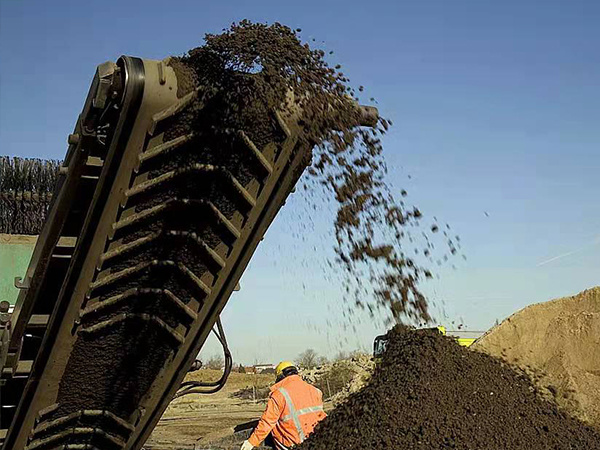
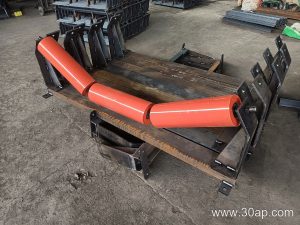
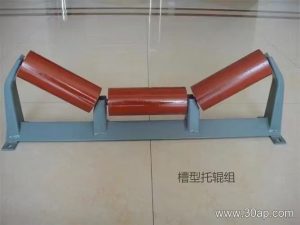
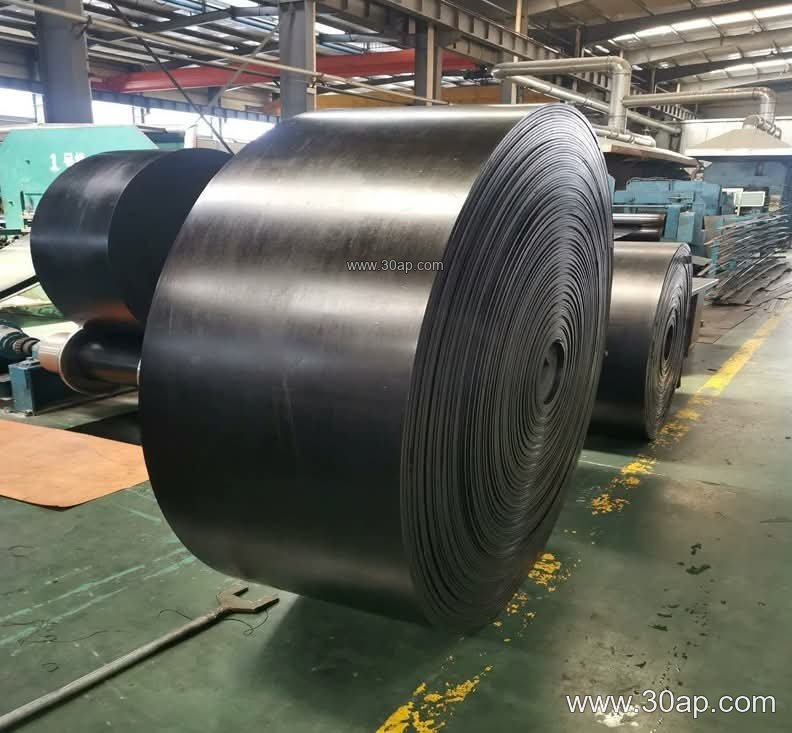
A 1500mm wide conveyor belt is a heavy-duty belting product built for high-capacity bulk handling lines. With a nominal width of 1.5 metres, it sits in the larger end of common belt widths and is typically chosen when a single conveyor must move a substantial tonnage of ore, coal, clinker, aggregate or other loose material. The belt is the load-carrying element of the conveyor; the idler roller, conveyor pulley and conveyor bracket work together to support and drive it.
In practice, buyers refer to this product in several equivalent ways, such as a 1500 mm conveyor belt or a 1.5 m wide conveyor belt. These names describe the same item. The width alone does not define the full specification, because fabric type, tensile strength, cover grade and construction all need to be matched to the duty.
Construction and Common Specifications
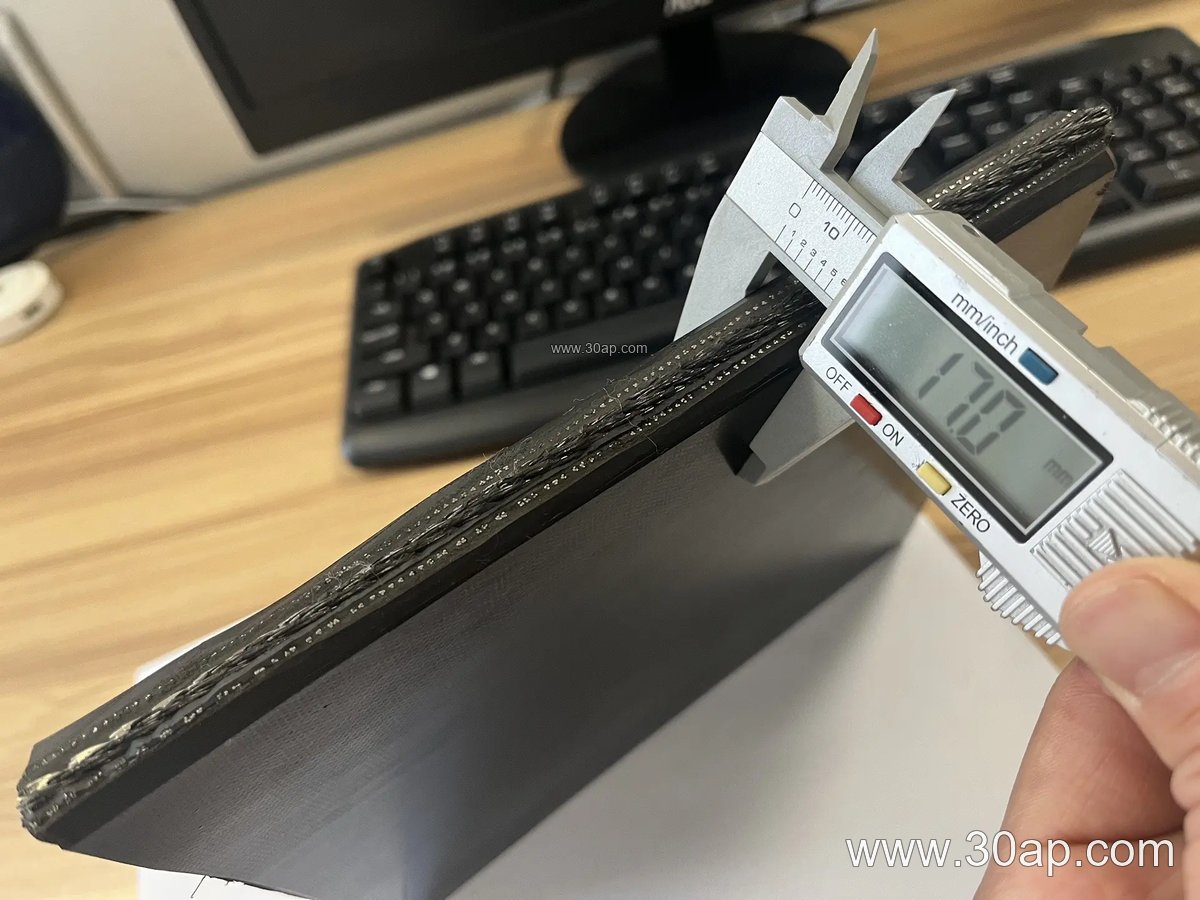
A belt of this width is usually built as a multi-ply fabric belt or as a steel cord belt. Fabric constructions commonly use EP (polyester-cotton) or NN (nylon-nylon) carcass, with 2 to 6 plies depending on the required strength. Steel cord designs are used where very high tension and long centre distances are involved. Cover rubber is specified as top and bottom thickness, for example 4+2 mm, 5+2 mm, 6+2 mm or 8+3 mm.
Reference values below are typical ranges, not fixed combinations. Final selection is made by the conveyor designer.
| Parameter | Common reference values |
|---|---|
| Belt width | 1500 mm (B1500) |
| Carcass type | EP, NN, steel cord |
| Tensile strength grade | EP200, EP315, EP400, EP500, EP630, EP800, EP1000 |
| Number of plies | 2 to 6 (fabric belts) |
| Top / bottom cover | 4+2, 5+2, 6+2, 8+3 mm |
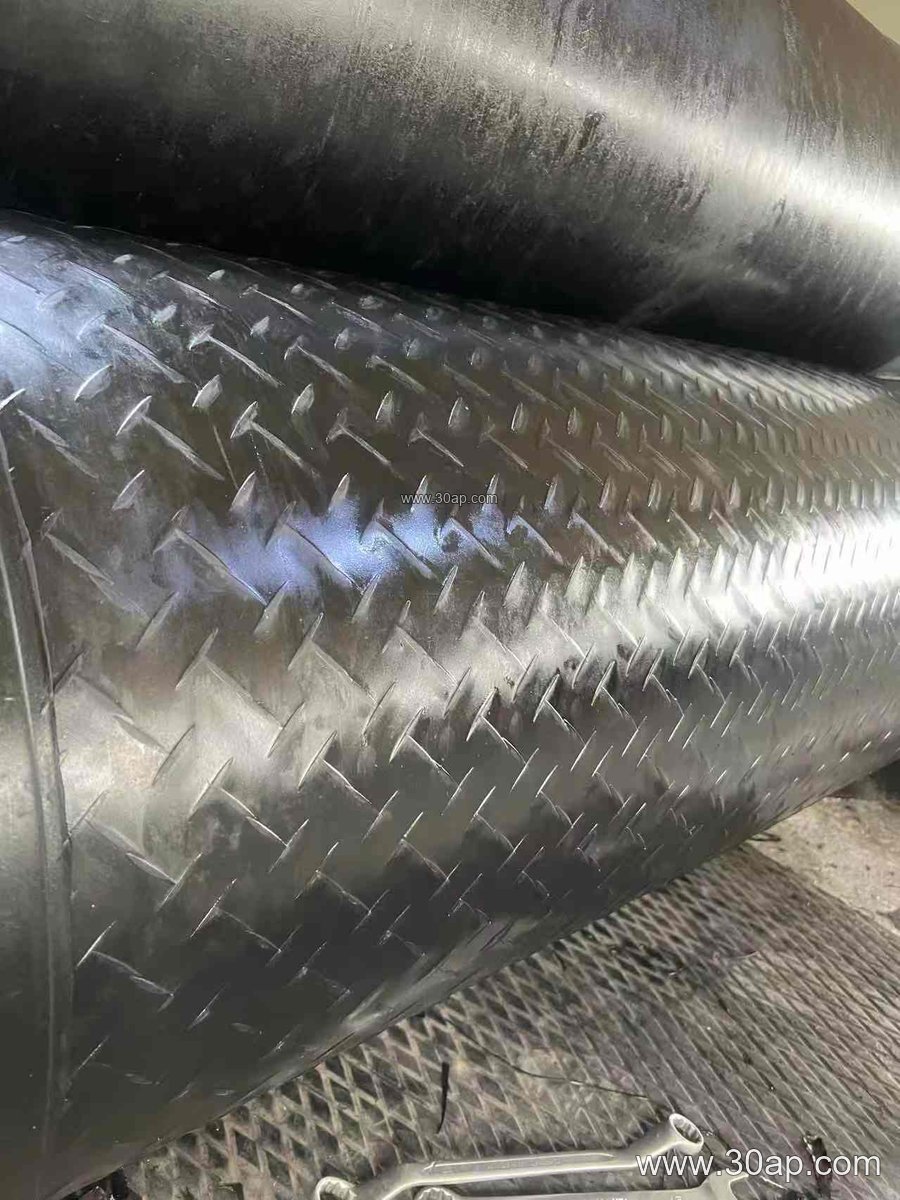
| Surface forms | smooth, abrasion-resistant, heat-resistant, oil-resistant, flame-retardant, anti-static, chevron or patterned |
Special grades are available for difficult duties: flame-retardant and anti-static belts for coal mines, heat-resistant belts for cement and power plant clinker, oil-resistant belts for ports and recycling, and cold-resistant or acid-alkali-resistant grades for specific environments. Chevron and patterned surfaces help on inclines, while corrugated sidewall belts contain material on steep sections.
Where It Is Used
The 1500mm width suits main haulage and high-throughput transfer lines. Typical industries include:
- Mining and metal ore transport, where large lumps and abrasive rock demand a robust carcass and thick cover.
- Coal mines and coal preparation plants, often with flame-retardant and anti-static belting.
- Cement plants, for limestone, clinker and raw meal handling, sometimes with heat-resistant grades.
- Power plants, for coal yard and ash handling systems.
- Sand and gravel plants, quarries and aggregate yards, where abrasion resistance is a priority.
- Ports and bulk terminals, for ship loading and stockyard conveyors.
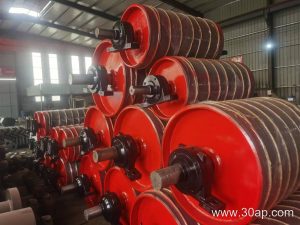
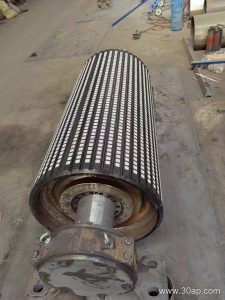
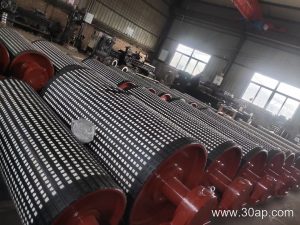
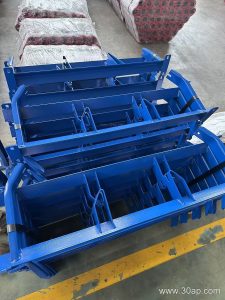
On these lines, the belt runs over idler rollers spaced along the carrying side and return side, passes around the drive pulley and tail pulley, and is held in alignment by conveyor brackets and frames. A wider belt needs adequately sized pulleys and idlers, but width alone does not determine pulley diameter or shaft size; those are calculated from belt tension, load and conveyor geometry.
What a Buyer Should Check
Before ordering a 1500mm wide conveyor belt, confirm the duty with the conveyor designer and the belt supplier. Key points include:
- Required tensile strength and safety factor, based on maximum operating tension.
- Material characteristics: lump size, abrasion, temperature, oil content, moisture and fire risk.
- Cover thickness and grade that match the wear environment.
- Belt weight and its effect on idler roller load and pulley selection.
- Splice method and whether the belt will be vulcanised or mechanically joined on site.
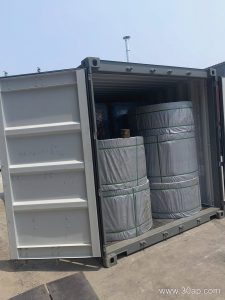
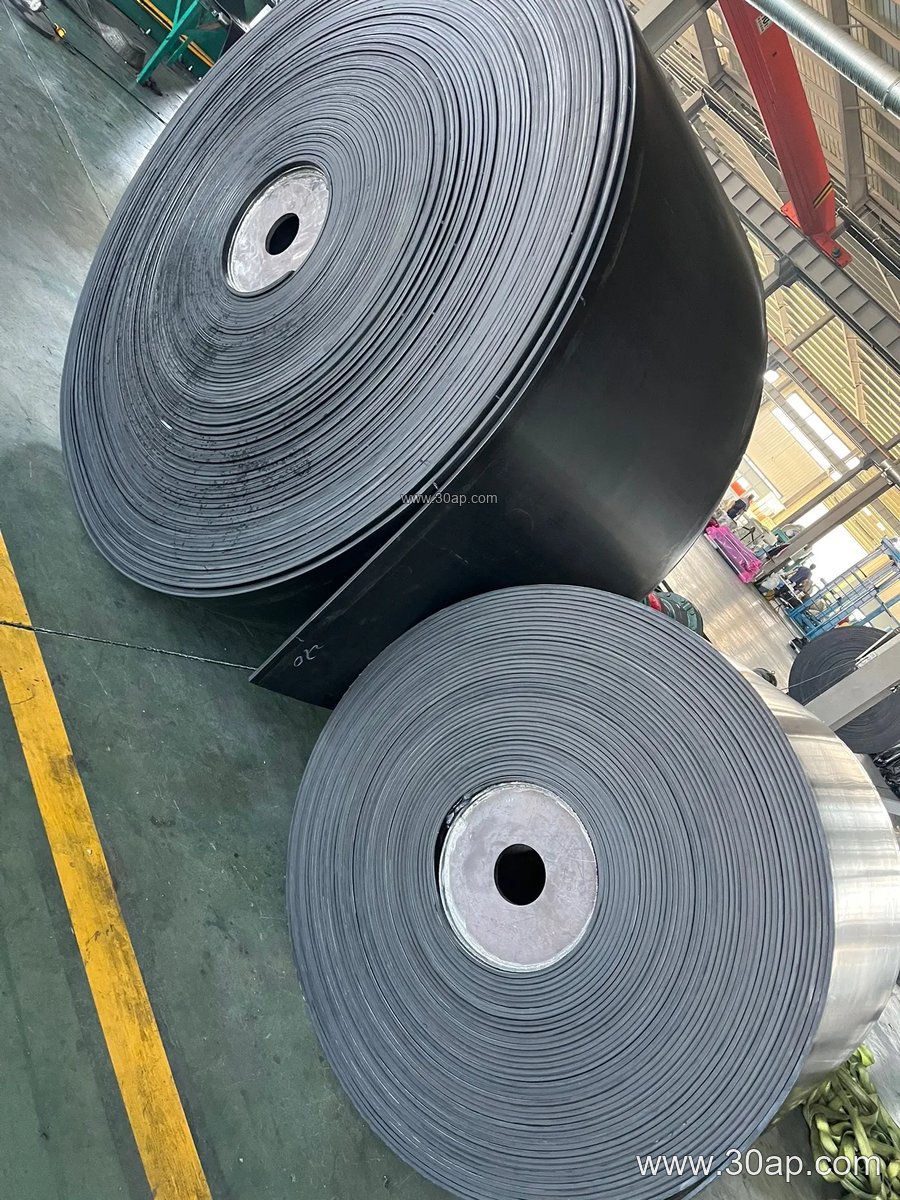
- Storage, handling and installation space, since a 1.5 m wide roll is heavy and needs proper lifting equipment.
Maintenance matters as much as initial specification. Check belt tracking, cover wear, edge damage and splice condition regularly. Worn idler rollers or misaligned conveyor pulleys can shorten belt life quickly, so inspection of the whole conveyor, not just the belt, is worthwhile.
Selection Summary
A 1500mm wide conveyor belt is a high-capacity belting choice for mines, coal handling, cement, power generation, quarries and bulk terminals. Choose carcass type, strength grade, cover thickness and surface form to suit the material and environment, and treat published sizes as reference data to be confirmed with the supplier and conveyor designer.