What a Tapered Self-Aligning Idler Does
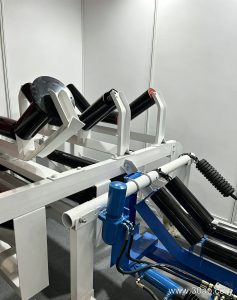
A tapered self-aligning idler is a training idler built with two conical rollers facing each other on a common frame. Because each roller is larger at the outer end and smaller toward the center, the idler creates a slight differential in surface speed across the belt. When a conveyor belt starts to drift sideways, this geometry gently steers it back toward the center line. The same product is also known as a conical self-aligning idler or taper training idler, and it belongs to the broader family of self-aligning idlers used for belt tracking.
Tracking problems are common on long runs in a quarry, a cement plant, or a power plant coal yard. A belt that wanders off-center can fray at the edges, spill material, and rub against the structure. Fitting a taper training idler at selected points along the carry or return side is one practical way to correct mild misalignment without adding complex hardware.
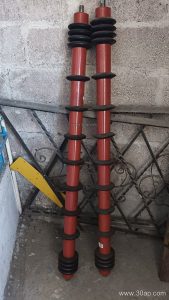
How the Roller Is Built
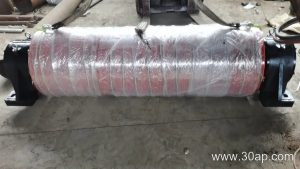
The idler usually consists of a heavy shaft, two tapered roller shells, bearing housings, and a pivoting bracket. The tapered shells are commonly formed from steel tube or rolled plate, and some designs use a rubber or polyurethane cover to improve grip on the belt. Bearings are selected to suit the load and speed; common sizes include 6205, 6305, 6306, and 6308, but the correct bearing depends on the shaft and housing design rather than on any single roller diameter.
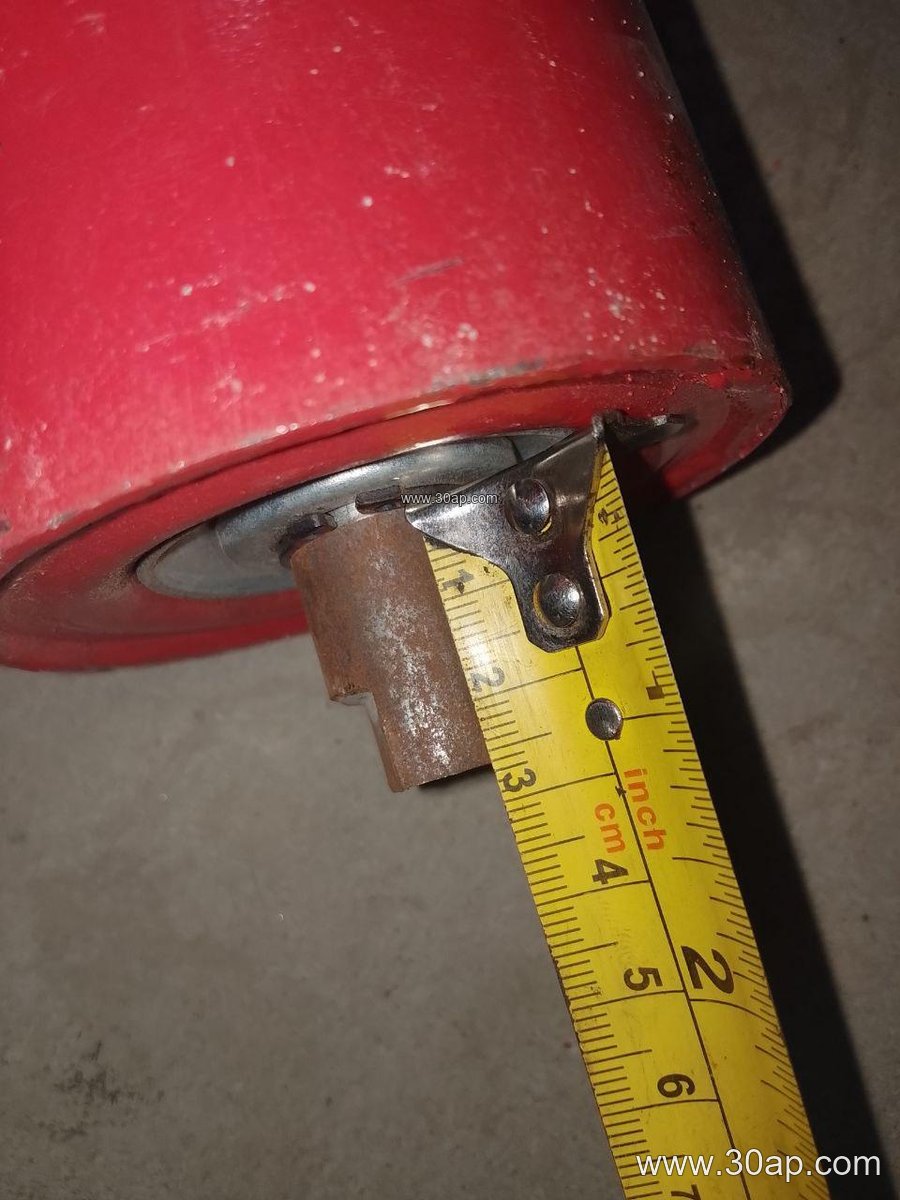
The frame is mounted so that it can pivot slightly. When the belt contacts the tapered rollers unevenly, the resulting force turns the assembly, and the angled rollers push the belt back on track. This self-correcting action works best when the idler is installed square to the belt path and the belt itself is in reasonable condition.
Where It Fits on the Conveyor
Tapered training idlers are often placed on the return strand, where belt wander is easy to correct, and sometimes on the carrying side ahead of a transfer point. They are used in sand and gravel lines, limestone mines, iron ore handling, coal preparation plants, and cement clinker transport. In these settings the belt may be an abrasion resistant conveyor belt or a heat resistant conveyor belt, and the idler must be matched to the duty.
A taper self-aligning idler is not a substitute for a bend pulley or a tail pulley. Pulleys redirect the belt and transmit drive force, while training idlers only guide it. Likewise, a troughing idler supports the loaded belt but does not steer it. Understanding this difference helps maintenance teams choose the right component for each position.
Common Sizes and Arrangements
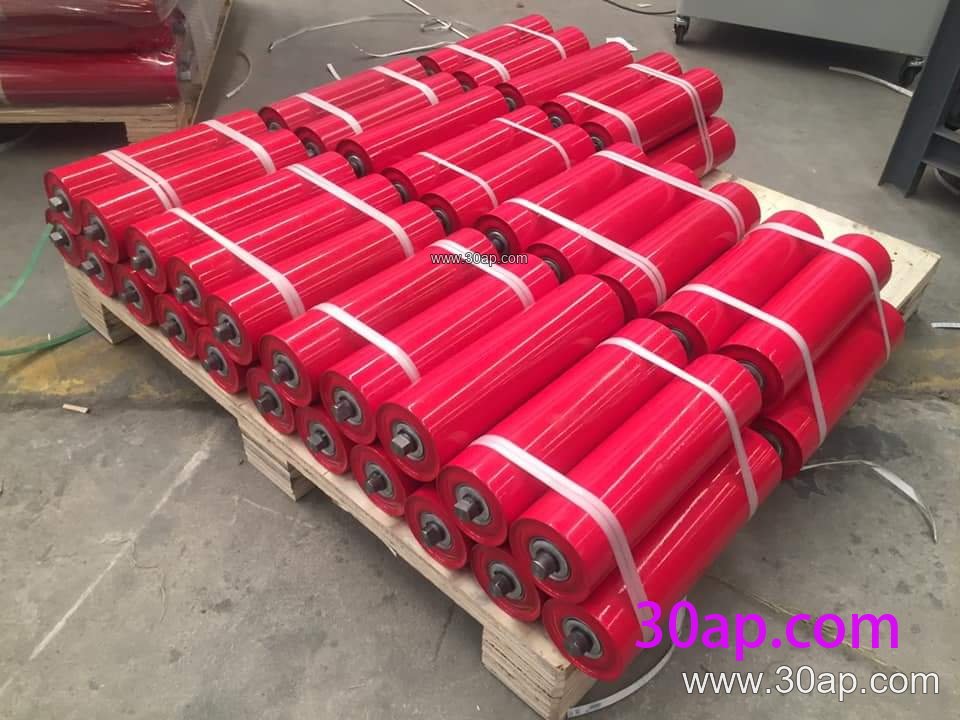
Roller diameter and belt width are selected together with the conveyor design. The table below gives typical reference values; final dimensions should always follow the conveyor manufacturer’s drawing.
| Item | Common Reference Values |
|---|---|
| Roller diameter | Ø76, Ø89, Ø102, Ø108, Ø127, Ø133, Ø159 mm |
| Belt width | B500, B650, B800, B1000, B1200, B1400 mm |
| Bearing | 6204, 6205, 6305, 6306, 6308 |
| Roller surface | Steel tube, rubber covered, polyurethane |
These figures are examples only. A wide belt does not automatically require one fixed roller diameter, and shaft size must be confirmed from the load calculation. For heavier duty, such as a steel cord conveyor belt carrying ore, larger rollers and stronger bearings are usually specified.
Buyer Checklist
- Confirm belt width and the mounting position, carry or return side.
- Check whether the existing bracket and shaft match the new idler.
- Ask about bearing sealing for dusty or wet conditions.
- Match the roller cover to the material, for example rubber for wet or oily belts.
- Review the conveyor alignment before blaming the idler for tracking faults.
On a site handling bulk material conveyor belt systems, a small number of well-placed taper training idlers can reduce edge damage and downtime. Pair them with properly aligned pulleys, sound conveyor brackets, and a belt suited to the environment, whether that is an EP conveyor belt in a crusher line or a flame retardant conveyor belt underground. Regular inspection of bearings and roller surfaces keeps the self-aligning action reliable over time.