What a Conveyor Bracket Assembly Does on the Line
A conveyor bracket assembly is the structural interface that holds idler rollers in the correct position along a conveyor frame. It carries the weight of the belt and the material, sets the trough angle, and keeps roller spacing consistent from the load point to the discharge end. In a quarry, a cement plant, or a power plant coal yard, these assemblies are bolted or welded to the stringers and are the parts maintenance crews touch most often when tracking drifts or a roller seizes.
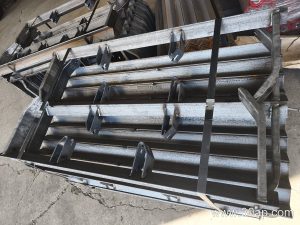
The assembly is not a single stamped part. It usually combines a crossbeam, mounting plates, angle or channel sections, and adjustable or fixed roller seats. The exact build depends on where the bracket sits: carrying side, return side, transition zone, or impact area under a crusher.
How the Assembly Is Built
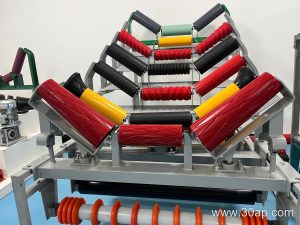
Most frames are fabricated from angle steel, channel steel, or folded steel plate, then drilled or punched for roller pins and frame bolts. A typical troughing bracket assembly for the carrying side includes three or more roller seats arranged to form a trough, while a return bracket holds a single flat roller or a V-shaped pair.
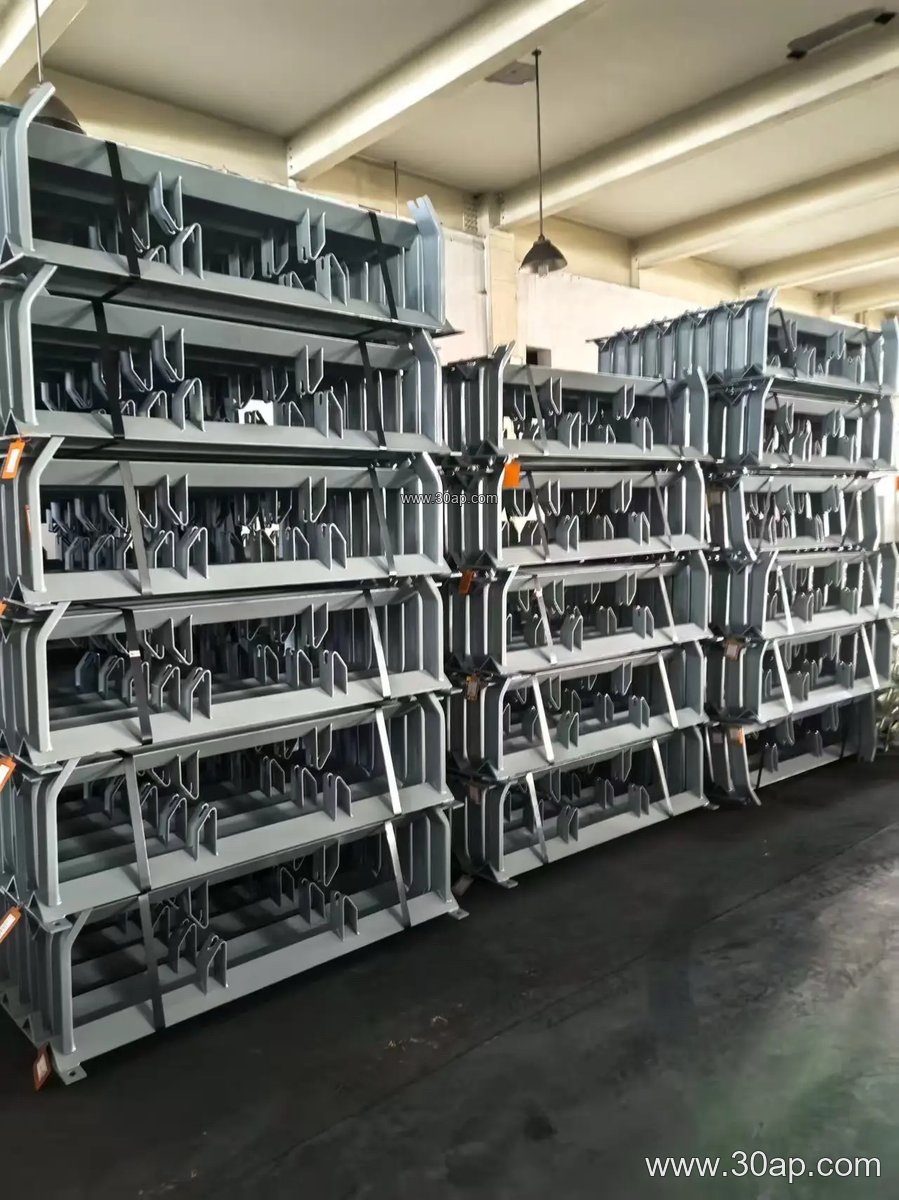
Common build details include:
- Crossbeam length matched to belt width and trough angle
- Slotted holes or pivoting seats for adjustable trough angles
- Reinforced impact brackets with rubber or spring cushions under the loading point
- Forward-tilted seats, often about 1.5 to 2 degrees, for training the belt
Materials are usually plain carbon steel with a paint or galvanized finish. In wet or corrosive service, buyers should confirm the coating rather than assume it.
Trough Angle, Roller Diameter, and Belt Width
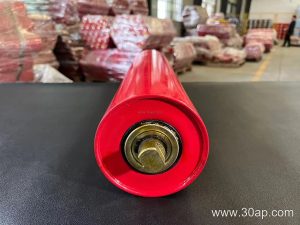
The bracket geometry has to match the roller diameter and the belt width it supports. Common belt widths range from B500 and B650 up to B2000 and B2200, and roller diameters are typically Ø89, Ø108, Ø133, Ø159, or Ø194. Trough angles of 20, 30, 35, and 45 degrees are standard references; adjustable brackets can move between several of these.
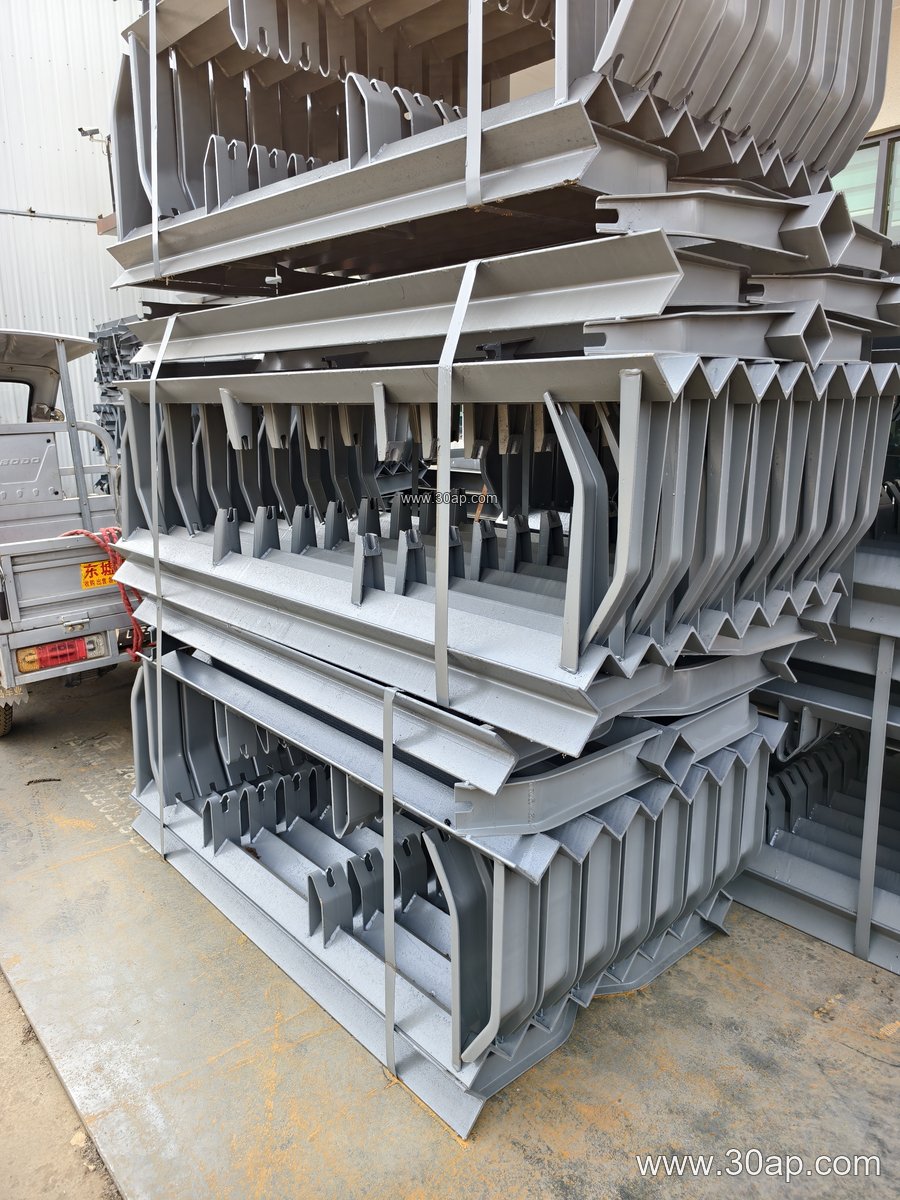
A wide belt does not lock the design into one angle or one roller size. A B800 frame might run a 35 degree trough with Ø108 rollers, while a B1200 line in a cement plant may use 45 degrees and Ø133 rollers. Mounting hole spacing and crossbeam length change with belt width and trough angle, so these are design values, not universal constants.
| Reference combination | Belt width | Trough angle | Roller diameter |
|---|---|---|---|
| Light duty | B650 | 30 degrees | Ø89 |
| General duty | B800 | 35 degrees | Ø108 |
| Heavy duty | B1200 | 45 degrees | Ø133 |
| Large tonnage | B1600 | 35 degrees | Ø159 |
These rows are examples only. Final selection follows the conveyor design, the belt tension, and the load per roller.
Where These Assemblies Are Used
In a limestone quarry or a sand and gravel line, troughing brackets carry the belt through the crushing and screening circuit, while impact brackets sit below the crusher discharge. In an iron ore or coal handling plant, return brackets and V-return brackets support the empty belt on the way back to the tail pulley. A steel plant sinter line and a port ship loader use similar frames but with heavier sections.
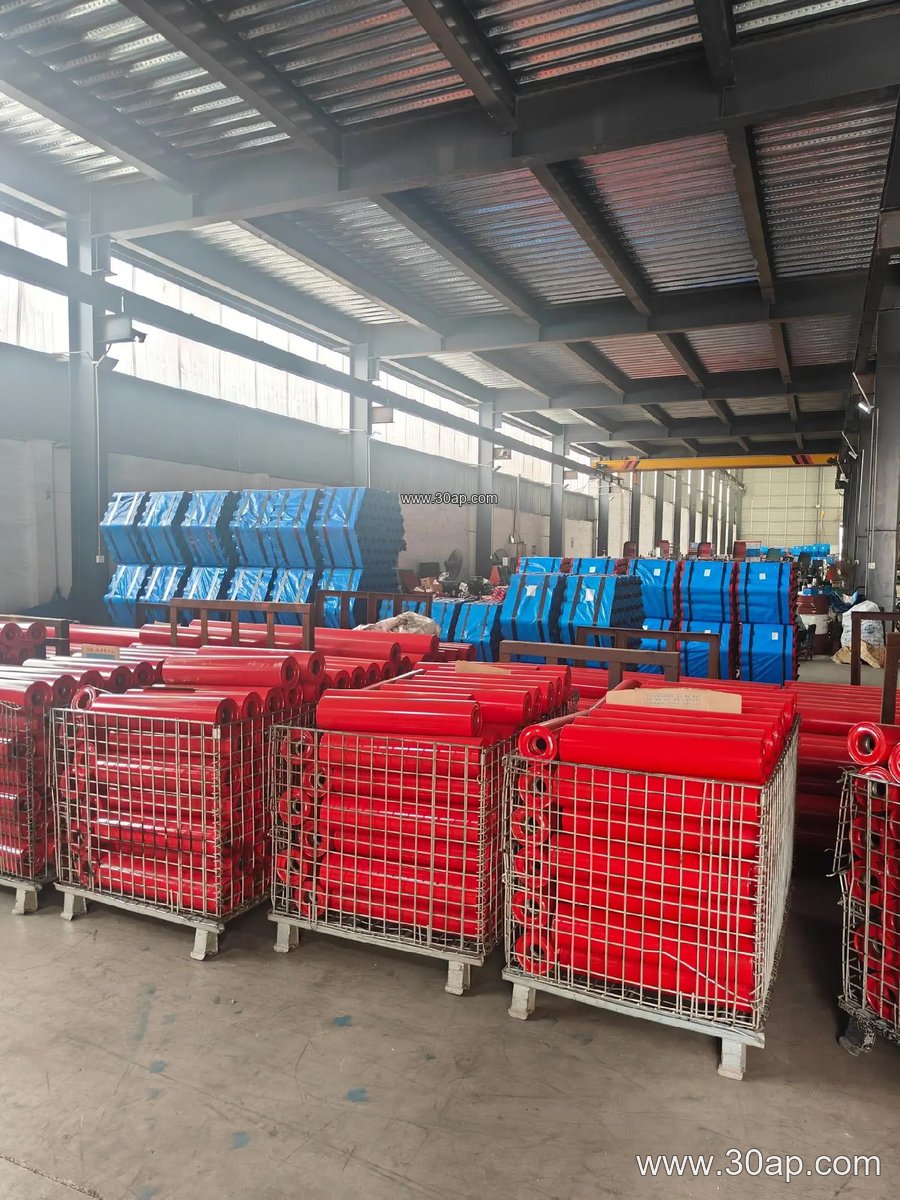
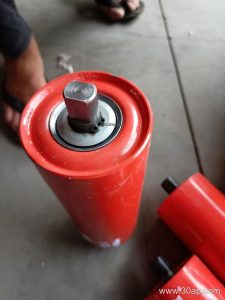
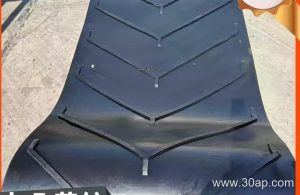
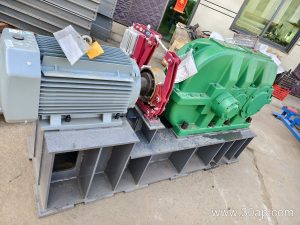
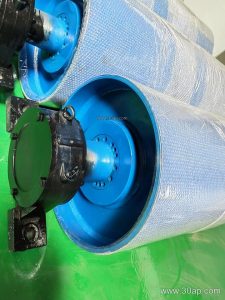
The assembly works together with the conveyor pulley at the drive and tail ends, the idler roller sets in between, and the conveyor belt itself. A poorly aligned bracket shows up quickly as edge wear on an abrasion resistant conveyor belt or as spillage from a flame retardant conveyor belt running off center.
Fixed, Adjustable, and Training Variants
Fixed brackets are welded or bolted in a set position and suit stable, well aligned runs. Adjustable brackets let crews change the trough angle or fine-tune roller height during commissioning. Training brackets, including forward-tilted and self-aligning designs, correct minor belt drift without adding a separate training idler.
The choice is not interchangeable with other bracket subtypes. A transition bracket near the pulley, a buffer bracket at the load point, and a plain carrying bracket each solve a different problem, and one should not be substituted for another without checking the design.
Buyer Checklist
- Confirm belt width, trough angle, and roller diameter before ordering.
- State the mounting method and hole spacing required by the existing frame.
- Ask about the steel section and surface finish for outdoor or wet service.
- Check whether adjustment or training capability is needed at that station.
- Match the bracket to the belt type in use, whether a multi-ply fabric core conveyor belt, an EP conveyor belt, or a steel cord conveyor belt.
For site-specific questions about matching a conveyor bracket assembly to an existing frame, the conveyor belt specification, or the pulley arrangement, the engineering team can review the layout drawing before fabrication.