What a 1600mm Diameter Conveyor Pulley Is
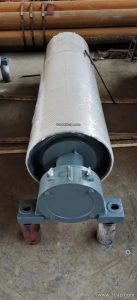
A 1600mm diameter conveyor pulley is a large-diameter drum used at the head, tail, or tensioning point of a heavy-duty belt conveyor. At this size, the pulley is usually a welded steel shell with machined end discs, a keyed shaft, bearing housings, and a lagged surface. It is the kind of component found where belt tensions are high and the conveyor moves bulk material continuously, such as a limestone quarry, a copper ore concentrator, or a power plant coal handling line.
Buyers often search for this size when specifying a main drive pulley or a heavy tail pulley on a wide belt. Because the drum is large, it can develop high torque at low rotational speed and can support thick, abrasion resistant conveyor belts without forcing a tight bend radius. The exact shell thickness, shaft diameter, and bearing selection are determined by the conveyor designer, not by the pulley diameter alone.
Construction and Surface Options
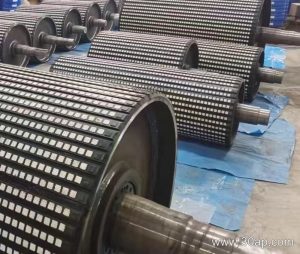
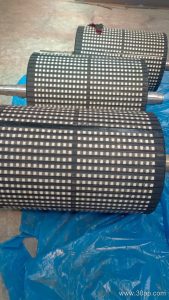
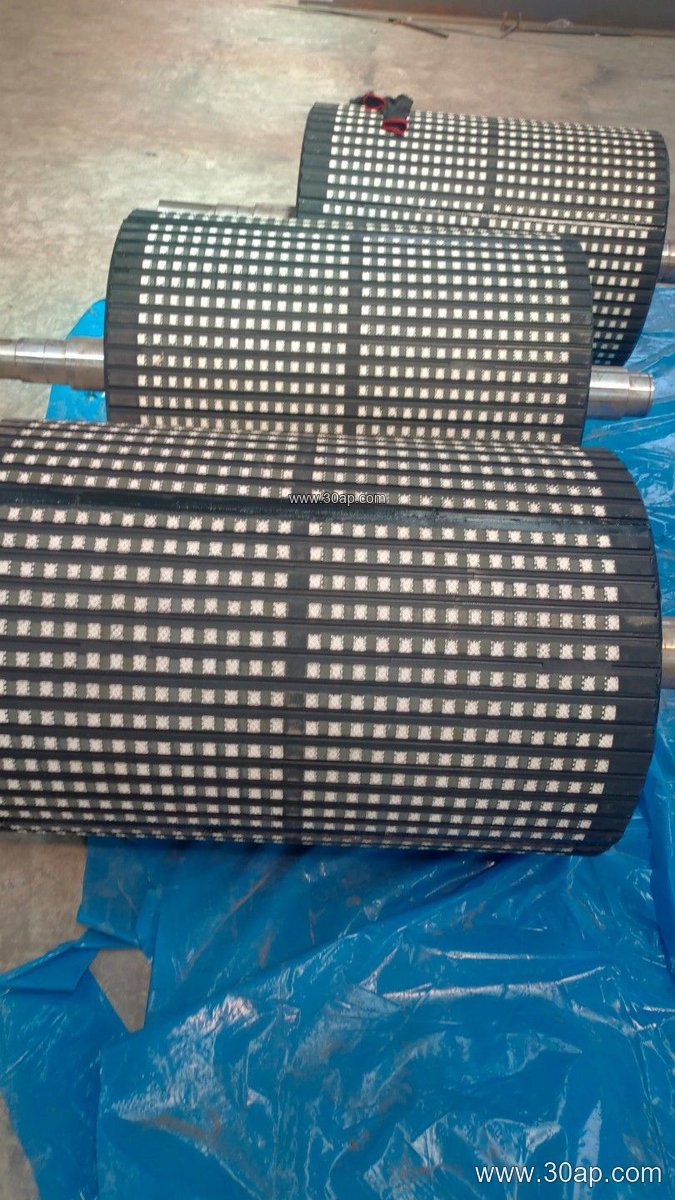
The basic body is a rolled steel shell, normally with dished or flat end plates welded to the shaft hub. The shaft is machined for bearings, keys, and locking assemblies. Common surface treatments include plain finish, hot vulcanized rubber, cold bonded rubber, diamond grooving, herringbone grooving, and ceramic lagging. Lagging thickness is often 8, 10, 12, 15, or 20 mm, selected according to grip requirements and wear conditions.
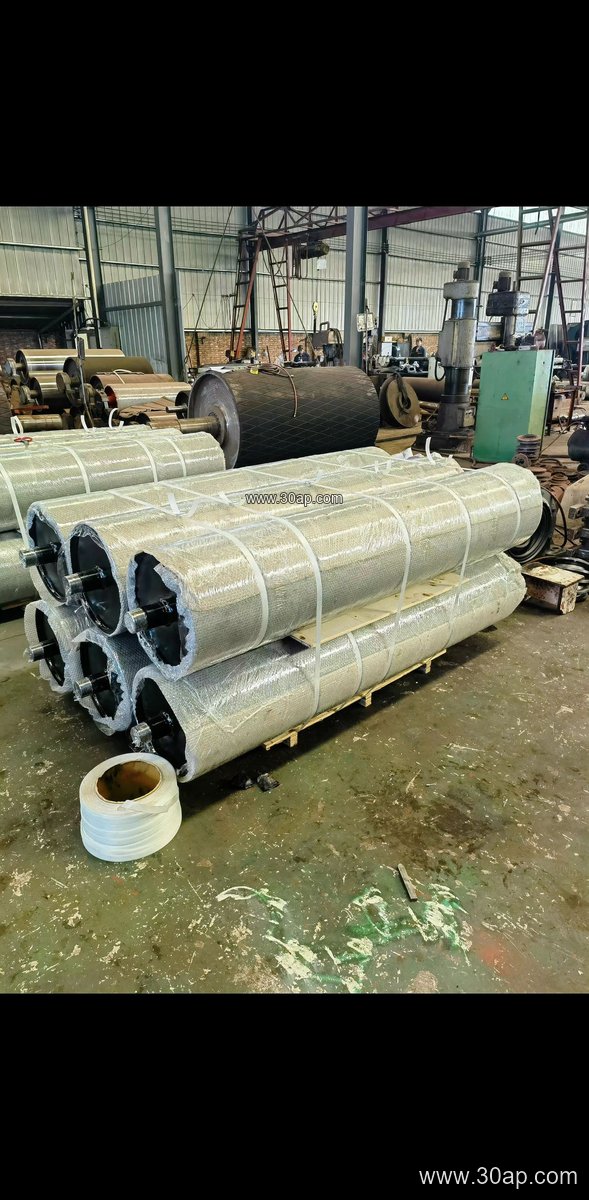
- Shell: welded steel, machined for concentricity
- Shaft: forged or rolled steel, sized by torque and radial load
- Lagging: plain, rubber, diamond, herringbone, or ceramic
- Bearings: spherical roller bearing housings, grease or oil lubricated
- Accessories: conveyor bracket, key, locking ring, and drain plugs
For a drum of this size, dynamic balance matters. A 1600mm diameter pulley turning at moderate speed carries significant rotating mass, so the manufacturer normally checks runout and balance before dispatch. The pulley also needs a suitable conveyor bracket or bearing pedestal that matches the shaft end and the frame structure.
Where It Fits in a Conveyor
The same drum size can serve different duties depending on where it is installed. As a head or drive pulley, it transmits power through the belt and must provide reliable grip, especially on a wet or dusty incline. As a tail pulley, it guides the return belt and may include a self-cleaning profile. As a tension or bend pulley, it changes belt direction and maintains wrap angle. These are separate roles, and a drive pulley is not a substitute for a tail pulley or a bend pulley in the same conveyor layout.
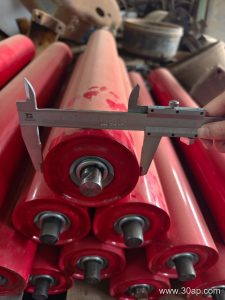
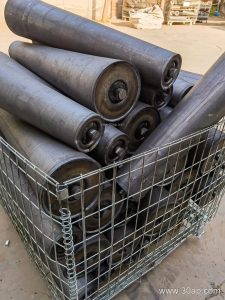
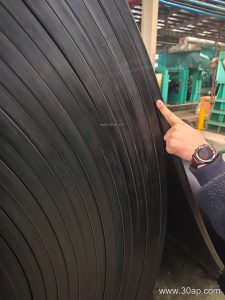
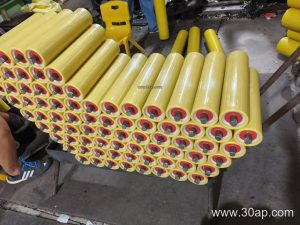
In a quarry or sand and aggregate line, a large drum often works with an abrasion resistant conveyor belt and a series of idler rollers that support the carrying side. In a coal preparation plant, a flame retardant conveyor belt may run over the same size drum, but the lagging and electrical grounding details change. In a cement plant, heat resistant conveyor belt grades may be needed near the clinker cooler, while a steel cord conveyor belt is more typical on long overland haulage. Matching the pulley to the belt type, belt width, and duty is more important than treating the diameter as a standalone number.
Size Relationships Buyers Should Check
A 1600mm diameter drum is often paired with wide belts, but the relationship is not fixed. The table below shows common reference combinations, not mandatory matches. A belt width can work with more than one pulley diameter depending on tension, wrap angle, and space.
| Belt width reference | Typical pulley face width | Example diameter pairing |
|---|---|---|
| B1200 | About 1400 mm | B1200 x Ø1000 |
| B1400 | About 1600 mm | B1400 x Ø800 |
| B1600 | About 1800 mm | B1600 x Ø1600 |
| B1800 | About 2000 mm | B1800 x Ø1600 |
| B2000 | About 2200 mm | B2000 x Ø1600 |
Shaft diameter is a separate calculation. Common shaft sizes range from Ø50 to Ø200 mm, but the final value comes from torque, bending load, bearing life, and safety factor. Do not assume that a B1600 belt automatically requires one particular shaft size. Provide the belt tension, speed, pulley position, and load data to the supplier so the shaft and bearing housing can be checked properly.
Selection and Maintenance Notes
When specifying a 1600mm diameter conveyor pulley, confirm the belt width, belt type, lagging profile, shaft end detail, bearing type, and mounting position. Check that the conveyor bracket and frame can accept the bearing housing and that there is enough clearance for the drum and lagging. On site, inspect lagging wear, check bearing temperature, verify grease intervals, and watch for belt tracking problems that can load one side of the drum.
For harsh duty, pair the pulley with the right belt construction. A heavy-duty mining conveyor belt, an EP conveyor belt, or a steel cord conveyor belt each places different demands on the drum surface. In dusty or wet conditions, diamond or herringbone lagging can improve grip. In fine abrasive service, ceramic lagging may extend service life. The goal is a balanced system where the pulley, belt, idler roller, and frame work together, not a single oversized component.