What a Dust-Proof Idler Does on a Conveyor
A dust-proof idler is a carrying or return roller built to keep fine particles away from its bearing cavity. On a conveyor belt that moves crushed rock, coal, clinker or aggregate, dust is everywhere. It settles on the roller shell, works into the gap between the end cap and the tube, and gradually reaches the bearing. Once grit enters the bearing, friction rises, the roller stops turning freely, and the belt starts to drag. A dust-proof idler uses an improved sealing arrangement to slow that process down.
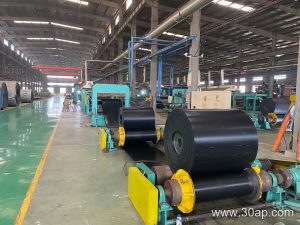
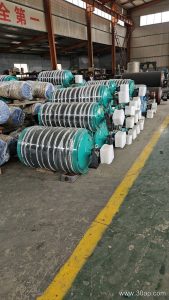
The natural product name is dust-proof idler roller, and the same item is also called a dust-resistant idler roller. Both describe the same component. It is not a drive pulley, a tail pulley or a bend pulley; those are drums that transmit motion or change belt direction, while an idler supports the belt along the run.
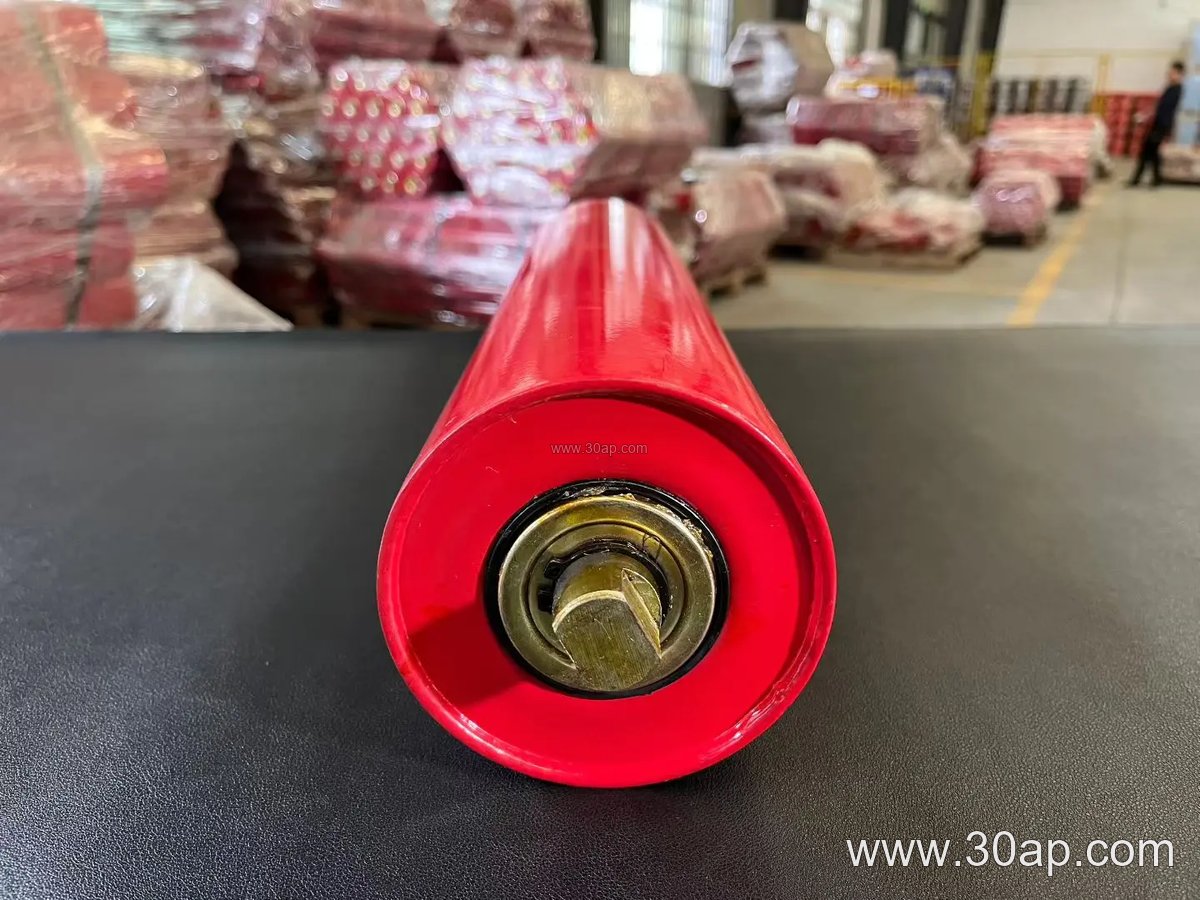
How the Sealing and Body Are Built
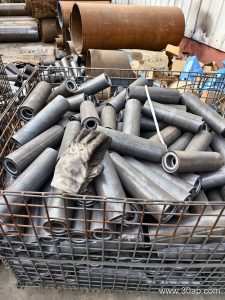
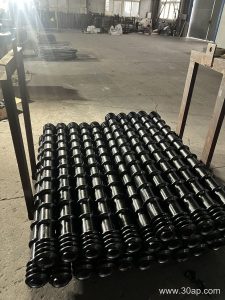
A typical dust-proof idler roller has a steel tube shell, a shaft, bearing housings at each end, and a multi-stage seal. The seal often combines a labyrinth path with a contact lip, so dust has to travel through a long, narrow route before it can reach the bearing. Grease inside the housing adds another barrier.
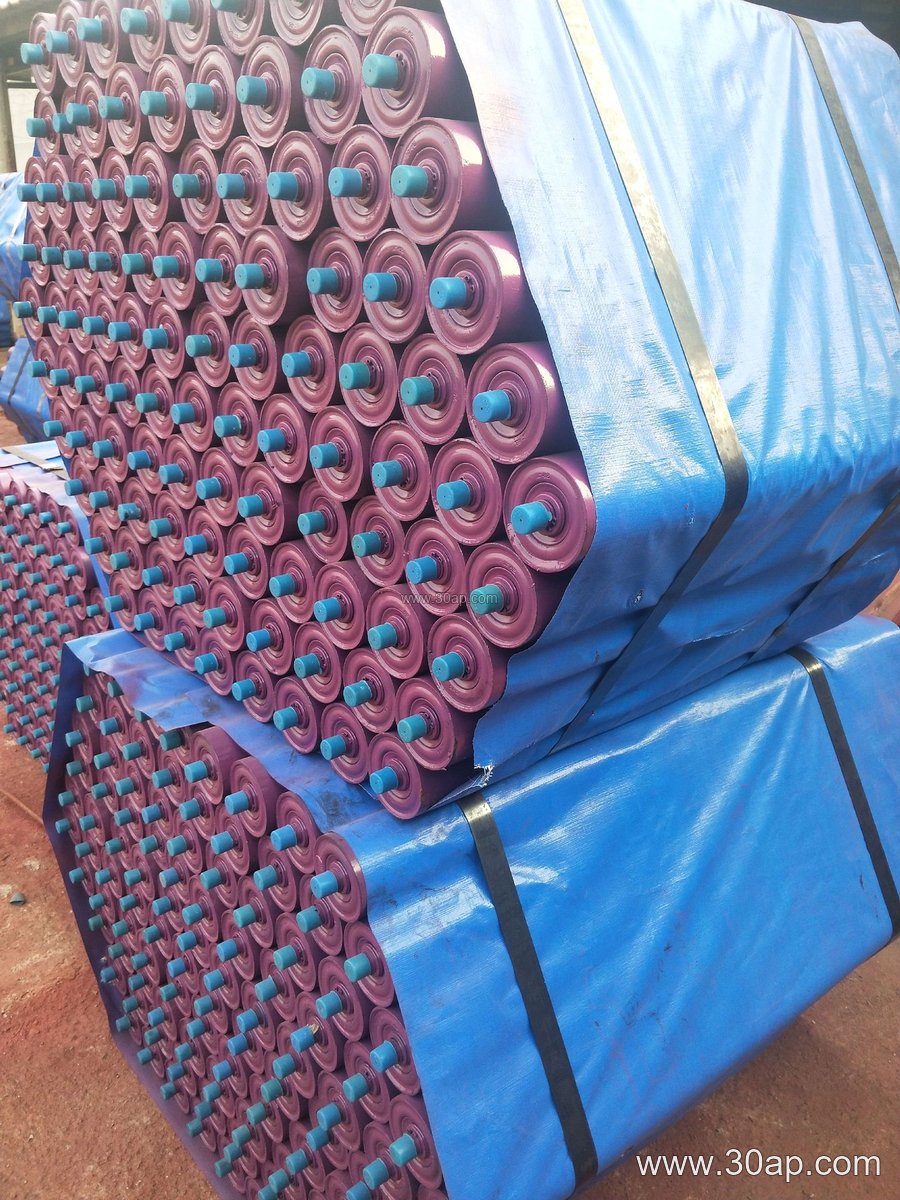
Common roller diameters include Ø89, Ø108, Ø133, Ø159 and Ø194, while bearings such as 6204, 6205, 6305, 6306 and 6308 appear across different sizes. These are reference values, not fixed pairings. A larger roller does not automatically mean a larger shaft, and a given belt width can work with more than one roller diameter. The right combination depends on load, speed and the conveyor bracket design.
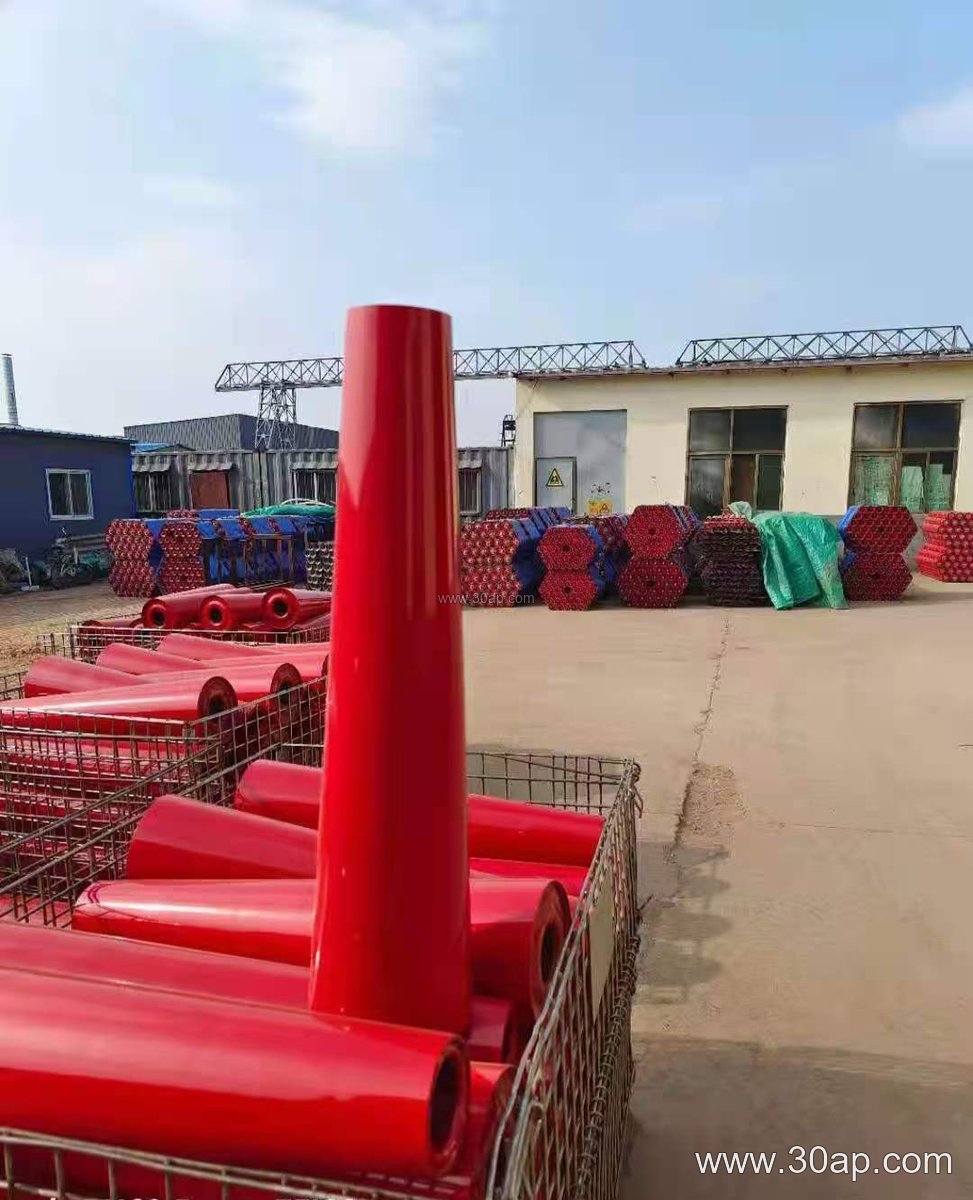
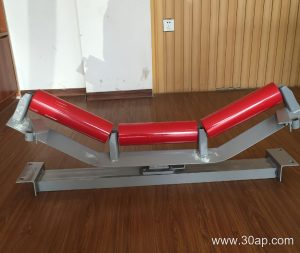
Roller length changes with belt width, trough angle and the idler set arrangement. For a three-roll troughing set, common roller lengths are roughly 200 mm at B500, 250 mm at B650, 315 mm at B800, 380 mm at B1000, 465 mm at B1200, 530 mm at B1400, 600 mm at B1600 and 670 mm at B1800. Side rollers and the centre roller can differ, so these figures are examples only.
Where Dust-Proof Idlers Are Used
Dusty duty suits this roller well. In a limestone quarry, a coal washing plant, a cement kiln feed line or a power station coal yard, the air carries abrasive fines that shorten the life of standard rollers. A dust-proof idler is also useful at a crushing and screening station, a sinter plant, a fertilizer handling line and a tunnel muck removal system.
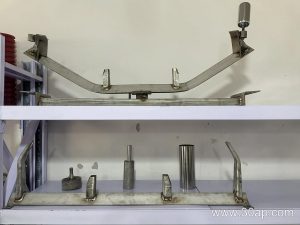
Position matters. Troughing idlers on the carrying side see the most material contact, while return rollers run under the empty belt and often collect a fine layer of dust. A V-shaped return idler helps centre the belt and shed debris. For impact zones, a rubber-disc impact idler is sometimes chosen instead, but that is a different function: it absorbs shock rather than mainly blocking dust.
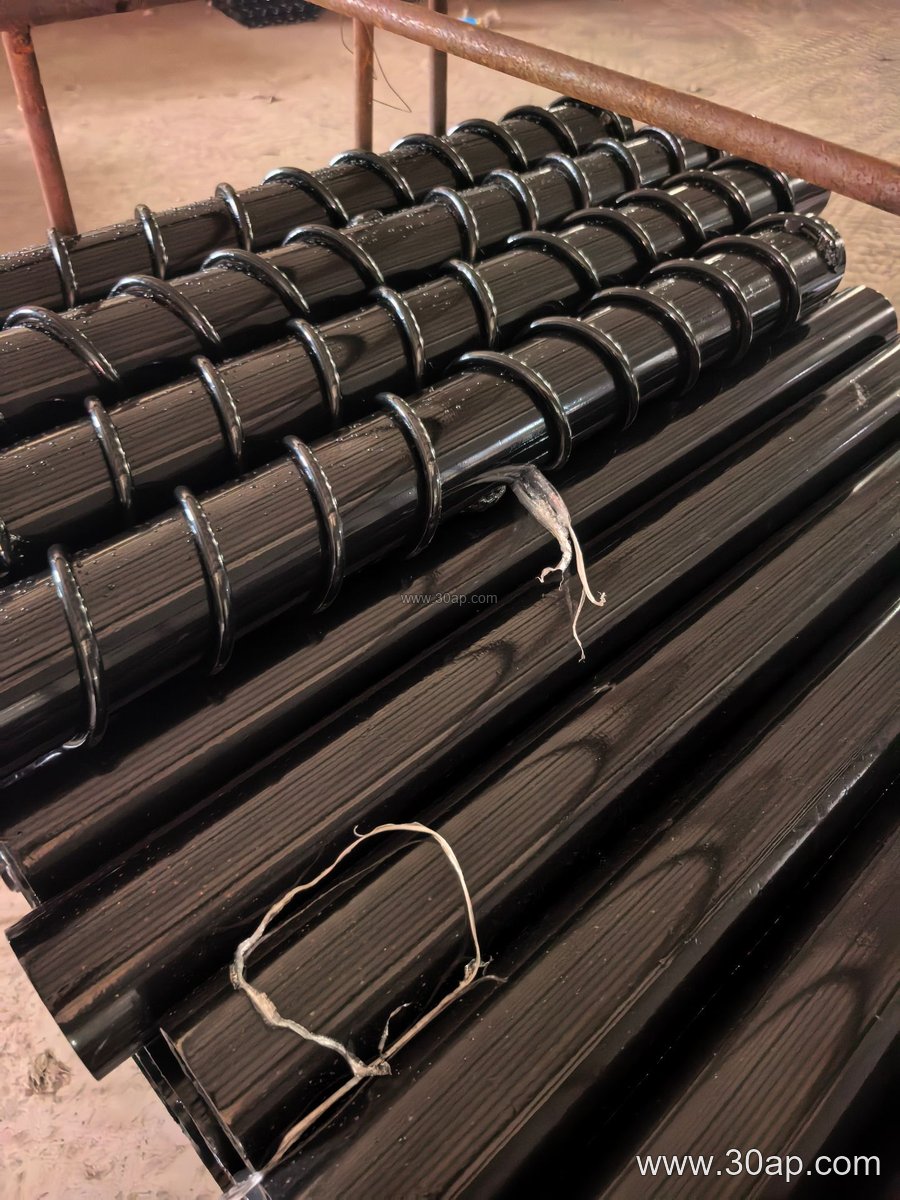
Common Configurations
| Item | Common Options |
|---|---|
| Idler type | Troughing, return, V-return, impact, self-aligning |
| Roller diameter | Ø63, Ø76, Ø89, Ø102, Ø108, Ø127, Ø133, Ø159, Ø178, Ø194, Ø219 |
| Belt width | B400 to B2400 |
| Trough angle | 20, 30, 35, 45 degrees |
| Roller surface | Steel tube, nylon, ceramic, rubber rings |
| Bearing | 6204, 6205, 6305, 6306, 6308, 6310 |
Grease-retaining seals, a machined end cap and a smooth shell surface all help. Some designs add a dust lip or a felt ring. The best choice depends on particle size, moisture and belt speed, so a buyer should ask for the sealing detail rather than just the roller diameter.
What a Buyer Should Check
- Seal construction: labyrinth, contact lip, or a combination.
- Shaft and bearing match: confirm the load rating, not just the bore number.
- Roller length and trough angle: they must suit the conveyor bracket and belt width.
- Shell material and wall thickness: thin tubes flex under heavy ore.
- Balance and runout: poor balance causes vibration and premature belt wear.
- Grease type and service interval: dusty sites often need shorter inspection cycles.
For a mining, coal or aggregate project, it also helps to state the environment, the belt speed and the material being conveyed. A supplier can then recommend a dust-proof idler roller that fits the conveyor rather than one that simply matches a catalogue number. Used with a well-aligned conveyor belt, a properly sealed idler roller reduces downtime and keeps the whole conveyor pulley and bracket system working as intended.