What a Trough Idler Bracket Set Does
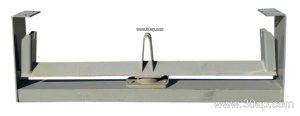
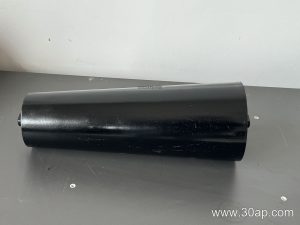
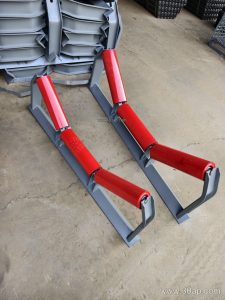
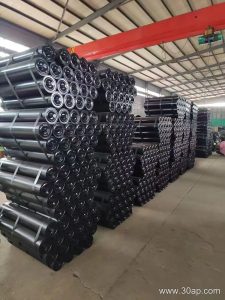
A trough idler bracket set is the structural frame that holds the carrying idlers in a troughed configuration on a belt conveyor. Often called a troughing idler bracket set or simply a trough bracket set, it positions three idlers in a shallow V or deep U shape so the conveyor belt forms a trough that keeps bulk material centered during transport. In a quarry, cement plant, or coal handling system, this bracket set is the interface between the idler roller and the conveyor bracket that anchors to the main frame.
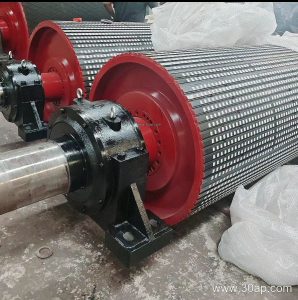
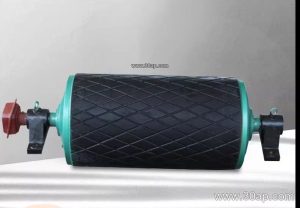
Unlike a return bracket or a transition bracket, the trough idler bracket set is dedicated to the carry side. It does not replace a drive pulley, tail pulley, or bend pulley; those components handle power transmission and belt direction, while the bracket set handles support and belt shaping. Getting this distinction right matters when specifying spare parts for a crushing line or a power plant coal conveyor.
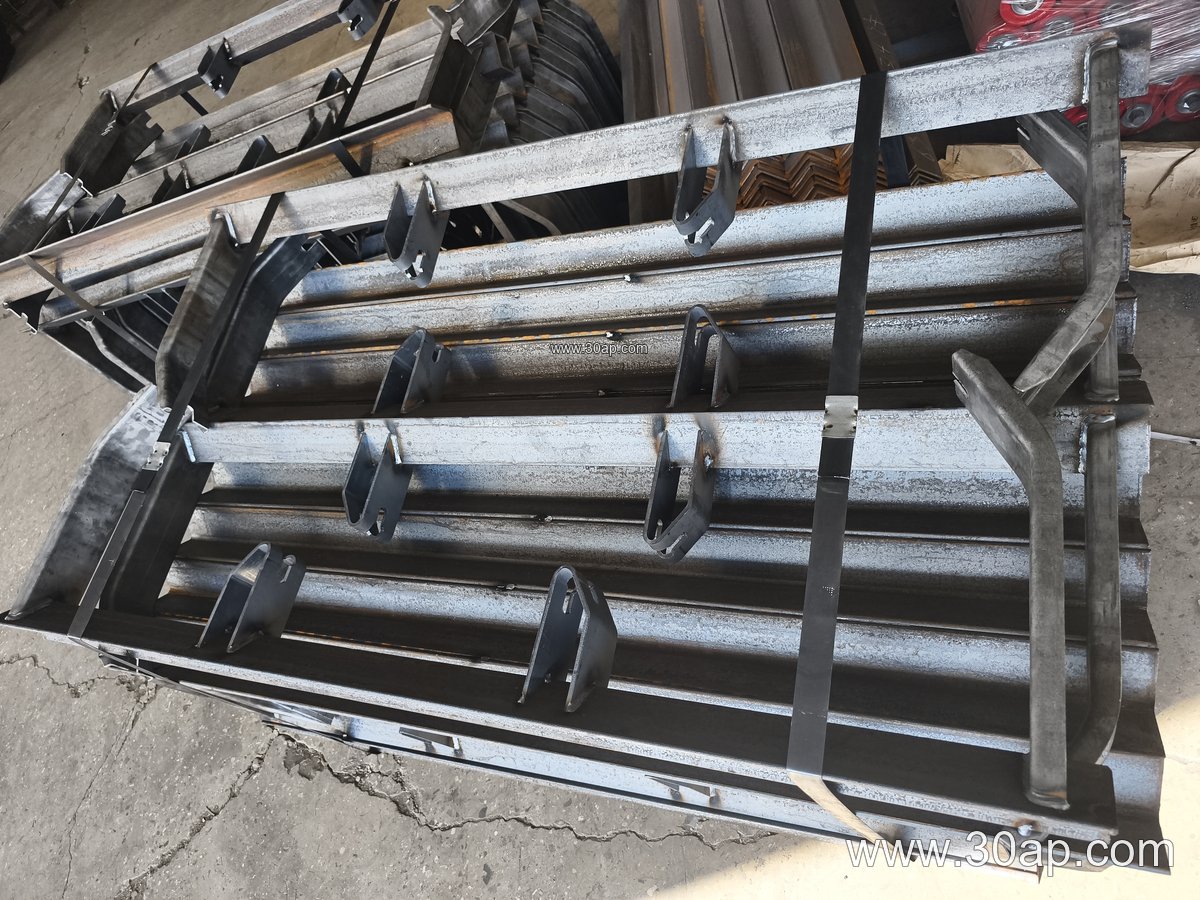
Construction and Common Materials
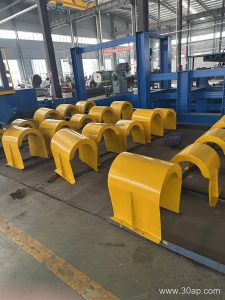
Most bracket sets are fabricated from angle steel, channel steel, or folded steel plate. The choice depends on load, belt width, and environmental conditions. A heavy-duty mining conveyor belt running iron ore or copper ore may call for thicker channel sections, while a smaller aggregate conveyor belt can use lighter angle steel. The set typically includes a base beam, two side wings angled to the trough angle, and mounting slots for the idlers. Welded or bolted construction is common, and some designs allow the wings to be adjusted on site.
Surface treatment such as painting or galvanizing is often specified for outdoor installations, especially in port or ship loading conveyors where salt and moisture are present. Buyers should confirm hole spacing and beam length against the actual conveyor frame, because these dimensions change with belt width and trough angle rather than following a single fixed number.
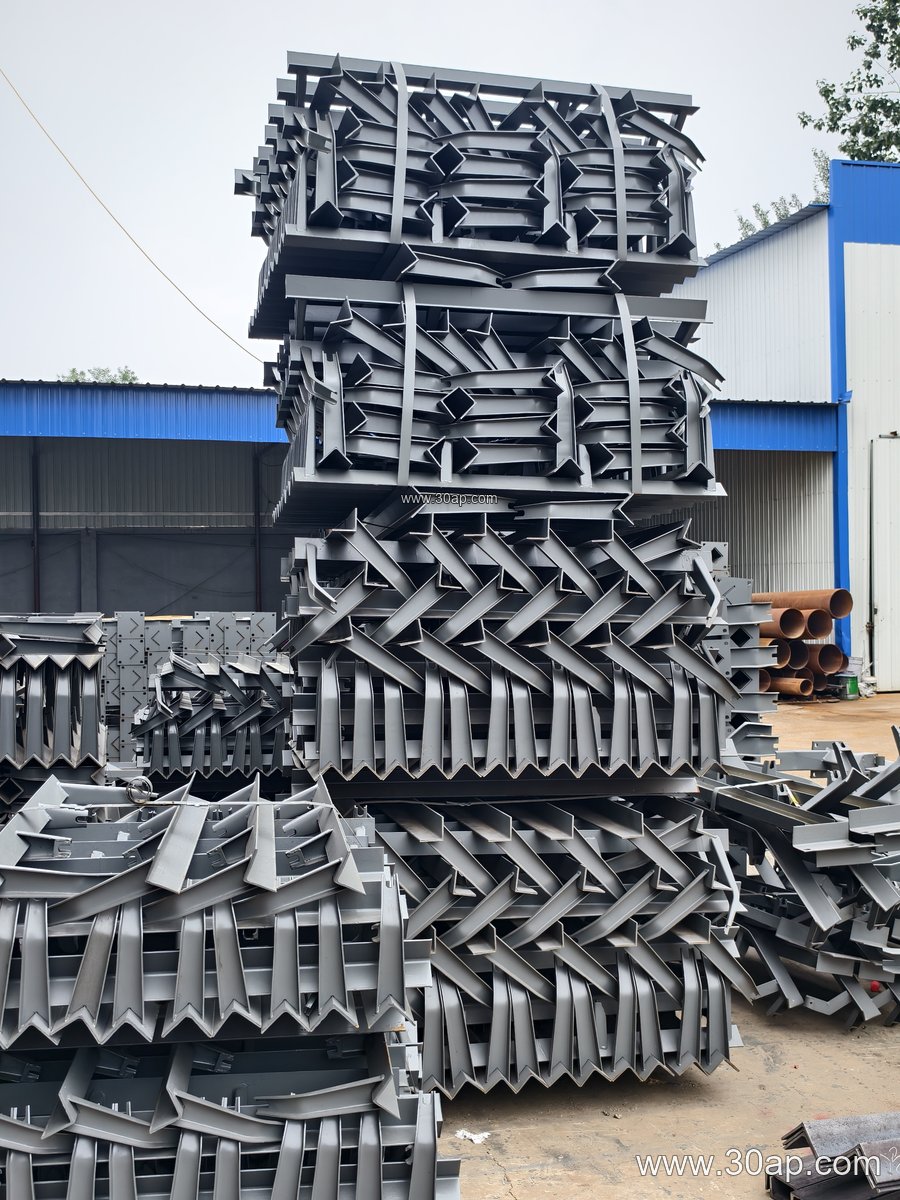
Where It Fits in the Conveyor System
The trough idler bracket set appears along the carry side of a conveyor belt, spaced at intervals that depend on belt tension and material weight. It is common in limestone mines, gravel lines, cement plants, and power plant coal handling. In a coal mining conveyor belt system, the bracket set must resist vibration and impact from lump coal; in a sinter or steel plant conveyor, heat and dust may influence the choice of coating and steel thickness.
It works together with the idler roller, the conveyor pulley at the head and tail, and the conveyor bracket that ties the whole frame together. On a pipe conveyor belt or a corrugated sidewall conveyor belt, the bracket arrangement is different, so the trough bracket set is not a universal fit for every belt type.
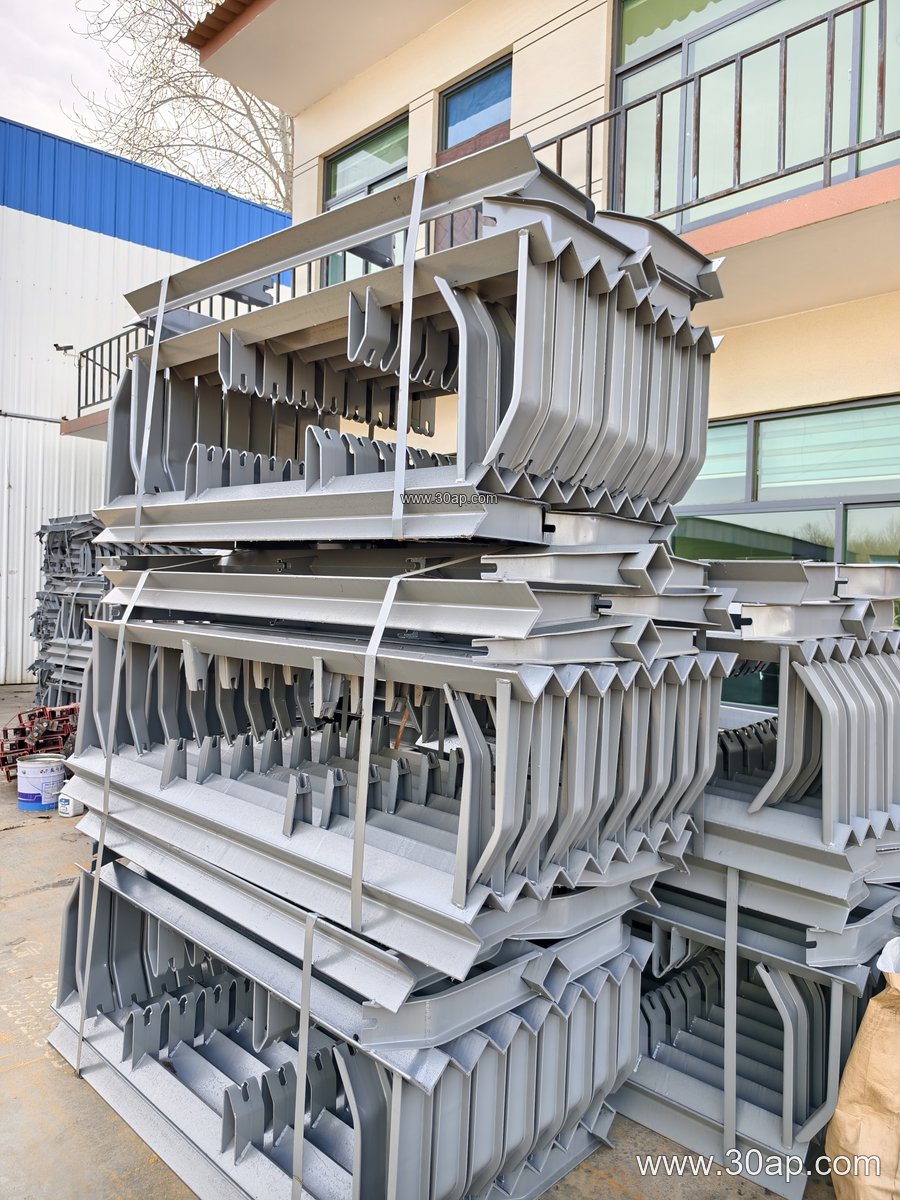
Key Parameters to Review
When selecting a trough idler bracket set, engineers usually start with belt width, trough angle, and idler diameter. The table below shows reference combinations; these are examples, not fixed rules, and final dimensions are determined by design.
| Belt Width | Trough Angle | Idler Diameter | Typical Material |
|---|---|---|---|
| B650 | 30 degrees | Ø89 | Angle steel |
| B800 | 35 degrees | Ø108 | Channel steel |
| B1200 | 45 degrees | Ø133 | Folded steel plate |
| B1600 | 35 degrees | Ø159 | Channel steel |
Other common widths include B500, B1000, B1400, B1800, B2000, and B2200. Trough angles of 20, 30, 35, and 45 degrees are available, and adjustable brackets can move between these angles. Forward tilt of about 1.5 to 2 degrees is sometimes used to help belt tracking. Idler diameters such as Ø89, Ø108, Ø133, Ø159, and Ø194 are common, but the bracket set should be matched to the idler rather than assumed from belt width alone.
Buyer Checklist
- Confirm belt width and trough angle before ordering; do not assume one width fits one angle.
- Check mounting hole spacing and beam length against the conveyor frame drawing.
- Ask whether the bracket is fixed or adjustable, especially for lines that may change trough angle later.
- Match the bracket material and coating to the site: a wash plant may need different protection than a dry cement plant.
- Consider the conveyor belt type in service, such as an EP conveyor belt or a steel cord conveyor belt, because tension and load affect bracket spacing.
- For high-impact zones under a crusher, a buffer or impact bracket may be more suitable than a standard trough set, but it should not be treated as the same product.
For more on conveyor components and to discuss trough idler bracket set options for your belt width, contact our team at www.example.com/trough-idler-bracket-set. We also supply idler roller and conveyor pulley references for complete system planning.